Why Cold Trucks Are Necessary for F&B Delivery in Modern Food Logistics
Why cold trucks are necessary for F&B delivery comes down to one critical factor: temperature control. Food and beverage (F&B) products are highly sensitive to environmental conditions, and even slight temperature fluctuations can compromise quality, safety, and shelf life.
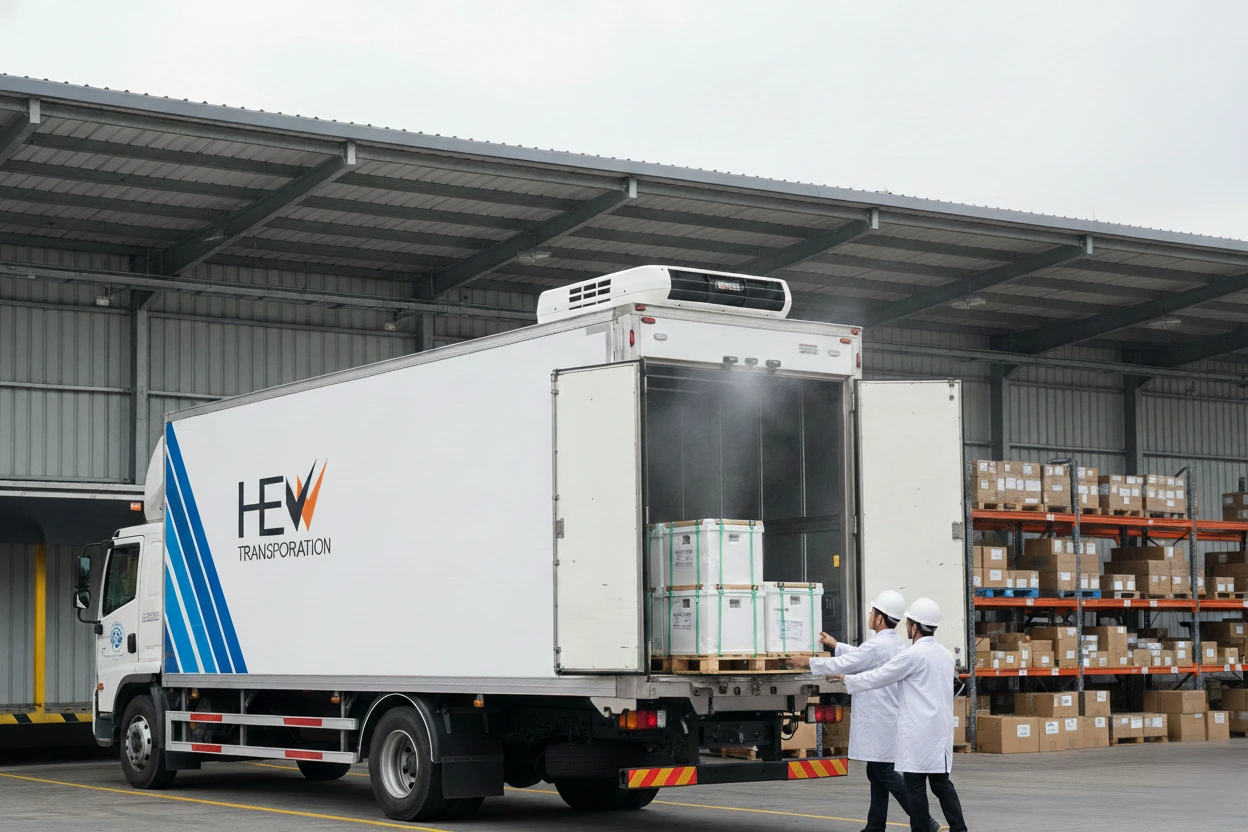
Cold trucks, also known as refrigerated vehicles, are designed to maintain specific temperature ranges throughout transportation. They play a central role in ensuring that perishable goods such as fresh produce, dairy, seafood, and ready-to-eat meals arrive in optimal condition.
In today’s fast-paced delivery environment, especially with the growth of food delivery and online grocery services, cold trucks are no longer optional, they are essential infrastructure.
What Are Cold Trucks in F&B Delivery?
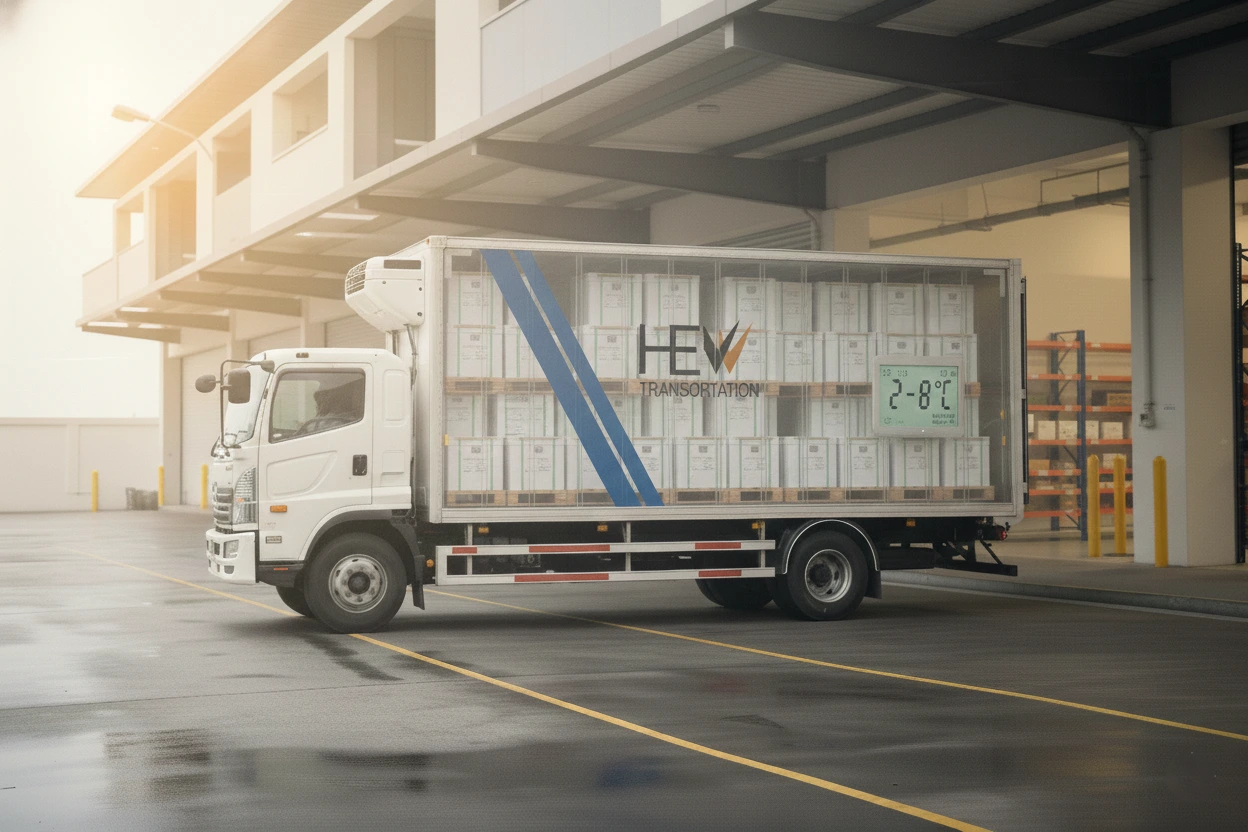
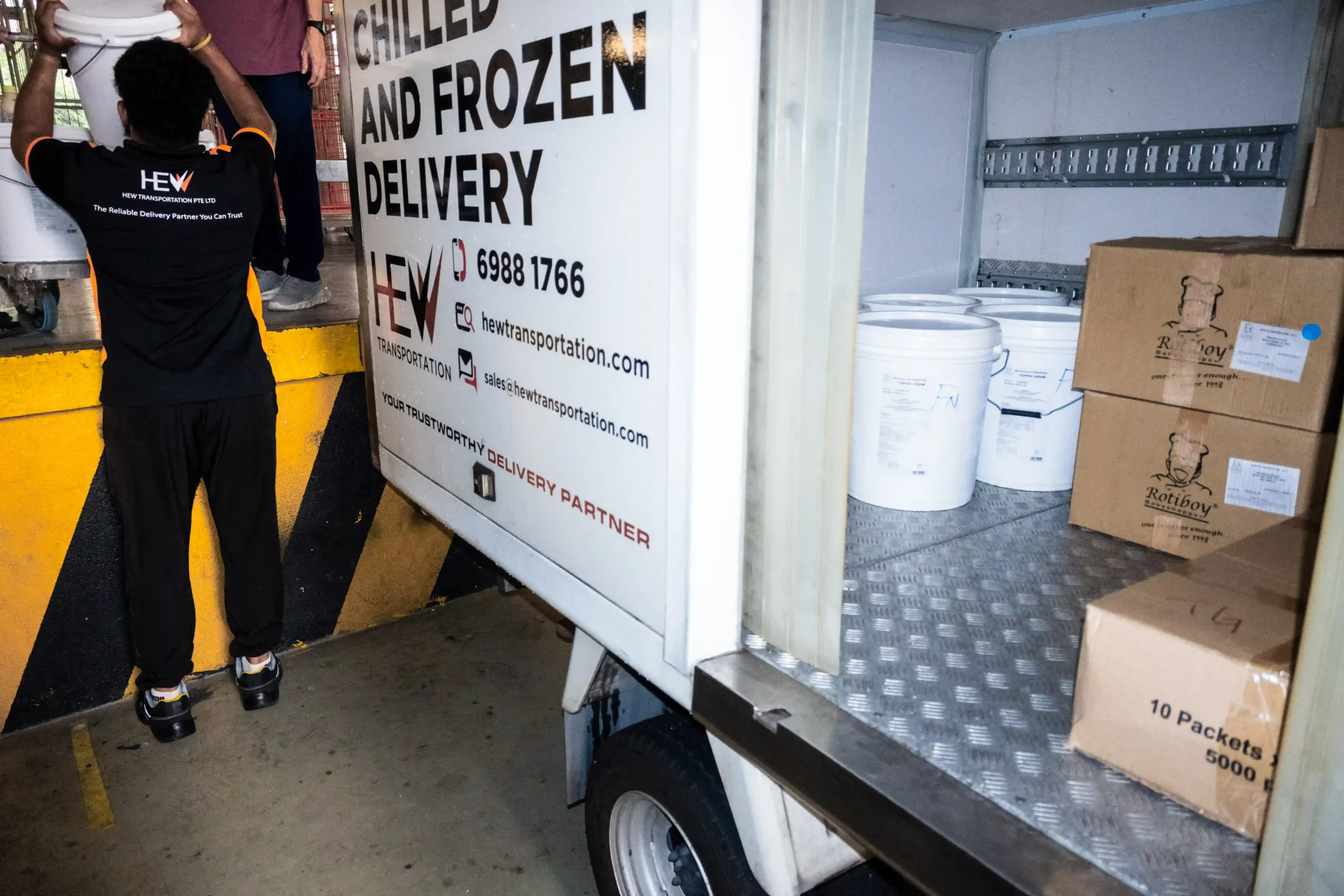
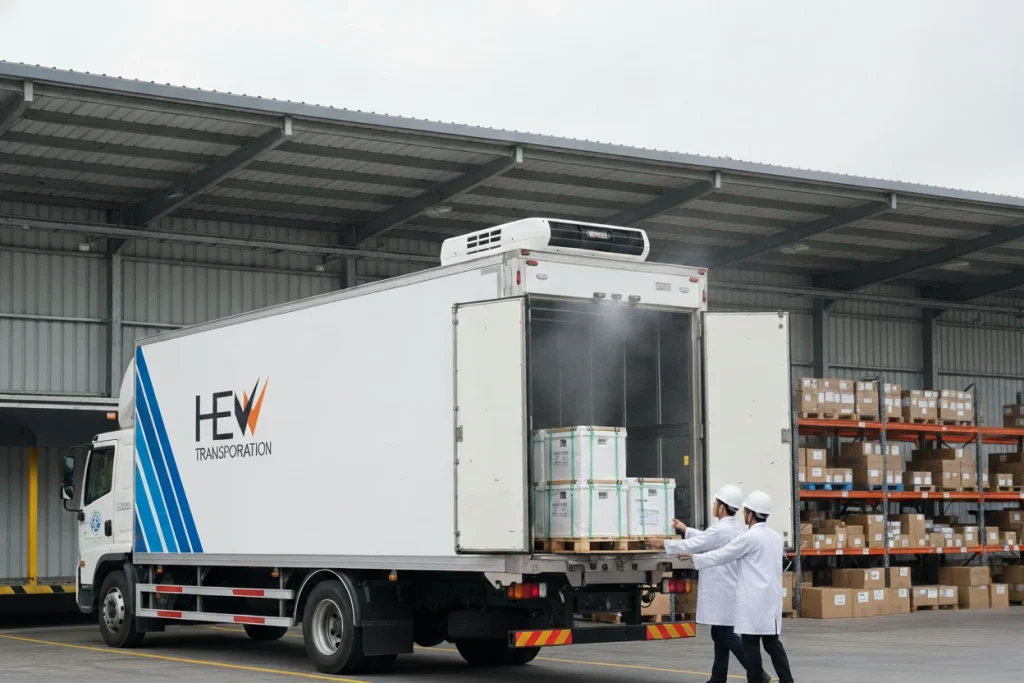
Cold trucks are specialized vehicles equipped with refrigeration systems that maintain controlled temperatures during transit. These vehicles can operate across multiple temperature zones depending on the type of food being transported.
Typical temperature categories include:
- Frozen: below -18°C
- Chilled: 2°C to 8°C
- Ambient-controlled: 15°C to 25°C
These controlled environments ensure that food products remain safe for consumption from dispatch to delivery.
How Cold Trucks Work in F&B Delivery
Understanding how cold trucks function helps explain why they are indispensable in food logistics.
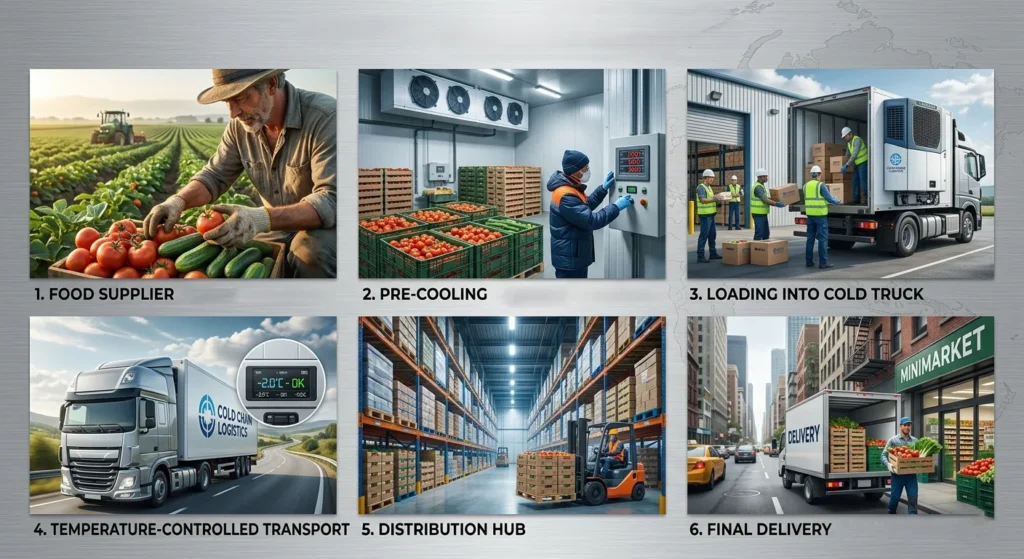
1. Pre-Cooling Before Loading
Before goods are loaded, the truck is pre-cooled to the required temperature. This prevents sudden exposure to heat, which can damage sensitive products.
Maintaining consistency from the start reduces the risk of temperature shock.
2. Insulated Storage Compartments
Cold trucks are built with insulated walls that minimize external temperature influence. This helps maintain stable internal conditions even in hot climates.
Proper insulation is critical for energy efficiency and temperature stability.
3. Active Refrigeration Systems
Refrigeration units continuously regulate internal temperatures during transit. Advanced systems can adjust cooling levels based on cargo type.
Reliable refrigeration ensures that temperature remains within safe limits throughout the journey.
4. Real-Time Temperature Monitoring
Modern cold trucks use sensors and tracking systems to monitor temperature in real time. Alerts are triggered if conditions deviate from the set range.
This level of visibility is essential for compliance and quality assurance.
Cold Truck Delivery Workflow
Why Cold Trucks Are Critical for F&B Delivery
Cold trucks are not just about transportation, they are about protecting product integrity and ensuring safety.
Key Reasons
Maintaining Food Safety
Temperature control prevents the growth of harmful bacteria. Without proper cooling, food can quickly become unsafe for consumption.
Preventing Spoilage
Perishable goods such as meat, seafood, and dairy can spoil rapidly if exposed to incorrect temperatures.
Ensuring Regulatory Compliance
Food safety regulations require strict temperature control during transportation. Cold trucks help businesses meet these standards.
Preserving Taste and Quality
Beyond safety, temperature also affects texture, flavor, and freshness, key factors in customer satisfaction.
Industry Insight
Studies in food logistics indicate that improper temperature handling can lead to:
- Up to 25% product loss
- Increased customer complaints
- Higher operational costs due to waste
This reinforces why cold trucks are a fundamental part of F&B delivery systems.
Types of Food That Require Cold Truck Delivery
Different categories of food depend on cold trucks for safe transport.
Fresh Produce
Fruits and vegetables require controlled temperatures to maintain freshness and extend shelf life.
Dairy Products
Milk, cheese, and yogurt must remain chilled to prevent spoilage and bacterial growth.
Meat and Seafood
These products are highly perishable and require strict temperature control to remain safe.
Frozen Foods
Ice cream and frozen meals must stay at sub-zero temperatures to maintain their structure and quality.
Ready-to-Eat Meals
Prepared meals need consistent cooling to ensure they remain safe during delivery.
Cold Trucks vs Standard Delivery Vehicles
| Feature | Cold Trucks | Standard Vehicles |
|---|---|---|
| Temperature Control | Yes | No |
| Food Safety | High | Low |
| Suitable for Perishables | Yes | No |
| Compliance Support | Strong | Limited |
| Risk of Spoilage | Minimal | High |
This comparison clearly shows why cold trucks are essential for F&B logistics.
Challenges in F&B Delivery Without Cold Trucks
Rapid Spoilage
Without temperature control, food can degrade within hours, especially in warm climates.
Health Risks
Improper handling can lead to foodborne illnesses, which can severely damage a brand’s reputation.
Regulatory Violations
Failure to meet food safety standards can result in fines or business shutdowns.
Customer Dissatisfaction
Receiving spoiled or low-quality food leads to negative reviews and lost customers.
Best Practices for Using Cold Trucks in F&B Delivery
Ensure Proper Temperature Settings
Different products require different temperature ranges. Setting the correct level is essential for maintaining quality.
Minimize Door Openings
Frequent opening of truck doors can disrupt internal temperature stability.
Train Staff on Handling Procedures
Proper loading and unloading techniques help maintain consistent conditions.
Use Reliable Logistics Partners
Working with experienced providers ensures that cold chain standards are consistently met.
For businesses looking to strengthen their delivery systems, understanding the role of a cold chain courier
can provide deeper insights into maintaining temperature-controlled logistics.
Future Trends in Cold Truck Logistics
Smart Temperature Monitoring
Advanced sensors provide real-time data and predictive alerts.
Eco-Friendly Refrigeration
Electric and hybrid cold trucks are reducing environmental impact.
AI-Driven Route Optimization
Improves delivery efficiency while maintaining temperature integrity.
These innovations are shaping the future of F&B delivery logistics.
Conclusion: Strengthen Your F&B Delivery with Reliable Cold Chain Solutions
Understanding why cold trucks are necessary for F&B delivery is essential for any business handling perishable goods. From maintaining food safety to ensuring compliance and customer satisfaction, cold trucks play a critical role in modern logistics.
As part of a reliable logistics ecosystem, implementing proper cold chain solutions allows businesses to operate more efficiently while protecting product quality at every stage.
If you are looking to improve your F&B delivery operations, visit hewtransportation.com and explore our cold chain logistics solutions. With the right systems and expertise in place, your business can deliver safer, fresher, and more consistent results to your customers.
FAQs (Frequently Asked Questions)
Why are cold trucks necessary for F&B delivery?
They maintain the required temperature to keep food safe, fresh, and compliant with regulations.
What happens if food is not transported in a cold truck?
It can spoil, lose quality, and become unsafe to consume.
Are cold trucks required by law for food delivery?
In many regions, regulations require temperature control for certain food categories.
What temperature should cold trucks maintain?
It depends on the product, ranging from frozen (-18°C) to chilled (2°C–8°C).
Can small businesses benefit from cold truck delivery?
Yes, it helps ensure product quality, reduce waste, and build customer trust.