How to Choose the Right Delivery Vehicle: A Complete Overview
How to choose the right delivery vehicle is one of the most important decisions for businesses involved in logistics, distribution, retail, food delivery, healthcare, and e-commerce. The right vehicle directly affects transportation costs, delivery speed, cargo safety, fuel efficiency, and overall customer satisfaction.
Every business has unique transportation requirements. A vehicle suitable for delivering frozen food may not be appropriate for transporting office supplies or oversized industrial equipment. Choosing the wrong vehicle can lead to higher operating costs, damaged goods, delayed deliveries, and lower productivity.
In simple terms, selecting the right delivery vehicle means matching the vehicle’s capabilities with your business’s delivery requirements while maximizing efficiency and minimizing costs.
Why Choosing the Right Delivery Vehicle Matters

Transportation is one of the largest operational expenses for many businesses. An unsuitable delivery vehicle can quickly increase fuel consumption, maintenance costs, and delivery delays.
Businesses should aim to achieve:
- Efficient deliveries
- Lower transportation costs
- Better fuel economy
- Safe cargo handling
- Reliable customer service
Choosing the appropriate delivery vehicle helps businesses:
- Improve delivery performance
- Reduce operating expenses
- Increase fleet productivity
- Protect transported goods
- Enhance customer satisfaction
Key Benefits of Choosing the Right Delivery Vehicle
| Benefit | Business Impact |
|---|---|
| Better Fuel Efficiency | Lower operating costs |
| Improved Delivery Speed | Faster customer service |
| Higher Cargo Protection | Reduced product damage |
| Optimized Fleet Utilization | Increased productivity |
| Lower Maintenance Costs | Better long-term savings |
| Greater Business Flexibility | Supports future growth |
Factors to Consider When Choosing the Right Delivery Vehicle
Several important factors should influence your decision.
Type of Goods Being Transported
Different products require different vehicle specifications.
Examples include:
- Documents and parcels
- Frozen foods
- Fresh produce
- Medical supplies
- Furniture
- Industrial equipment
Matching the vehicle to the cargo helps prevent product damage and improves delivery efficiency.
Delivery Distance
Businesses should determine whether deliveries are:
- Local
- Regional
- Nationwide
- Cross-border
Long-distance transportation often requires vehicles designed for fuel efficiency and driver comfort.
Cargo Capacity
Vehicle size should match average shipment volume.
Using oversized vehicles increases unnecessary fuel and maintenance costs, while undersized vehicles may require multiple trips.
Temperature Requirements
Perishable goods require refrigerated transportation.
Temperature-controlled vehicles are commonly used for:
- Frozen foods
- Fresh produce
- Dairy products
- Pharmaceuticals
Accessibility
Urban deliveries may require compact vehicles capable of navigating congested streets, while larger trucks are more suitable for bulk transportation.
Types of Delivery Vehicles
Understanding vehicle options helps businesses make better logistics decisions.
Vans
Best suited for:
- Parcel deliveries
- Corporate documents
- E-commerce orders
- Small business deliveries
Advantages include:
- Easy urban navigation
- Lower fuel costs
- Faster loading and unloading
Light Trucks
Suitable for:
- Retail distribution
- Medium-sized shipments
- Warehouse replenishment
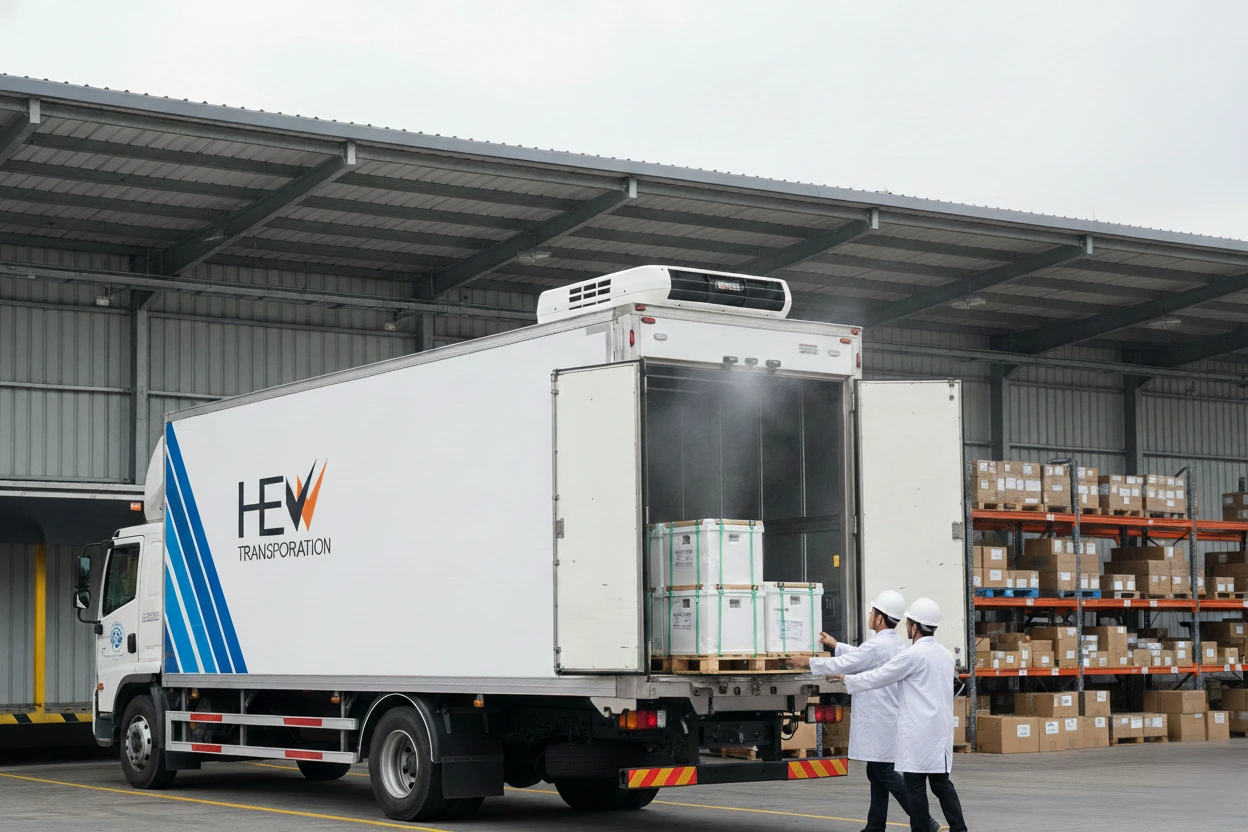
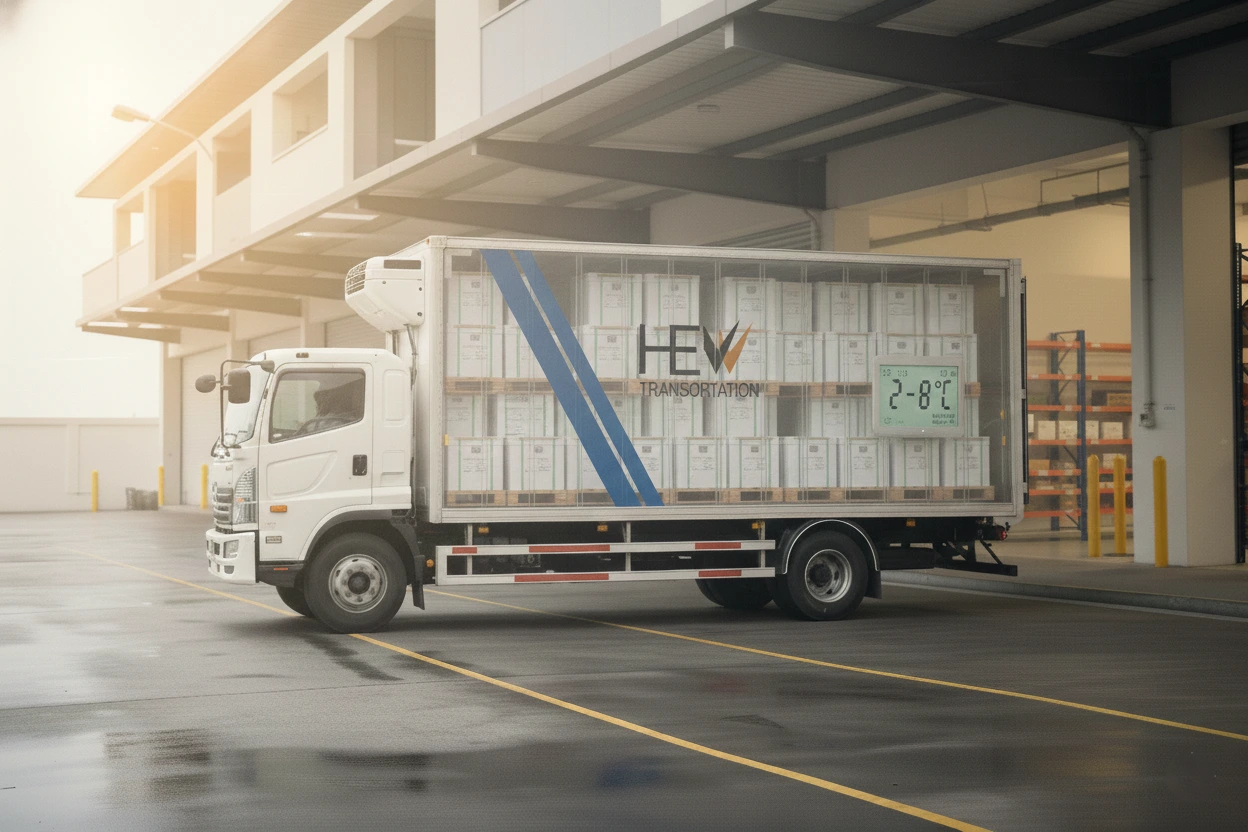
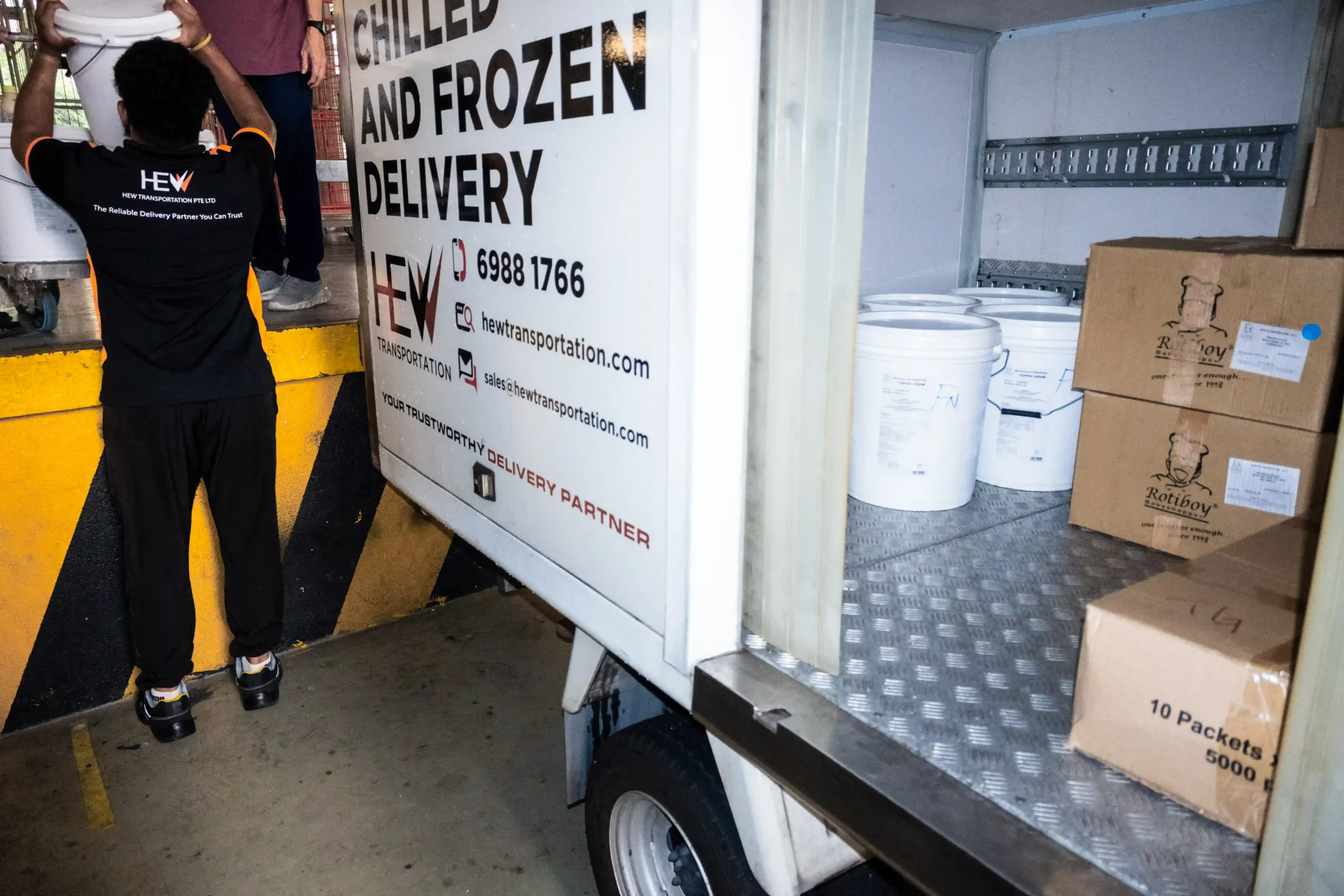
Refrigerated Vehicles
Ideal for transporting:
- Frozen food
- Fresh fruits
- Seafood
- Pharmaceuticals
These vehicles maintain consistent temperatures throughout transportation.
Heavy-Duty Trucks
Used for:
- Industrial equipment
- Construction materials
- Large commercial shipments
Common Mistakes When Selecting Delivery Vehicles
Businesses often make avoidable mistakes when expanding their fleets.
Choosing Based Only on Purchase Price
Lower-cost vehicles may generate higher operating expenses over time.
Ignoring Fuel Efficiency
Fuel consumption significantly affects long-term logistics costs.
Underestimating Cargo Requirements
Insufficient vehicle capacity often creates additional transportation trips.
Overlooking Maintenance Costs
Reliable vehicles typically reduce downtime and repair expenses.
Failing to Plan for Business Growth
Businesses should select vehicles capable of supporting future delivery volumes.
Best Practices for Choosing the Right Delivery Vehicle
Following proven strategies helps maximize transportation efficiency.
1. Analyze Your Delivery Requirements
Review:
- Shipment sizes
- Delivery frequency
- Delivery locations
- Product types
2. Calculate Total Operating Costs
Consider:
- Fuel
- Maintenance
- Insurance
- Repairs
- Driver costs
3. Prioritize Safety Features
Reliable safety systems help protect drivers and cargo.
4. Consider Technology Integration
Modern delivery vehicles often include:
- GPS tracking
- Fleet management systems
- Route optimization software
- Fuel monitoring systems
5. Work with Experienced Logistics Professionals
Businesses without dedicated fleets often benefit from partnering with a reliable courier service for business that already operates a professionally managed transportation network.
How the Right Delivery Vehicle Improves Logistics Performance
Selecting the appropriate vehicle contributes to nearly every aspect of logistics operations.
Better Delivery Efficiency
Vehicles matched to delivery requirements complete routes more effectively.
Lower Transportation Costs
Fuel-efficient vehicles reduce long-term operating expenses.
Improved Customer Satisfaction
Reliable deliveries strengthen customer confidence.
Increased Operational Flexibility
Businesses can adapt more easily to seasonal demand and changing shipment volumes.
Case Example: Choosing the Right Delivery Vehicle

A food distributor serving supermarkets across Singapore struggled with rising transportation costs and inconsistent delivery performance.
Challenges
- Vehicles larger than required
- High fuel consumption
- Inefficient delivery scheduling
- Increased maintenance expenses
Solutions Implemented
The company reviewed its fleet and:
- Assigned smaller vehicles for urban deliveries
- Used refrigerated trucks for temperature-sensitive goods
- Optimized delivery routes
- Improved vehicle maintenance schedules
Results
Within several months:
- Fuel costs decreased by 17%
- Delivery efficiency improved
- Vehicle downtime was reduced
- Customer satisfaction increased
This example demonstrates how selecting the right delivery vehicle directly improves logistics performance.
Future Trends in Delivery Vehicle Selection
Vehicle technology continues evolving alongside modern logistics.
Electric Delivery Vehicles
Many businesses are adopting electric fleets to reduce operating costs and carbon emissions.
Smart Fleet Management
Connected vehicles provide:
- Real-time diagnostics
- Fuel monitoring
- Driver performance analysis
Artificial Intelligence
AI helps businesses:
- Predict maintenance
- Optimize fleet utilization
- Improve route planning
Sustainable Transportation
Businesses increasingly prioritize environmentally responsible transportation solutions. These innovations will continue influencing how companies choose delivery vehicles.
Conclusion: Find the Right Logistics Solution with HEW Transportation
Understanding how to choose the right delivery vehicle helps businesses reduce transportation costs, improve delivery efficiency, and provide a better customer experience. Selecting the right vehicle is not simply about size—it requires careful consideration of cargo type, delivery distance, operating costs, and long-term business goals.
At HEW Transportation, we help businesses optimize every stage of their logistics operations through reliable transportation solutions, modern fleet management, and industry expertise. Whether you require parcel delivery, temperature-controlled transportation, scheduled deliveries, or customized logistics support, our experienced team can recommend the most suitable delivery solutions for your business.
Choosing the right logistics partner is just as important as choosing the right vehicle. HEW Transportation is committed to delivering dependable, scalable, and efficient transportation services that support your business growth.
Pro Tip: Before investing in new delivery vehicles, evaluate your shipment profiles, operating costs, and future growth plans. If managing a fleet isn’t the right fit, partnering with HEW Transportation can provide immediate access to reliable transportation solutions without the cost and complexity of fleet ownership.
FAQs (Frequently Ask Question)
How do I choose the right delivery vehicle for my business?
Consider the type of goods, delivery distance, cargo capacity, temperature requirements, and total operating costs before selecting a vehicle.
Why is choosing the right delivery vehicle important?
The right vehicle improves delivery efficiency, reduces transportation costs, protects cargo, and enhances customer satisfaction.
Which delivery vehicle is best for small businesses?
Delivery vans are often ideal for small businesses because they are fuel-efficient, easy to maneuver, and suitable for parcel deliveries.
When should a business use refrigerated delivery vehicles?
Refrigerated vehicles are necessary when transporting frozen foods, fresh produce, pharmaceuticals, or other temperature-sensitive products.
Is it better to own delivery vehicles or outsource logistics?
It depends on your business needs. Companies with fluctuating delivery volumes often benefit from outsourcing to an experienced logistics provider for greater flexibility and lower operating costs.