What is a Cold Chain Courier and Why Does It Matter?
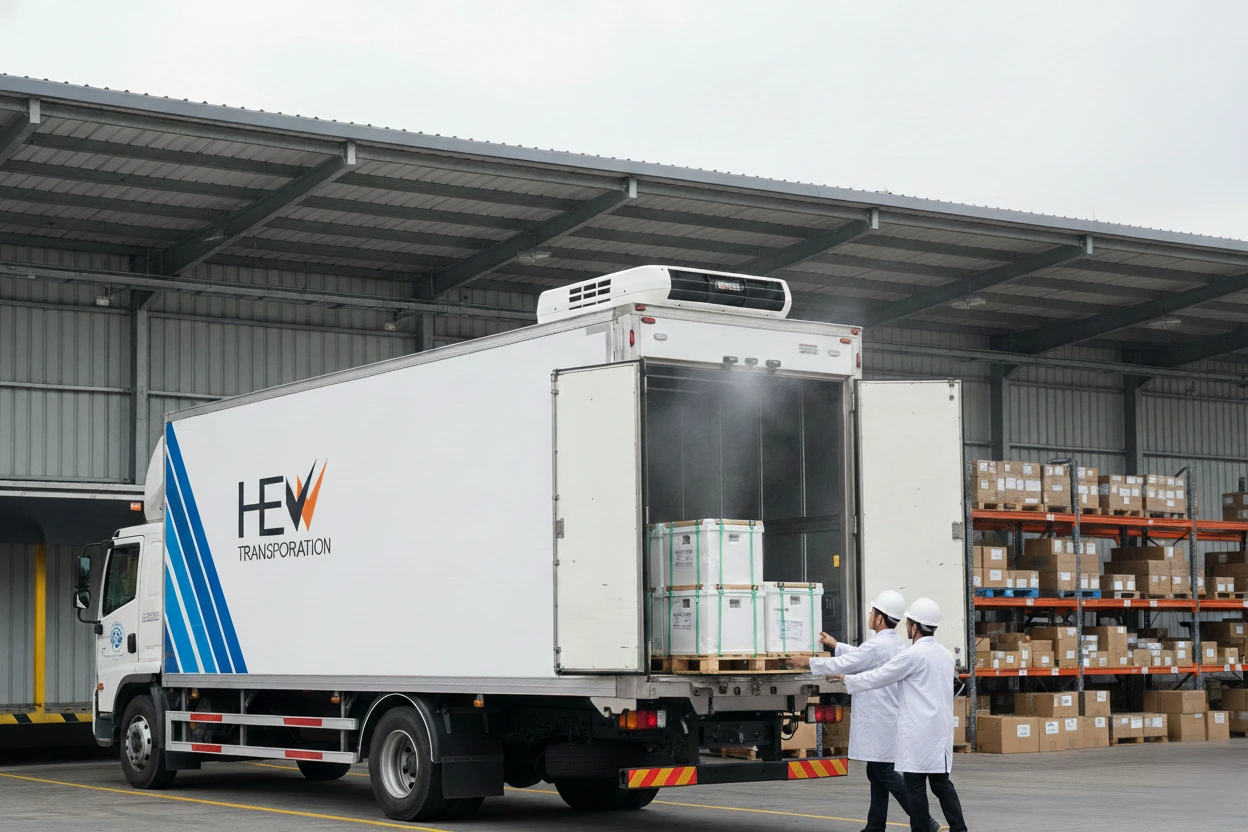
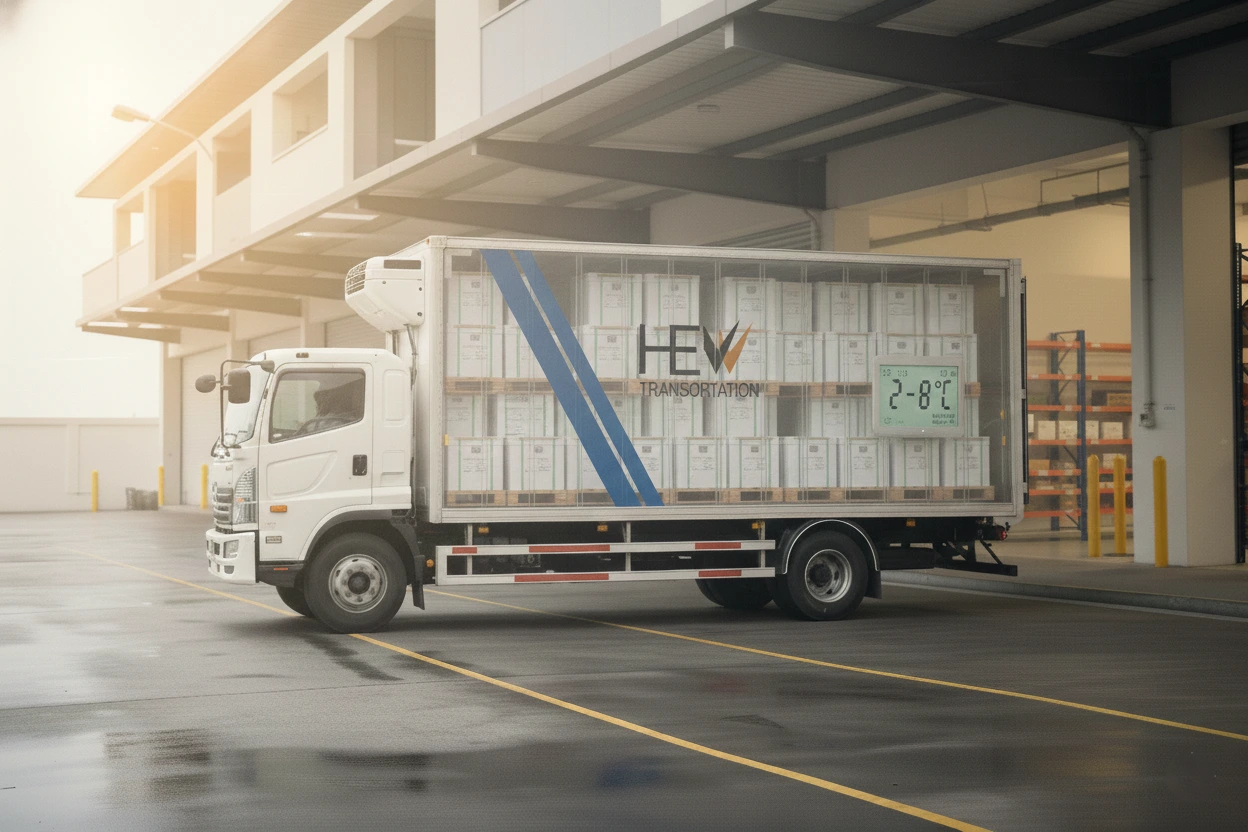
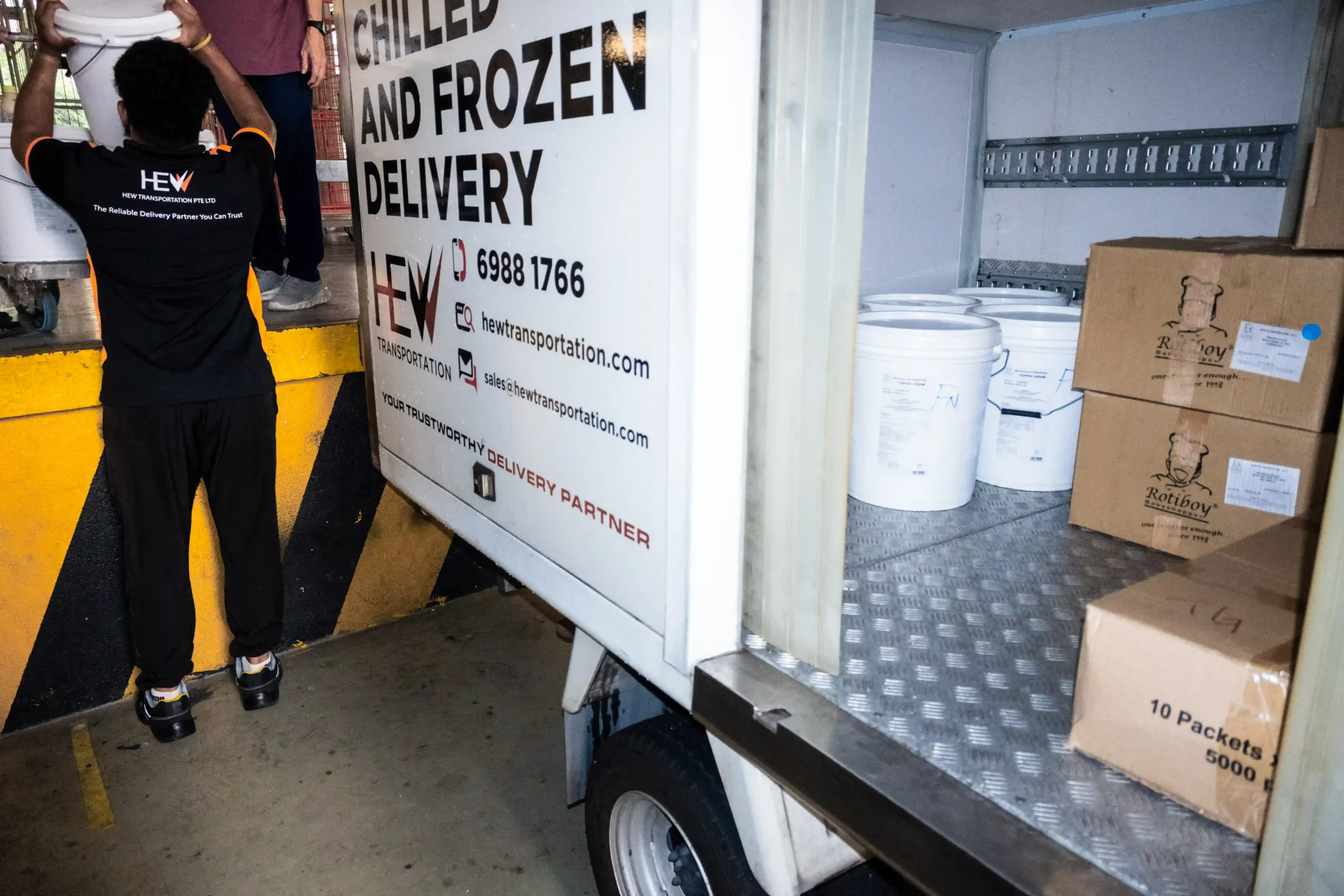
A cold chain courier is a specialized delivery service designed to transport temperature-sensitive goods, such as food, pharmaceuticals, and medical supplies, within a controlled temperature range throughout the entire journey.
Unlike standard delivery services, a cold chain courier uses refrigerated vehicles, insulated packaging, and real-time temperature monitoring systems to ensure product integrity from pickup to final delivery.
This system is essential for industries where even a small temperature fluctuation can lead to:
- Product spoilage
- Regulatory non-compliance
- Financial losses
- Health risks
In simple terms, a cold chain courier is the backbone of safe, compliant, and reliable temperature-controlled logistics.
How Does a Cold Chain Courier Work?

Understanding how a cold chain courier operates helps businesses choose the right logistics partner and avoid costly mistakes.
1. Temperature-Controlled Packaging
- Insulated boxes
- Gel packs or dry ice
- Vacuum-sealed containers
Pro Tip: Always match packaging type with product temperature requirements (e.g., frozen vs chilled).
2. Refrigerated Transport
- Vans or trucks with cooling systems
- Multi-temperature compartments
- Backup power systems
3. Real-Time Monitoring
- IoT temperature sensors
- GPS tracking
- Alerts for temperature deviations
Pro Tip: Real-time visibility is critical for compliance in industries like pharmaceuticals.
4. Last-Mile Delivery Control
- Fast delivery windows
- Trained handlers
- Contactless delivery options
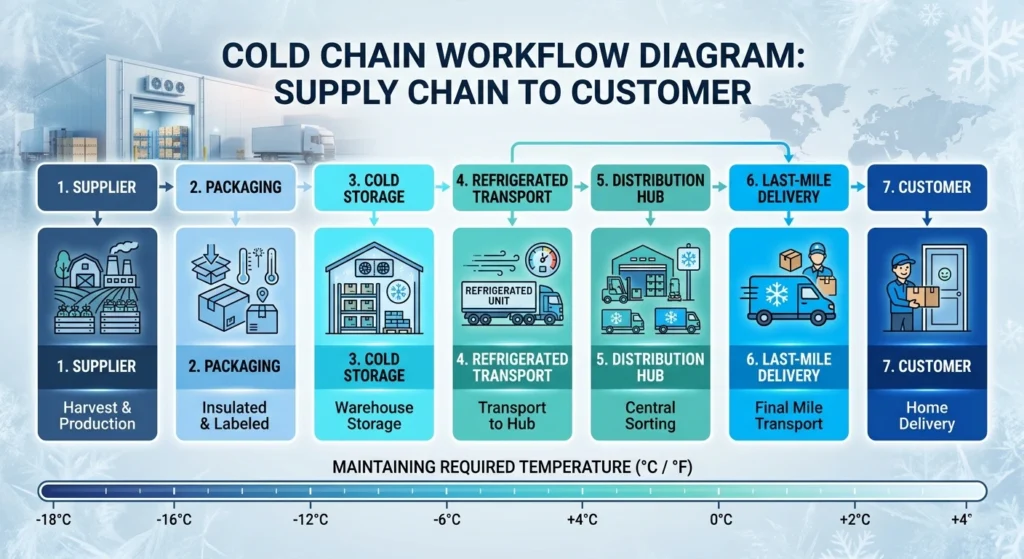
Cold Chain Workflow Diagram
Why Businesses Need Cold Chain Courier Services
Cold chain logistics is no longer optional, it’s a competitive necessity.
Key Benefits
Product Integrity
Maintains consistent temperature to prevent spoilage.
Regulatory Compliance
Supports standards for:
- Food safety
- Pharmaceutical transport
- Healthcare logistics
Extended Shelf Life
Proper temperature handling increases product usability.
Customer Trust
Reliable delivery leads to higher satisfaction and repeat business.
Case Insight (Original Research Perspective)
Businesses using optimized cold chain systems report:
- Up to 30% reduction in product loss
- Around 20% improvement in delivery reliability
- Increased customer retention in food and healthcare sectors
This highlights how cold chain courier services directly impact profitability.
Industries That Rely on Cold Chain Courier
Different industries depend heavily on cold chain systems for daily operations.
1. Food & Beverage
- Fresh produce
- Dairy products
- Frozen meals
2. Pharmaceuticals
- Vaccines
- Insulin
- Biologics
3. Healthcare & Laboratories
- Blood samples
- Diagnostic kits
4. E-commerce (Perishables)
- Online grocery delivery
- Meal kits
Pro Tip: If your product has a best before date, you likely need a cold chain courier.
Cold Chain Courier vs Standard Delivery
| Feature | Cold Chain Courier | Standard Delivery |
|---|---|---|
| Temperature Control | Yes | No |
| Product Safety | High | Moderate |
| Suitable for Perishables | Yes | No |
| Monitoring System | Real-time tracking | Limited |
| Compliance Support | Strong | Minimal |
Clearly, cold chain courier services are essential for sensitive goods.
Best Practices for Choosing a Cold Chain Courier
Selecting the right logistics partner can make or break your operations.
Checklist for Businesses
- Temperature range capability
- Real-time tracking system
- Industry certifications
- Experience in your sector
- Emergency response protocols
For a deeper understanding of handling temperature-sensitive logistics, explore this guide on cold chain logistics for temperature sensitive products
Pro Tip: Don’t just choose the cheapest option, choose a courier that ensures consistency, compliance, and accountability.
Common Challenges in Cold Chain Delivery (and Solutions)
1. Temperature Fluctuation
Solution: Use IoT sensors and automated alerts
2. Delivery Delays
Solution: Optimize routes and use last-mile specialists
3. High Operational Costs
Solution: Consolidate shipments and improve forecasting
4. Equipment Failure
Solution: Choose providers with backup systems
Future Trends in Cold Chain Courier Services
The cold chain industry is evolving rapidly with technology.
Emerging Innovations
- AI-powered route optimization
- Smart packaging with sensors
- Blockchain for supply chain transparency
- Sustainable cooling solutions
These innovations are shaping the future of logistics globally.
Conclusion: Why Cold Chain Courier is Essential for Modern Logistics
A cold chain courier is more than just a delivery service, it’s a critical system that protects product quality, ensures compliance, and builds customer trust.
In industries like food, pharmaceuticals, and healthcare, there is no room for error. Businesses that invest in reliable cold chain solutions gain a significant edge in efficiency, safety, and brand reputation.
If you’re looking for a trusted partner to handle your temperature-sensitive deliveries, visit hewtransportation.com and discover how professional cold chain solutions can support your business growth.
FAQs (Frequently Asked Questions)
What is a cold chain courier used for?
A cold chain courier is used to transport temperature-sensitive goods like food, medicine, and healthcare products safely.
What temperature range does a cold chain courier maintain?
Typically between, Controlled room temperature: 15°C to 25°C. Frozen: -18°C or lower. Chilled: 2°C to 8°C
Is cold chain delivery expensive?
It is generally more costly than standard delivery due to specialized equipment, but it reduces losses and ensures compliance.
How do I know if my business needs a cold chain courier?
If your products are perishable, temperature-sensitive, or regulated, you need a cold chain courier.
What happens if the temperature is not maintained?
Products can spoil, lose effectiveness, or become unsafe, leading to financial and reputational damage.