How Last Mile Delivery Works in Modern Logistics
How last mile delivery works refers to the final stage of the delivery process, where goods move from a distribution hub to the customer’s doorstep. While this may seem like the simplest step, it is actually the most operationally complex and cost-intensive part of logistics.
At this stage, businesses must balance speed, accuracy, and customer expectations, all while navigating real-world challenges such as traffic, failed deliveries, and tight delivery windows.
In simple terms, last mile delivery is where logistics performance becomes visible to the customer, and where brand reputation is often decided.
What is Last Mile Delivery?
Last mile delivery is the final leg of the supply chain, typically involving short-distance transportation from:
- Warehouse or distribution center
- To the end customer
Unlike long-haul logistics, which focuses on efficiency at scale, last mile delivery focuses on individual delivery precision.
How Last Mile Delivery Works: Step-by-Step Process
Understanding how last mile delivery works requires a closer look at each stage of the process.
1. Order Processing
When a customer places an order, the system verifies product availability and confirms delivery details. This stage ensures that the order is accurate before fulfillment begins. A well-optimized order processing system reduces errors and speeds up the entire delivery cycle.
2. Warehouse Fulfillment
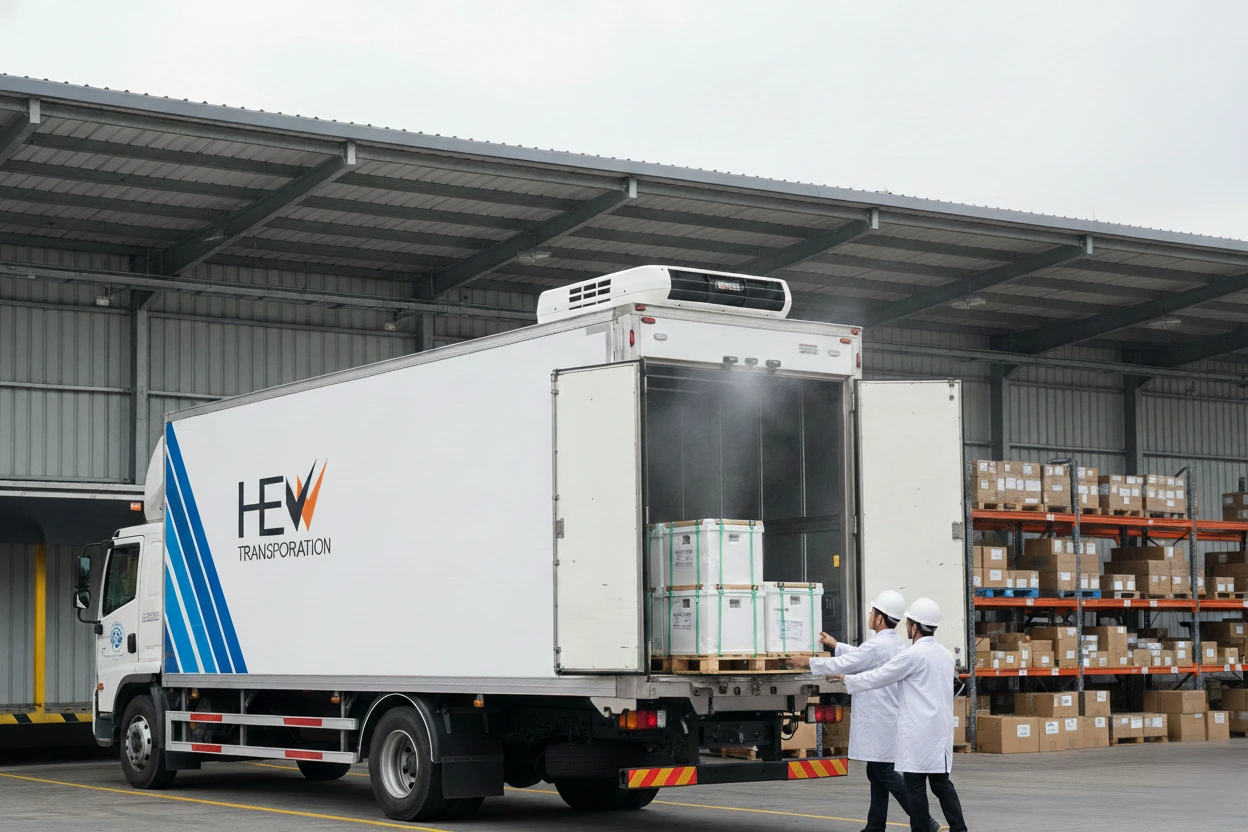
Products are picked, packed, and prepared for shipment. Orders are usually grouped based on delivery zones to improve efficiency.
This step is critical because errors here can lead to delays or incorrect deliveries, which directly affect customer satisfaction.
3. Route Optimization
Once orders are ready, they are assigned to delivery drivers. Advanced systems calculate the most efficient routes based on traffic, distance, and delivery priority.
Proper route optimization can significantly reduce delivery time and fuel costs, making it one of the most impactful areas for improvement.
4. Dispatch and Out-for-Delivery
Drivers collect packages and begin their routes. At this stage, customers are typically notified that their order is on the way, often with real-time tracking. Clear communication during this phase helps manage expectations and reduces customer inquiries.
5. Final Delivery to Customer
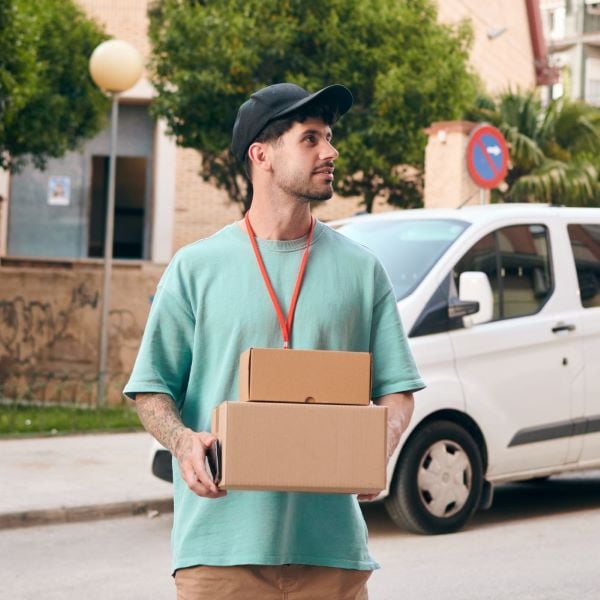
The package is delivered to the customer’s address. This may include proof of delivery, such as a signature, photo confirmation, or digital acknowledgment.
This final interaction plays a major role in shaping the customer’s overall experience with the brand.
Why Last Mile Delivery Is Important for Businesses
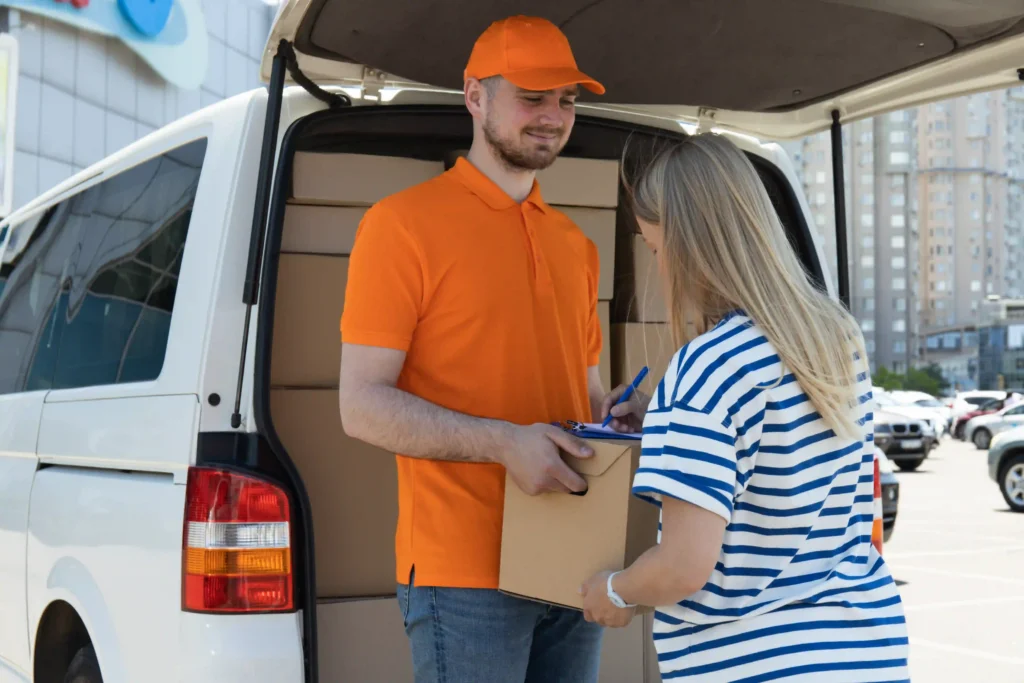
Last mile delivery is not just an operational step, it is a key driver of customer satisfaction and business performance.
Key Benefits
Faster Delivery Speeds
Customers increasingly expect same-day or next-day delivery. Efficient last mile systems help meet these expectations consistently.
Improved Customer Experience
Accurate and timely deliveries build trust and encourage repeat purchases. A single failed delivery can negatively impact brand perception.
Stronger Competitive Advantage
Businesses with reliable delivery systems stand out in crowded markets, especially in e-commerce and retail.
Higher Conversion Rates
Offering fast and reliable delivery options can directly influence purchasing decisions and reduce cart abandonment.
Industry Insight
Research shows that optimizing last mile delivery can lead to:
- Up to 35% faster delivery times
- Around 25% reduction in operational costs
- Increased customer retention rates
These improvements demonstrate how critical last mile delivery is to overall business success.
Common Last Mile Delivery Models
Businesses use different models depending on their scale and operational needs.
In-House Delivery Fleet
Companies manage their own drivers and vehicles. This offers full control but requires significant investment in resources and infrastructure.
Third-Party Logistics (3PL)
Delivery is outsourced to logistics providers. This model offers scalability and flexibility, especially for growing businesses.
Crowdsourced Delivery
Independent drivers handle deliveries on demand. While flexible, this model may have less consistency in service quality.
Last Mile Delivery vs Traditional Logistics
| Feature | Last Mile Delivery | Traditional Logistics |
|---|---|---|
| Focus | End customer | Bulk transportation |
| Distance | Short | Long |
| Complexity | High | Moderate |
| Cost Impact | Very high | Lower |
| Customer Visibility | High | Low |
This comparison highlights why last mile delivery requires a different strategy compared to other logistics stages.
Key Challenges in Last Mile Delivery
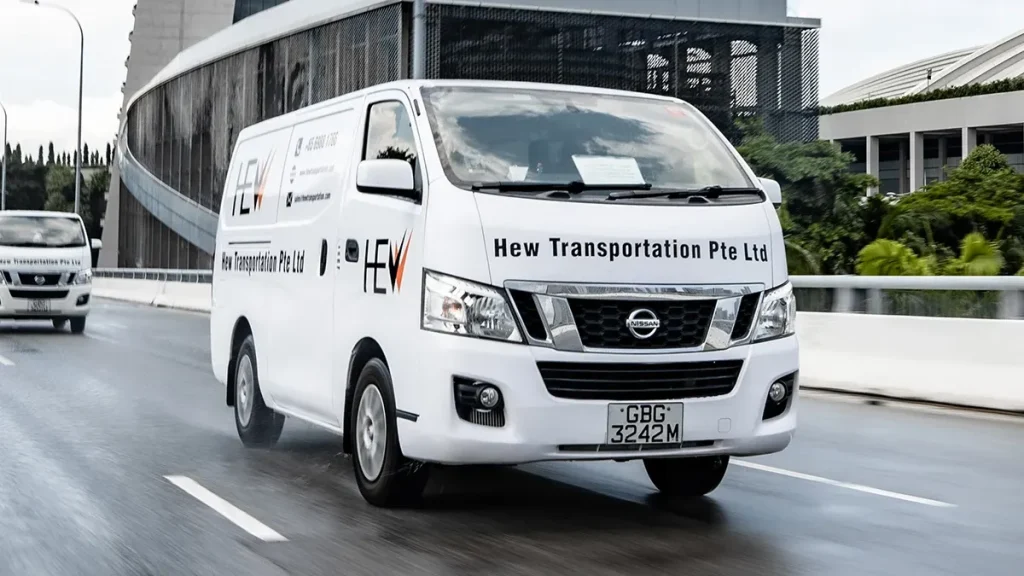
Traffic and Urban Congestion
Urban environments often create unpredictable delays. This makes route planning more complex and time-sensitive.
Failed Deliveries
Missed deliveries can significantly increase operational costs due to reattempts. Clear communication and flexible delivery options can reduce this issue.
High Operational Costs
Last mile delivery involves multiple stops and lower drop density, which increases cost per delivery.
Rising Customer Expectations
Customers expect fast, transparent, and reliable delivery, making it essential for businesses to continuously improve their logistics systems.
Technology Behind Last Mile Delivery
Technology plays a central role in improving efficiency and reliability.
Core Technologies
- GPS tracking for real-time visibility
- Route optimization software to improve efficiency
- Delivery management systems for coordination
- Electronic proof of delivery for accountability
Emerging Innovations
- Autonomous delivery vehicles
- Drone-based delivery systems
- Smart lockers for flexible collection
- Electric vehicles for sustainable logistics
These technologies are shaping the future of how last mile delivery works.
Best Practices to Optimize Last Mile Delivery
Use Data-Driven Route Planning
Analyzing delivery data helps identify patterns and improve route efficiency over time.
Enhance Customer Communication
Providing real-time updates and accurate delivery windows helps manage expectations and reduces missed deliveries.
Partner with Reliable Logistics Providers
Working with experienced partners ensures consistent service quality and scalability.
For businesses seeking professional solutions, explore last mile delivery companies in singapore to better understand available options and capabilities.
Continuously Monitor Performance
Tracking KPIs such as delivery time, success rate, and cost per delivery helps identify areas for improvement.
Conclusion: Improve Your Last Mile Delivery Strategy with the Right Partner
Understanding how last mile delivery works is essential for businesses aiming to deliver faster, reduce costs, and improve customer satisfaction. As the most visible stage of the logistics process, it directly impacts how customers perceive your brand.
If you are looking to enhance your delivery operations with a reliable logistics partner, visit hewtransportation.com and explore last mile delivery solutions. With the right strategy and support, businesses can achieve more efficient, scalable, and customer-focused delivery performance.
FAQs (Frequently Asked Questions)
How last mile delivery works in simple terms?
It is the process of delivering goods from a warehouse or distribution hub directly to the customer’s location.
Why is last mile delivery so expensive?
Because it involves individual deliveries, route inefficiencies, and high operational complexity.
How long does last mile delivery usually take?
It can range from same-day delivery to a few days, depending on distance and logistics setup.
What industries rely most on last mile delivery?
E-commerce, retail, food delivery, and healthcare industries rely heavily on it.
How can businesses improve last mile delivery performance?
By optimizing routes, using technology, improving communication, and partnering with experienced logistics providers.