Frozen Food Logistics in Singapore: A Complete Overview
Frozen food logistics in Singapore refers to the transportation, storage, handling, and distribution of frozen food products under strict temperature-controlled conditions. It is a specialized segment of cold chain logistics that ensures frozen products remain at the required temperature from the supplier to the final customer.
As Singapore imports a significant portion of its food supply, efficient frozen food logistics is essential for maintaining food safety, reducing spoilage, and ensuring consistent product quality. Restaurants, supermarkets, food manufacturers, wholesalers, and e-commerce businesses all depend on reliable logistics providers to transport frozen goods safely.
In simple terms, frozen food logistics in Singapore keeps frozen products preserved throughout the entire supply chain while complying with food safety regulations.
Why Frozen Food Logistics in Singapore Matters
Frozen foods must remain within controlled temperatures throughout transportation. Even a brief temperature fluctuation may affect food quality, shelf life, and safety.
Businesses today require logistics solutions that provide:
- Reliable cold chain transportation
- Temperature-controlled vehicles
- Real-time shipment monitoring
- Fast and efficient deliveries
- Food safety compliance
Without professional frozen food logistics, companies may experience:
- Product spoilage
- Financial losses
- Food safety risks
- Customer complaints
- Supply chain disruptions
A dependable frozen logistics provider helps businesses protect both their products and reputation.
Key Benefits of Frozen Food Logistics
| Benefit | Business Impact |
|---|---|
| Temperature Control | Preserves product quality |
| Food Safety Compliance | Reduces contamination risks |
| Reliable Deliveries | Maintains customer satisfaction |
| Reduced Product Waste | Lowers operational losses |
| Real-Time Monitoring | Greater shipment visibility |
| Supply Chain Efficiency | Supports business growth |
How Frozen Food Logistics Works
Frozen food transportation requires careful planning at every stage.
Step 1: Frozen Product Preparation
Products are properly frozen and packaged before transportation.
Common products include:
- Frozen seafood
- Frozen meat
- Frozen vegetables
- Frozen desserts
- Ready-to-eat frozen meals
Step 2: Cold Storage
Products are stored in temperature-controlled facilities until dispatch.
Step 3: Temperature-Controlled Transportation
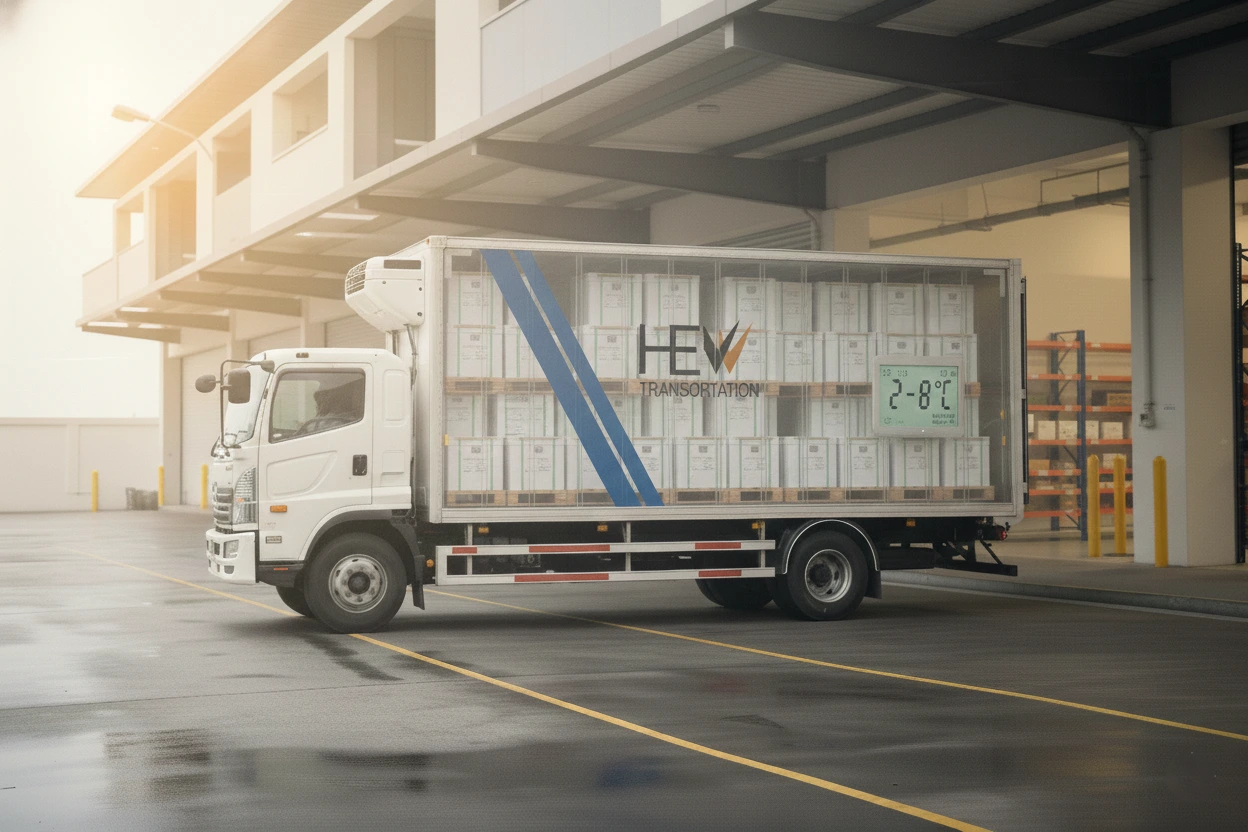
Refrigerated vehicles maintain consistent temperatures throughout delivery.
Step 4: Real-Time Monitoring
Temperature sensors and GPS systems continuously monitor shipments.
Businesses can track:
- Vehicle location
- Shipment status
- Temperature conditions
- Estimated arrival times
Step 5: Safe Delivery
Frozen products are delivered while maintaining the cold chain from pickup to destination.
Industries That Depend on Frozen Food Logistics in Singapore
Many industries rely on reliable frozen transportation services.
Food Manufacturers
Manufacturers transport frozen ingredients and finished products to distributors and retailers.
Supermarkets
Retailers require consistent frozen deliveries to keep shelves stocked.
Restaurants and Catering
Food service businesses depend on timely deliveries of frozen ingredients.
Food Importers and Exporters
International food businesses require dependable cold chain logistics.
E-Commerce Grocery Businesses
Online grocery providers rely on frozen delivery services to fulfill customer orders safely.
Essential Components of Frozen Food Logistics

Successful cold chain transportation depends on several key factors.
Temperature-Controlled Vehicles
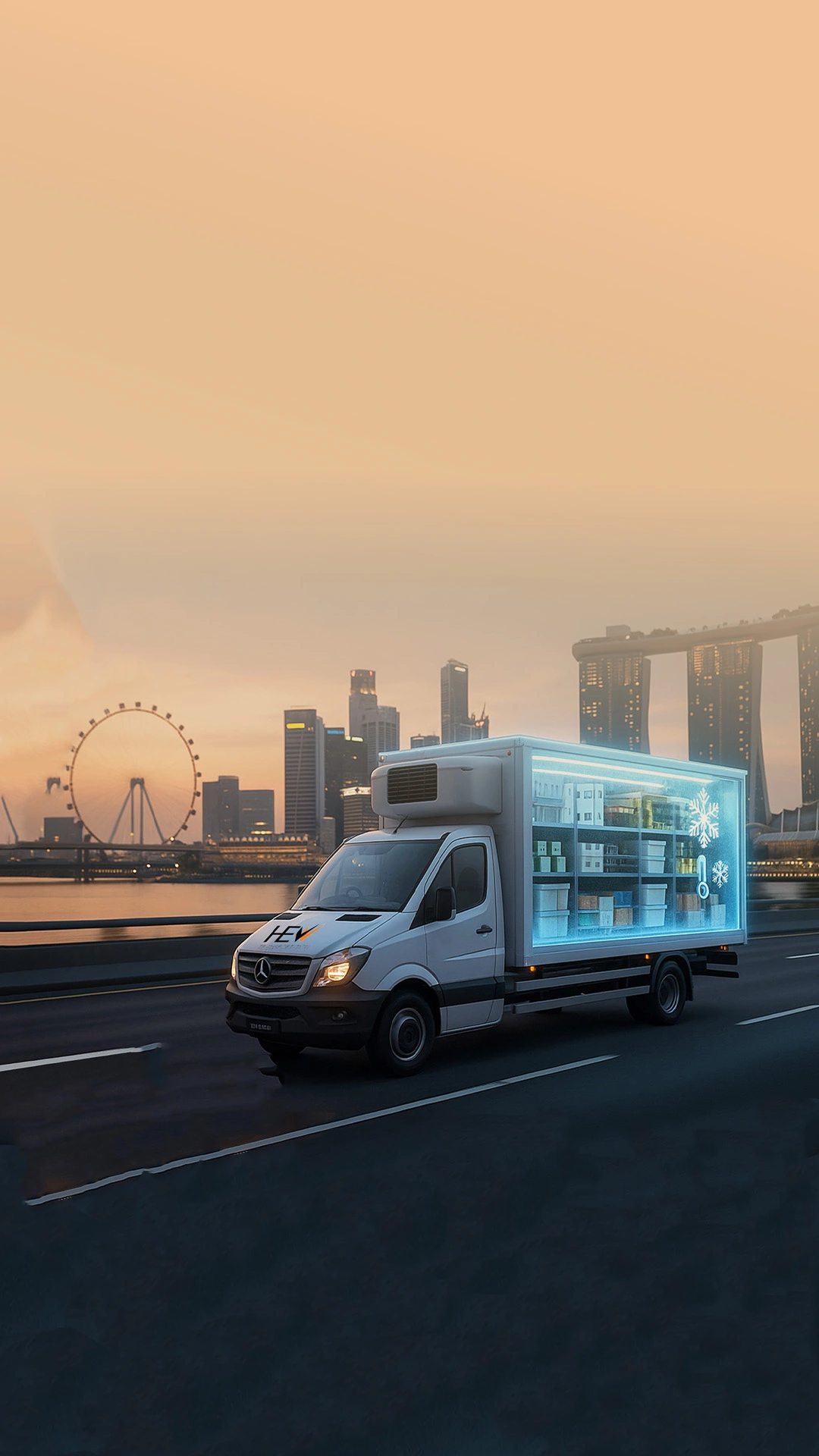
Specialized refrigerated trucks maintain frozen temperatures during transit.
Cold Chain Monitoring
Continuous monitoring ensures products remain within required temperature ranges.
Delivery Scheduling
Efficient scheduling minimizes transit time and maintains product quality.
Professional Handling
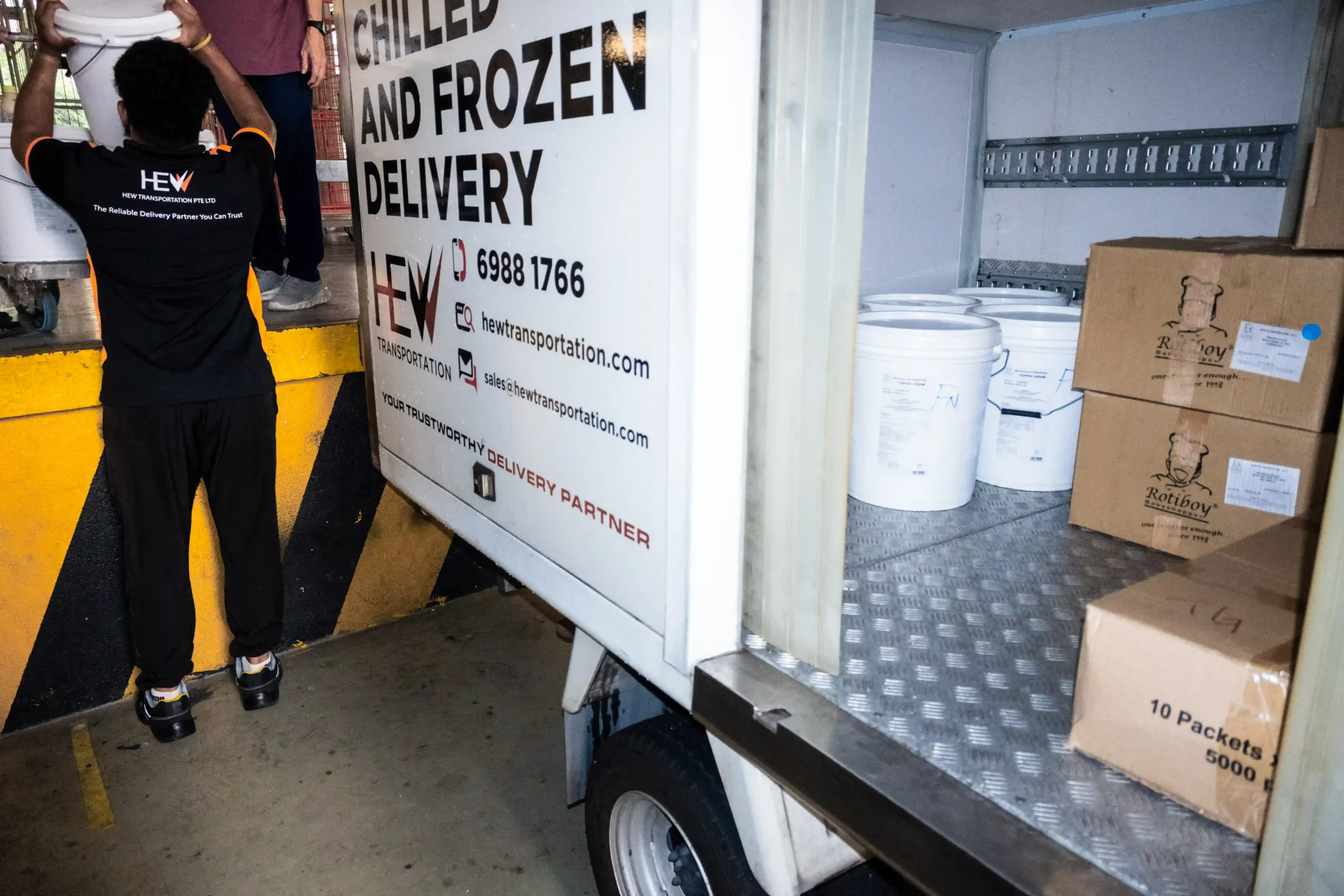
Proper loading and unloading procedures reduce the risk of temperature exposure.
Regulatory Compliance
Logistics providers follow food safety standards to protect consumers.
Common Challenges in Frozen Food Logistics
Managing frozen shipments involves unique operational challenges.
Temperature Fluctuations
Even small temperature changes can affect food quality.
Delivery Delays
Traffic congestion and unexpected disruptions can impact delivery schedules.
Equipment Reliability
Cold storage equipment and refrigerated vehicles require regular maintenance.
Rising Transportation Costs
Fuel prices and refrigeration equipment contribute to higher logistics expenses. Professional frozen food logistics providers help businesses minimize these risks.
Best Practices for Frozen Food Logistics
Businesses can improve frozen transportation performance by following several best practices.
1. Maintain Continuous Temperature Monitoring
Monitor products throughout transportation to protect food quality.
2. Optimize Delivery Routes
Shorter transit times reduce product exposure and operating costs.
3. Schedule Deliveries Carefully
Proper scheduling minimizes unnecessary delays.
4. Train Logistics Personnel
Well-trained drivers and warehouse staff help maintain cold chain integrity.
5. Use High-Quality Refrigeration Equipment
Reliable cooling systems ensure consistent product temperatures throughout transportation.
Frozen Food Logistics in Singapore and Equipment for Frozen Shipments
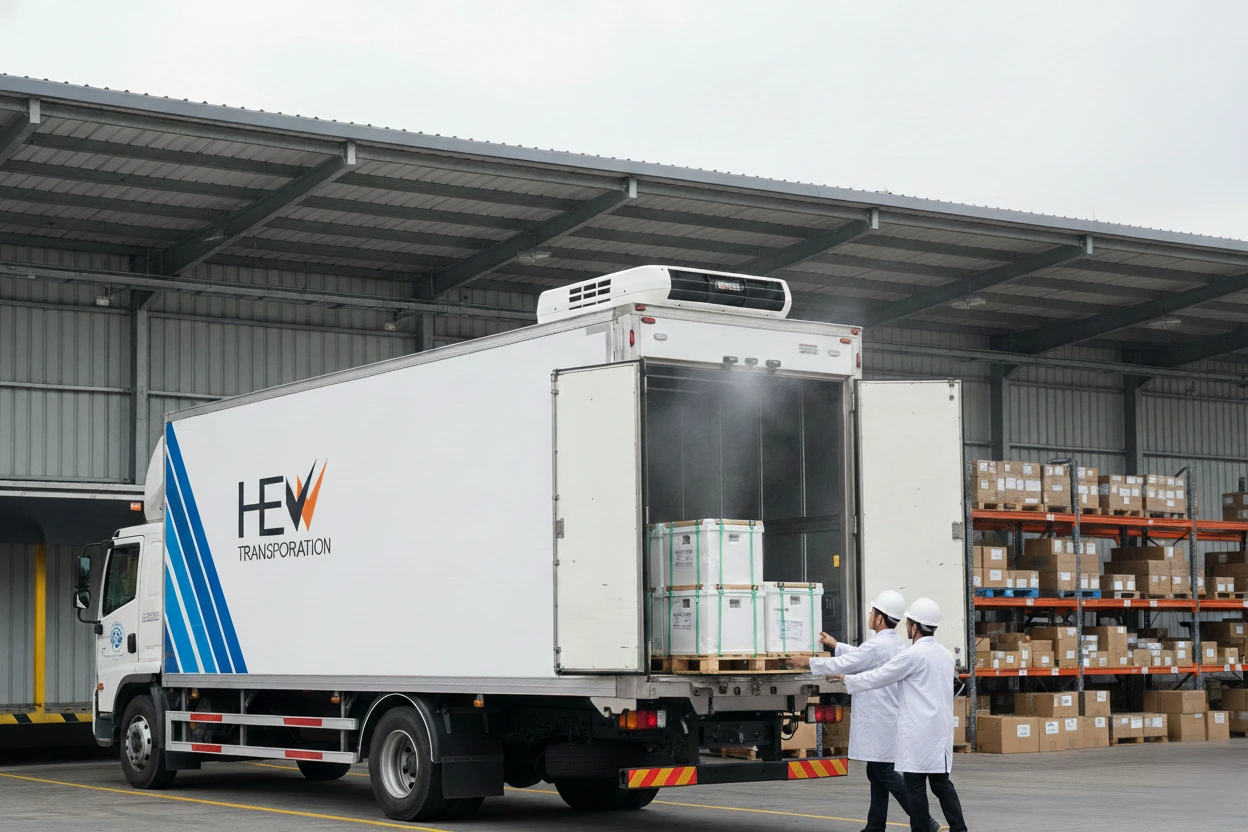
The success of frozen transportation depends heavily on using the right equipment for frozen shipments. High-quality refrigeration systems, insulated containers, temperature monitoring devices, and properly maintained refrigerated vehicles all contribute to maintaining product quality throughout the delivery process.
Businesses that invest in suitable frozen shipment equipment reduce spoilage risks, improve operational efficiency, and ensure compliance with food safety standards.
Case Example: Improving Frozen Food Distribution Efficiency
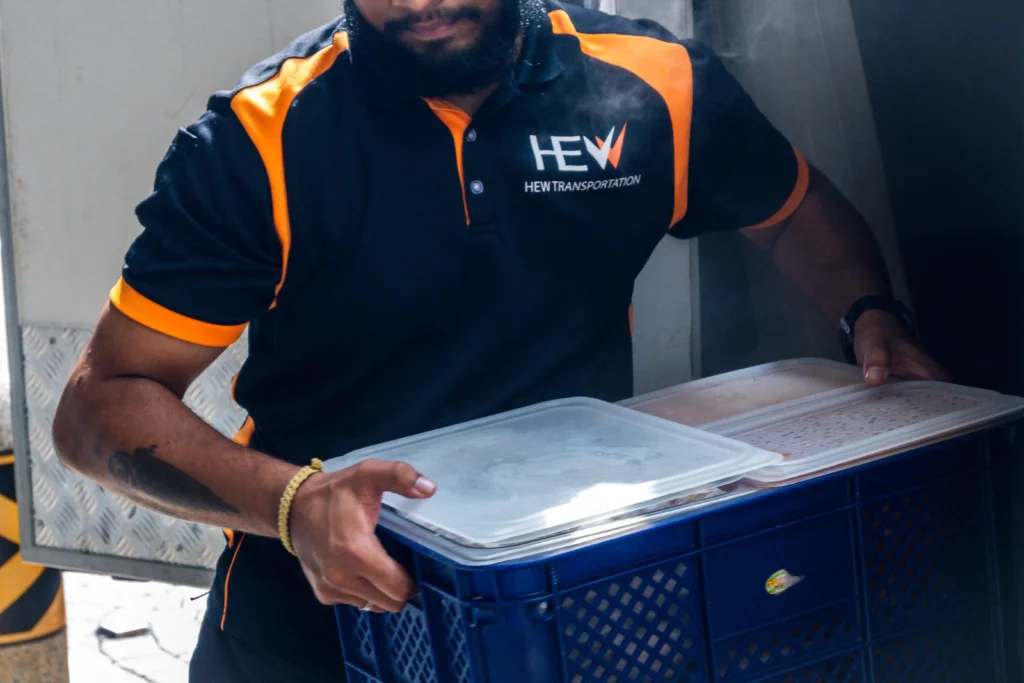
A frozen food distributor supplying supermarkets across Singapore experienced product losses due to inconsistent temperature control.
Challenges
- Product spoilage
- Delivery delays
- Limited shipment visibility
- Increasing transportation costs
Solutions Implemented
The company introduced:
- Refrigerated fleet upgrades
- GPS tracking
- Temperature monitoring systems\
- Optimized delivery routes
Results
After implementation:
- Product spoilage decreased significantly
- Delivery reliability improved
- Customer satisfaction increased
- Operational efficiency improved considerably
This example demonstrates how effective frozen food logistics contributes directly to business success.
Future Trends in Frozen Food Logistics in Singapore
Cold chain logistics continues to evolve alongside advances in technology.
Smart Temperature Monitoring
IoT sensors provide continuous temperature visibility throughout transportation.
Artificial Intelligence
AI improves:
- Route optimization
- Delivery scheduling
- Demand forecasting
Sustainable Refrigeration
Businesses increasingly adopt environmentally friendly refrigeration systems.
Automated Cold Chain Management
Automation improves operational efficiency while reducing manual errors. These innovations continue to strengthen frozen food logistics in Singapore.
Conclusion: Partner with HEW Transportation for Reliable Frozen Food Logistics in Singapore
Reliable frozen food logistics in Singapore is essential for businesses that require safe, efficient, and temperature-controlled transportation. Maintaining cold chain integrity protects food quality, supports regulatory compliance, and improves customer satisfaction.
At HEW Transportation, we specialize in professional frozen logistics solutions supported by modern refrigerated vehicles, experienced logistics professionals, and efficient transportation management. Our commitment to maintaining strict temperature control helps businesses transport frozen products safely and reliably across Singapore.
Whether you distribute frozen foods to supermarkets, restaurants, retailers, or commercial clients, HEW Transportation provides dependable cold chain logistics solutions designed to support your business growth.
Pro Tip: Don’t compromise your cold chain. Invest in reliable temperature-controlled transportation, monitor every shipment carefully, and partner with an experienced logistics provider like HEW Transportation to protect product quality and strengthen your supply chain.
FAQs (Frequently Ask Question)
What is frozen food logistics in Singapore?
Frozen food logistics in Singapore involves transporting and storing frozen products under controlled temperatures to maintain food safety and quality.
Why is temperature control important for frozen food logistics?
Consistent temperature prevents spoilage, preserves product quality, and ensures compliance with food safety standards.
Which businesses use frozen food logistics services?
Restaurants, supermarkets, food manufacturers, importers, distributors, and online grocery businesses commonly use frozen logistics services.
What temperature is typically required for frozen food transportation?
Most frozen foods are transported at -18°C or below to maintain quality and safety.
How can businesses improve frozen food transportation efficiency?
Using refrigerated vehicles, real-time temperature monitoring, optimized delivery routes, and experienced logistics partners helps improve efficiency and reduce product loss.