Last Mile Delivery Optimization: A Complete Overview
Last mile delivery optimization is the process of improving the final stage of the delivery journey, where goods are transported from a distribution hub or warehouse to the customer’s doorstep. It focuses on increasing delivery efficiency, minimizing transportation costs, shortening delivery times, and creating a better customer experience.
The “last mile” is often the most expensive and complex part of the logistics process. Traffic congestion, failed deliveries, inaccurate addresses, and inefficient routing can significantly impact operational costs and customer satisfaction.
In simple terms, last mile delivery optimization helps businesses deliver products faster, more accurately, and at a lower cost while maintaining a high level of service.
Why Last Mile Delivery Optimization Matters
Consumer expectations have changed dramatically over the past decade. Customers now expect:
- Same-day deliveries
- Real-time shipment tracking
- Accurate delivery updates
- Flexible delivery windows
- Reliable delivery services
Without effective last mile delivery optimization, businesses may face:
- High transportation costs
- Delivery delays
- Failed deliveries
- Poor customer experiences
- Lower operational efficiency
Optimizing the last mile allows companies to improve logistics performance while strengthening customer loyalty.
Key Benefits of Last Mile Delivery Optimization
| Benefit | Business Impact |
|---|---|
| Faster Deliveries | Higher customer satisfaction |
| Lower Delivery Costs | Improved profitability |
| Better Route Planning | Reduced travel time |
| Improved Fleet Utilization | Greater operational efficiency |
| Real-Time Visibility | Better shipment tracking |
| Higher Delivery Success Rate | Fewer failed deliveries |
How Last Mile Delivery Optimization Works
Successful optimization combines planning, technology, and experienced logistics management.
Step 1: Order Processing
Customer orders are received and prepared for dispatch.
Step 2: Delivery Planning
Shipments are grouped based on:
- Delivery location
- Vehicle capacity
- Delivery priority
- Customer time windows
Step 3: Route Optimization
Efficient delivery routes are created to minimize travel time and fuel consumption.
Step 4: Real-Time Monitoring
GPS technology enables logistics teams to monitor deliveries throughout the journey.
Step 5: Successful Final Delivery
Drivers complete deliveries while recording proof of delivery and updating shipment status.
Common Challenges in Last Mile Delivery
The final delivery stage presents several operational challenges.
Traffic Congestion
Urban environments often experience delays caused by heavy traffic.
Failed Deliveries
Incorrect addresses or unavailable recipients increase delivery costs.
Rising Customer Expectations
Customers increasingly expect:
- Same-day delivery
- Flexible scheduling
- Accurate delivery notifications
Increasing Transportation Costs
Fuel prices, labor costs, and vehicle maintenance continue to affect logistics budgets. Effective optimization strategies help businesses overcome these obstacles.
Key Components of Last Mile Delivery Optimization
Several factors contribute to a successful delivery operation.
Smart Route Planning
Efficient route planning minimizes unnecessary travel and improves delivery speed.
Real-Time Shipment Tracking
Customers appreciate transparency throughout the delivery process.
Tracking systems provide:
- Delivery status
- Estimated arrival time
- Driver location
- Proof of delivery
Fleet Management
Managing vehicle availability helps maximize delivery capacity.
Delivery Performance Analytics
Businesses monitor important metrics such as:
- On-time delivery rate
- Failed delivery percentage
- Cost per delivery
- Customer satisfaction
Industries That Benefit from Last Mile Delivery Optimization
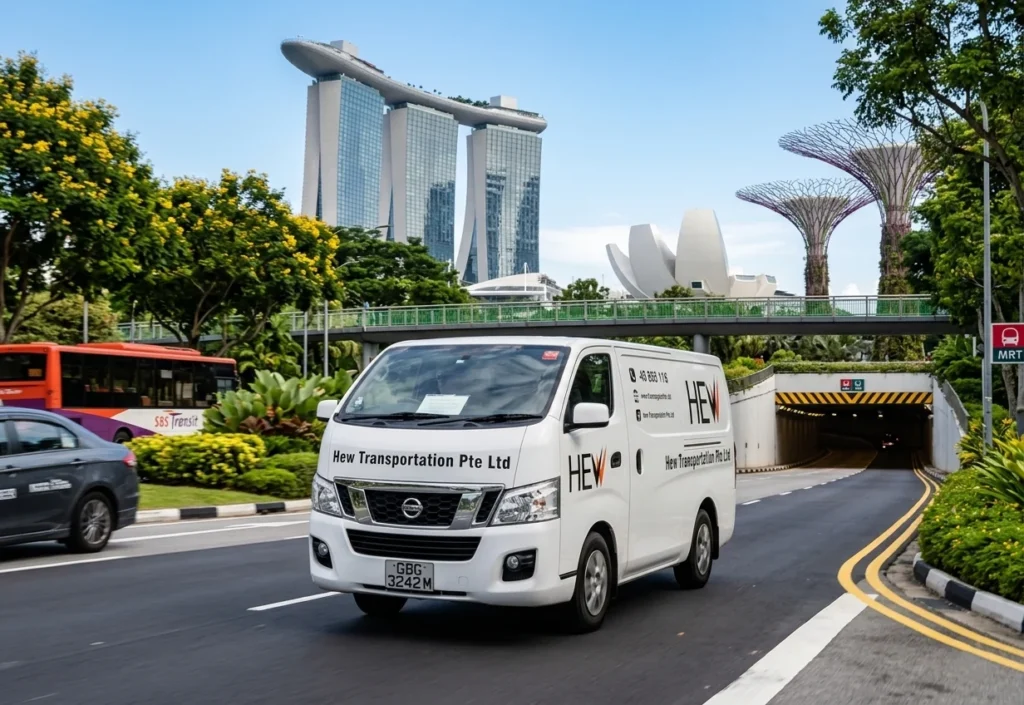
Many industries depend on efficient last mile logistics.
E-Commerce
Fast deliveries help online retailers remain competitive.
Retail
Retail businesses rely on optimized deliveries for inventory replenishment and customer fulfillment.
Food and Beverage
Fresh and frozen products require timely transportation.
Healthcare
Medical products often require urgent and reliable deliveries.
Manufacturing
Manufacturers depend on efficient distribution to customers and business partners.
Best Practices for Improving Last Mile Delivery
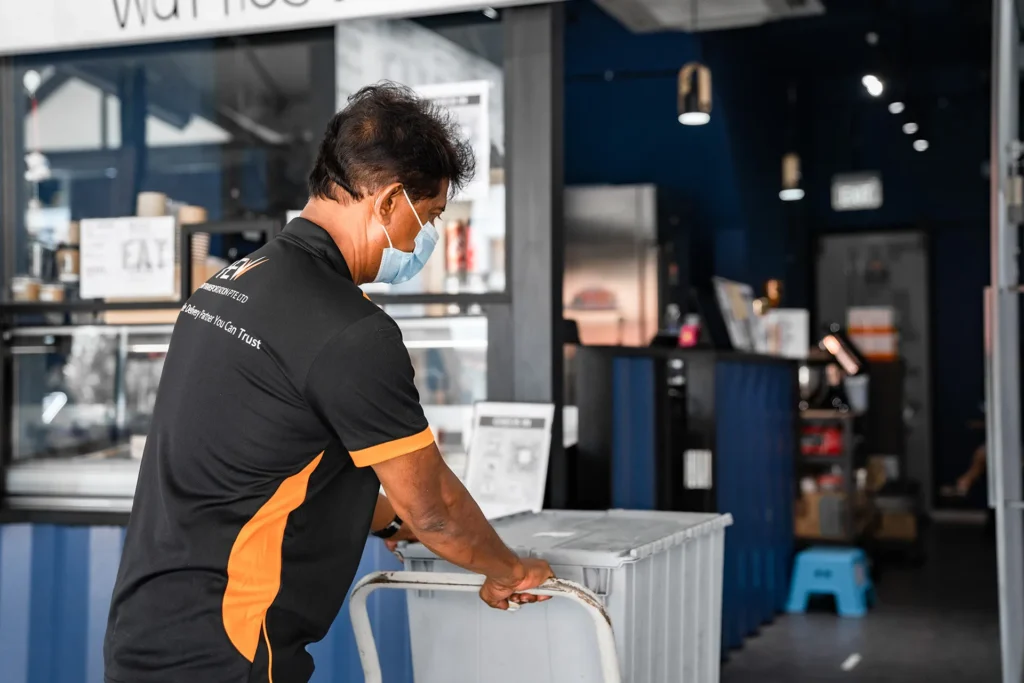
Businesses can improve delivery performance by following these best practices.
1. Implement Real-Time Tracking
Tracking technology increases visibility and improves communication.
2. Optimize Delivery Routes
Businesses should regularly evaluate delivery route optimization strategies to reduce mileage, improve driver productivity, and lower transportation costs.
3. Use Delivery Management Software
Digital platforms help coordinate drivers, vehicles, and customer communications.
4. Analyze Delivery Performance
Review key indicators including:
- Average delivery time
- Delivery accuracy
- Customer feedback
- Fuel consumption
5. Communicate with Customers
Automated notifications reduce uncertainty and improve customer satisfaction.
Case Example: Optimizing Last Mile Deliveries
A regional retailer experienced frequent delivery delays during peak shopping periods.
Challenges
- Long delivery routes
- High fuel costs
- Customer complaints
- Inefficient scheduling
Solutions Implemented
The company introduced:
- Route optimization software\
- GPS fleet tracking
- Automated dispatch planning
- Delivery performance dashboards
Results
After implementation:
- Delivery times improved by 27%
- Fuel costs decreased by 16%
- Customer satisfaction increased
- Driver productivity improved significantly
This demonstrates how last mile delivery optimization directly contributes to operational efficiency and customer satisfaction.
Future Trends in Last Mile Delivery Optimization
The logistics industry continues to evolve with new technologies.
Artificial Intelligence
AI improves:
- Route planning
- Delivery scheduling
- Demand forecasting
Predictive Analytics
Businesses can identify potential delivery disruptions before they occur.
Smart Fleet Management
Connected vehicles provide better visibility and operational control.
Sustainable Logistics
Companies increasingly focus on reducing emissions through optimized delivery routes and eco-friendly transportation methods.
These innovations will continue transforming last mile logistics over the coming years.
Conclusion: Improve Your Last Mile Delivery with HEW Transportation
Last mile delivery optimization is one of the most important strategies for businesses looking to improve delivery speed, reduce operating costs, and create exceptional customer experiences. Optimizing the final stage of the delivery journey allows organizations to remain competitive in today’s fast-moving logistics landscape.
At HEW Transportation, we provide professional transportation and logistics solutions designed to help businesses optimize every stage of their supply chain. From route planning and fleet coordination to reliable last mile delivery services, our experienced team delivers customized solutions that improve efficiency and operational performance.
If your business is looking for a trusted logistics partner to enhance delivery reliability and streamline operations, visit HEW Transportation today to discover how our tailored logistics solutions can support your business growth.
Pro Tip: Review your delivery performance regularly, adopt modern logistics technology, and partner with an experienced transportation provider like HEW Transportation to build a faster, smarter, and more cost-effective last mile delivery operation.
FAQs (Frequently Ask Question)
What is last mile delivery optimization?
Last mile delivery optimization is the process of improving the final stage of delivery to reduce costs, increase speed, and improve customer satisfaction.
Why is last mile delivery important?
The last mile is often the most expensive and complex part of the delivery process, making optimization essential for operational efficiency.
How does route optimization improve last mile deliveries?
It reduces travel distance, lowers fuel consumption, minimizes delays, and helps drivers complete more deliveries efficiently.
Which industries benefit from last mile delivery optimization?
E-commerce, retail, healthcare, food distribution, manufacturing, and courier services all benefit from optimized last mile operations.
What technologies support last mile delivery optimization?
Common technologies include GPS tracking, route optimization software, AI-powered scheduling, delivery management systems, and real-time shipment tracking.