Delivery Route Optimization: A Complete Overview
Delivery route optimization is the process of determining the most efficient routes for transporting goods from one location to another. It uses data, technology, and logistics planning to reduce travel time, minimize fuel consumption, improve delivery performance, and maximize operational efficiency.
As businesses handle increasing delivery volumes and rising customer expectations, delivery route optimization has become an essential component of modern logistics management. Companies that optimize their routes can reduce operational costs while ensuring faster and more reliable deliveries.
In simple terms, delivery route optimization helps businesses deliver more shipments in less time while using fewer resources.
Why Delivery Route Optimization Matters for Modern Businesses

Transportation is often one of the largest operational expenses for logistics-dependent organizations.
Businesses today face challenges such as:
- Rising fuel prices
- Traffic congestion
- Growing delivery volumes
- Customer demand for faster deliveries
- Pressure to improve efficiency
Without proper route optimization, companies may experience:
- Higher transportation costs
- Delayed deliveries
- Increased fuel consumption
- Driver inefficiencies
- Reduced customer satisfaction
Delivery route optimization helps organizations overcome these challenges while improving overall logistics performance.
Key Benefits of Delivery Route Optimization
| Benefit | Business Impact |
|---|---|
| Reduced Fuel Costs | Lower transportation expenses |
| Faster Deliveries | Improved customer satisfaction |
| Better Fleet Utilization | Increased productivity |
| Reduced Vehicle Wear | Lower maintenance costs |
| Improved Driver Efficiency | More deliveries per route |
| Enhanced Sustainability | Reduced carbon emissions |
How Delivery Route Optimization Works
Modern route optimization combines logistics expertise with advanced technology.
Step 1: Data Collection
The system gathers important delivery information, including:
- Delivery addresses
- Delivery time windows
- Vehicle capacity
- Traffic conditions
- Road restrictions
Step 2: Route Analysis
Optimization software evaluates multiple route options to determine the most efficient path.
Step 3: Route Assignment
Drivers receive optimized delivery schedules and route instructions.
Step 4: Real-Time Monitoring
GPS tracking and live updates help adjust routes when necessary.
Step 5: Performance Evaluation
Businesses analyze delivery performance to identify opportunities for continuous improvement.
Key Factors That Affect Delivery Route Optimization
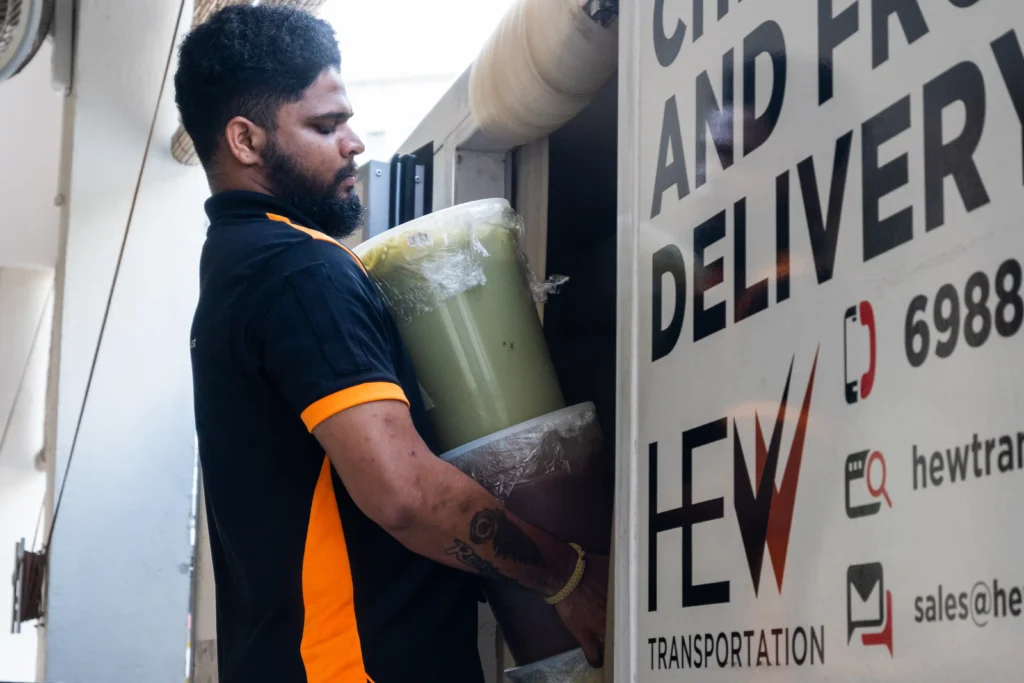
Several variables influence route efficiency.
Traffic Conditions
Heavy traffic can significantly increase delivery times and fuel consumption.
Delivery Time Windows
Specific customer delivery requirements may impact route planning.
Vehicle Capacity
The size and load limits of vehicles affect delivery scheduling.
Distance Between Stops
Efficient stop sequencing reduces unnecessary travel.
Driver Availability
Proper workforce planning ensures routes are completed efficiently.
Understanding these factors helps businesses create more effective delivery strategies.
Technologies Used in Delivery Route Optimization
Technology plays a major role in modern route planning.
GPS Tracking Systems
GPS provides real-time visibility into vehicle locations and delivery progress.
Route Optimization Software
Advanced software automatically calculates the most efficient delivery routes.
Artificial Intelligence
AI helps businesses:
- Predict traffic patterns
- Improve route planning
- Forecast delivery demand
Delivery Management Platforms
Integrated systems help coordinate deliveries, drivers, and customer communications.
Industries That Benefit from Delivery Route Optimization
Many industries rely on route optimization to improve logistics performance.
E-Commerce
Online retailers require efficient deliveries to meet customer expectations.
Courier Services
Courier companies use route optimization to maximize delivery capacity.
Food and Beverage
Timely deliveries help maintain product freshness and customer satisfaction.
Healthcare
Medical deliveries often require precise scheduling and route planning.
Retail Distribution
Retailers use optimized routes to replenish inventory efficiently.
Common Challenges Without Route Optimization
Businesses that fail to optimize routes often experience operational issues.
Increased Fuel Expenses
Poor route planning leads to unnecessary mileage and higher fuel costs.
Delivery Delays
Inefficient routes often result in missed delivery windows.
Lower Driver Productivity
Drivers may spend more time traveling than delivering.
Customer Dissatisfaction
Late deliveries can negatively affect customer loyalty and brand reputation.
Delivery route optimization helps eliminate many of these challenges.
Best Practices for Effective Delivery Route Optimization
Businesses can improve results by following proven strategies.
1. Utilize Real-Time Traffic Data
Live traffic information helps avoid delays and improve route accuracy.
2. Review Routes Regularly
Customer locations and delivery volumes may change over time.
3. Leverage Automation
Automated route planning reduces manual workload and improves consistency.
4. Monitor Performance Metrics
Track important KPIs such as:
- Delivery completion rate
- Fuel consumption
- Delivery time
- Cost per route
5. Integrate Logistics Systems
Connected systems improve visibility and operational efficiency.
Delivery Route Optimization and Scheduled Delivery Service
Businesses that operate recurring delivery schedules can significantly benefit from route optimization strategies.
Organizations using a scheduled delivery service often rely on route optimization to ensure deliveries remain predictable, cost-effective, and efficient.
When route optimization is combined with scheduled deliveries, businesses gain:
- Better delivery reliability
- Lower transportation costs
- Improved fleet utilization
- Enhanced customer satisfaction
Case Example: Improving Delivery Efficiency Through Route Optimization
A distribution company experienced rising transportation costs and frequent delivery delays.
Challenges
- High fuel expenses
- Traffic-related delays
- Inefficient delivery routes
- Customer complaints
Solutions Implemented
The company introduced:
- Route optimization software
- GPS fleet tracking
- Automated delivery scheduling
- Performance monitoring dashboards
Results
Within six months:
- Fuel costs decreased by 18%
- Delivery times improved by 25%
- Driver productivity increased
- Customer satisfaction scores improved
This example demonstrates how delivery route optimization can directly impact profitability and service quality.
Future Trends in Delivery Route Optimization
The logistics industry continues to evolve rapidly.
Artificial Intelligence and Machine Learning
AI-powered systems can continuously improve route planning based on real-world data.
Predictive Analytics
Businesses can forecast traffic conditions and delivery demand more accurately.
Smart Fleet Management
Connected vehicles provide enhanced operational visibility.
Sustainable Logistics
Route optimization contributes to environmental goals by reducing fuel consumption and carbon emissions.
These innovations will continue shaping the future of logistics operations.
Conclusion: Optimize Your Deliveries with HEW Transportation
Delivery route optimization is one of the most effective ways to improve logistics efficiency, reduce transportation costs, and enhance customer satisfaction. Businesses that invest in smarter route planning gain a significant competitive advantage while improving operational performance.
At HEW Transportation, we provide advanced transportation and logistics solutions designed to help businesses optimize routes, improve delivery reliability, and maximize efficiency. Our experienced logistics professionals use proven strategies and modern technology to create customized transportation solutions that support your operational goals.
Whether you manage daily deliveries, recurring transportation schedules, or large-scale distribution operations, HEW Transportation can help you achieve better results through professional route optimization services.
Pro Tip
Don’t wait for rising transportation costs to affect your profitability. Review your delivery routes regularly, leverage modern optimization tools, and partner with an experienced logistics provider like HEW Transportation to improve efficiency and drive long-term business growth.
FAQs (Frequently Ask Questions)
What is delivery route optimization?
Delivery route optimization is the process of finding the most efficient routes to reduce travel time, fuel costs, and delivery delays.
Why is delivery route optimization important?
It helps businesses improve delivery efficiency, lower operational costs, and increase customer satisfaction.
How does route optimization reduce fuel costs?
By minimizing unnecessary mileage and selecting the most efficient routes, businesses use less fuel.
What industries benefit from delivery route optimization?
E-commerce, courier services, retail, healthcare, manufacturing, and food distribution businesses all benefit from optimized routes.
Can route optimization improve delivery reliability?
Yes. Optimized routes help drivers meet delivery schedules more consistently and reduce delays.