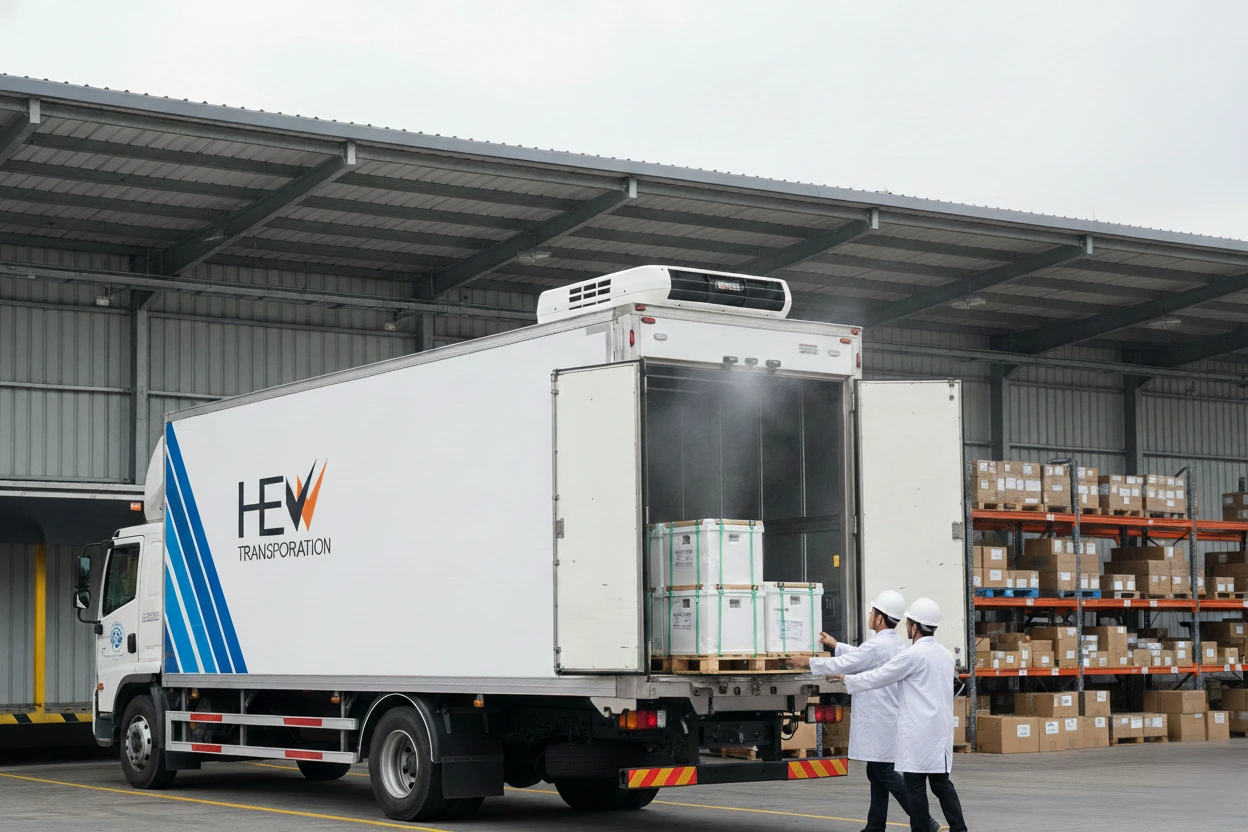
Scheduled Delivery Service: A Complete Overview
A scheduled delivery service is a logistics solution that allows businesses to plan and arrange deliveries at predetermined times, dates, or recurring intervals. Unlike on-demand deliveries, scheduled delivery services operate according to a fixed timetable, helping businesses maintain consistency, improve operational efficiency, and better manage customer expectations.
As supply chains become more complex and customer demands continue to increase, companies need dependable transportation solutions that provide predictable delivery schedules. Whether delivering inventory, retail products, medical supplies, corporate documents, or industrial equipment, a scheduled delivery service helps ensure shipments arrive exactly when needed.
In simple terms, a scheduled delivery service gives businesses greater control over their logistics operations while reducing uncertainty and improving reliability.
Why Scheduled Delivery Services Matter for Modern Businesses

Businesses today operate in highly competitive markets where timing can significantly impact customer satisfaction and profitability.
Companies increasingly require:
- Consistent delivery schedules
- Reliable transportation solutions
- Better inventory management
- Improved customer experiences
- Lower logistics costs
Without a scheduled delivery service, organizations may face:
- Delivery inconsistencies
- Inventory shortages
- Higher transportation expenses
- Operational disruptions
- Customer dissatisfaction
A structured delivery schedule allows businesses to operate more efficiently while improving supply chain visibility.
Key Benefits of a Scheduled Delivery Service
| Benefit | Business Impact |
|---|---|
| Predictable Deliveries | Improved planning and operations |
| Better Inventory Control | Reduced stock shortages |
| Lower Transportation Costs | More efficient route planning |
| Improved Customer Satisfaction | Reliable delivery expectations |
| Greater Operational Efficiency | Streamlined workflows |
| Scalable Logistics Support | Supports business growth |
How a Scheduled Delivery Service Works

A scheduled delivery service follows a structured process that prioritizes consistency and efficiency.
Step 1: Delivery Planning
Businesses establish recurring delivery schedules based on operational requirements.
Examples include:
- Daily deliveries
- Weekly deliveries
- Monthly shipments
- Customized schedules
Step 2: Route Optimization
Delivery routes are planned in advance to maximize efficiency.
Benefits include:
- Reduced travel time
- Lower fuel costs
- Improved delivery reliability
Step 3: Shipment Preparation
Goods are prepared and organized according to scheduled delivery times.
Step 4: Transportation and Tracking
Shipments are transported using planned routes and monitored throughout the journey.
Businesses can track:
- Shipment location
- Delivery status
- Estimated arrival times
Step 5: Delivery Confirmation
Once delivered, proof of delivery is recorded and shared with the customer when required.
Industries That Benefit from Scheduled Delivery Services
Many industries depend on recurring deliveries to maintain smooth operations.
Retail
Retail stores require regular inventory replenishment to keep shelves stocked.
Healthcare
Hospitals, clinics, and pharmacies often need scheduled deliveries of medical supplies and equipment.
Manufacturing
Manufacturers depend on timely deliveries of raw materials and components.
Food and Beverage
Restaurants, distributors, and grocery suppliers often operate on recurring delivery schedules.
Corporate Organizations
Businesses frequently schedule recurring deliveries of documents, office supplies, and equipment.
Key Features of an Effective Scheduled Delivery Service
Not all delivery services provide the same level of reliability and flexibility.
Consistent Delivery Scheduling
A quality provider ensures shipments arrive according to agreed timelines.
Real-Time Tracking
Visibility helps businesses monitor deliveries and respond quickly to unexpected issues.
Route Optimization
Advanced logistics planning improves efficiency while reducing transportation costs.
Flexible Scheduling Options
Businesses may require:
- Daily deliveries
- Weekly deliveries
- Multi-stop deliveries
- Customized recurring schedules
Professional Delivery Management
Experienced logistics providers coordinate shipments to ensure smooth operations.
Common Challenges Without Scheduled Delivery Services
Many businesses experience operational inefficiencies when delivery schedules are inconsistent.
Inventory Management Issues
Unpredictable deliveries can result in:
- Overstocking
- Stock shortages
- Delayed production
Increased Transportation Costs
Last-minute shipments often cost more than planned deliveries.
Poor Customer Experience
Late deliveries can negatively impact customer trust and satisfaction.
Reduced Operational Efficiency
Teams may spend valuable time managing delivery issues instead of focusing on core business activities.
A scheduled delivery service helps eliminate many of these common challenges.
Best Practices for Maximizing Scheduled Delivery Performance
Businesses can achieve better logistics outcomes by following proven strategies.
1. Establish Consistent Delivery Schedules
Predictability improves planning and operational efficiency.
2. Monitor Delivery Performance
Track important metrics such as:
- On-time delivery rate
- Delivery accuracy
- Transportation costs
- Customer satisfaction
3. Leverage Technology
Digital tools improve visibility and communication throughout the delivery process.
4. Optimize Delivery Routes
Regular route reviews help reduce fuel consumption and transit times.
5. Partner with Experienced Logistics Providers
Professional transportation companies can improve reliability and operational performance.
Scheduled Delivery Service and Parcel Delivery Management
A successful scheduled delivery strategy often relies on strong logistics coordination and shipment visibility.
Businesses looking to improve recurring deliveries should understand the importance of parcel delivery management and how it helps optimize shipment planning, tracking, route management, and overall delivery performance.
When scheduled delivery services are supported by effective parcel management systems, businesses gain:
- Better shipment visibility
- Improved route efficiency
- Reduced delivery delays
- Enhanced customer satisfaction
Case Example: Improving Efficiency with a Scheduled Delivery Service
A regional retailer struggled with inconsistent deliveries from multiple suppliers.
Challenges
- Inventory shortages
- Delivery delays
- Rising transportation costs
- Customer complaints
Solution Implemented
The company adopted a structured scheduled delivery service that included:
- Weekly inventory deliveries
- Optimized transportation routes
- Delivery tracking technology
- Centralized logistics coordination
Results
After implementation:
- Delivery reliability improved significantly
- Inventory shortages decreased
- Transportation costs were reduced
- Customer satisfaction increased
This demonstrates how a scheduled delivery service can create measurable operational improvements.
Future Trends in Scheduled Delivery Services
The logistics industry continues to evolve as businesses seek greater efficiency.
Artificial Intelligence
AI helps optimize:
- Delivery scheduling
- Route planning
- Demand forecasting
Predictive Logistics
Advanced analytics help businesses anticipate disruptions before they occur.
Automation
Automated systems reduce manual processes and improve delivery accuracy.
Sustainable Transportation
Companies increasingly prioritize environmentally responsible delivery solutions.
These innovations are shaping the future of scheduled delivery services and helping businesses operate more efficiently.
Conclusion: Choose HEW Transportation for Reliable Scheduled Delivery Services
A scheduled delivery service provides businesses with predictable logistics operations, improved efficiency, lower transportation costs, and better customer experiences. By implementing structured delivery schedules, organizations can streamline operations and focus on growth rather than logistics challenges.
At HEW Transportation, we specialize in reliable transportation and logistics solutions tailored to the needs of modern businesses. Our expertise in delivery coordination, route optimization, and supply chain management enables us to provide dependable scheduled delivery services that support operational excellence.
Whether your organization requires daily, weekly, or customized recurring deliveries, HEW Transportation is ready to help you improve efficiency, enhance reliability, and achieve your business goals through professional logistics support.
Pro Tip
Review your delivery schedules regularly, leverage shipment tracking technology, and partner with a trusted logistics provider like HEW Transportation to maximize efficiency and maintain a competitive advantage.
FAQs (Frequently Ask Questions)
What is a scheduled delivery service?
A scheduled delivery service provides deliveries at predetermined times or recurring intervals based on business needs.
Who can benefit from a scheduled delivery service?
Retailers, healthcare providers, manufacturers, food distributors, and corporate organizations commonly use scheduled delivery services.
How does a scheduled delivery service reduce costs?
It improves route planning, minimizes urgent shipments, and increases transportation efficiency.
Can scheduled delivery services be customized?
Yes. Businesses can arrange daily, weekly, monthly, or customized delivery schedules.
Why is scheduled delivery important for inventory management?
Consistent deliveries help maintain optimal stock levels, reduce shortages, and improve operational planning