What Are the Requirements for Pharma Delivery?
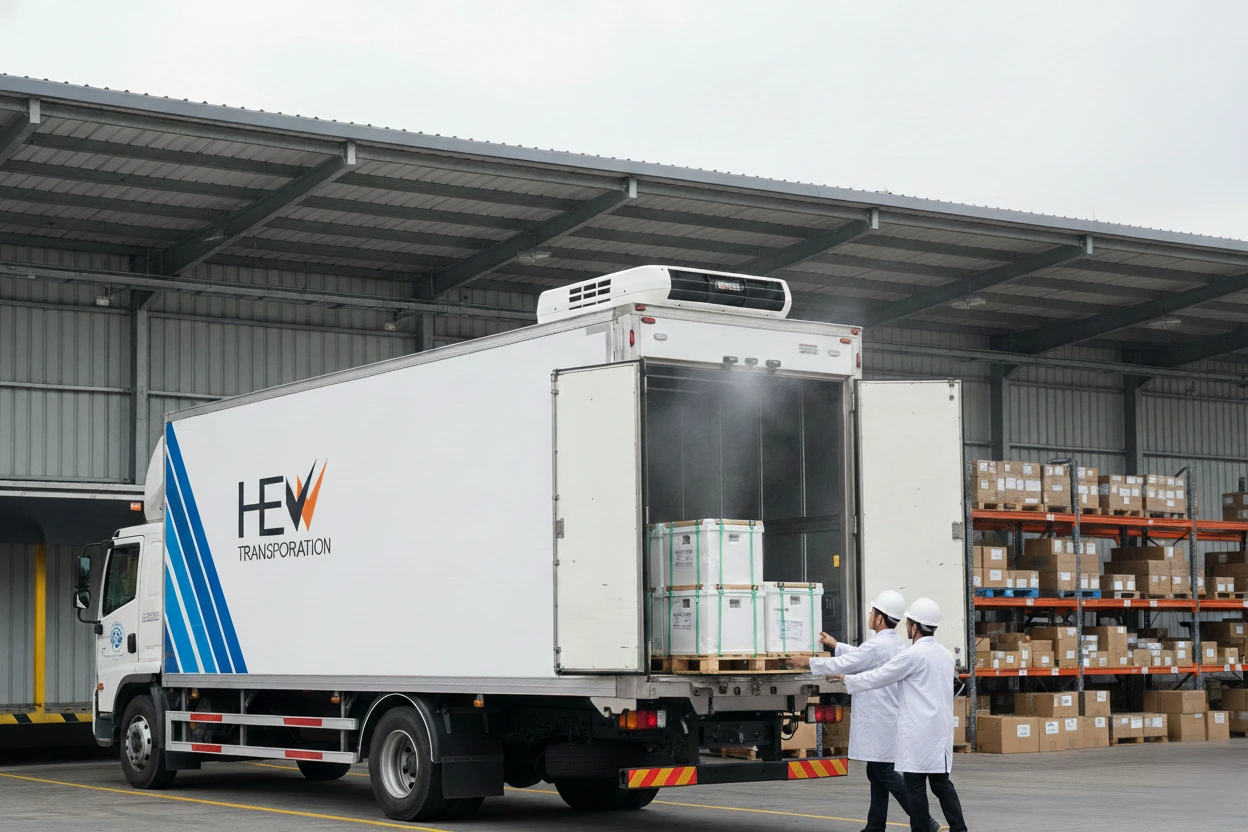
The requirements for pharma delivery refer to the strict standards and processes needed to safely transport pharmaceutical products such as vaccines, medicines, and biologics. These requirements are designed to ensure product integrity, regulatory compliance, and patient safety throughout the entire delivery journey.
Unlike standard logistics, pharmaceutical delivery demands precision, consistency, and full traceability. Even minor deviations in temperature, handling, or timing can compromise the effectiveness of medical products.
In simple terms, pharma delivery is not just about moving goods, it is about protecting lives through controlled and compliant logistics.
Why Pharma Delivery Has Strict Requirements
Pharmaceutical products are highly sensitive and often regulated by health authorities. Improper handling can lead to:
- Loss of product effectiveness
- Health risks for patients
- Regulatory penalties
- Financial losses for businesses
Because of these risks, pharma delivery must follow strict protocols at every stage.
Industry Insight
Studies in pharmaceutical logistics indicate that temperature excursions alone can account for up to 20% of product losses in global supply chains.
This highlights the importance of maintaining strict delivery standards.
Key Requirements for Pharma Delivery
1. Temperature Control and Cold Chain Management
Pharmaceutical products often require specific temperature ranges, such as:
- 2°C to 8°C for vaccines
- Controlled room temperature for certain medications
Maintaining these conditions throughout the delivery process is critical.
Pro Tip: Temperature consistency is non-negotiable, even short exposure to incorrect temperatures can render products ineffective.
2. Regulatory Compliance
Pharma delivery must comply with guidelines such as:
- Good Distribution Practice (GDP)
- Local health authority regulations
Compliance ensures that products are handled, stored, and transported safely.
Pro Tip: Always Verify Compliance Certifications, Working with certified logistics providers reduces compliance risks.
3. Secure Packaging and Handling
Pharmaceutical goods must be packed using:
- Insulated containers
- Tamper-proof packaging
- Shock-resistant materials
Proper packaging protects products from physical damage and contamination.
4. Real-Time Tracking and Monitoring
Advanced tracking systems monitor:
- Location
- Temperature
- Delivery status
This ensures full transparency and allows immediate action if issues arise.
5. Trained Personnel
Handling pharmaceutical products requires specialized training. Staff must understand:
- Temperature requirements
- Handling protocols
- Emergency procedures
Trained personnel reduce the risk of human error.
6. Timely and Controlled Delivery
Pharmaceutical deliveries often require strict timelines to maintain product stability. Delays can compromise product quality and patient safety.
Types of Pharmaceutical Products That Require Special Delivery
Vaccines
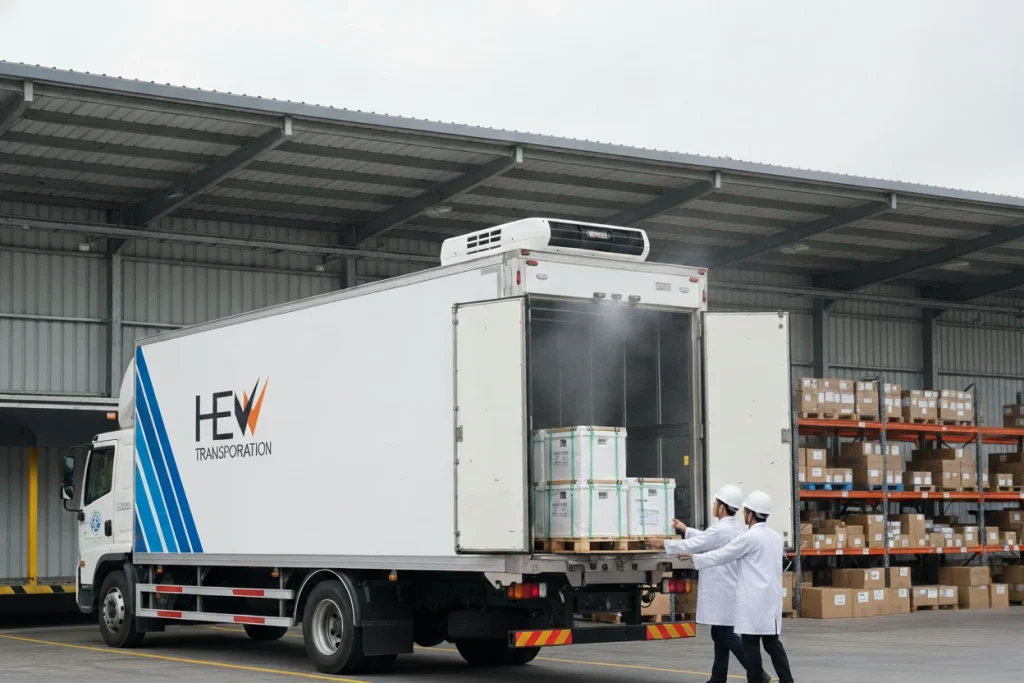
Highly sensitive to temperature changes and require strict cold chain management.
Biologics
Complex products that can degrade quickly without proper handling.
Prescription Medicines
Require controlled environments to maintain effectiveness.
Clinical Trial Materials
Must be delivered under strict protocols to ensure accuracy and compliance.
Pharma Delivery vs Standard Delivery
| Feature | Pharma Delivery | Standard Delivery |
|---|---|---|
| Temperature Control | Strict | Limited |
| Regulatory Compliance | Mandatory | Minimal |
| Handling Requirements | Specialized | General |
| Monitoring | Real-time | Basic |
| Risk Level | High | Moderate |
This comparison shows why pharma delivery requires a specialized approach.
Common Challenges in Pharma Delivery
Temperature Excursions
Unexpected temperature changes can damage products.
Regulatory Complexity
Different regions have different compliance requirements, making logistics more complex.
Delivery Delays
Time-sensitive products require precise scheduling and execution.
Handling Errors
Improper handling can lead to contamination or damage.
Best Practices for Meeting Pharma Delivery Requirements
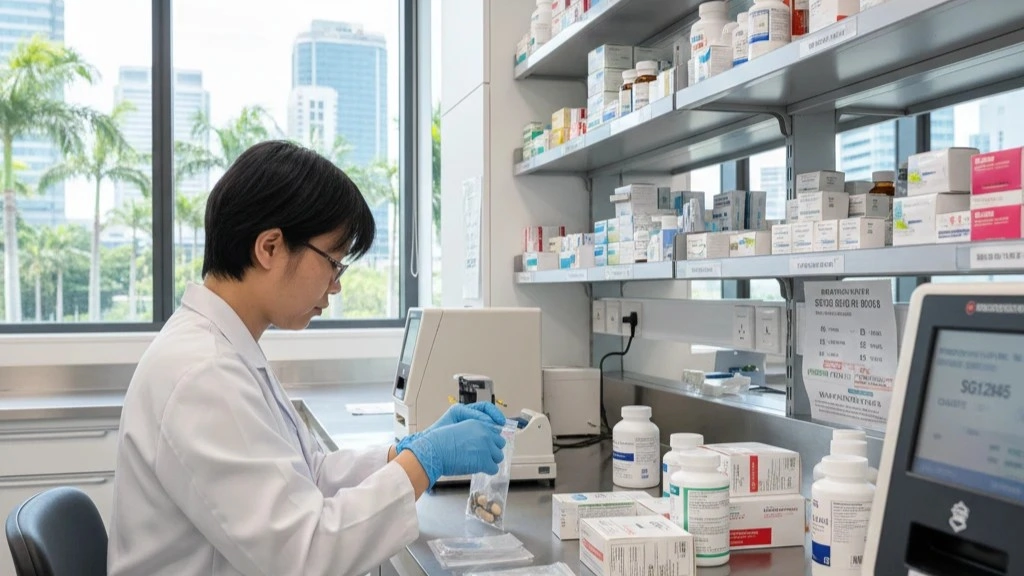
Use Certified Logistics Providers
Choosing the right logistics partner is critical for pharmaceutical delivery. A certified provider ensures compliance with regulatory standards, proper handling procedures, and reliable temperature-controlled transport.
Not all courier services are equipped to handle pharmaceutical requirements, so it’s important to evaluate their capabilities carefully.
To better understand what to look for when selecting a provider, refer to this guide on professional courier service in singapore, which explains the key factors businesses should consider before making a decision.
Implement Advanced Monitoring Systems
Real-time tracking helps detect and resolve problems quickly.
Standardize Handling Procedures
Clear protocols ensure consistency across all delivery stages.
Conduct Regular Audits
Regular checks help maintain compliance and identify areas for improvement.
Technology in Pharma Delivery
IoT Temperature Sensors
Provide continuous monitoring of environmental conditions.
GPS Tracking Systems
Enable real-time visibility of shipment location.
Automation and Data Logging
Ensure accurate record-keeping for compliance and audits.
Digital Proof of Delivery
Confirms successful and secure handover of products.
These technologies are essential for maintaining high standards in pharma logistics.
Conclusion: Ensure Safe and Compliant Pharma Delivery with the Right Partner
Understanding the requirements for pharma delivery is essential for businesses handling sensitive medical products. From temperature control to regulatory compliance, every step must be carefully managed to protect product integrity and patient safety.
As part of a reliable logistics ecosystem, having the right courier partner ensures that pharmaceutical deliveries are handled with precision and care.
To strengthen your delivery operations, visit hewtransportation.com and explore our courier services solutions. With the right expertise and systems in place, your business can achieve safe, compliant, and efficient pharmaceutical logistics.
FAQs (Frequently Asked Questions)
What are the main requirements for pharma delivery?
Temperature control, regulatory compliance, secure packaging, real-time tracking, and trained personnel.
Why is temperature control important in pharma delivery?
Because many pharmaceutical products lose effectiveness if exposed to incorrect temperatures.
What is GDP in pharma logistics?
Good Distribution Practice (GDP) ensures that medicines are consistently stored and transported under suitable conditions.
Can standard courier services handle pharma delivery?
Not always. Specialized courier services with proper equipment and training are required.
How can businesses ensure compliance in pharma delivery?
By working with certified logistics providers and implementing strict monitoring systems.