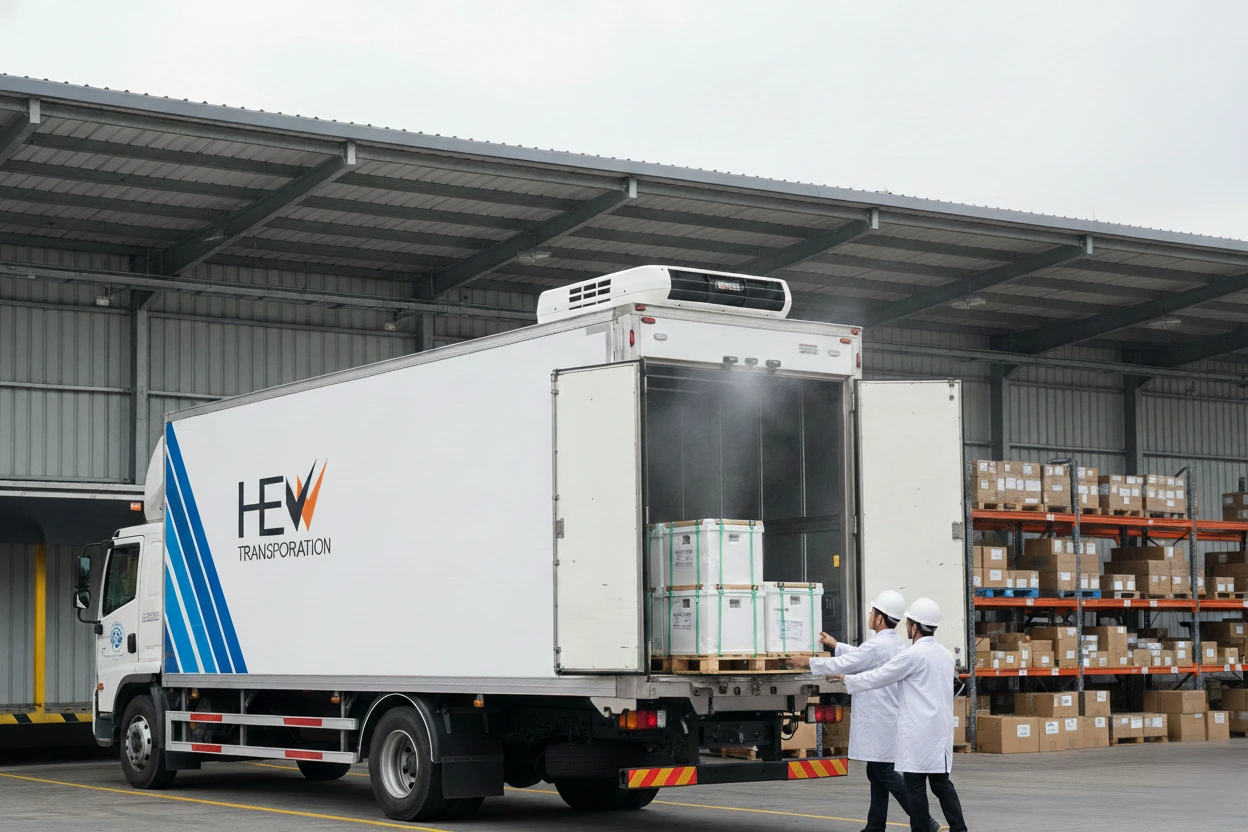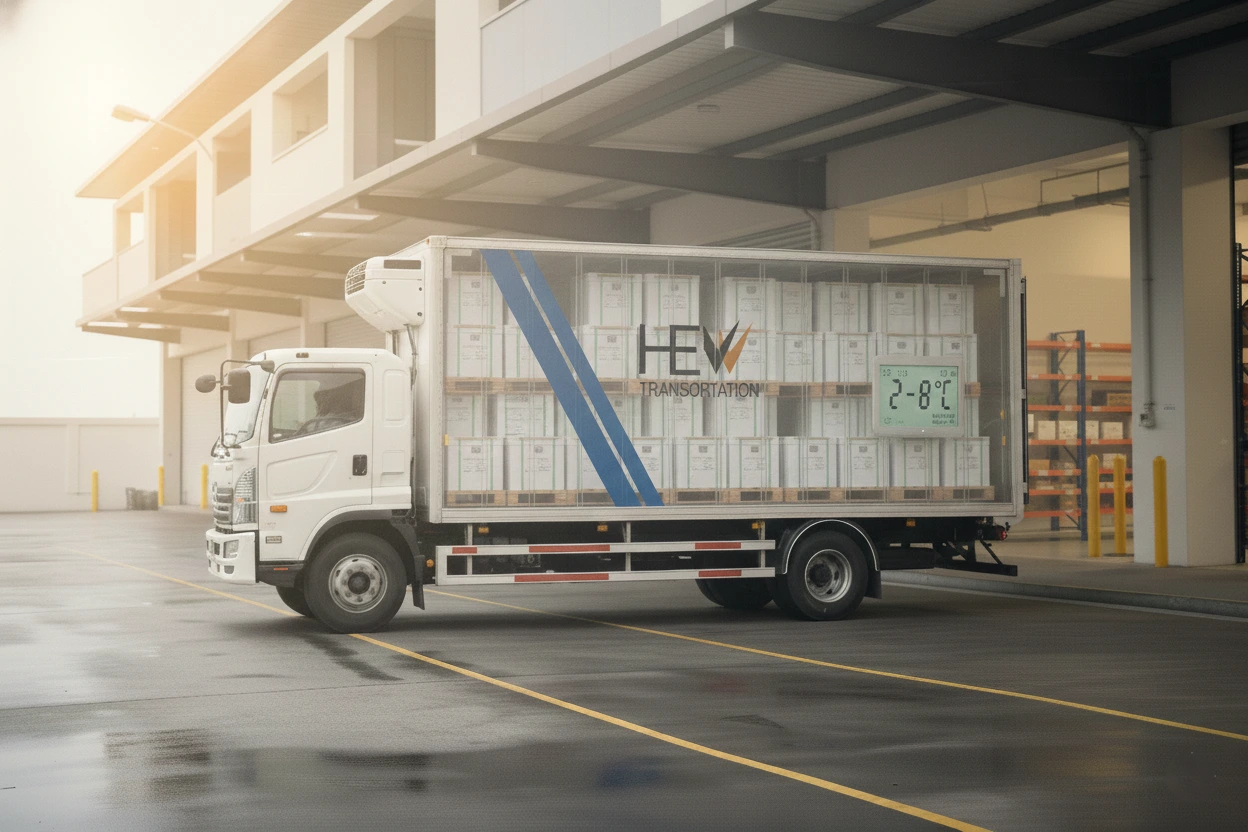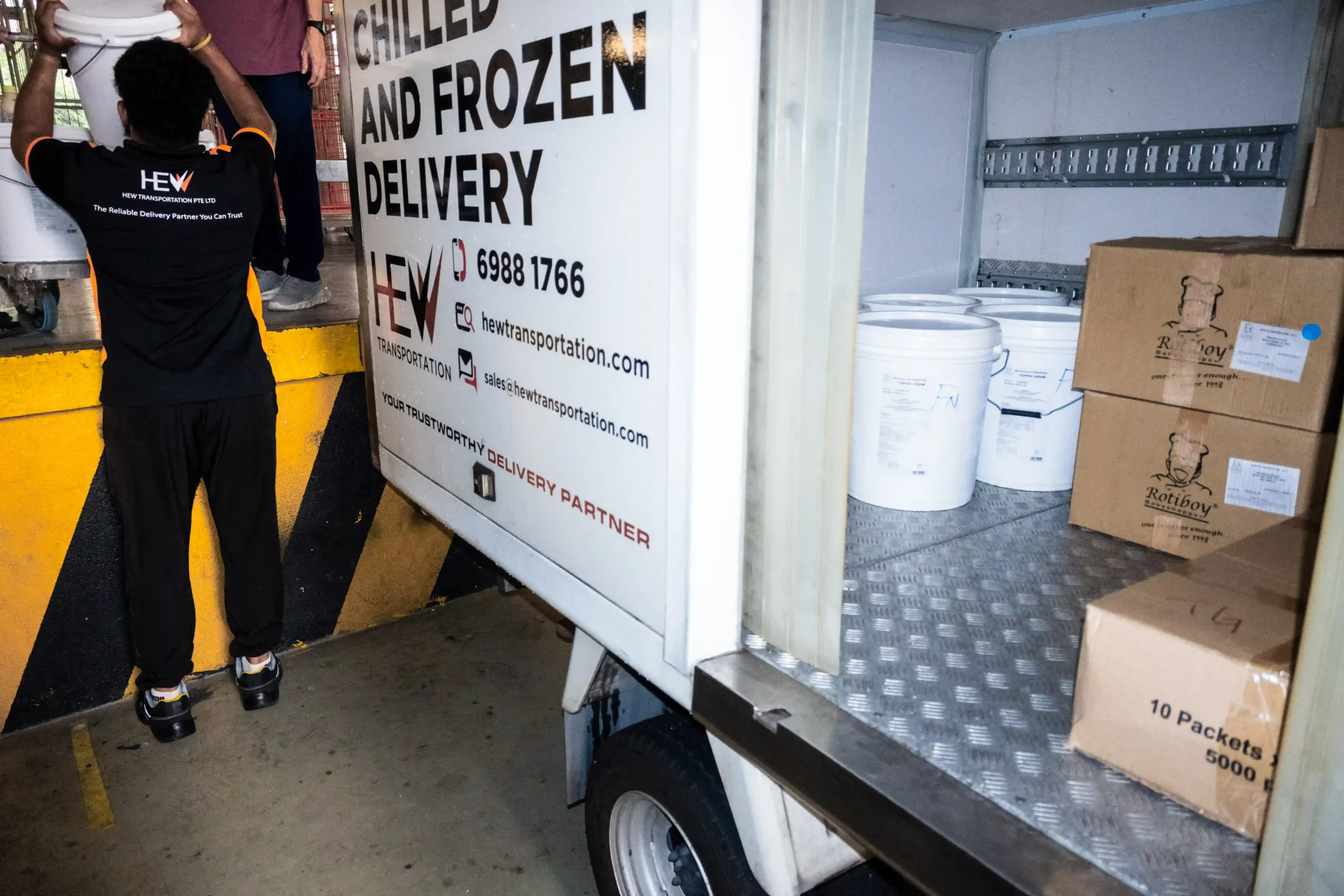
Reduce spoilage shipping refers to the strategies, technologies, and logistics practices used to minimize product damage, contamination, or quality loss during transportation. Businesses that transport frozen food, chilled products, pharmaceuticals, seafood, dairy items, and temperature-sensitive goods must focus heavily on reducing spoilage during shipping to protect both product quality and customer satisfaction.
In industries where freshness and temperature consistency matter, spoilage during transportation can lead to:
- Financial losses
- Product waste
- Customer complaints
- Regulatory issues
- Damage to brand reputation
This is why many businesses in Singapore are now investing in cold chain logistics, temperature-controlled transportation, and professional delivery systems to reduce spoilage shipping risks.
Whether transporting frozen seafood, dairy products, fresh produce, or pharmaceutical supplies, having the right logistics strategy can significantly improve operational reliability.
Why Reducing Spoilage Shipping Is Important for Businesses
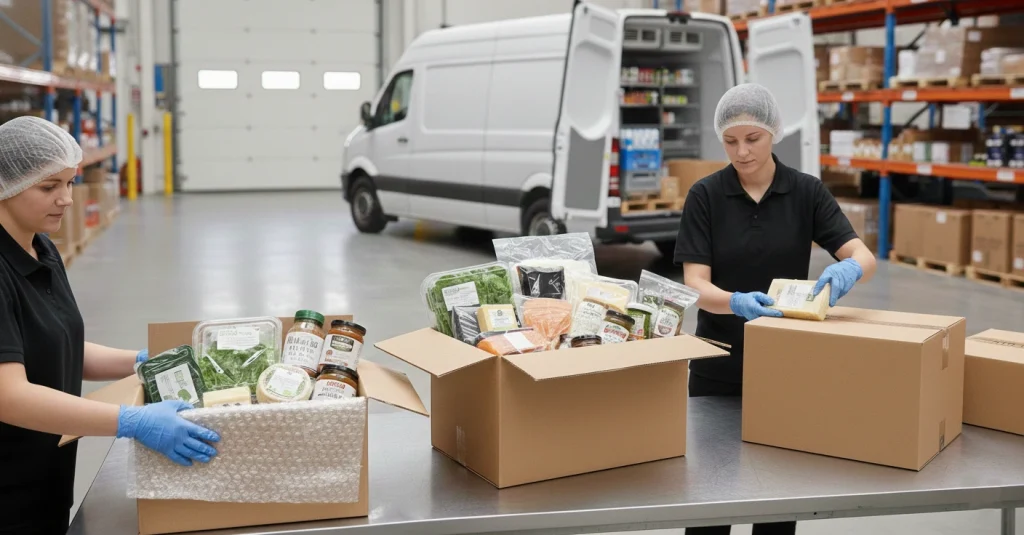
Spoilage during shipping affects more than just products. It impacts the entire supply chain and customer experience. Maintaining proper food safety transportation standards is essential for businesses that need to preserve freshness, comply with regulations, and protect product quality during delivery.
According to global food supply chain studies, a significant percentage of perishable goods are lost annually due to:
- Poor temperature management
- Delayed transportation
- Improper packaging
- Weak cold chain systems
For businesses handling sensitive products, even a small temperature fluctuation can reduce product quality.
Common Risks of Spoilage Shipping
| Spoilage Cause | Impact on Business |
|---|---|
| Temperature fluctuations | Product damage |
| Delayed deliveries | Reduced freshness |
| Poor packaging | Leakage or contamination |
| Inconsistent refrigeration | Compliance risks |
| Poor handling | Product waste |
Businesses that reduce spoilage shipping effectively often experience:
- Better customer trust
- Lower operational losses
- Improved delivery reliability
- Higher product quality standards
Pro Tip : Reducing spoilage shipping is not only about transportation speed. It also depends on temperature stability, handling procedures, and supply chain coordination.
Understanding Cold Chain Logistics and Spoilage Prevention
Cold chain logistics is one of the most effective ways to reduce spoilage shipping for temperature-sensitive goods.
Cold chain logistics involves:
- Refrigerated transportation
- Temperature monitoring
- Controlled storage conditions
- Fast and efficient delivery coordination
Products commonly requiring cold chain logistics include:
- Frozen food
- Seafood
- Dairy products
- Pharmaceuticals
- Medical supplies
- Fresh produce
Without proper cold chain systems, products can deteriorate quickly during transportation. For frozen food, pharmaceutical products, and chilled goods, professional cold chain logistics solutions help maintain stable temperatures and reduce spoilage risks throughout the delivery process.
Main Causes of Shipping Spoilage
1. Temperature Inconsistency
Temperature fluctuations are one of the leading causes of spoilage.
Sensitive products often require specific temperature ranges:
- Frozen goods: below freezing
- Chilled products: controlled cooling
- Pharmaceuticals: strict temperature compliance
Even short exposure to incorrect temperatures can compromise product integrity.
Example
Frozen seafood transported without stable refrigeration may partially thaw during delivery, reducing freshness and increasing contamination risks.
2. Delivery Delays
Long transportation times increase exposure risks for perishable products.
Traffic congestion, route inefficiencies, and poor delivery planning can all contribute to delays.
Simple Conclusion
Faster and more efficient logistics operations help minimize spoilage risks significantly.
3. Improper Packaging
Packaging plays an important role in spoilage prevention.
Weak or poorly insulated packaging may cause:
- Leakage
- Temperature exposure
- Product contamination
- Physical damage
Businesses should use packaging designed specifically for temperature-sensitive transportation.
4. Poor Handling Procedures
Improper loading and unloading processes can damage products during shipping.
Employees handling sensitive goods should follow:
- Hygiene standards
- Temperature management protocols
- Safe handling procedures
This is especially important for food logistics and pharmaceutical transportation.
Best Strategies to Reduce Spoilage Shipping
Use Temperature-Controlled Transportation
One of the best ways to reduce spoilage shipping is by using refrigerated delivery vehicles.
Temperature-controlled transportation helps maintain:
- Product freshness
- Stable cooling conditions
- Food safety compliance
- Pharmaceutical integrity
Businesses transporting frozen or chilled products should work with experienced cold chain logistics providers.
Benefits of Refrigerated Transport
- Reduced spoilage rates
- Better product consistency
- Improved customer satisfaction
- Safer transportation conditions
Implement Real-Time Temperature Monitoring
Modern logistics systems often include real-time temperature monitoring tools.
These systems help businesses:
- Detect temperature fluctuations immediately
- Improve transportation visibility
- Reduce spoilage risks proactively
Example Monitoring Workflow
- Product loaded into refrigerated vehicle
- Temperature sensors activated
- Real-time monitoring begins
- Alerts triggered if temperature changes
- Corrective action implemented immediately
This improves transportation reliability and operational control.
Improve Delivery Route Planning
Efficient route optimization helps reduce:
- Transportation time
- Fuel consumption
- Product exposure risks
Professional logistics companies often use:
- GPS systems
- Delivery scheduling software
- Route optimization technology
These tools improve delivery efficiency and reduce spoilage risks.
Pro Tip : Shorter delivery times often result in better product quality preservation.
Importance of Last-Mile Delivery in Reducing Spoilage
Last-mile delivery refers to the final stage of transportation before products reach customers or retail locations.
This stage is extremely important because:
- Products are closest to consumption
- Exposure risks increase
- Delays can directly affect freshness
For businesses handling food distribution, professional last-mile delivery services help maintain product integrity during final transportation stages.
Industries benefiting from reliable last-mile delivery include:
- Retail grocery
- Restaurants
- Catering companies
- E-commerce food delivery
Businesses that handle perishable goods can improve delivery speed and product freshness by using professional last mile delivery services designed for efficient and reliable transportation across Singapore.
Packaging Solutions That Help Reduce Spoilage Shipping
Recommended Packaging Methods
| Packaging Type | Purpose |
|---|---|
| Insulated containers | Maintain temperature |
| Vacuum sealing | Reduce contamination |
| Gel ice packs | Preserve cooling |
| Leak-proof packaging | Prevent spills |
| Thermal liners | Improve insulation |
Good packaging helps support the entire cold chain process.
How Technology Is Improving Spoilage Prevention
Technology is transforming logistics operations in Singapore.
Modern transportation systems now use:
- GPS tracking
- AI route optimization
- Temperature sensors
- Fleet monitoring systems
- Delivery reporting software
These technologies help businesses improve visibility and reduce operational risks.
Example
A logistics manager can now monitor:
- Delivery status
- Vehicle location
- Internal cargo temperature
- Estimated arrival time
in real time from a centralized system.
Industries That Need Strong Spoilage Prevention Strategies
Food & Beverage Industry
Food products are highly sensitive to:
- Heat exposure
- Delayed transportation
- Poor refrigeration
Businesses distributing frozen or chilled products require professional cold chain logistics support.
Pharmaceutical Industry
Pharmaceutical products often require:
- Strict temperature control
- Compliance monitoring
- Secure transportation
Improper transportation conditions may affect product effectiveness and safety.
Seafood & Frozen Goods Distribution
Seafood products spoil quickly without stable temperature control.
Professional refrigerated transportation helps preserve:
- Freshness
- Texture
- Safety standards
Common Mistakes Businesses Make
Some businesses underestimate the importance of logistics quality.
Common mistakes include:
- Using non-refrigerated vehicles
- Delaying deliveries
- Choosing low-cost transportation without cold chain expertise
- Poor packaging standards
- Lack of monitoring systems
These issues often lead to:
- Product returns
- Financial losses
- Customer dissatisfaction
Simple Conclusion
Reliable logistics systems help businesses reduce long-term operational risks.
Future Trends in Reducing Spoilage Shipping
As supply chains become more advanced, businesses are investing in:
- Smart cold chain logistics
- AI-powered transportation systems
- Sustainable refrigeration solutions
- Automated monitoring systems
Singapore’s logistics sector is expected to continue growing due to increased demand for:
- Food delivery
- Pharmaceutical transportation
- Temperature-controlled logistics
Businesses that adapt early can improve both operational performance and customer trust.
Conclusion: Reduce Spoilage Shipping with Reliable Cold Chain Logistics Support from HEW Transportation
Reducing spoilage shipping is essential for businesses handling frozen food, chilled products, pharmaceuticals, and temperature-sensitive goods. Proper cold chain logistics, refrigerated transportation, efficient delivery planning, and real-time monitoring all play important roles in protecting product quality during transportation.
At HEW Transportation, we specialize in:
- Cold chain logistics
- Refrigerated transportation
- Temperature-controlled delivery
- Food distribution logistics
- Last-mile delivery solutions in Singapore
Our experienced logistics team understands the importance of maintaining freshness, safety, and delivery reliability throughout the transportation process. By combining professional fleet management with efficient cold chain operations, we help businesses reduce spoilage risks and improve supply chain performance.
If your business is looking for dependable transportation solutions to reduce spoilage shipping in Singapore, HEW Transportation is ready to support your logistics needs with reliable and professional delivery services.
Actionable Next Steps
- Evaluate current spoilage risks in your supply chain
- Upgrade temperature-controlled transportation systems
- Improve delivery route planning
- Invest in proper packaging solutions
- Work with an experienced cold chain logistics provider
Pro Tip : Businesses that prioritize reliable cold chain logistics and delivery efficiency often achieve lower spoilage rates, stronger customer satisfaction, and better long-term operational stability.
What does reduce spoilage shipping mean?
Reduce spoilage shipping refers to the process of minimizing product damage, contamination, or quality loss during transportation. Businesses achieve this through proper cold chain logistics, temperature-controlled delivery, efficient packaging, and reliable transportation systems.
How can cold chain logistics help reduce spoilage during shipping?
Cold chain logistics helps maintain consistent temperature conditions throughout transportation. Refrigerated vehicles, temperature monitoring systems, and proper handling procedures help protect frozen food, chilled products, pharmaceuticals, and other temperature-sensitive goods from spoilage.
What products require temperature-controlled transportation?
Products that commonly require temperature-controlled transportation include frozen food, seafood, dairy products, fresh produce, pharmaceuticals, vaccines, and medical supplies. These products can lose quality quickly if exposed to improper temperatures.
Why is last-mile delivery important for spoilage prevention?
Last-mile delivery is important because it is the final stage before products reach customers or retail locations. Fast and efficient last-mile delivery reduces exposure time, maintains product freshness, and helps prevent temperature fluctuations during transportation.
What are the common causes of spoilage shipping?
Common causes of spoilage shipping include temperature inconsistency, delayed deliveries, poor packaging, weak cold chain management, and improper product handling. Businesses can reduce these risks by using professional logistics and refrigerated transportation services.