How to Pack Parcels for Courier Delivery
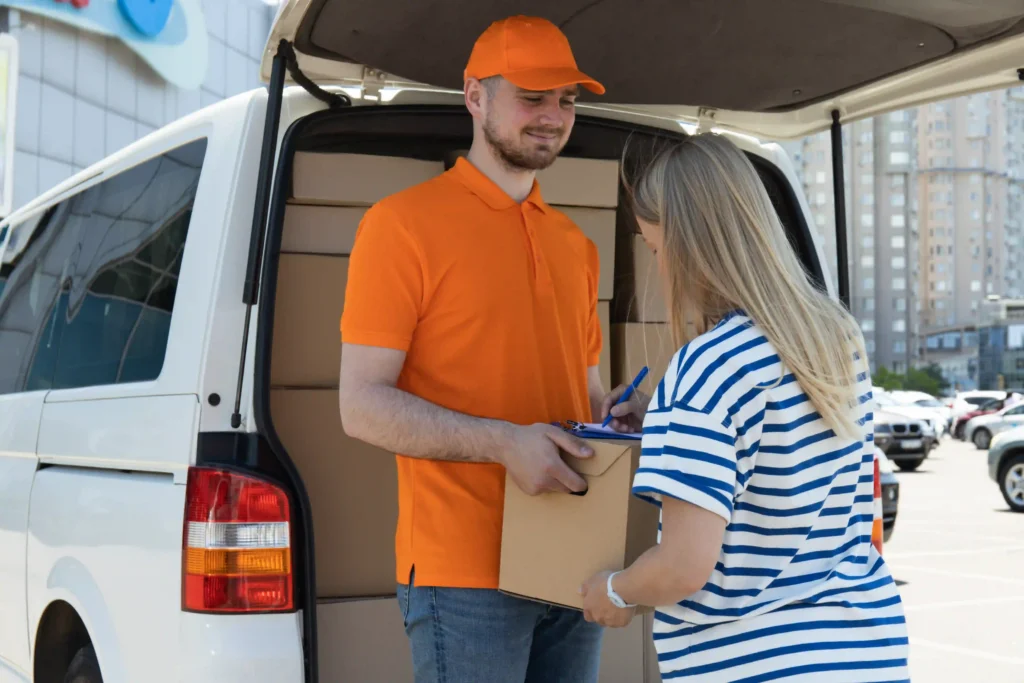
Knowing how to pack parcels for courier delivery properly is essential for protecting products during transportation, reducing damage risks, and ensuring smooth delivery operations. Whether sending retail products, fragile items, electronics, documents, frozen goods, or business shipments, proper packaging helps improve delivery reliability and customer satisfaction.
In Singapore’s fast-moving logistics industry, courier parcels often go through:
- Multiple handling points
- Warehouse sorting systems
- Transportation vehicles
- Last mile delivery operations
Without proper packaging, parcels may become:
- Damaged
- Crushed
- Wet
- Lost
- Delayed
Good parcel packing is not only about wrapping products securely. It is also about optimizing package size, labeling correctly, protecting fragile items, and preparing shipments for efficient courier handling.
For businesses and individuals alike, understanding professional packaging methods can help:
- Reduce delivery issues
- Improve shipping efficiency
- Lower replacement costs
- Protect brand reputation
- Enhance customer experience
Why Proper Parcel Packing Matters
Many delivery problems actually begin before transportation starts.
Improperly packed parcels can cause:
- Product breakage
- Leakage
- Packaging collapse
- Delivery delays
- Additional courier charges
A well-packed parcel protects both the product and the delivery process itself.
Benefits of Proper Parcel Packing
| Benefit | Impact |
|---|---|
| Better Product Protection | Reduces damage risk |
| Improved Delivery Efficiency | Faster sorting and handling |
| Lower Shipping Costs | Avoids oversized packaging fees |
| Better Customer Experience | Improves satisfaction |
| Reduced Returns | Minimizes replacement claims |
Professional parcel preparation plays a major role in modern logistics performance.
Understanding the Courier Delivery Process
Before packing a parcel, it helps to understand what happens during courier transportation.
Most parcels experience:
- Warehouse sorting
- Vehicle loading and unloading
- Conveyor handling
- Route transportation
- Last mile delivery operations
This means parcels may:
- Be stacked
- Shift during transportation
- Experience vibration
- Face weather exposure
Your packaging should be strong enough to withstand these conditions.
Essential Materials for Packing Parcels
Using the correct packaging materials is the foundation of secure delivery preparation. Common parcel packing materials:
Corrugated Cardboard Boxes
Strong corrugated boxes provide excellent protection for most shipments.
Bubble Wrap
Protects fragile items from shock and impact.
Packing Tape
Heavy-duty tape keeps packages sealed securely during transportation.
Air Pillows and Foam Inserts
Fill empty spaces inside boxes to prevent movement.
Waterproof Packaging
Helps protect parcels from moisture and rain exposure.
Thermal Packaging
Used for temperature-sensitive goods like pharmaceuticals or frozen food.
How to Choose the Right Box Size
One common mistake is using oversized boxes.
Large empty spaces inside packages can cause items to shift during delivery.
Choosing the Correct Box
| Parcel Type | Recommended Packaging |
|---|---|
| Documents | Rigid envelopes |
| Fragile Items | Double-wall boxes |
| Electronics | Foam-protected cartons |
| Frozen Goods | Insulated containers |
| Clothing | Poly mailers or small cartons |
Pro Tip : Use a box slightly larger than the product while allowing enough room for protective cushioning.
Step-by-Step Guide: How to Pack Parcels for Courier Delivery
Proper packing involves more than simply placing products inside a box.
Step 1: Prepare the Product
Before packing:
- Clean the product
- Remove loose components
- Secure moving parts
- Wrap sensitive surfaces
Fragile products should be individually protected.
Step 2: Wrap the Item Properly
Use protective materials such as:
- Bubble wrap
- Foam sheets
- Packing paper
For fragile products:
- Wrap multiple layers
- Secure wrapping with tape
- Protect corners carefully
Step 3: Cushion Empty Spaces
Empty spaces inside boxes increase movement during transportation.
Use:
- Foam inserts
- Air pillows
- Crumpled kraft paper
The goal is to prevent internal movement completely.
Step 4: Seal the Box Securely
Use strong packing tape along:
- Top seams
- Bottom seams
- Box edges
Avoid weak tape or insufficient sealing.
Pro Tip : Use the “H-taping method” for stronger parcel sealing.
Step 5: Label the Parcel Clearly
Proper labels improve delivery accuracy.
Include:
- Recipient name
- Address
- Contact number
- Postal code
Fragile shipments should include:
- “Fragile”
- “Handle With Care”
- “This Side Up”
Packing Fragile Items for Courier Delivery
Fragile items require additional protection because they are more vulnerable during transportation.
Examples of Fragile Shipments
- Glassware
- Ceramics
- Electronics
- Medical devices
- Bottled products
Best Practices for Fragile Items
Double Boxing
Place the product inside a smaller box, then place that box inside a larger cushioned box.
Corner Protection
Corners absorb heavy impact during transportation.
Shock Absorption
Use multiple cushioning layers to reduce vibration damage.
How Businesses Optimize Parcel Packaging
E-commerce and retail companies often ship large parcel volumes daily.
Efficient packaging helps businesses:
- Reduce shipping costs
- Improve warehouse efficiency
- Lower damage claims
- Enhance customer satisfaction
Packaging Optimization Strategies
| Strategy | Benefit |
|---|---|
| Right-Sized Packaging | Reduces shipping costs |
| Lightweight Materials | Improves transportation efficiency |
| Branded Packaging | Enhances customer experience |
| Sustainable Packaging | Supports environmental goals |
Packaging is now considered part of the customer experience itself.
Old Chain Packaging for Temperature-Sensitive Goods
Some products require temperature-controlled packaging.
Products Requiring Thermal Protection
- Pharmaceuticals
- Frozen food
- Seafood
- Dairy products
- Healthcare supplies
Cold Chain Packaging Components
Insulated Boxes
Maintain stable temperatures during transportation.
Gel Packs or Dry Ice
Help preserve temperature-sensitive products.
Temperature Monitoring
Tracks shipment conditions throughout delivery.
Cold chain packaging is especially important for healthcare and food logistics.
Common Parcel Packing Mistakes
Even small mistakes can lead to delivery problems. Frequent packaging errors
Using Weak Boxes
Thin cartons may collapse during stacking.
Overpacking Boxes
Excessive weight increases damage risks.
Insufficient Cushioning
Products may shift and break during transport.
Poor Label Placement
Incorrect labeling can delay deliveries.
Reusing Damaged Packaging
Old boxes may lose structural strength.
Pro Tip : Always test the package by gently shaking it. If items move inside, add more cushioning.
Sustainable Packaging Trends in Singapore
Many logistics and retail businesses are moving toward eco-friendly packaging solutions.
Sustainable Packaging Options
- Recyclable cartons
- Biodegradable fillers
- Reusable packaging
- Reduced plastic materials
Sustainable packaging helps:
- Reduce environmental impact
- Improve brand reputation
- Meet consumer expectations
Technology and Smart Packaging Solutions
Modern logistics increasingly uses smart packaging systems. Emerging packaging technologies:
QR Code Tracking
Allows shipment visibility and delivery updates.
IoT Temperature Sensors
Monitor cold chain shipments in real time.
Tamper-Evident Packaging
Improves shipment security.
Technology helps improve both logistics efficiency and customer confidence.
Example Scenario: E-Commerce Delivery
Imagine an online retailer shipping electronics across Singapore.
Without proper packaging:
- Products may arrive damaged
- Returns increase
- Customer reviews become negative
With professional packing methods:
- Products stay secure
- Deliveries arrive safely
- Customer trust improves
This shows how packaging directly affects business performance and brand reputation.
Actionable Packing Checklist for Courier Delivery
Before sending your parcel:
Check Packaging Strength
Ensure the box is durable enough for transportation.
Protect Fragile Areas
Add cushioning around corners and sensitive surfaces.
Remove Empty Spaces
Prevent movement inside the package.
Label Clearly
Verify all delivery information is correct.
Use Waterproof Protection
Protect shipments from rain and moisture exposure.
Pro Tip : Good packaging is an investment in delivery reliability and customer satisfaction, not just an operational
Conclusion: Professional Parcel Packing Supports Safer Courier Delivery
Understanding how to pack parcels for courier delivery properly is essential for protecting products, reducing operational issues, and improving delivery success rates.
As Singapore’s logistics and e-commerce industries continue growing, businesses and individuals need packaging solutions that are:
- Secure
- Efficient
- Cost-effective
- Temperature-controlled when necessary
- Optimized for courier transportation
At HEW Transportation, we specialize in:
- Courier services
- Last mile delivery
- Cold chain logistics
- Temperature-controlled transportation
- Reliable delivery solutions across Singapore
Our logistics expertise helps businesses improve shipment safety, packaging efficiency, and delivery reliability throughout the supply chain. Our commitment to safe transportation, efficient logistics, and dependable courier services is built on years of industry experience. Discover more on the About Us page.
If your company is looking for dependable logistics and courier support in Singapore, explore our transportation solutions and discover how professional delivery services can help protect your products and customer experience today. Choosing the right logistics partner can help businesses reduce delivery issues and improve operational performance. Discover how our Reliable Courier Service in Singapore supports businesses across Singapore.
Frequently Ask Question (FAQ)
What is the best way to pack parcels for courier delivery?
The best way to pack parcels for courier delivery is to use durable packaging materials, wrap items securely with protective cushioning, remove empty spaces inside the box, and seal the package properly to prevent movement and damage during transportation.
Why is proper parcel packaging important for courier delivery?
Proper packaging helps protect products from damage, moisture, vibration, and rough handling during transit. It also improves delivery efficiency, reduces return claims, and enhances customer satisfaction.
What materials should I use to pack fragile items?
Fragile items should be packed using:
- Bubble wrap
- Foam inserts
- Corrugated cardboard boxes
- Air pillows
- Packing paper
Double-boxing and corner protection are also recommended for extra safety.
How can businesses reduce parcel damage during shipping?
Businesses can reduce shipping damage by using right-sized packaging, adding sufficient cushioning, securing products properly, using waterproof protection, and partnering with experienced courier providers like HEW Transportation Services for reliable logistics support.
What packaging is recommended for temperature-sensitive products?
Temperature-sensitive goods such as pharmaceuticals, frozen food, and healthcare products should use insulated packaging, gel packs, dry ice, and temperature-controlled transportation to maintain product quality during delivery across Singapore.