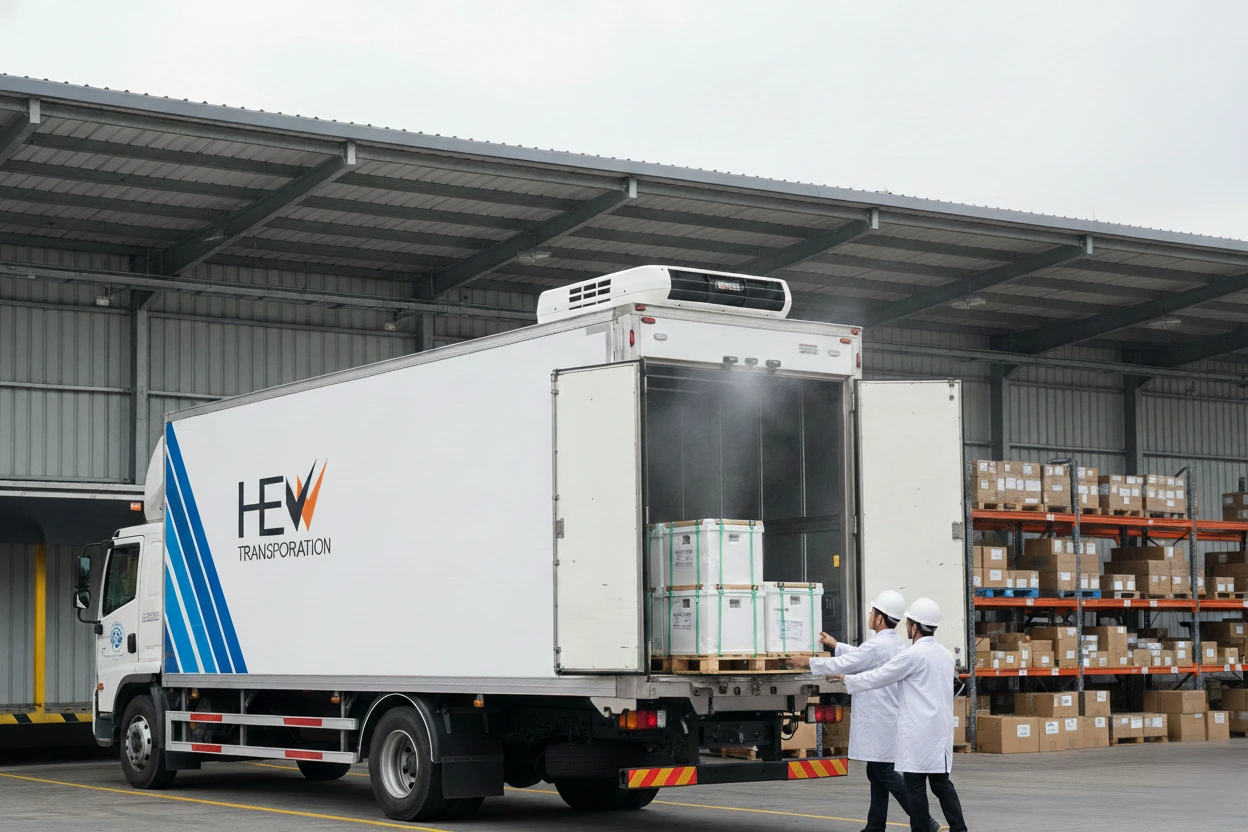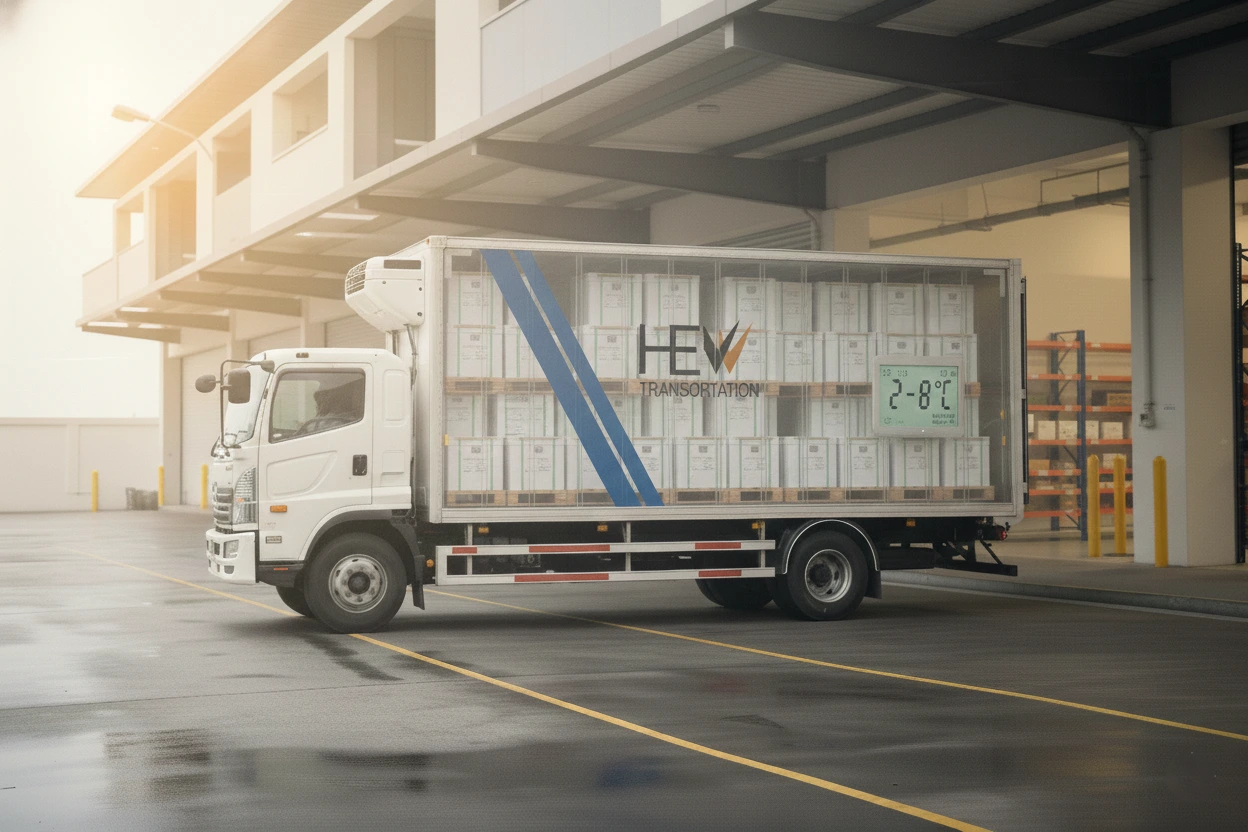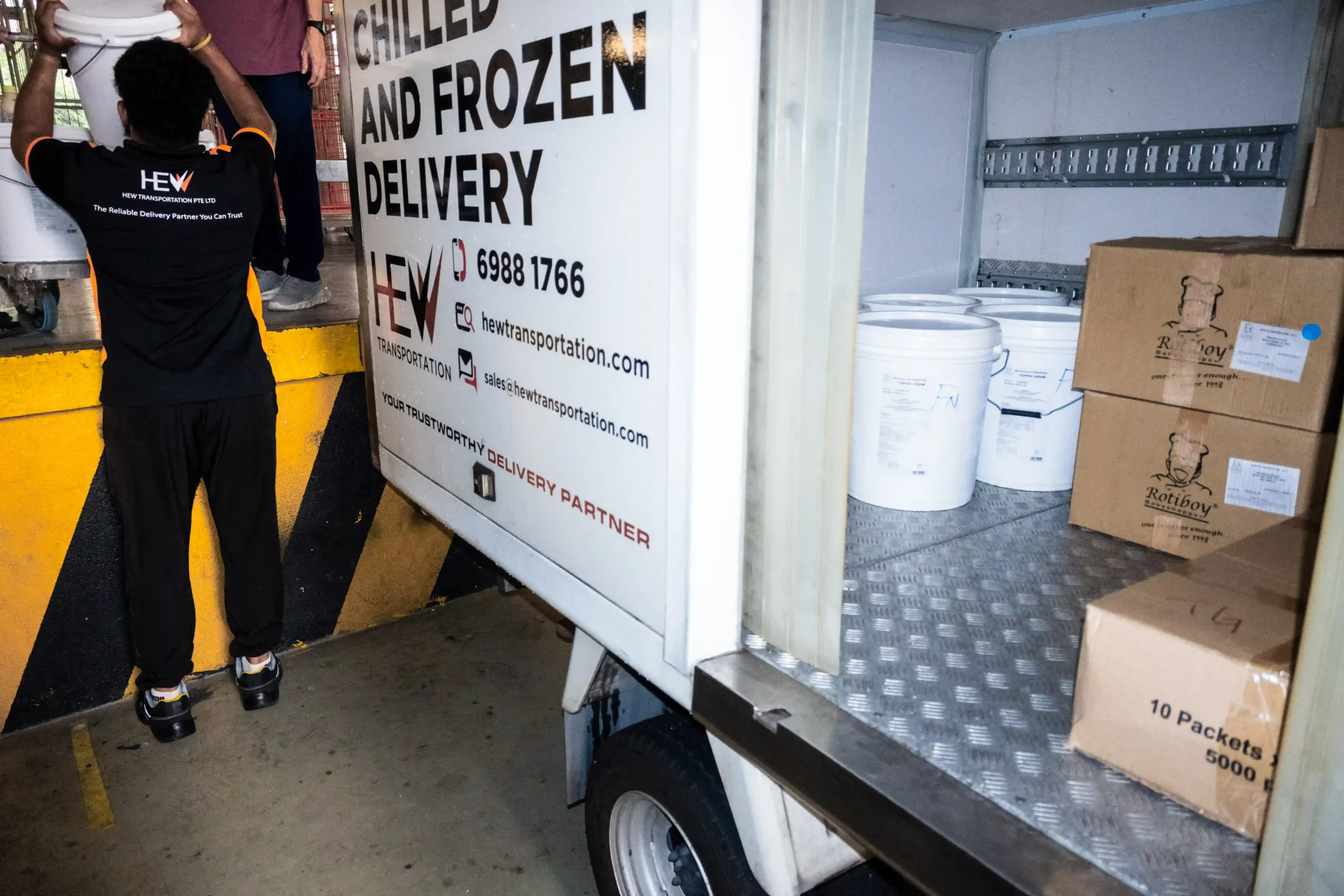
What Is Cold Chain Risk Management?
Cold chain risk management refers to the process of identifying, preventing, monitoring, and reducing risks that may affect temperature-sensitive products during storage, handling, and transportation.
Industries that rely heavily on cold chain logistics include:
- Food and beverage
- Pharmaceutical companies
- Healthcare providers
- Frozen food distributors
- Seafood suppliers
- Biotechnology companies
In cold chain logistics, even a small temperature fluctuation can result in:
- Product spoilage
- Financial losses
- Compliance issues
- Reduced product quality
- Customer dissatisfaction
This is why businesses today invest heavily in cold chain risk management systems to ensure safe and reliable transportation throughout the supply chain. Understanding how professional cold chain logistics services operate can help businesses improve product safety, delivery efficiency, and temperature compliance throughout the supply chain.
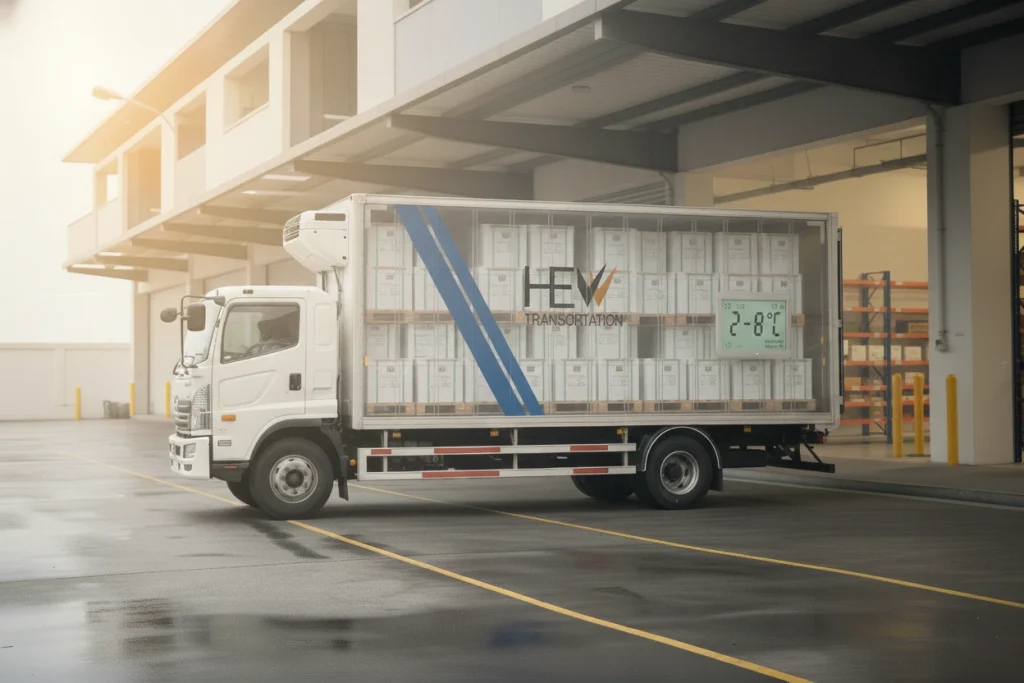
Why Cold Chain Risk Management Matters More Than Ever
Modern supply chains are becoming faster and more complex. Businesses now handle larger delivery volumes, stricter customer expectations, and tighter food safety regulations.
At the same time, consumers expect products to arrive:
- Fresh
- Safe
- Undamaged
- On time
Without proper cold chain management, businesses may face serious operational and reputational risks.
Growing Demand for Temperature-Controlled Logistics
Singapore’s logistics industry has seen growing demand for:
- Frozen food delivery
- Pharmaceutical transportation
- Same day cold chain delivery
- Fresh grocery distribution
This increase has made risk management an essential part of logistics planning.
Pro Tip : Businesses that proactively manage cold chain risks often experience Lower product wastage, Better customer trust, Improved operational efficiency, and Stronger regulatory compliance,
Common Risks in Cold Chain Logistics
Understanding the most common cold chain risks helps businesses prepare more effective logistics strategies.
Using the right packaging methods is one of the most important strategies for reducing temperature fluctuations and maintaining product quality during transportation, especially for businesses handling frozen or chilled products. Businesses can also explore these packaging tips for cold food delivery to improve cold chain protection and delivery efficiency.
1. Temperature Fluctuations
Temperature inconsistency is one of the biggest threats in cold chain transportation.
Products such as:
- Vaccines
- Dairy products
- Frozen seafood
- Medical supplies
require strict temperature control throughout delivery.
Even short exposure to incorrect temperatures can compromise product quality.
Common Causes :
- Faulty refrigeration systems
- Poor packaging
- Vehicle door openings
- Delayed transportation
2. Transportation Delays
Unexpected delivery delays can significantly impact temperature-sensitive shipments.
Common Delay Factors :
- Traffic congestion
- Vehicle breakdowns
- Route inefficiencies
- Weather disruptions
- Customs or documentation issues
For perishable goods, time is directly connected to product quality.
3. Improper Handling Procedures
Human error remains a major challenge in logistics operations.
Examples include:
- Incorrect loading methods
- Mishandling frozen products
- Inadequate packaging
- Improper stacking techniques
Without proper staff training, businesses face higher risks of product damage.
4. Equipment Failure
Cold storage units and refrigerated vehicles require regular maintenance.
Equipment failures can lead to:
- Sudden temperature increases
- Delivery disruptions
- Product contamination
- Inventory loss
Pro Tip : Routine inspections and preventive maintenance help reduce unexpected refrigeration breakdowns.
How Cold Chain Risk Management Works
Cold chain risk management combines logistics planning, monitoring technology, operational procedures, and staff coordination.
Step-by-Step Risk Management Process :
1. Risk Assessment
Businesses first identify possible weak points in the supply chain.
This includes analyzing:
- Transportation routes
- Storage facilities
- Delivery timing
- Packaging methods
- Vehicle conditions
2. Temperature Monitoring
Modern cold chain systems use real-time monitoring tools to track temperature conditions during transit.
Technologies commonly used include:
- IoT sensors
- GPS tracking
- Cloud monitoring systems
- Automated alerts
These systems help logistics teams respond quickly to temperature deviations.
3. Preventive Maintenance
Refrigerated trucks and cooling systems must be maintained consistently to reduce operational failures.
Maintenance checks often include:
- Cooling performance
- Fuel systems
- Door seals
- Battery condition
4. Staff Training
Drivers and warehouse personnel play a major role in cold chain success.
Training usually focuses on:
- Safe product handling
- Temperature compliance
- Emergency response procedures
- Hygiene standards
5. Emergency Response Planning
Unexpected situations can still happen despite preventive measures.
Businesses should prepare backup plans for:
- Vehicle breakdowns
- Delivery rerouting
- Power outages
- Product transfer procedures
Key Components of an Effective Cold Chain System
A successful cold chain strategy depends on multiple operational components working together.
| Component | Purpose | Importance |
|---|---|---|
| Refrigerated Vehicles | Maintain controlled temperature | Prevent product spoilage |
| Temperature Sensors | Real-time monitoring | Detect fluctuations early |
| Insulated Packaging | Reduce external heat exposure | Preserve product quality |
| Route Optimization | Faster delivery timing | Reduce transit risks |
| Trained Personnel | Proper handling procedures | Improve compliance |
Industries That Depend on Cold Chain Risk Management
Different industries have different temperature-control requirements.
Food and Beverage Industry
Restaurants, supermarkets, and food suppliers rely on cold chain logistics to maintain freshness and food safety.
Products requiring strict cold chain management include:
- Frozen meals
- Seafood
- Meat products
- Dairy products
- Fresh produce
Pharmaceutical and Healthcare Industry
Medical products often require highly controlled transportation environments.
Examples include:
- Vaccines
- Insulin
- Laboratory samples
- Biopharmaceutical products
Even minor temperature deviations can affect product effectiveness.
Pro Tip : Pharmaceutical cold chain logistics often require continuous monitoring and strict compliance documentation.
E-Commerce Grocery Delivery
The rise of online grocery shopping has increased demand for reliable same-day refrigerated delivery services.
Consumers expect:
- Fresh products
- Fast delivery
- Safe packaging
- Accurate temperature handling
Benefits of Strong Cold Chain Risk Management
Businesses that invest in cold chain protection strategies often gain long-term operational advantages.
1. Reduced Product Loss
Proper temperature management helps minimize:
- Food spoilage
- Product contamination
- Inventory waste
2. Better Customer Satisfaction
Reliable delivery conditions improve customer trust and product confidence.
Customers are more likely to continue purchasing from brands that consistently deliver high-quality products.
3. Improved Regulatory Compliance
Food safety and pharmaceutical industries often operate under strict regulatory standards.
Cold chain risk management helps businesses maintain:
- Safety compliance
- Documentation accuracy
- Quality assurance
4. Stronger Brand Reputation
Reliable logistics performance directly affects business reputation.
Companies known for dependable delivery services often gain:
- Better customer loyalty
- Positive reviews
- Stronger partnerships
Emerging Trends in Cold Chain Risk Management
Technology continues transforming the cold chain logistics industry.
AI and Predictive Monitoring
Artificial intelligence can predict equipment failures before they happen.
This helps businesses:
- Reduce downtime
- Prevent spoilage
- Improve operational planning
Real-Time Visibility Systems
Modern logistics platforms provide live shipment visibility across the supply chain.
Benefits include:
- Faster issue detection
- Improved communication
- Better delivery transparency
Sustainable Refrigeration Solutions
Businesses are increasingly adopting:
- Energy-efficient cooling systems
- Eco-friendly refrigerants
- Electric refrigerated vehicles
Sustainability is becoming an important part of logistics planning.
Best Practices for Businesses Managing Cold Chain Risks
Recommended strategies :
Use Reliable Logistics Partners
Experienced transportation providers understand cold chain operational requirements better.
Implement Continuous Monitoring
Real-time tracking helps businesses respond faster to issues.
Optimize Delivery Routes
Efficient routes reduce delivery delays and temperature exposure.
Conduct Regular Equipment Inspections
Preventive maintenance lowers operational risks.
Train Staff Consistently
Well-trained teams reduce handling errors and improve delivery quality.
Pro Tip : Cold chain logistics works best when technology, operational planning, and experienced personnel work together.
Why Businesses Choose HEW Transportation for Cold Chain Logistics
Businesses across Singapore require reliable logistics providers capable of handling temperature-sensitive deliveries professionally.
HEW Transportation supports industries with:
- Cold chain transportation
- Same-day delivery solutions
- Refrigerated vehicle services
- Last mile logistics
- Courier and transport coordination
With a focus on operational reliability and temperature-controlled logistics, HEW Transportation helps businesses reduce delivery risks and maintain product quality throughout the supply chain.
Businesses looking for reliable transportation and temperature-controlled delivery solutions can explore the full range of logistics services offered by HEW Transportation.
The company’s experience in transportation and logistics allows businesses to manage sensitive deliveries more efficiently while improving customer confidence and operational performance.
Conclusion: Strengthen Your Cold Chain Risk Management with the Right Logistics Partner
Cold chain risk management plays a critical role in protecting temperature-sensitive products throughout storage, transportation, and delivery operations. As industries continue demanding faster and safer logistics solutions, businesses must prioritize risk prevention, monitoring systems, and operational efficiency.
From refrigerated transportation and temperature monitoring to route optimization and staff training, every stage of the cold chain process contributes to product quality and customer satisfaction.
HEW Transportation provides reliable cold chain logistics and transportation solutions designed to support businesses across Singapore. With expertise in refrigerated delivery, same-day logistics, and temperature-controlled transportation, HEW Transportation helps businesses reduce risks, maintain product integrity, and improve overall logistics performance.
Businesses looking for dependable cold chain logistics support can explore HEW Transportation’s services to strengthen delivery reliability and operational efficiency.
FAQs (Frequently Ask Questions)
What is cold chain risk management?
Cold chain risk management is the process of identifying, monitoring, and reducing risks that may affect temperature-sensitive products during storage and transportation. It helps maintain product quality, safety, and compliance throughout the supply chain.
Why is cold chain risk management important?
Cold chain risk management is important because temperature-sensitive products such as frozen food, seafood, pharmaceuticals, and vaccines can become damaged or unsafe if exposed to incorrect temperatures during delivery or storage.
What are the most common risks in cold chain logistics?
Some of the most common cold chain risks include:
- Temperature fluctuations
- Transportation delays
- Equipment failure
- Improper handling procedures
- Poor packaging methods
These issues can lead to spoilage, product loss, and customer dissatisfaction.
Which industries rely on cold chain logistics?
Industries that commonly rely on cold chain logistics include:
- Food and beverage
- Pharmaceutical and healthcare
- Frozen food distribution
- Seafood supply
- Grocery delivery
- Biotechnology companies
These industries require reliable temperature-controlled transportation to protect product quality.
How can businesses improve cold chain risk management?
Businesses can improve cold chain risk management by:
- Using real-time temperature monitoring systems
- Working with experienced logistics providers
- Maintaining refrigerated vehicles regularly
- Training staff on proper handling procedures
- Optimizing delivery routes for faster transportation
These strategies help reduce delivery risks and improve operational reliability.