What Is Business Delivery Service in Singapore?
Business delivery service in Singapore refers to professional logistics solutions designed specifically to support commercial operations, not personal shipping. These services handle the daily movement of documents, parcels, inventory, equipment, and regulated goods between offices, warehouses, clients, suppliers, and partners.
Unlike consumer delivery, business delivery service in Singapore operates under tighter deadlines, higher accountability, and more complex requirements. Missed deliveries can delay projects, disrupt supply chains, or cause compliance issues.
At its core, a business delivery service must deliver three things consistently:
- Speed aligned with operational timelines.
- Reliability under real-world traffic and access constraints.
- Control over documentation, tracking, and handovers.
In a dense and highly regulated city like Singapore, delivery is not just transport. It is an operational function that directly affects business performance.
Why Business Delivery Service in Singapore Is Critical for Modern Companies
Singapore’s business environment moves fast, but it is also tightly structured.
Companies operate within:
- Strict building access rules.
- Time-slot based deliveries.
- ERP and road pricing considerations regulated by the Land Transport Authority (LTA).
- Industry-specific compliance standards.
This means business delivery service in Singapore is no longer a background task. It is a strategic layer of daily operations.
From legal firms sending contracts, to retailers replenishing inventory, to healthcare providers moving supplies, delivery failures ripple across the organisation.
In internal logistics reviews across multiple industries, delayed or failed deliveries were linked to:
- Missed client deadlines.
- Overtime labour costs.
- Inventory shortages.
- Reputational damage.
Reliable delivery is not about convenience. It is about continuity.
Types of Business Delivery Service in Singapore
Different businesses require different delivery models. Understanding service categories helps reduce cost and risk.
Same-Day Business Delivery
Same-day business delivery focuses on speed and urgency.
Common use cases include:
- Legal documents with deadlines.
- Urgent replacement parts.
- Time-critical client materials.
This service prioritises direct routing and minimal stops.
Scheduled and Contract Delivery Services
For businesses with predictable delivery volumes, scheduled services offer consistency.
Typical applications:
- Daily inter-office transfers.
- Retail stock replenishment.
- Routine supplier runs.
Many companies reduce operational friction by outsourcing recurring routes to a dedicated business delivery service.
Van and Lorry Business Delivery
When volume or weight increases, vans and lorries become essential.
These services support:
- Bulk inventory movement.
- Equipment delivery.
- Trade, construction, and events.
Operational efficiency here depends heavily on route planning and loading discipline. This is where understanding best practices for efficient van deliveries becomes highly relevant, especially for businesses scaling beyond ad-hoc courier use.
For larger commercial shipments, understanding how lorry delivery works in Singapore can also help businesses choose the right vehicle, plan deliveries more effectively, and avoid common operational delays associated with heavy or bulky cargo.
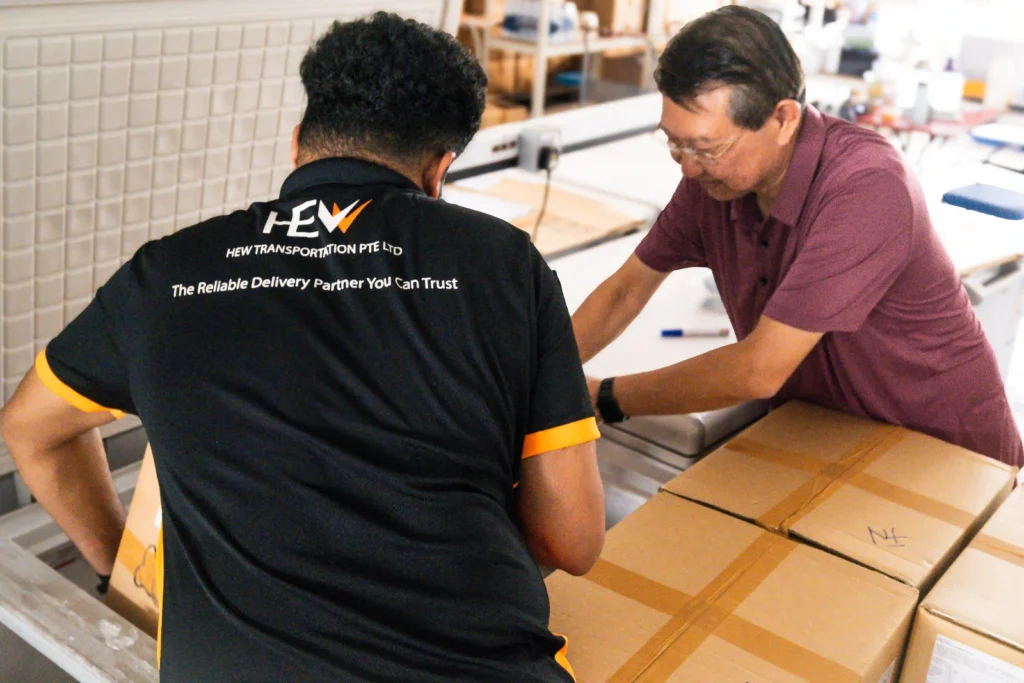
Specialised Business Delivery
Some industries require more than standard transport.
Examples include:
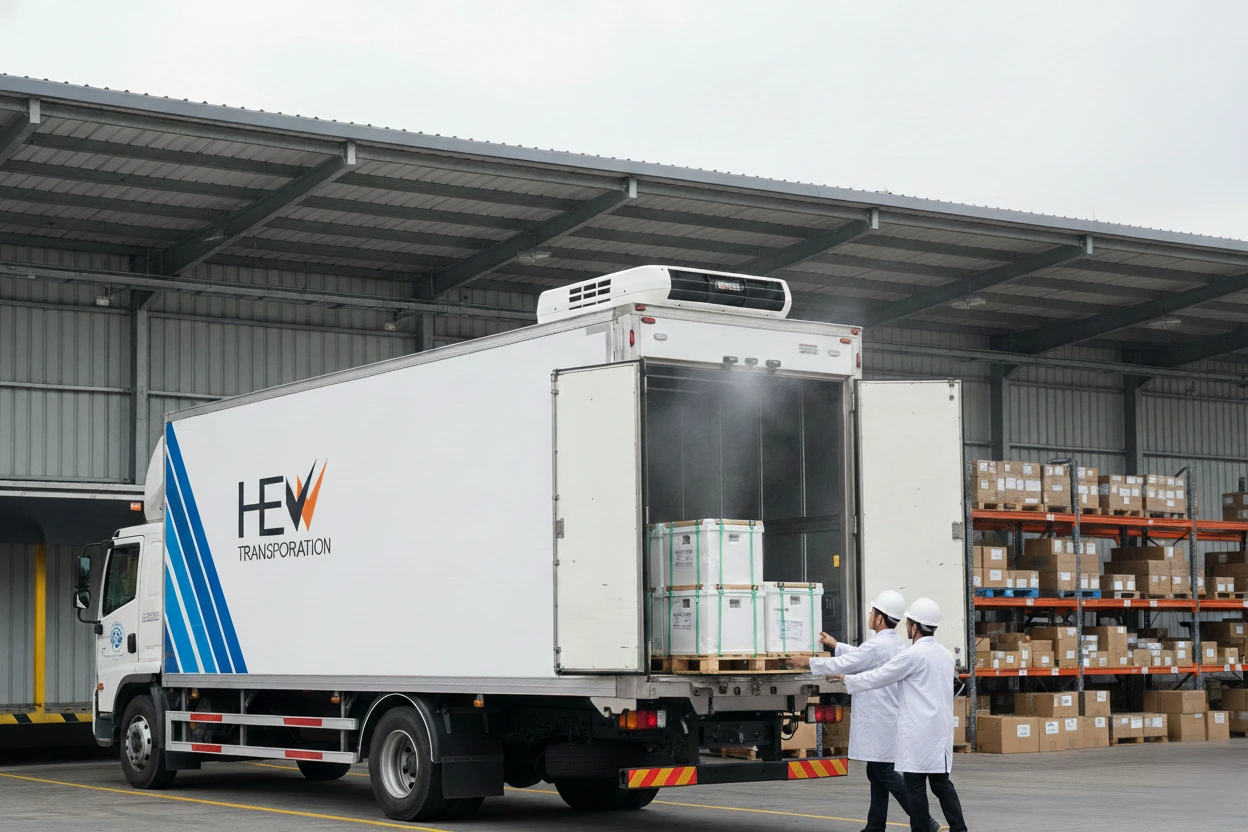
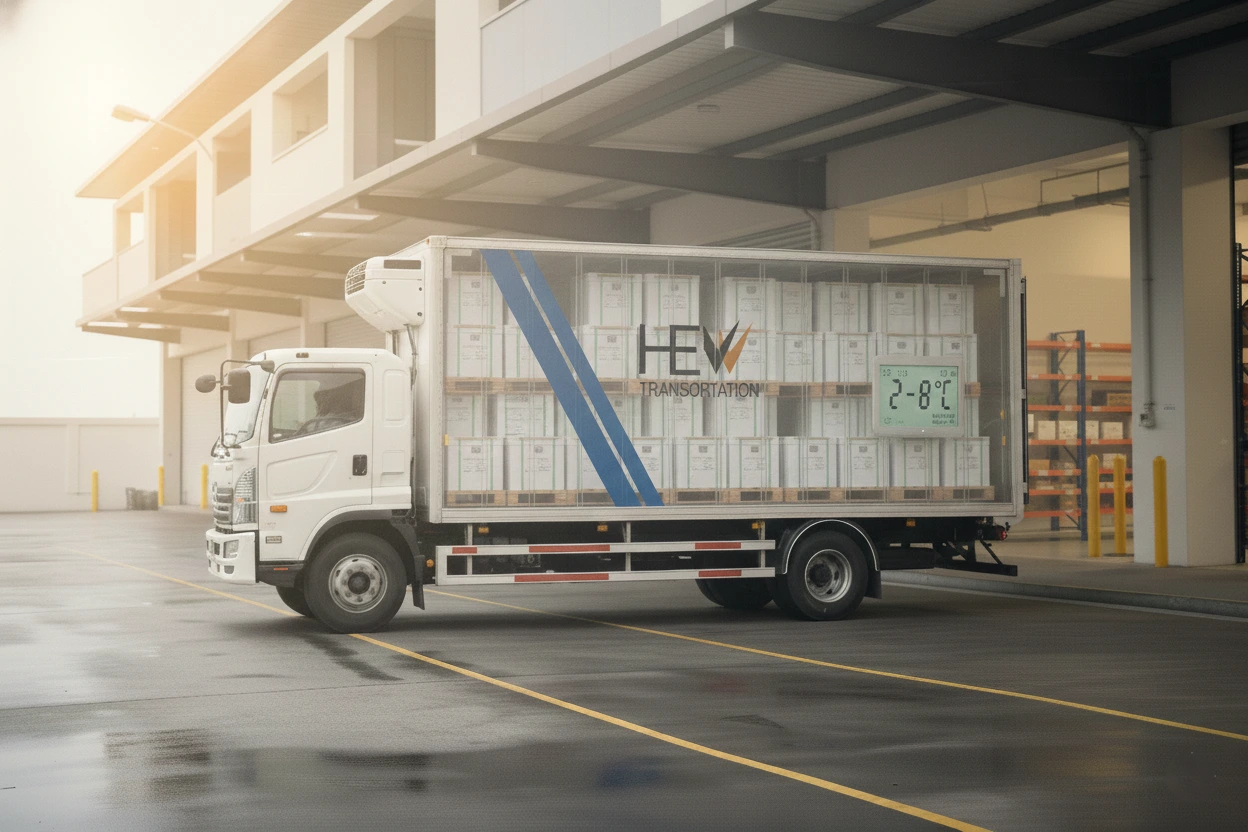
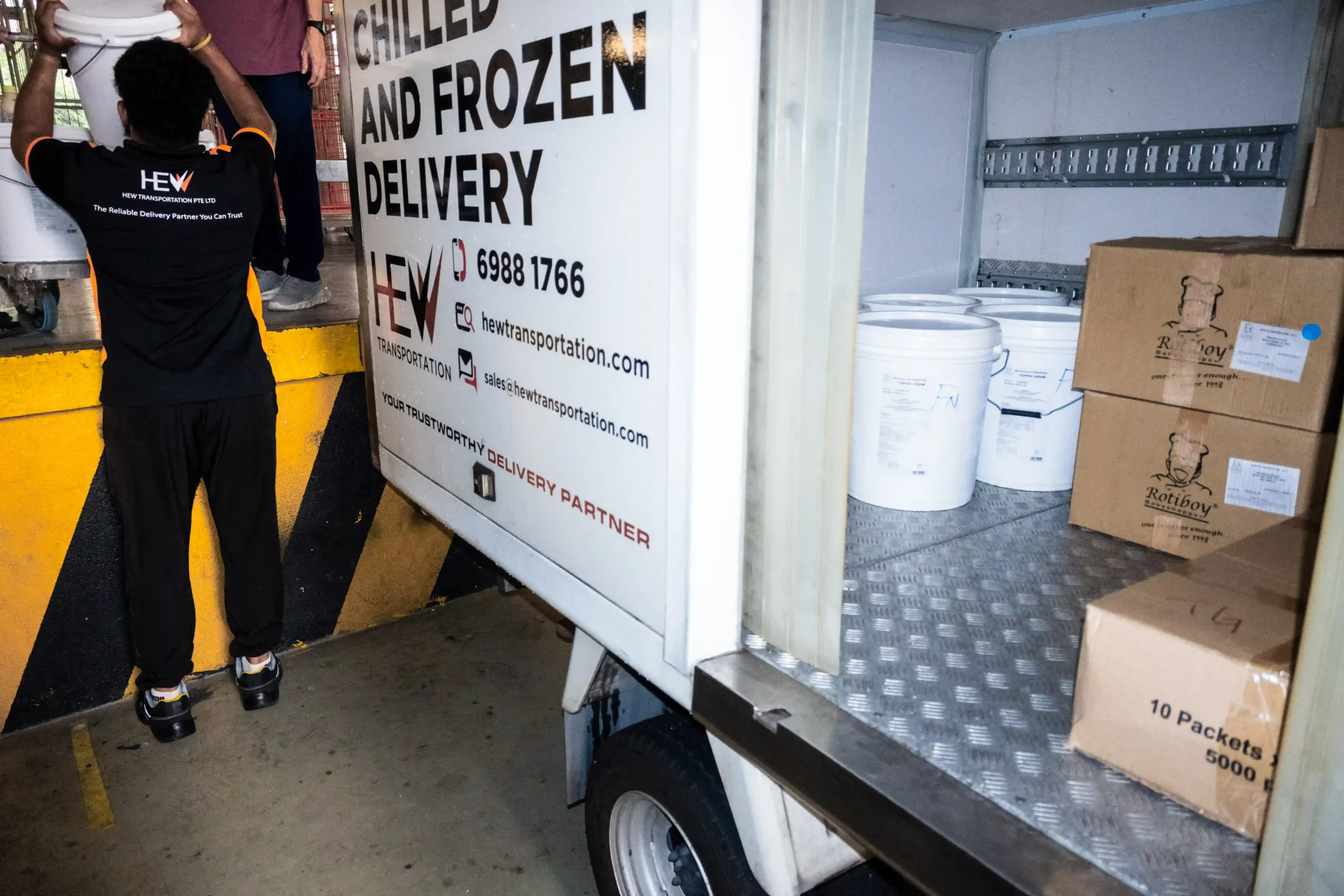
- Temperature-controlled delivery.
- Secure document handling.
- Regulated or high-value goods.
These services combine logistics with compliance and risk management.
How Business Delivery Service in Singapore Works
While each provider differs, most business delivery services follow a structured flow.
Step 1: Job and Requirement Assessment
Professional delivery providers assess:
- Item size, weight, and sensitivity.
- Pickup and drop-off access conditions.
- Time windows and urgency.
- Documentation requirements.
This step determines the correct delivery method and manpower.
Step 2: Vehicle and Resource Allocation
Based on assessment, providers assign:
- Motorcycle, van, or lorry.
- Tailgate or equipment if required.
- Trained personnel.
Choosing the wrong vehicle is one of the most common causes of delay and cost overrun.
Step 3: Route and Timing Planning
Business delivery service in Singapore must account for:
- Peak hour congestion.
- ERP costs.
- Building delivery slots.
- Industrial zone access rules.
Short distances do not guarantee fast delivery without planning.
Step 4: Delivery Execution and Confirmation
Professional services include:
- Proof of delivery.
- Time stamps.
- Exception reporting.
For businesses, confirmation matters as much as speed.
Industries That Rely Heavily on Business Delivery Service
Legal and Professional Services
Despite digital tools, physical documents remain critical. Missed delivery deadlines can invalidate contracts or delay filings.
Retail and E-Commerce
Inventory flow depends on reliable delivery between warehouses, stores, and fulfilment points.
Healthcare and Medical
Delivery timing affects patient care and operational readiness. Reliability and handling discipline are non-negotiable.
Manufacturing and Engineering
Spare parts, samples, and components must arrive on time to prevent production downtime.
Across sectors, business delivery service in Singapore becomes embedded into daily workflows, not treated as an afterthought.
Cost Structure of Business Delivery Service in Singapore
Understanding cost drivers prevents surprise charges.
Common Pricing Factors
| Cost Factor | What It Covers |
|---|---|
| Distance & Time | Travel duration, waiting time |
| Vehicle Type | Bike, van, lorry |
| Urgency | Same-day vs scheduled |
| Manpower | Additional handlers |
| Access Delays | Waiting at sites |
The cheapest quote often becomes the most expensive after delays and failures are accounted for.
Where Business Deliveries Usually Fail
Failures rarely happen during driving. They happen during transitions.
High-risk points include:
- Loading and unloading.
- Waiting for site access.
- Poor communication with receivers.
- Incorrect vehicle selection.
In one operational review, over 60% of delivery delays occurred before the vehicle even moved. This highlights that business delivery service in Singapore is a coordination challenge, not just transport.
How HEW Transportation Approaches Business Delivery Service
At HEW Transportation, business delivery service is treated as an operational system, not a commodity.
Our approach focuses on:
- Pre-delivery assessment.
- Correct vehicle and manpower matching.
- SOP-driven execution.
- Clear documentation and accountability.
We support businesses that require reliability, scalability, and operational clarity in Singapore’s demanding environment.
Actionable Checklist for Businesses Choosing a Delivery Partner
Before engaging a provider, ask:
- Do they assess delivery requirements upfront?
- Can they handle access and timing constraints?
- Is proof of delivery standard?
- Are routes and manpower planned, not improvised?
Delivery quality reflects how well a provider understands your business, not just your address.
Pro Tips from real operations:
- Short routes still need planning.
- Waiting time is a hidden cost.
- One failed delivery can disrupt an entire workflow.
Conclusion: Business Delivery Service in Singapore Is an Operational Advantage
Business delivery service in Singapore is no longer a support function. It is a competitive advantage when done right, and a silent risk when done poorly.
At HEW Transportation, we help companies build delivery workflows that support growth, reduce friction, and protect deadlines. If your business depends on reliable movement of goods or documents, partnering with a delivery provider who understands Singapore’s operational realities makes all the difference.
Visit our website Van & Lorry Delivery Services to explore business delivery solutions designed for real-world operations in Singapore.
FAQs (Frequently Asked Questions)
What is considered a business delivery service in Singapore?
Any delivery service designed for commercial operations, including documents, parcels, inventory, or equipment.
How is business delivery different from personal courier services?
Business delivery focuses on reliability, scheduling, compliance, and accountability, not just speed.
Can business delivery services handle recurring routes?
Yes. Many providers specialise in scheduled and contract-based delivery.
What causes most delivery delays in Singapore?
Access issues, waiting time, and poor planning, not traffic alone.
How can businesses reduce delivery risk?
By working with providers who assess jobs properly, plan routes, and document every delivery.