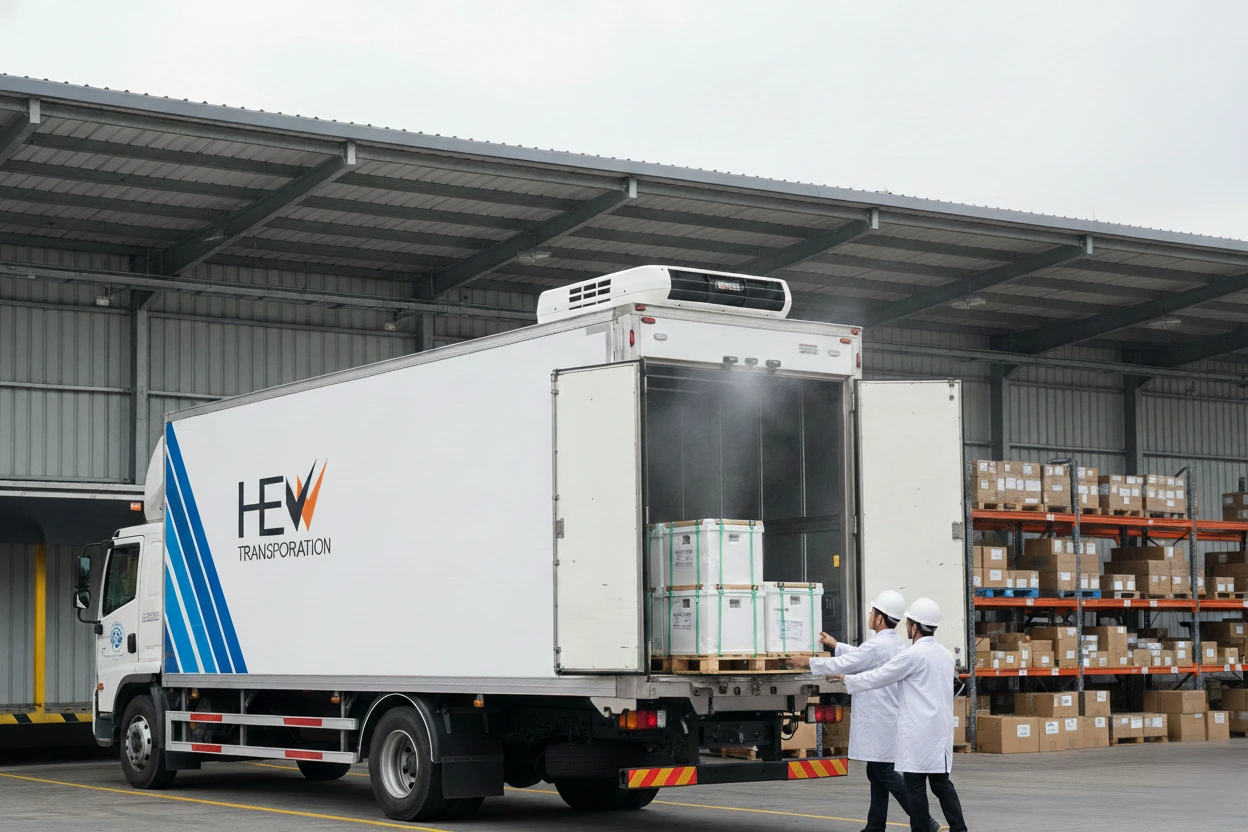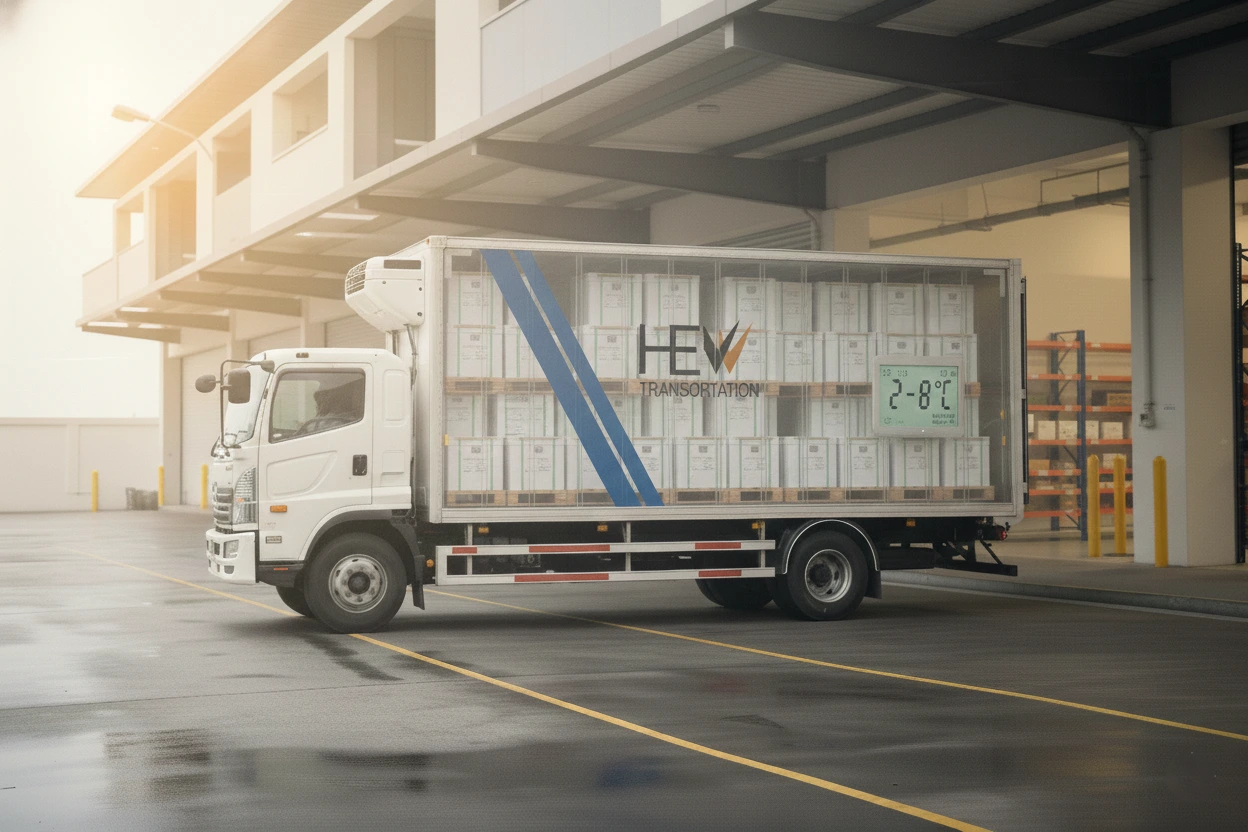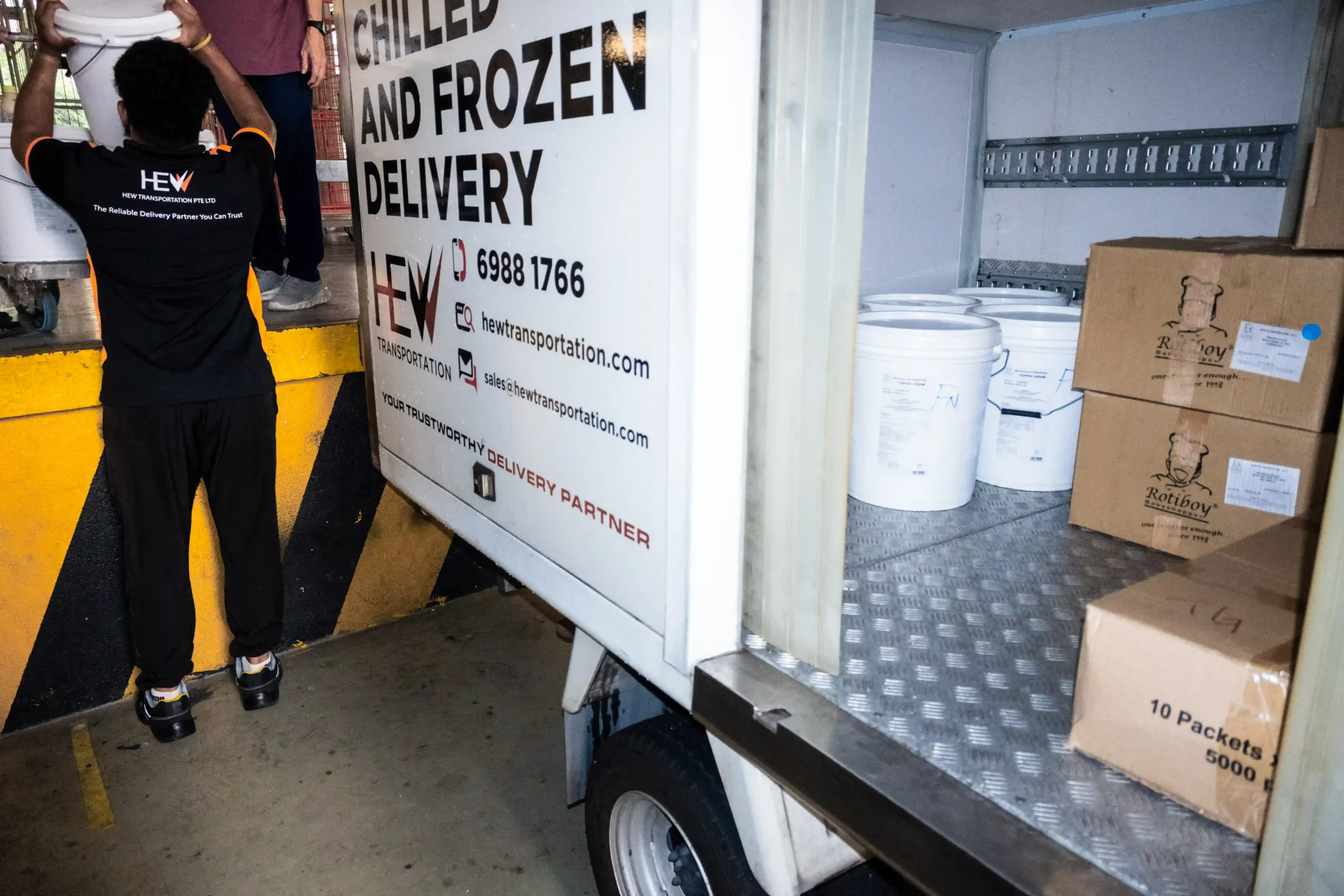
Equipment for frozen shipments refers to the specialized tools, transportation systems, and cold chain technologies used to keep frozen products at stable temperatures during storage and delivery. Businesses that transport frozen food, seafood, pharmaceuticals, dairy products, and other temperature-sensitive goods rely on proper frozen shipment equipment to prevent spoilage and maintain product quality.
In Singapore’s fast-moving logistics industry, frozen shipment management has become increasingly important due to growing demand for:
- Frozen food delivery
- Cold chain logistics
- Temperature-controlled transportation
- Freshness preservation
- Food safety compliance
Without the proper equipment, frozen products may experience:
- Temperature fluctuations
- Product spoilage
- Reduced shelf life
- Contamination risks
- Customer dissatisfaction
This is why businesses today invest heavily in professional cold chain logistics equipment and transportation systems.

Why Proper Equipment for Frozen Shipments Is Important
Frozen products require stable temperature conditions throughout the supply chain.
Even small temperature changes during transportation may affect:
- Product texture
- Taste
- Freshness
- Safety standards
- Regulatory compliance
For industries such as food distribution and pharmaceuticals, frozen shipment equipment plays a major role in maintaining operational reliability.
Industries That Depend on Frozen Shipment Equipment
| Industry | Frozen Shipment Needs |
|---|---|
| Frozen Food Distribution | Temperature-controlled delivery |
| Seafood Suppliers | Freshness preservation |
| Pharmaceutical Companies | Temperature-sensitive transport |
| Catering Businesses | Chilled and frozen logistics |
| Retail Grocery | Frozen inventory transportation |
Reliable frozen shipment systems help businesses reduce operational risks and improve customer trust.
Pro Tip : Businesses that invest in proper frozen shipment equipment often experience fewer spoilage incidents and better delivery consistency.
Essential Equipment for Frozen Shipments
Refrigerated Delivery Vehicles
Refrigerated vehicles are one of the most important components of frozen shipment logistics.
These vehicles are designed to:
- Maintain low temperatures
- Prevent heat exposure
- Protect frozen products during transportation
Common refrigerated transport options include:
- Refrigerated vans
- Refrigerated trucks
- Cold chain delivery fleets
Benefits of Refrigerated Vehicles
- Stable temperature control
- Improved food safety
- Reduced spoilage risks
- Better transportation reliability
Businesses transporting frozen products across Singapore often rely on refrigerated transportation systems to maintain product integrity.
Insulated Packaging Materials
Packaging plays an important role in frozen shipment protection.
Insulated packaging helps reduce temperature exposure during:
- Loading
- Unloading
- Transit
- Final delivery
Common Insulated Packaging Types
| Packaging Equipment | Purpose |
|---|---|
| Thermal liners | Maintain internal cooling |
| Foam containers | Insulation support |
| Gel ice packs | Temperature stabilization |
| Dry ice containers | Deep freezing |
| Vacuum-sealed packaging | Prevent contamination |
Proper packaging supports cold chain logistics efficiency and improves product protection.
Temperature Monitoring Devices
Temperature monitoring equipment helps businesses track frozen shipment conditions in real time.
These systems are essential for:
- Compliance management
- Quality assurance
- Spoilage prevention
Common Monitoring Equipment
- Digital thermometers
- Temperature sensors
- GPS-enabled monitoring systems
- Smart cold chain tracking devices
Real-time monitoring allows logistics teams to respond quickly if temperatures fluctuate during transportation.
Example
If a refrigerated vehicle experiences unexpected cooling issues, monitoring systems can immediately alert operators before products are damaged.
Importance of Cold Chain Logistics Equipment
Cold chain logistics refers to the complete temperature-controlled supply chain process used to transport sensitive goods safely.
Cold chain equipment includes:
- Refrigerated vehicles
- Cooling storage systems
- Monitoring technology
- Insulated transportation containers
Without proper cold chain systems, frozen products may deteriorate rapidly during delivery. Using advanced cold chain logistics solutions helps businesses maintain stable temperatures, reduce spoilage risks, and improve transportation reliability for frozen shipments.
How Frozen Shipment Equipment Helps Reduce Spoilage
Businesses looking to improve product freshness and transportation safety can also explore practical strategies to reduce spoilage shipping through better cold chain management and delivery planning.
1. Maintains Stable Temperatures
Temperature consistency is one of the biggest factors in spoilage prevention.
Proper equipment ensures frozen products remain within safe temperature ranges during transportation.
2. Improves Delivery Efficiency
Professional frozen shipment systems help logistics providers:
- Optimize delivery routes
- Reduce transportation delays
- Improve handling efficiency
This minimizes product exposure risks. Businesses that require fast and reliable transportation for frozen or temperature-sensitive products can also benefit from professional courier services that support efficient and timely deliveries across Singapore.
3. Supports Food Safety Compliance
Food safety regulations often require businesses to maintain strict temperature control standards.
Proper frozen shipment equipment helps businesses:
- Maintain compliance
- Reduce contamination risks
- Improve traceability
Simple Conclusion
Reliable frozen shipment equipment protects both product quality and brand reputation.
Common Challenges in Frozen Shipments
Even with modern logistics systems, frozen shipment operations still face challenges.
Temperature Fluctuations
Frequent opening of vehicle doors during delivery may affect internal temperatures.
This is especially common during:
- Multi-stop deliveries
- Last-mile transportation
- Urban logistics operations
Delivery Delays
Traffic congestion and poor route planning can increase exposure time for frozen products.
Businesses that use optimized logistics systems often experience:
- Faster deliveries
- Better product protection
- Lower spoilage risks
Improper Equipment Maintenance
Refrigeration equipment requires regular maintenance to operate effectively.
Poorly maintained systems may lead to:
- Cooling failure
- Product loss
- Increased operational costs
Pro Tip : Routine maintenance inspections help prevent costly delivery disruptions.
Advanced Technologies Used in Frozen Shipments
Modern logistics companies now use advanced technologies to improve frozen transportation efficiency.
AI-Powered Route Optimization
Artificial intelligence helps logistics providers:
- Reduce travel time
- Avoid traffic congestion
- Improve fuel efficiency
This supports better temperature consistency during transportation.
Smart Temperature Sensors
Smart sensors provide:
- Real-time temperature tracking
- Automated alerts
- Shipment visibility
Businesses can monitor frozen deliveries remotely using centralized logistics systems.
GPS Fleet Tracking
GPS systems help businesses:
- Track delivery progress
- Improve route planning
- Enhance customer communication
These technologies improve operational transparency and supply chain efficiency.
Best Practices for Frozen Shipment Management
Use Professional Cold Chain Logistics Providers
Experienced logistics providers understand:
- Temperature-sensitive transportation
- Frozen food handling
- Cold chain compliance
This reduces operational risks significantly.
Improve Packaging Standards
Strong packaging solutions help protect products from:
- External heat exposure
- Physical damage
- Contamination risks
Schedule Faster Deliveries
Shorter delivery times help preserve frozen product quality.
Businesses should:
- Optimize delivery routes
- Reduce waiting times
- Coordinate loading schedules efficiently
Industries Benefiting Most from Frozen Shipment Equipment
Food Distribution Industry
Frozen food distributors rely heavily on refrigerated transportation and insulated packaging.
Products include:
- Frozen meat
- Seafood
- Ice cream
- Ready-to-eat meals
Pharmaceutical Logistics
Some medical products require strict temperature management during transportation.
Frozen shipment equipment helps preserve:
- Vaccine stability
- Medicine effectiveness
- Compliance standards
Retail Grocery Supply Chains
Retailers handling frozen inventory require efficient transportation systems to maintain product quality from warehouse to store.
Future Trends in Frozen Shipment Equipment
The frozen logistics industry continues evolving rapidly due to:
- Increased e-commerce demand
- Rising food delivery services
- Growing cold chain logistics needs
Future innovations may include:
- Smart refrigerated vehicles
- Automated temperature reporting
- Sustainable refrigeration systems
- AI-powered logistics operations
Businesses adopting these technologies early may improve operational efficiency and customer satisfaction.
How Businesses Can Choose the Right Equipment for Frozen Shipments
Key Factors to Evaluate
1. Product Type
Different products require different temperature ranges.
2. Delivery Distance
Long-distance transportation may require stronger insulation systems.
3. Compliance Requirements
Food and pharmaceutical industries often require strict monitoring systems.
4. Scalability
Businesses should choose equipment that can support future growth.
Simple Conclusion
The right frozen shipment equipment depends on product sensitivity, transportation needs, and operational scale.
Conclusion: Reliable Frozen Shipment Solutions with HEW Transportation
Choosing the right equipment for frozen shipments is essential for businesses that need to maintain product quality, reduce spoilage risks, and improve delivery reliability. Refrigerated vehicles, insulated packaging, temperature monitoring systems, and professional cold chain logistics all work together to support safe and efficient transportation.
At HEW Transportation, we specialize in:
- Cold chain logistics
- Refrigerated transportation
- Frozen food delivery
- Temperature-controlled transportation
- Last-mile logistics solutions in Singapore
Our experienced logistics team understands the importance of maintaining stable temperatures and reliable delivery performance for frozen and temperature-sensitive products. With professional fleet management and efficient cold chain operations, we help businesses transport frozen goods safely and efficiently across Singapore.
If your business is looking for dependable frozen shipment support and cold chain logistics expertise, HEW Transportation is ready to provide professional transportation solutions tailored to your operational needs.
Actionable Next Steps
- Assess your current frozen shipment risks
- Upgrade refrigerated transportation systems
- Improve insulated packaging methods
- Implement real-time temperature monitoring
- Partner with an experienced cold chain logistics provider
Pro Tip : Businesses that invest in high-quality frozen shipment equipment and professional cold chain logistics often achieve lower spoilage rates, stronger operational efficiency, and better customer satisfaction over the long term.
FAQs (Frequently Asked Question)
What equipment is commonly used for frozen shipments?
Common equipment for frozen shipments includes refrigerated vehicles, insulated packaging, gel ice packs, thermal liners, temperature sensors, and cold chain monitoring systems. These tools help maintain stable temperatures during transportation.
Why is refrigerated transportation important for frozen shipments?
Refrigerated transportation helps keep frozen products at safe temperatures throughout delivery. This reduces spoilage risks, protects product quality, and supports food safety compliance during transportation.
How do temperature monitoring systems help frozen shipments?
Temperature monitoring systems track shipment conditions in real time. They can alert logistics teams if temperatures fluctuate, allowing quick corrective action to prevent product damage or spoilage.
What industries rely on equipment for frozen shipments?
Industries that commonly rely on frozen shipment equipment include food distribution, seafood supply, pharmaceutical logistics, catering businesses, and retail grocery supply chains.
How can businesses reduce spoilage during frozen transportation?
Businesses can reduce spoilage by using refrigerated vehicles, improving insulated packaging, implementing real-time temperature monitoring, optimizing delivery routes, and working with experienced cold chain logistics providers.