What Are Late Delivery Chinese New Year Solutions?
Late delivery Chinese New Year solutions are the planning methods, logistics strategies, and operational adjustments businesses use to reduce delivery delays during the Chinese New Year period.
Chinese New Year is not just a holiday. For logistics, it’s a seasonal disruption that affects manpower, warehouse operations, transport availability, and delivery timelines across Singapore and the wider region. Without preparation, late delivery becomes almost unavoidable.
At HEW Transportation, we approach late delivery Chinese New Year solutions as a planning discipline, not a last-minute fix. The goal is simple: keep goods moving when everything else slows down.
Why Late Delivery Happens Every Chinese New Year
Chinese New Year disruptions follow a pattern. The reasons are familiar, but many businesses still underestimate how fast things pile up.
Common causes of late delivery during CNY
- Drivers and warehouse staff taking extended leave.
- Factories and suppliers closing earlier than expected.
- Increased shipment volumes before the holiday.
- Limited availability of vans, lorries, and cold chain vehicles.
- Traffic congestion and shorter receiving hours.
Late delivery during Chinese New Year usually isn’t caused by one big failure. It’s often small delays stacking up, one after another, until schedules fall apart.
Why Late Delivery Matters More Than You Think
When deliveries arrive late during Chinese New Year, the impact goes beyond inconvenience.
For many businesses, especially in food, retail, and B2B distribution, delays mean:
- Missed festive sales windows.
- Overstock or stockouts in the wrong places.
- Spoiled chilled or frozen goods.
- Strained relationships with retailers and partners.
Once the holiday passes, those losses don’t magically recover. That’s why late delivery Chinese New Year solutions need to be planned early, not during the week of the holiday itself.
How We Approach Late Delivery Chinese New Year Solutions
At HEW Transportation, our focus is not on rushing faster, but on removing uncertainty before it starts.
1. Early volume and route planning
We work with clients weeks ahead to understand:
- Expected shipment volumes.
- Delivery locations and priority routes.
- Special handling needs, especially cold chain.
This helps us reserve capacity instead of competing for it last minute.
2. Dedicated vehicle allocation
During CNY, shared capacity becomes unreliable. We prioritise:
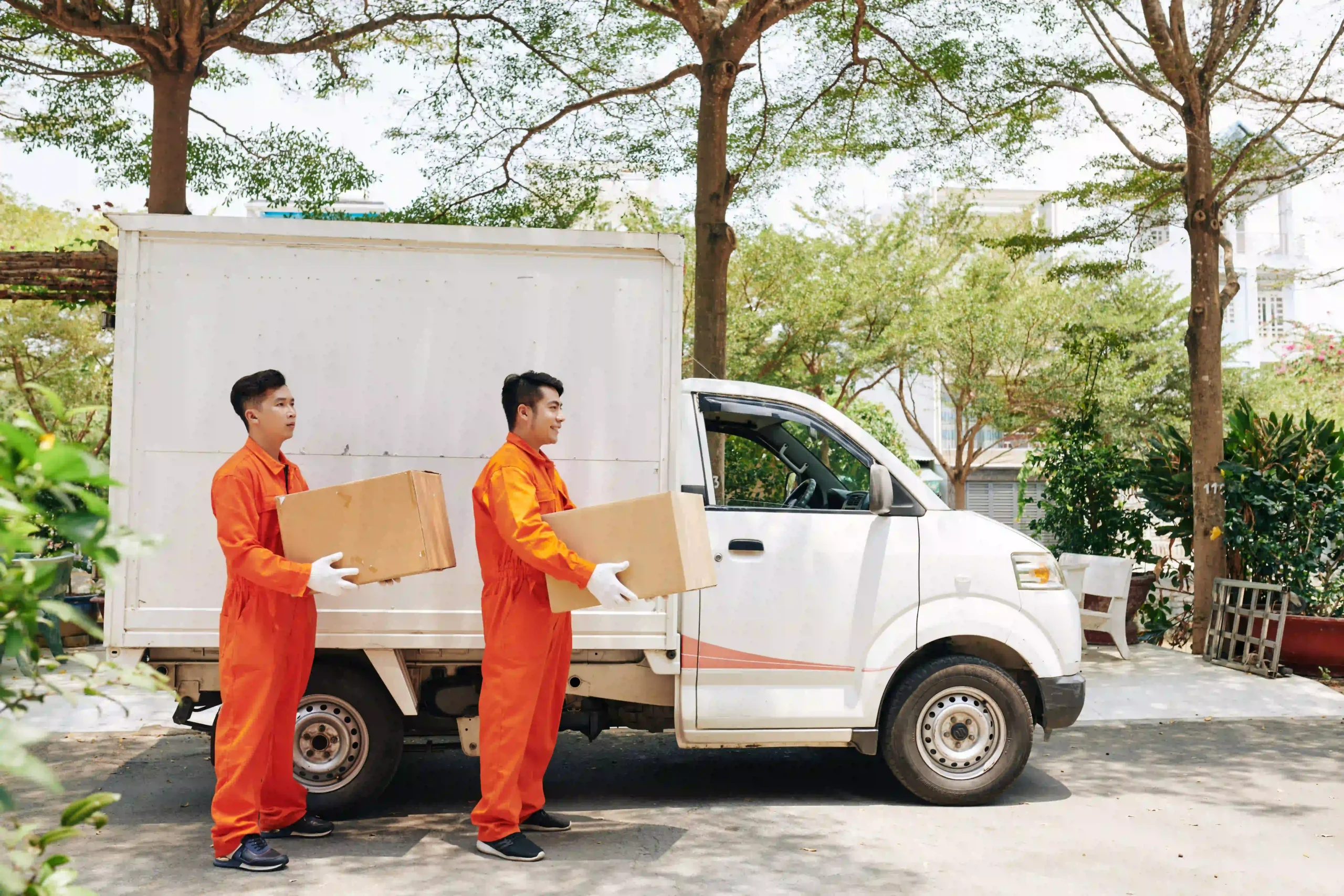
- Pre-assigned vans and lorries.
- Fixed driver schedules.
- Backup vehicles for critical routes.
This reduces the risk of cancellations or sudden rescheduling.
3. Cold chain protection during peak periods
For temperature-sensitive goods, late delivery is only half the problem. Temperature deviation is the other.
Our solutions include:
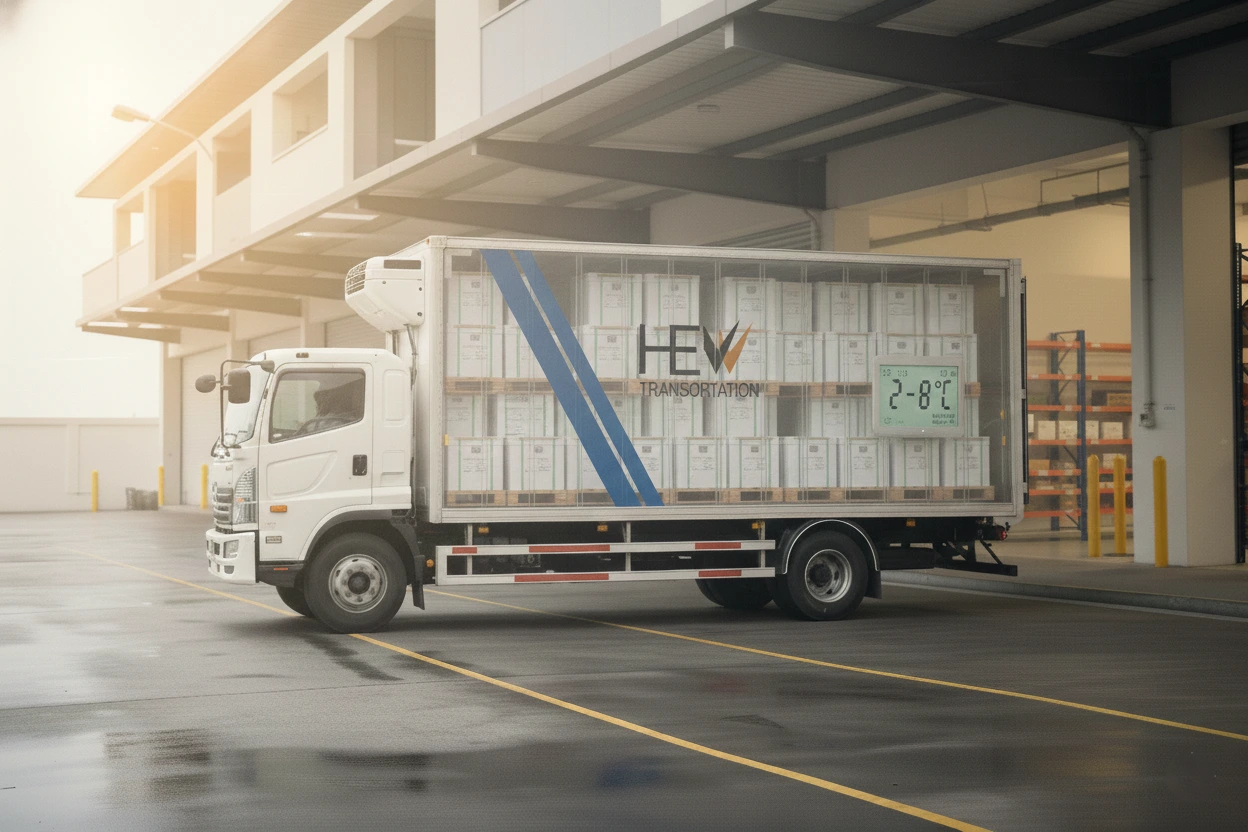
- Chilled and frozen vehicles with monitored temperature ranges.
- Reduced loading and unloading times.
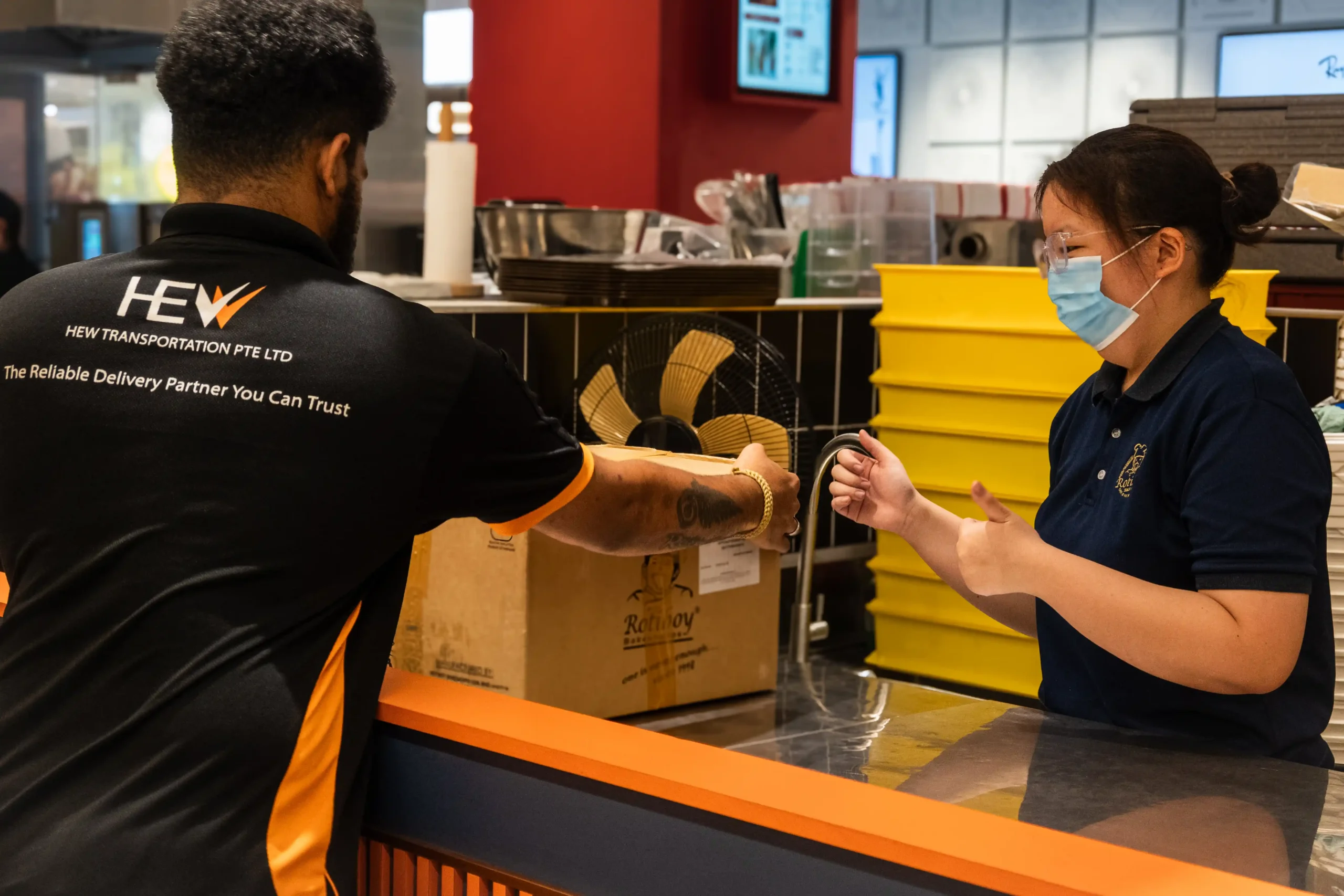
- Clear handover procedures at receiving points.
Cold chain logistics cannot be improvised during Chinese New Year. It either works, or it fails.
Step-by-Step: Preventing Late Delivery Before Chinese New Year
Here’s the basic flow we follow, and it’s surprisingly simple when done early.
- Confirm shipment forecasts 4–6 weeks before CNY.
- Lock in transport capacity and driver availability.
- Adjust delivery schedules to avoid peak shutdown days.
- Stage inventory closer to final delivery points.
- Monitor deliveries actively during the holiday period.
This step-by-step approach forms the backbone of effective late delivery Chinese New Year solutions.
Industry-Specific Risks and Solutions
Different industries face different risks during Chinese New Year. A single approach rarely works for everyone.
| Industry | Main Risk During CNY | Practical Solution |
|---|---|---|
| Food & Beverage | Spoilage, stockouts | Dedicated cold chain routes |
| Retail & FMCG | Missed sales windows | Early inventory staging |
| Pharmaceuticals | Temperature deviation | Monitored chilled delivery |
| B2B Distribution | Warehouse closures | Flexible delivery timing |
Understanding your industry risk makes late delivery Chinese New Year solutions much more targeted.
Real-World Insight from Peak Season Operations
From past Chinese New Year periods, one thing stands out: businesses that plan early rarely panic later.
In one CNY peak, we supported multiple B2B clients with time-sensitive deliveries by spreading shipments across smaller, earlier windows rather than pushing everything into the final week. The result was fewer missed deliveries and more predictable operations, even with reduced manpower.
This kind of adjustment doesn’t look impressive on paper, but it works in real life.
Where Last-Mile Planning Fits In
Late delivery often happens at the last mile, not during long-haul transport.
That’s why we integrate last-mile execution into our Chinese New Year planning, especially for businesses with multiple delivery points. Our Last mile courier service for businesses plays a key role in keeping deliveries realistic, not overly ambitious, during festive periods.
When last-mile expectations match on-the-ground conditions, delays drop naturally

Conclusion: Planning Is the Real Solution to Late Delivery
Late delivery during Chinese New Year is not a mystery problem. It’s a planning problem.
At HEW Transportation, we specialise in building late delivery Chinese New Year solutions around real operating conditions, not ideal assumptions. By planning early, securing capacity, and aligning last-mile execution, businesses can move through CNY without unnecessary disruption.
If your business relies on consistent delivery during peak festive periods, the smartest next step is to plan with a logistics partner who understands how Chinese New Year actually works on the ground. Visit Last Mile Delivery to plan your Chinese New Year logistics before the rush begins.
FAQs (Frequently Asked Questions)
What are late delivery Chinese New Year solutions?
They are logistics strategies designed to prevent or reduce delivery delays caused by manpower shortages, capacity limits, and holiday shutdowns during CNY.
When should businesses start planning for Chinese New Year deliveries?
Ideally 4 to 6 weeks before Chinese New Year, especially for B2B and cold chain shipments.
Is late delivery during Chinese New Year unavoidable?
No. While disruptions are common, proper planning and dedicated capacity make delays manageable and often preventable.
Which industries are most affected by CNY delivery delays?
Food, retail, pharmaceuticals, and B2B distribution tend to feel the impact most due to time-sensitive inventory.
How does cold chain logistics affect CNY delivery planning?
Cold chain deliveries require extra buffer time, temperature monitoring, and reliable vehicles, making early planning even more critical.