Common cold chain risks refer to the potential problems that can occur during the storage, handling, and transportation of temperature-sensitive products. These risks can compromise product quality, shorten shelf life, create food safety concerns, and lead to costly financial losses if not properly managed.
Cold chain logistics plays a vital role in industries such as food and beverage, pharmaceuticals, healthcare, agriculture, and biotechnology. Products like frozen food, fresh produce, dairy products, seafood, vaccines, and medicines require strict temperature control from origin to destination.
Understanding the common cold chain risks allows businesses to strengthen their logistics operations, reduce spoilage, comply with regulations, and deliver products safely to customers.
Why Managing Cold Chain Risks Matters
A successful cold chain depends on maintaining consistent environmental conditions throughout the supply chain.
Businesses that transport temperature-sensitive products aim to:
- Preserve product quality
- Maintain food and pharmaceutical safety
- Reduce spoilage
- Meet regulatory requirements
- Improve customer satisfaction
Without effective risk management, companies may experience:
- Product deterioration
- Temperature excursions
- Delivery delays
- Compliance violations
- Increased operational costs
Managing these risks helps businesses protect both their products and their reputation.
Key Impacts of Cold Chain Risks
| Cold Chain Risk | Business Impact |
|---|---|
| Temperature Excursions | Product spoilage and reduced shelf life |
| Equipment Failure | Interrupted cold chain operations |
| Delivery Delays | Increased quality risks |
| Poor Handling Practices | Damaged products |
| Inadequate Monitoring | Limited shipment visibility |
| Regulatory Non-Compliance | Financial penalties and customer distrust |
The Most Common Cold Chain Risks
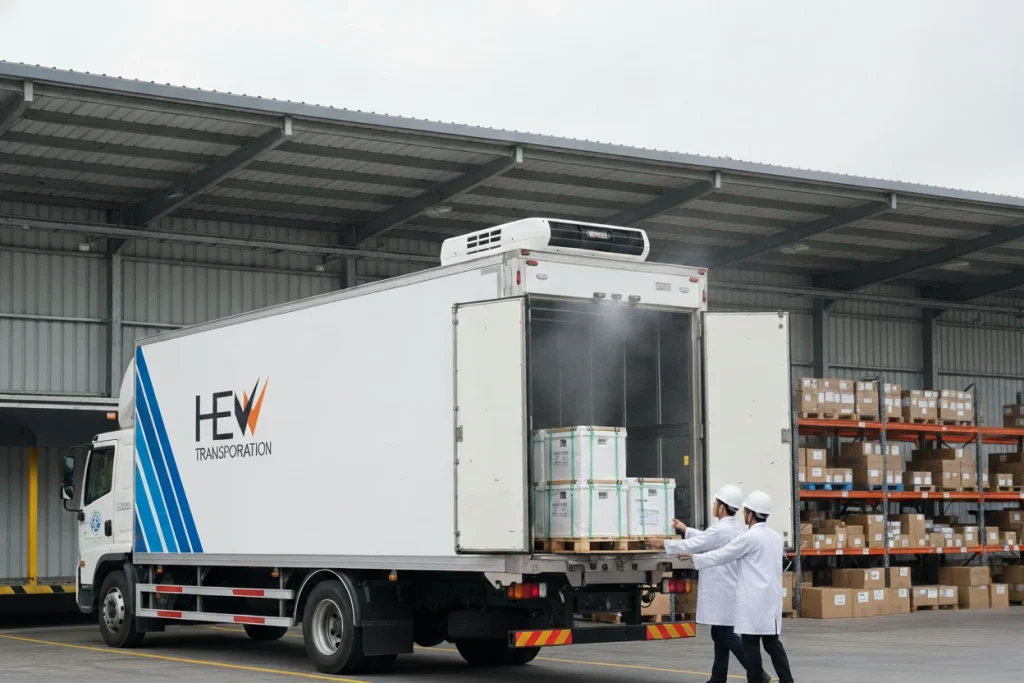
Cold chain logistics involves multiple stages where failures may occur.
1. Temperature Excursions
One of the most common cold chain risks is exposure to temperatures outside the required range.
Causes include:
- Refrigeration failure
- Frequent door openings
- Poor insulation
- Extended loading times
Even brief temperature fluctuations can significantly reduce product quality.
2. Equipment Failure
Cold chain equipment requires continuous maintenance.
Examples include:
- Refrigerated trucks
- Cold storage systems
- Refrigeration compressors
- Temperature sensors
Unexpected equipment breakdowns can interrupt the entire logistics process.
3. Transportation Delays
Traffic congestion, weather conditions, mechanical issues, or scheduling problems may extend delivery times. Longer transit times increase the likelihood of temperature instability.
4. Improper Product Handling
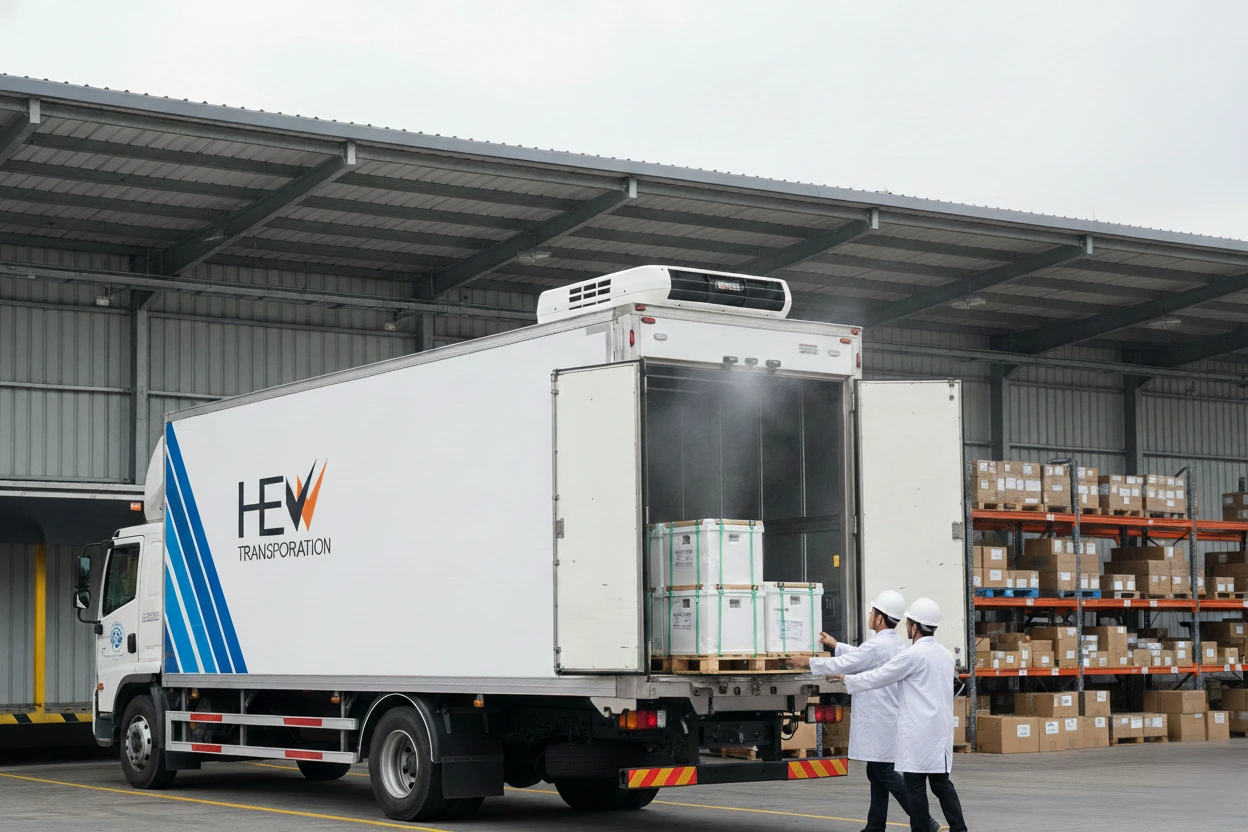
Improper loading or unloading may expose products to warm environments.
Common handling mistakes include:
- Leaving products outside refrigerated storage
- Incorrect pallet stacking
- Poor packaging practices
- Excessive product handling
5. Inaccurate Temperature Monitoring
Without continuous monitoring, businesses may not detect problems until products have already been compromised.
Modern temperature monitoring systems improve visibility and support faster corrective actions.
Industries Most Affected by Cold Chain Risks
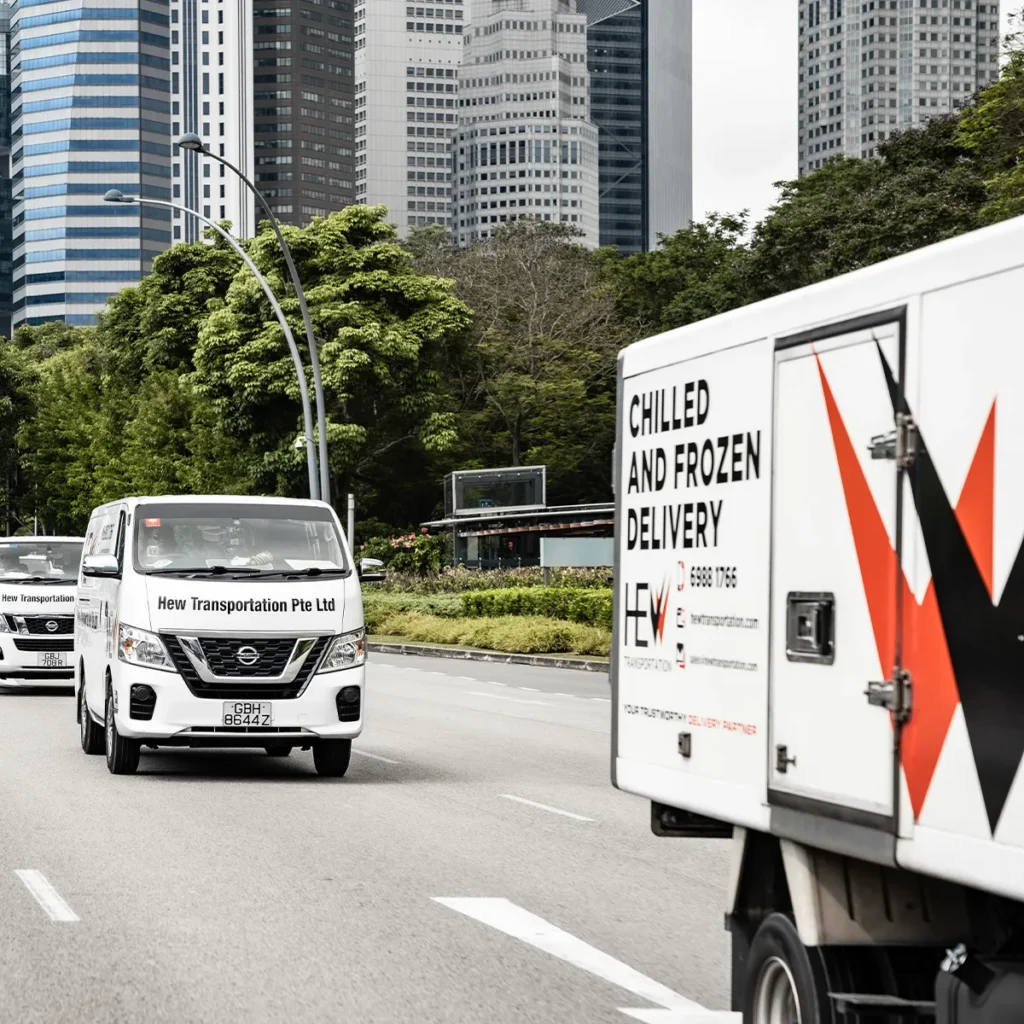
Many industries depend on reliable cold chain logistics.
Food and Beverage
Frozen foods, seafood, dairy products, meat, and fresh produce require uninterrupted temperature control.
Pharmaceutical Industry
Vaccines, insulin, biologics, and other medicines must remain within strict temperature ranges.
Healthcare
Hospitals and laboratories rely on dependable cold chain transportation for sensitive medical products.
Agriculture
Fresh fruits and vegetables require controlled environments to maintain freshness during transportation.
How Businesses Can Reduce Common Cold Chain Risks
Preventive measures help minimize disruptions and improve logistics performance.
1. Use Temperature-Controlled Vehicles
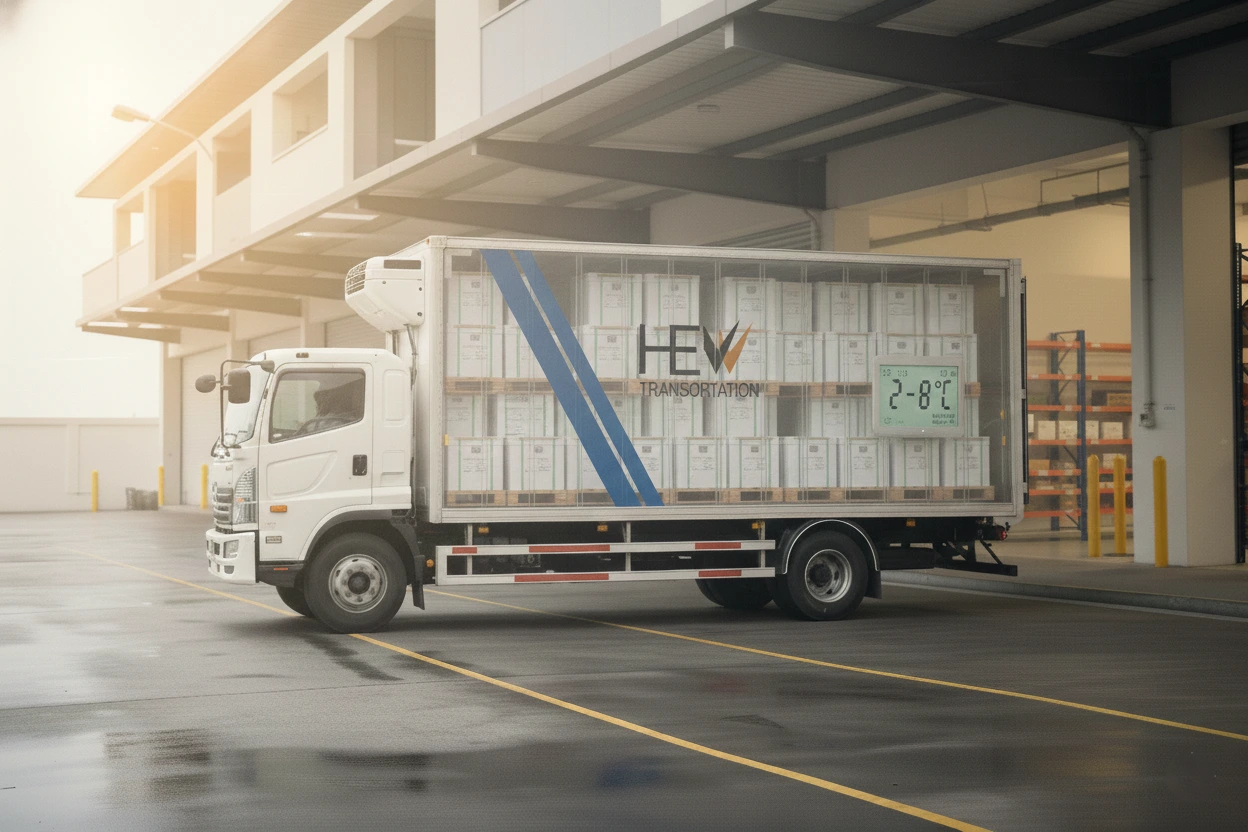
Refrigerated vehicles maintain stable temperatures throughout transportation.
2. Implement Real-Time Monitoring
IoT sensors and GPS tracking provide continuous visibility into shipment conditions.
Businesses can monitor:
- Temperature
- Humidity
- Vehicle location
- Delivery status
3. Maintain Equipment Regularly
Routine inspections reduce unexpected refrigeration failures.
4. Train Employees
Drivers, warehouse staff, and logistics personnel should understand proper cold chain handling procedures.
5. Develop Contingency Plans
Businesses should prepare backup procedures for:
- Equipment failures
- Vehicle breakdowns
- Route disruptions
- Power outages
Cold Chain Risk Management and Cold Chain Delivery
Understanding how cold chain delivery works is essential for minimizing risks throughout the transportation process. A well-designed cold chain system combines temperature-controlled vehicles, real-time monitoring, trained logistics professionals, and carefully planned delivery routes to maintain product integrity from pickup to final delivery.
Businesses that invest in proper cold chain management significantly reduce spoilage, improve regulatory compliance, and strengthen customer confidence.
Case Example: Reducing Cold Chain Risks
A frozen food distributor supplying supermarkets across Singapore experienced increasing spoilage caused by inconsistent refrigeration during transportation.
Challenges
- Temperature fluctuations
- Equipment downtime
- Delivery delays
- Product losses
Solutions Implemented
The company introduced:
- Fleet-wide temperature monitoring
- Preventive equipment maintenance
- Driver training programs
- Optimized delivery schedules
Results
Within six months:
- Product spoilage decreased significantly
- On-time deliveries improved
- Equipment failures were reduced
- Customer satisfaction increased
This example demonstrates how proactive risk management strengthens cold chain performance.
Future Trends in Cold Chain Risk Management
Technology continues improving temperature-controlled logistics.
Artificial Intelligence
AI helps businesses predict equipment failures and optimize delivery schedules.
Internet of Things (IoT)
Connected sensors provide real-time alerts when temperature deviations occur.
Predictive Analytics
Historical shipment data helps identify potential operational risks before they become costly problems.
Sustainable Refrigeration
Energy-efficient refrigeration systems reduce environmental impact while maintaining reliable temperature control.
These innovations will continue making cold chain logistics safer and more efficient.
Conclusion: Protect Your Cold Chain with HEW Transportation
Managing common cold chain risks is essential for businesses transporting temperature-sensitive products. From preventing temperature excursions to maintaining refrigeration equipment and improving shipment visibility, effective cold chain management protects product quality, reduces financial losses, and supports customer satisfaction.
At HEW Transportation, we specialize in professional cold chain logistics supported by temperature-controlled vehicles, experienced logistics teams, advanced shipment monitoring, and dependable transportation planning. Our solutions are designed to help businesses maintain cold chain integrity while meeting the highest standards of safety and reliability.
Whether you transport frozen foods, fresh produce, pharmaceuticals, or other temperature-sensitive products, HEW Transportation provides customized logistics solutions that help your business operate with confidence.
Pro Tip: Cold chain failures are often preventable. Invest in reliable refrigeration equipment, monitor shipments in real time, train your logistics team regularly, and partner with an experienced provider like HEW Transportation to protect product quality and keep your supply chain running smoothly.
FAQs (Frequently Ask Question)
What are common cold chain risks?
Common cold chain risks include temperature excursions, equipment failure, transportation delays, improper handling, and inadequate temperature monitoring.
Why are cold chain risks important?
They can affect product quality, food safety, regulatory compliance, and customer satisfaction while increasing operational costs.
Which industries are most affected by cold chain risks?
Food and beverage, pharmaceuticals, healthcare, agriculture, and biotechnology industries rely heavily on effective cold chain management.
How can businesses reduce cold chain risks?
Businesses can use refrigerated vehicles, real-time temperature monitoring, preventive equipment maintenance, employee training, and contingency planning.
What is the biggest risk in cold chain logistics?
Temperature excursions are generally considered the biggest risk because even short periods outside the required temperature range can compromise product quality and safety.