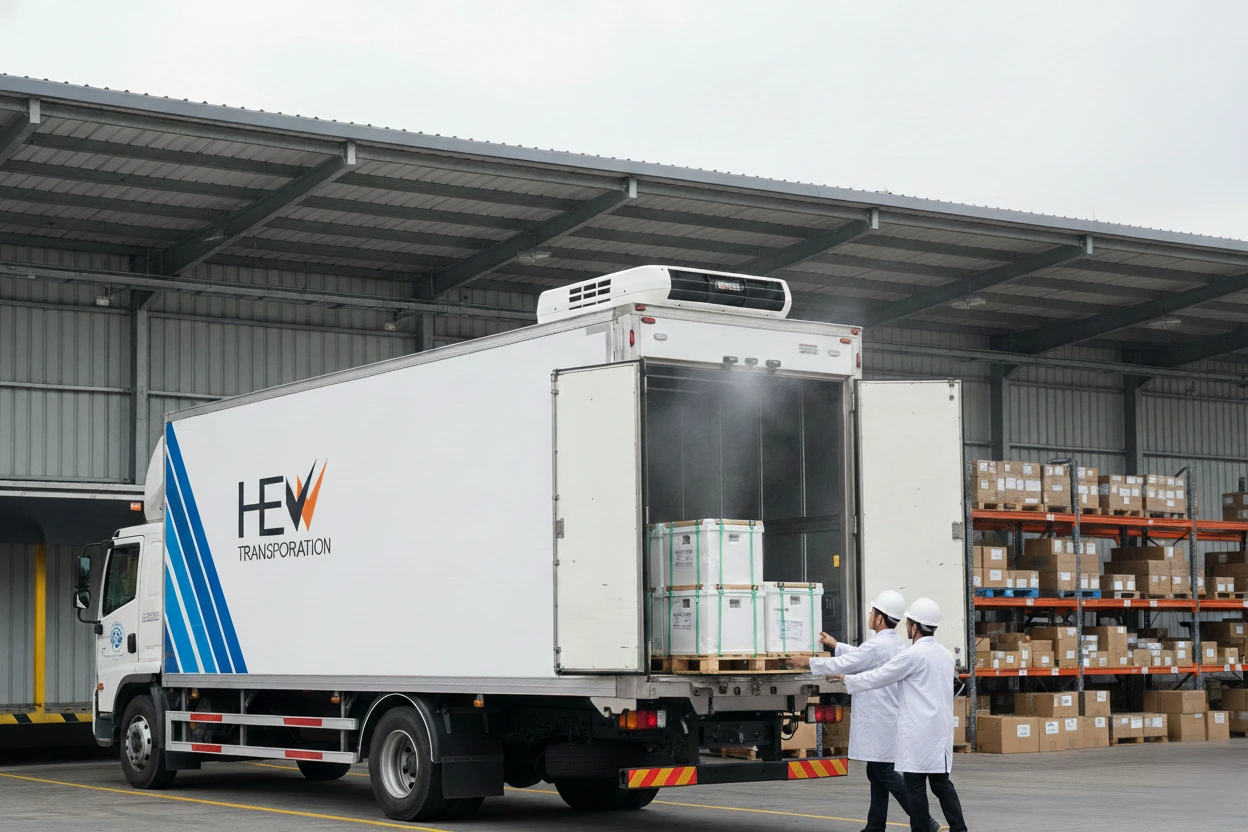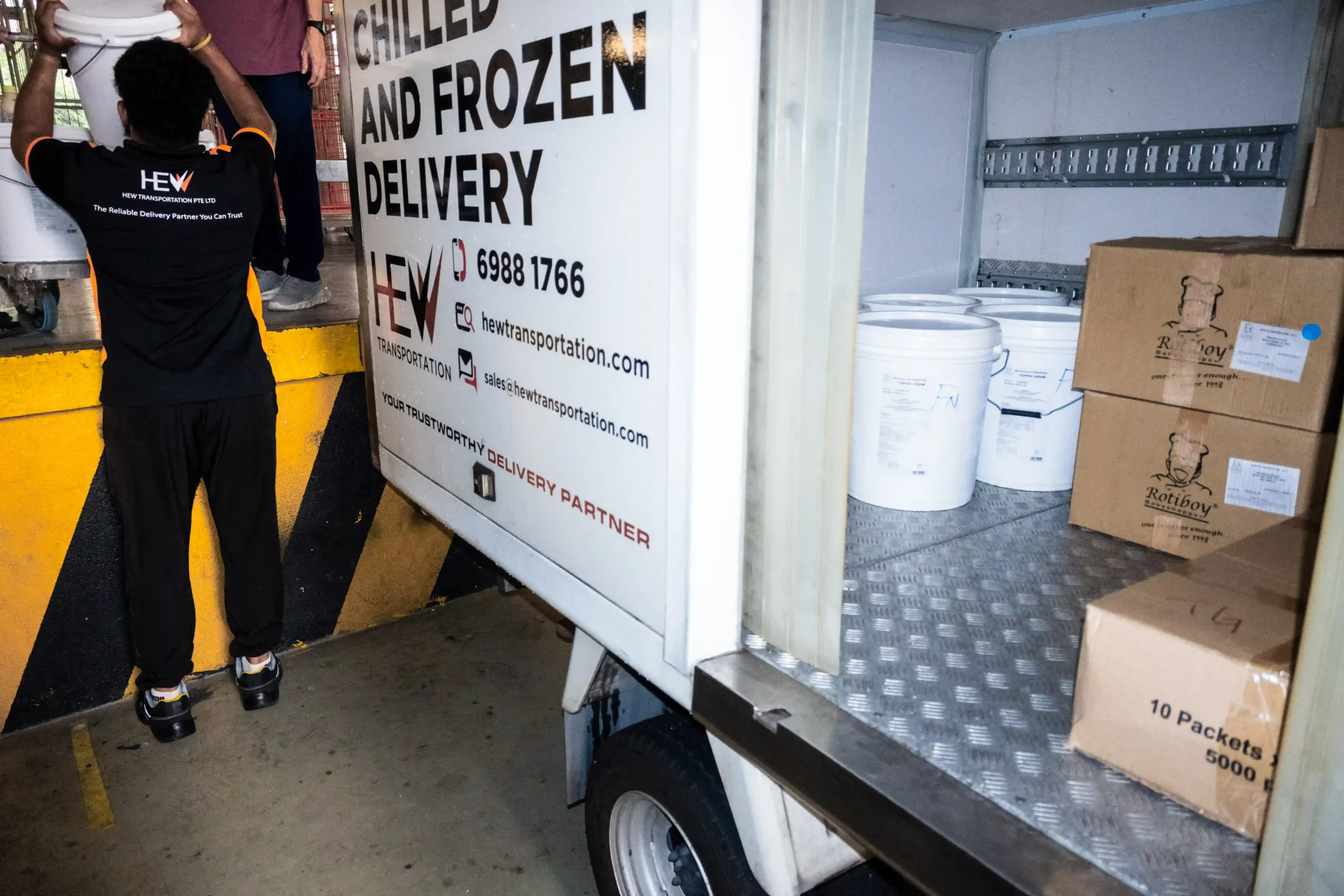
Best Practices for Transporting Fresh Fruits: A Complete Overview
Transporting fresh fruits requires careful planning, proper handling, and temperature-controlled logistics to preserve freshness from harvest to the final destination. Since fruits are highly perishable, even minor mistakes during transportation can lead to quality deterioration, reduced shelf life, and significant financial losses.
The best practices for transporting fresh fruits involve maintaining the cold chain, selecting suitable packaging, monitoring temperature and humidity, optimizing delivery routes, and ensuring careful handling throughout the supply chain.
Whether you operate a farm, wholesale distribution business, supermarket, or food import company, following these best practices helps maintain product quality while meeting customer expectations.
Why Proper Fresh Fruit Transportation Matters

Fresh fruits continue to respire after harvesting. During transportation, they remain sensitive to:
- Temperature fluctuations
- Physical impact
- Humidity changes
- Delayed deliveries
- Poor ventilation
Without proper transportation procedures, businesses may experience:
- Product spoilage
- Reduced freshness
- Increased waste
- Customer complaints
- Financial losses
Maintaining optimal transport conditions helps preserve both quality and profitability.
Key Benefits of Following Best Practices
| Best Practice | Business Benefit |
|---|---|
| Temperature Control | Preserves freshness |
| Proper Packaging | Minimizes damage |
| Fast Transportation | Extends shelf life |
| Humidity Management | Prevents dehydration |
| Route Optimization | Reduces delivery time |
| Careful Handling | Improves product quality |
How Fresh Fruit Transportation Works
A successful transportation process involves multiple stages.
Step 1: Harvesting
Fruits should be harvested at the correct maturity stage.
Step 2: Pre-Cooling
Removing field heat immediately after harvesting slows respiration and extends freshness.
Step 3: Packaging
Fresh fruits should be packed using breathable and protective packaging materials.
Step 4: Refrigerated Transportation
Temperature-controlled vehicles help maintain ideal storage conditions throughout transit.
Step 5: Delivery
Products should be unloaded quickly and transferred into cold storage whenever possible.
Best Practices for Transporting Fresh Fruits
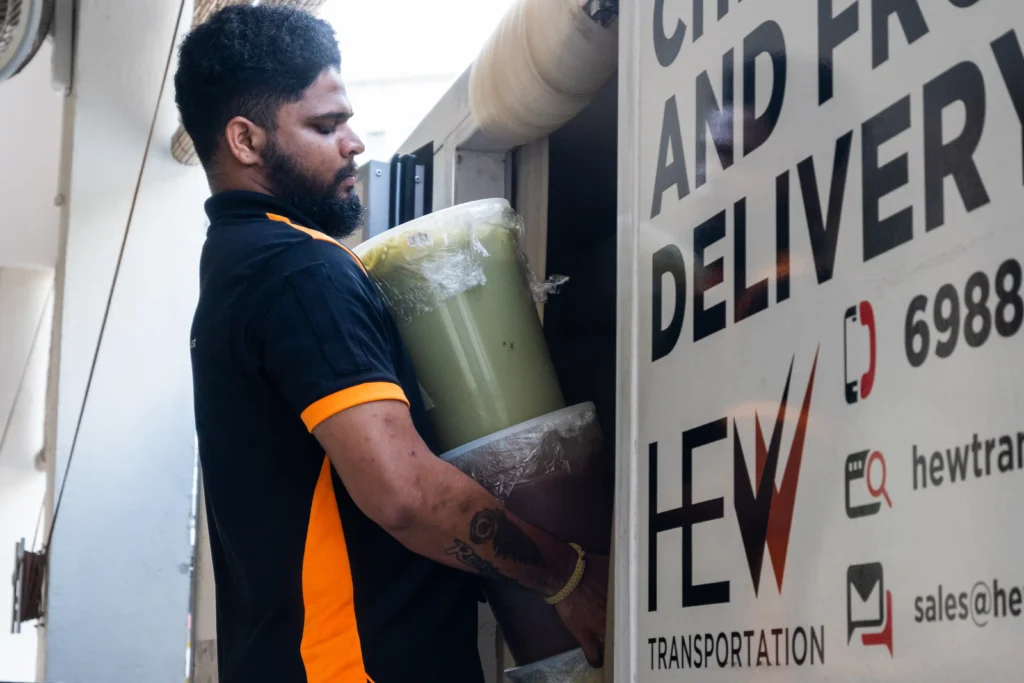
Businesses can significantly reduce spoilage by following proven logistics strategies.
1. Maintain the Cold Chain
Continuous temperature control is the most important factor in transporting fresh fruits.
Recommended practices include:
- Pre-cooling products
- Using refrigerated vehicles
- Monitoring temperatures throughout transportation
2. Use Proper Packaging
Suitable packaging helps protect fruits from bruising and excessive moisture loss.
Packaging should provide:
- Ventilation
- Cushioning
- Stackability
- Moisture resistance
3. Minimize Handling
Every transfer increases the risk of physical damage. Reducing unnecessary handling helps preserve fruit quality.
4. Optimize Delivery Routes
Shorter delivery times reduce exposure to unfavorable environmental conditions. Efficient route planning also lowers fuel consumption.
5. Monitor Temperature and Humidity
Different fruits require different environmental conditions. Regular monitoring ensures products remain within acceptable ranges throughout transit.
Common Challenges in Fresh Fruit Transportation
Transporting fresh produce presents unique operational challenges.
Temperature Variations
Improper cooling accelerates spoilage.
Mechanical Damage
Poor loading practices can bruise delicate fruits.
Delayed Deliveries
Traffic congestion or inefficient scheduling may reduce product freshness.
High Transportation Costs
Cold chain transportation requires specialized equipment and experienced logistics providers. Businesses that address these challenges improve product quality and customer satisfaction.
Industries That Depend on Fresh Fruit Transportation
Reliable transportation supports many sectors.
Farms and Growers
Freshly harvested fruits require immediate transportation.
Food Importers
Imported produce depends on efficient cold chain logistics.
Supermarkets
Retailers rely on regular deliveries to maintain fresh inventory.
Food Wholesalers
Bulk fruit distribution requires careful transportation planning.
Hospitality Industry
Hotels, restaurants, and catering businesses require fresh produce daily.
Technology Supporting Fresh Fruit Logistics
Modern logistics technology improves transportation efficiency.
GPS Tracking
Provides real-time shipment visibility.
Temperature Monitoring Systems
Continuously monitor refrigerated cargo conditions.
Route Optimization Software
Reduces transportation time and improves efficiency.
Digital Proof of Delivery
Enhances shipment transparency and accountability.
Fresh Fruit Transportation and Frozen Food Logistics
While fresh fruits require different storage conditions than frozen products, many businesses benefit from understanding how frozen food logistics in singapore supports temperature-controlled transportation, specialized fleet management, and cold chain best practices that also contribute to protecting other perishable food products.
Learning from established cold chain logistics systems helps businesses strengthen overall food transportation efficiency and reduce product losses.
Case Example: Improving Fresh Fruit Delivery Performance
A fruit distributor supplying retailers across Singapore experienced increasing spoilage during transportation.
Challenges
- Temperature inconsistencies
- Delivery delays
- Damaged packaging
- High product waste
Solutions Implemented
The company introduced:
- Refrigerated transportation
- Temperature monitoring systems
- Route optimization
- Improved packaging materials
Results
After implementation:
- Fruit spoilage decreased significantly
- Delivery reliability improved
- Customer complaints were reduced
- Overall transportation efficiency increased
This example demonstrates how proper transportation practices directly improve profitability and customer satisfaction.
Future Trends in Fresh Fruit Transportation
Technology continues to transform cold chain logistics.
Artificial Intelligence
AI supports:
- Demand forecasting
- Route optimization
- Delivery scheduling
IoT Temperature Sensors
Real-time monitoring improves shipment visibility and product protection.
Sustainable Transportation
Businesses increasingly adopt fuel-efficient vehicles and environmentally responsible logistics practices.
Smart Cold Chain Management
Integrated logistics platforms improve communication across the entire supply chain. These innovations continue improving the transportation of fresh fruits worldwide.
Conclusion: Protect Fresh Produce with HEW Transportation
Following the best practices for transporting fresh fruits helps businesses reduce spoilage, maintain product quality, and improve supply chain efficiency. Proper temperature control, careful handling, optimized delivery routes, and reliable cold chain logistics are essential for protecting perishable products throughout transportation.
At HEW Transportation, we provide professional temperature-controlled transportation solutions designed to help food businesses maintain freshness and operational efficiency. Our experienced logistics team, refrigerated fleet, and commitment to reliable delivery make us a trusted partner for transporting fresh and temperature-sensitive products across Singapore.
Whether you are a food distributor, supermarket, importer, or agricultural business, HEW Transportation offers dependable logistics solutions that support your business growth while protecting product quality.
Pro Tip: Don’t leave fresh fruit quality to chance. Invest in proper cold chain transportation, monitor every shipment carefully, and partner with an experienced logistics provider like HEW Transportation to deliver fresher products, reduce waste, and build long-term customer trust.
FAQs (Frequently Ask Question)
What is the best temperature for transporting fresh fruits?
The ideal temperature varies by fruit type, but most fresh fruits should be transported in a controlled refrigerated environment to maintain freshness.
Why is pre-cooling important before transporting fresh fruits?
Pre-cooling removes field heat, slows respiration, and helps extend the shelf life of fresh produce.
How can businesses reduce fruit spoilage during transportation?
Using refrigerated vehicles, proper packaging, temperature monitoring, and optimized delivery routes significantly reduces spoilage.
What industries rely on fresh fruit transportation?
Farms, supermarkets, food importers, wholesalers, restaurants, and hospitality businesses all depend on reliable fresh fruit logistics.
Why is cold chain logistics important for fresh fruits?
Cold chain logistics helps maintain consistent temperatures throughout transportation, preserving freshness, quality, and food safety.