Parcel Delivery Management: A Complete Overview
Parcel delivery management refers to the process of planning, tracking, coordinating, and optimizing parcel shipments from the point of dispatch to the final recipient. It involves managing delivery routes, shipment visibility, carrier performance, customer communications, and operational efficiency to ensure parcels arrive safely and on time.
As e-commerce, retail, healthcare, and B2B logistics continue to grow, parcel delivery management has become a critical component of supply chain success. Businesses today are expected to provide faster deliveries, real-time tracking, and seamless customer experiences while keeping logistics costs under control.
In simple terms, parcel delivery management helps companies move packages more efficiently, reduce delivery errors, and improve customer satisfaction.
Why Parcel Delivery Management Matters in Today’s Logistics Industry
Consumer expectations have changed dramatically over the last decade. Customers now expect:
- Fast delivery services
- Real-time shipment tracking
- Accurate delivery updates
- Flexible delivery options
- Reliable parcel handling
Without an effective parcel delivery management strategy, businesses often face:
- Missed deliveries
- Higher transportation costs
- Lost or damaged parcels
- Poor customer reviews
- Reduced operational efficiency
Organizations that invest in parcel delivery management systems are better equipped to meet customer expectations while maintaining profitability.
Key Benefits of Parcel Delivery Management
| Benefit | Business Impact |
|---|---|
| Real-Time Tracking | Increased visibility across shipments |
| Route Optimization | Reduced fuel and transportation costs |
| Automated Notifications | Better customer communication |
| Performance Monitoring | Improved delivery accuracy |
| Delivery Analytics | Data-driven logistics decisions |
| Scalability | Supports growing delivery volumes |
How Parcel Delivery Management Works
A successful parcel delivery management process typically follows several stages.
Step 1: Order Processing
Customer orders are received and verified.
Key activities include:
- Order confirmation
- Address validation
- Package preparation
- Label generation
Step 2: Shipment Planning
Logistics teams determine:
- Delivery schedules
- Vehicle allocation
- Driver assignments
- Carrier selection
Step 3: Parcel Dispatch
Packages are loaded and dispatched through the designated transportation network.
Step 4: Real-Time Tracking
Modern parcel delivery management systems provide visibility throughout the delivery journey.
Tracking data may include:
- Current parcel location
- Estimated arrival time
- Delivery status updates
- Exception alerts
Step 5: Final Delivery Confirmation
Upon successful delivery:
- Electronic proof of delivery is captured
- Customer notifications are sent
- Delivery performance data is recorded
Core Components of an Effective Parcel Delivery Management System
Businesses seeking long-term logistics success should focus on several critical components.
Route Optimization
Route optimization helps delivery fleets identify the most efficient paths.
Benefits include:
- Lower fuel consumption
- Faster deliveries
- Reduced vehicle wear and tear
- Improved driver productivity
Delivery Tracking Technology
Customers increasingly expect transparency throughout the delivery process.
Modern tracking solutions offer:
- GPS tracking
- Live status updates
- Delivery notifications
- ETA calculations
Carrier Management
Companies often work with multiple logistics providers.
Parcel delivery management allows businesses to:
- Compare carrier performance
- Monitor delivery success rates
- Analyze shipping costs
- Improve vendor relationships
Delivery Analytics
Data helps businesses identify opportunities for improvement.
Important metrics include:
- On-time delivery rate
- Cost per delivery
- Failed delivery percentage
- Customer satisfaction scores
Common Challenges in Parcel Delivery Management
Even well-established businesses encounter delivery challenges.
Rising Delivery Costs
Fuel prices, labor costs, and operational expenses continue to increase globally.
Businesses must constantly balance:
- Speed
- Cost
- Service quality
Failed Deliveries
Incorrect addresses, unavailable recipients, and communication gaps often result in failed deliveries.
Seasonal Demand Surges
Peak seasons can overwhelm logistics operations if capacity planning is inadequate.
Examples include:
- Holiday shopping periods
- Promotional campaigns
- E-commerce sales events
Customer Expectations
Customers increasingly expect:
- Same-day delivery
- Flexible delivery windows
- Accurate tracking information
Meeting these expectations requires advanced parcel delivery management capabilities.
Parcel Delivery Management Best Practices
Businesses can improve delivery performance by following proven best practices.
1. Invest in Technology
Automation reduces manual errors and improves operational visibility.
Recommended tools include:
- Transportation Management Systems (TMS)
- GPS Tracking Platforms
- Delivery Management Software
- Route Optimization Solutions
2. Monitor Key Performance Indicators
Track important logistics metrics regularly.
Key KPIs include:
- On-time delivery rate
- Delivery success rate
- Average delivery time
- Cost per shipment
3. Optimize Delivery Routes
Regular route reviews can significantly reduce transportation costs.
4. Strengthen Customer Communication
Proactive updates help reduce customer inquiries and improve satisfaction.
5. Build a Reliable Delivery Network
Partnering with experienced transportation providers ensures consistent service quality.
Parcel Delivery Management and Same-Day Delivery Services
The rise of e-commerce has accelerated demand for rapid fulfillment solutions.
Many businesses now rely on same day delivery in singapore to meet customer expectations and maintain competitive advantages.
Successful same-day operations require:
- Efficient route planning
- Real-time visibility
- Fleet coordination
- Fast order processing
Parcel delivery management serves as the foundation that makes these rapid delivery services possible.
Case Example: Improving Delivery Efficiency Through Parcel Delivery Management
A growing retail distributor faced increasing delivery delays due to manual scheduling and limited shipment visibility.
Challenges
- Delivery delays
- Rising fuel costs
- Customer complaints
- Inefficient route planning
Solutions Implemented
- Route optimization software
- Real-time parcel tracking
- Automated customer notifications
- Delivery performance dashboards
Results
After implementation:
- Delivery efficiency improved by 28%
- Fuel consumption decreased by 15%
- Customer inquiries reduced significantly
- On-time delivery rates increased
This example demonstrates how parcel delivery management can directly improve operational performance and customer satisfaction.
Future Trends in Parcel Delivery Management
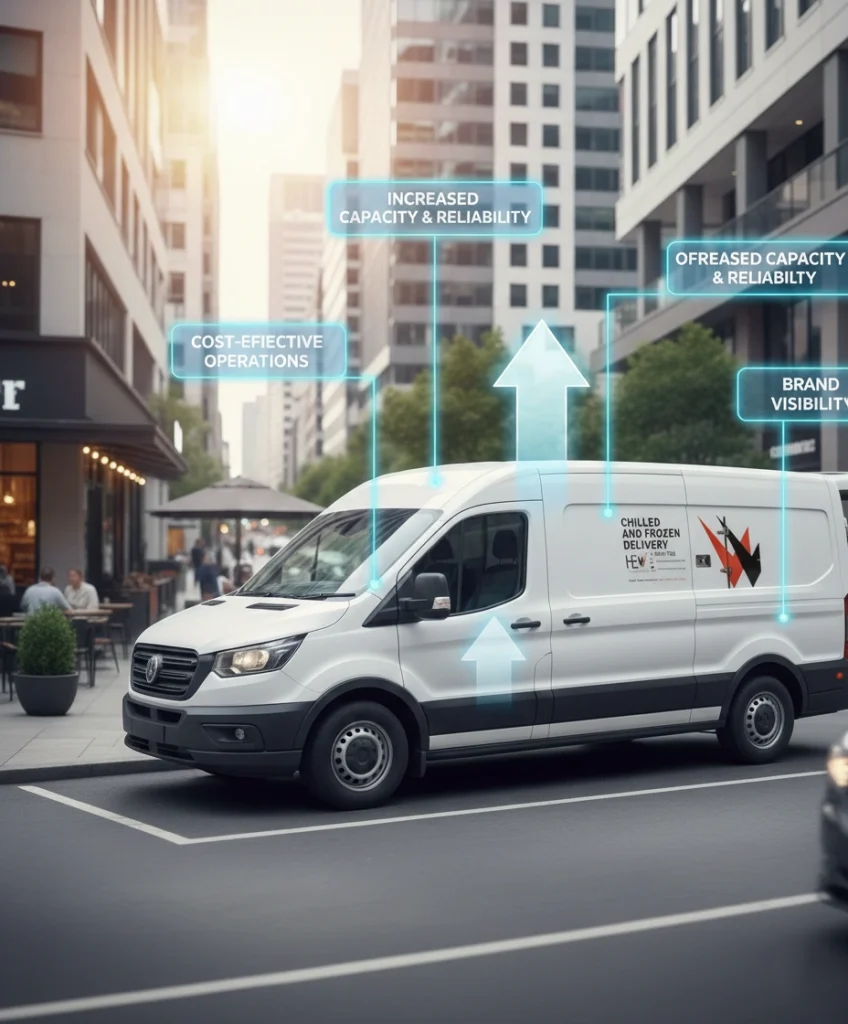
The logistics industry continues to evolve rapidly.
Emerging trends include:
Artificial Intelligence
AI helps optimize:
- Route planning
- Demand forecasting
- Delivery scheduling
Predictive Analytics
Businesses can anticipate delays before they occur.
Smart Tracking Systems
Advanced IoT devices provide greater shipment visibility.
Sustainable Logistics
Companies increasingly focus on:
- Electric delivery vehicles
- Carbon reduction initiatives
- Eco-friendly packaging
These innovations will continue to shape the future of parcel delivery management.
Conclusion: Improve Your Parcel Delivery Management with HEW Transportation
Effective parcel delivery management is no longer optional for businesses that want to remain competitive. It helps reduce costs, improve delivery accuracy, increase customer satisfaction, and create a more efficient logistics operation.
Whether your organization requires parcel distribution, last-mile delivery, transportation planning, or specialized logistics solutions, having the right logistics partner makes a significant difference.
At HEW Transportation, we leverage years of logistics expertise, advanced transportation solutions, and customer-focused service to help businesses streamline their parcel delivery management processes. Our team understands the challenges of modern supply chains and provides reliable, scalable delivery solutions tailored to your operational needs.
Pro Tip
Don’t wait until delivery issues impact customer satisfaction. Regularly review your delivery processes, invest in visibility tools, optimize routes, and partner with experienced logistics providers like HEW Transportation to build a more efficient and resilient delivery network.
Visit HEW Transportation today to discover how our transportation and logistics solutions can support your business growth and delivery performance goals.
FAQs (Frequently Ask Questions)
What is parcel delivery management?
Parcel delivery management is the process of planning, tracking, and optimizing parcel shipments to ensure timely and efficient deliveries.
Why is parcel delivery management important for businesses?
It helps reduce delivery costs, improve operational efficiency, enhance customer satisfaction, and provide real-time shipment visibility.
How does parcel tracking improve delivery performance?
Real-time tracking allows businesses and customers to monitor shipments, receive updates, and quickly address delivery issues.
What industries benefit from parcel delivery management?
E-commerce, retail, healthcare, manufacturing, food distribution, and logistics companies all benefit from effective parcel delivery management.
Can parcel delivery management support same-day delivery services?
Yes. Efficient parcel delivery management enables route optimization, real-time coordination, and faster order fulfillment, which are essential for same-day delivery services.