What Is Food Safety Transportation?
Food safety transportation refers to the proper handling, storage, and delivery of food products under controlled and hygienic conditions to maintain food quality and prevent contamination during transit.
Food products often travel through multiple stages before reaching consumers, including:
- Warehousing
- Packaging
- Transportation
- Distribution
- Last mile delivery
Without proper transportation procedures, food products can become unsafe due to:
- Temperature fluctuations
- Cross-contamination
- Improper handling
- Delayed deliveries
- Poor sanitation practices
For food distributors, restaurants, supermarkets, and cold chain logistics providers, food safety transportation plays a critical role in maintaining consumer trust and regulatory compliance.
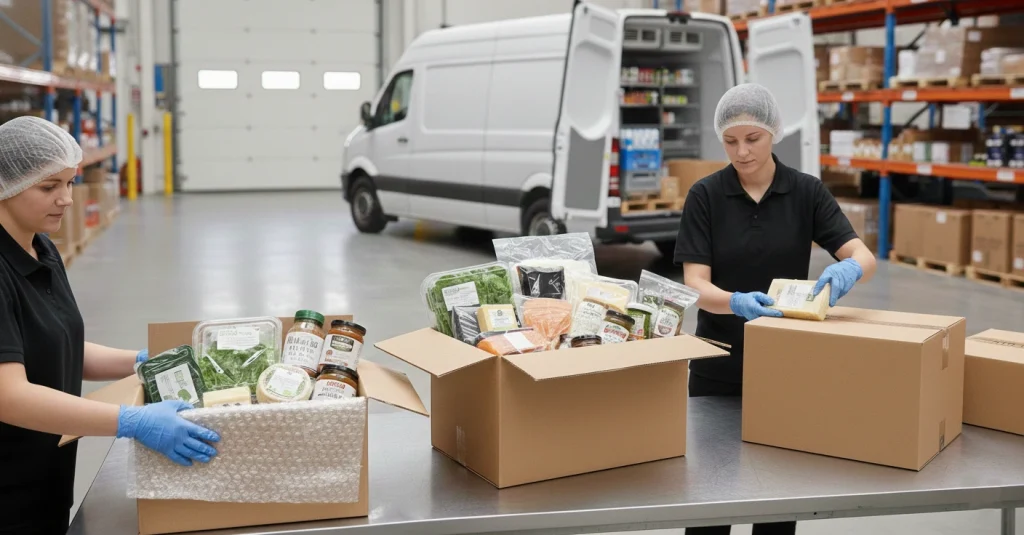
Why Food Safety Transportation Is Important
Consumers today expect food products to arrive:
- Fresh
- Safe
- Properly stored
- Hygienically handled
As food supply chains become faster and more complex, transportation safety standards have become increasingly important across Singapore’s logistics industry.
Growing Demand for Safe Food Delivery
The rise of:
- Online grocery shopping
- Frozen food delivery
- Meal delivery platforms
- Same-day logistics services
has increased the importance of safe and temperature-controlled transportation systems.
Businesses that fail to maintain food safety standards may face:
- Product recalls
- Customer complaints
- Financial losses
- Regulatory penalties
- Brand reputation damage
Pro Tip : Strong food safety transportation practices help businesses improve customer confidence and reduce operational risks.
Key Components of Food Safety Transportation
Food safety transportation involves multiple operational processes working together to protect food quality throughout the supply chain.
1. Temperature Control
Temperature management is one of the most important aspects of food transportation.
Different food products require different storage conditions:
- Frozen products: Below -18°C
- Chilled products: 0°C to 5°C
- Fresh produce: 2°C to 8°C
Improper temperature control can accelerate bacterial growth and food spoilage.
2. Hygienic Vehicle Conditions
Transportation vehicles must be cleaned and sanitized regularly to prevent contamination.
This includes:
- Refrigerated vans
- Delivery trucks
- Storage containers
- Insulated boxes
Poor hygiene management can compromise food safety during transportation.
3. Proper Packaging
Packaging helps protect products from:
- Temperature exposure\
- Physical damage
- Moisture contamination
- Cross-contact with other products
Common packaging solutions include:
- Insulated packaging
- Vacuum-sealed containers
- Thermal liners
- Leak-proof food containers
4. Delivery Time Management
Long delivery durations increase the risk of spoilage, especially for perishable food products.
Efficient route planning and same-day delivery services help maintain food freshness during transportation.
5. Staff Training and Handling Procedures
Drivers and logistics staff should understand:
- Safe food handling procedures
- Temperature requirements
- Hygiene standards
- Emergency response protocols
Human error remains one of the biggest risks in food logistics operations.
Pro Tip : Well-trained transportation teams help businesses maintain higher food safety standards and operational consistency.
Common Risks in Food Transportation
Even with proper logistics planning, food distributors still face several transportation challenges.
Temperature Fluctuations
Frequent door openings, equipment failures, and traffic delays can affect temperature stability during delivery.
This may result in:
- Product spoilage
- Reduced shelf life
- Food contamination risks
Cross-Contamination
Improper transportation practices can expose food products to contaminants.
Common contamination sources include:
- Dirty storage containers
- Improper product separation
- Poor vehicle sanitation
Transportation Delays
Traffic congestion and inefficient routing can negatively impact food quality.
Time-sensitive products such as seafood and dairy products are especially vulnerable to delayed deliveries.
Equipment Failure
Refrigeration breakdowns can quickly compromise temperature-sensitive products during transit.
Businesses should conduct regular inspections on:
- Refrigeration systems
- Cooling units
- Temperature sensors
- Vehicle maintenance systems
How Cold Chain Logistics Supports Food Safety Transportation
Cold chain logistics plays a major role in maintaining food safety standards throughout transportation and storage operations.
Professional cold chain logistics services help businesses maintain temperature consistency, reduce spoilage risks, and improve food safety throughout the transportation process.
Businesses handling frozen, chilled, and perishable products should understand how cold chain logistics for food distributors helps maintain temperature stability, improve food safety, and reduce spoilage risks throughout the supply chain.
What Is Cold Chain Logistics?
Cold chain logistics refers to the transportation and storage of temperature-sensitive products under controlled temperature conditions.
Industries commonly using cold chain transportation include:
- Food and beverage
- Pharmaceutical
- Grocery distribution
- Seafood supply chains
Benefits of Cold Chain Transportation
Consistent Temperature Control
Refrigerated vehicles help maintain stable product conditions during delivery.
Reduced Food Spoilage
Controlled environments preserve freshness and extend shelf life.
Better Regulatory Compliance
Cold chain systems help businesses meet food safety regulations more effectively.
Improved Customer Satisfaction
Customers receive fresher and safer products.
Pro Tip : Reliable cold chain logistics is one of the most effective ways to improve food transportation safety and operational efficiency.
Best Practices for Safe Food Transportation
Businesses can strengthen food safety transportation through proactive logistics planning and operational improvements.
Recommended best practices :
Use Refrigerated Transportation
Temperature-controlled vehicles help reduce spoilage risks.
Monitor Temperatures Continuously
Real-time monitoring systems allow businesses to detect temperature deviations quickly.
Optimize Delivery Routes
Efficient routing minimizes transportation time and reduces temperature exposure.
Maintain Vehicle Cleanliness
Regular sanitation procedures reduce contamination risks.
Train Employees Regularly
Drivers and logistics staff should receive ongoing food safety training.
Inspect Packaging Quality
Proper packaging helps protect products during transit.
Technology Trends in Food Safety Transportation
Technology continues transforming food transportation and cold chain logistics operations across Singapore.
Real-Time Monitoring Systems
Modern logistics providers use:
- GPS tracking
- IoT sensors
- Digital temperature monitoring
to improve shipment visibility and response times.
AI Route Optimization
Artificial intelligence helps logistics teams:
- Avoid traffic congestion
- Improve delivery timing
- Reduce fuel consumption
- Minimize spoilage risks
Smart Refrigerated Vehicles
Advanced refrigerated vehicles now include:
- Automated cooling controls
- Remote monitoring systems
- Energy-efficient refrigeration technology
These innovations improve delivery consistency and food safety protection.
Industries That Depend on Food Safety Transportation
Many industries rely heavily on safe transportation systems to maintain product quality.
Food Distribution Companies
Distributors transporting frozen and chilled products require reliable temperature-controlled logistics.
Restaurants and Catering Businesses
Restaurants depend on fresh ingredient deliveries to maintain food quality and operational efficiency.
Supermarkets and Grocery Retailers
Retail businesses require consistent transportation schedules and proper food handling procedures.
Seafood and Meat Suppliers
Highly perishable products such as seafood and meat require strict cold chain transportation standards.
Why Businesses Choose HEW Transportation for Food Safety Transportation
Businesses across Singapore require dependable logistics partners that understand food safety standards and temperature-controlled transportation requirements.
HEW Transportation supports businesses through:
- Cold chain logistics
- Refrigerated transportation
- Same-day delivery services
- Last mile delivery
- Temperature-controlled distribution solutions
With experience in food logistics and transportation coordination, HEW Transportation helps businesses maintain product quality, improve delivery reliability, and reduce food safety risks during transit.
The company’s operational expertise allows food distributors and suppliers to manage transportation more efficiently while maintaining customer trust and food safety compliance.
Businesses looking for reliable food transportation and temperature-controlled logistics solutions can explore the full range of services offered by HEW Transportation.
Conclusion: Improve Food Safety Transportation with Reliable Cold Chain Logistics
Food safety transportation is essential for protecting product quality, maintaining regulatory compliance, and ensuring customer satisfaction throughout the supply chain. As food delivery demand continues growing, businesses must prioritize transportation safety, temperature control, and proper handling procedures.
From refrigerated transportation and hygienic packaging to route optimization and staff training, every stage of the logistics process contributes to safer food delivery operations.
HEW Transportation provides professional cold chain logistics and food transportation solutions designed to support businesses across Singapore. With expertise in refrigerated delivery, temperature-controlled transportation, and same-day logistics services, HEW Transportation helps businesses strengthen food safety standards while improving delivery efficiency and operational reliability.
Businesses looking for dependable food safety transportation solutions can explore HEW Transportation’s logistics services to improve supply chain performance and long-term customer confidence.
FAQs (Frequently Ask Questions)
What is food safety transportation?
Food safety transportation refers to the safe handling, storage, and delivery of food products under hygienic and temperature-controlled conditions to maintain food quality and prevent contamination during transit.
Why is temperature control important in food transportation?
Temperature control is important because it helps prevent bacterial growth, food spoilage, and product contamination. Different food products require specific temperature ranges to remain safe and fresh during transportation.
What are the common risks in food safety transportation?
Some common risks include:
- Temperature fluctuations
- Cross-contamination
- Delivery delays
- Poor vehicle sanitation
- Equipment failure
- Improper food handling procedures
These issues can affect food quality and customer safety if not managed properly.
How does cold chain logistics improve food safety transportation?
Cold chain logistics helps maintain stable temperature conditions throughout storage and delivery. This reduces spoilage risks, preserves freshness, and improves food safety compliance for temperature-sensitive products.
How can businesses improve food safety during transportation?
Businesses can improve food safety transportation by:
- Using refrigerated vehicles
- Monitoring temperatures in real time
- Training staff on food handling procedures
- Maintaining vehicle cleanliness
- Using proper insulated packaging
- Optimizing delivery routes
These practices help protect food quality and improve delivery reliability.