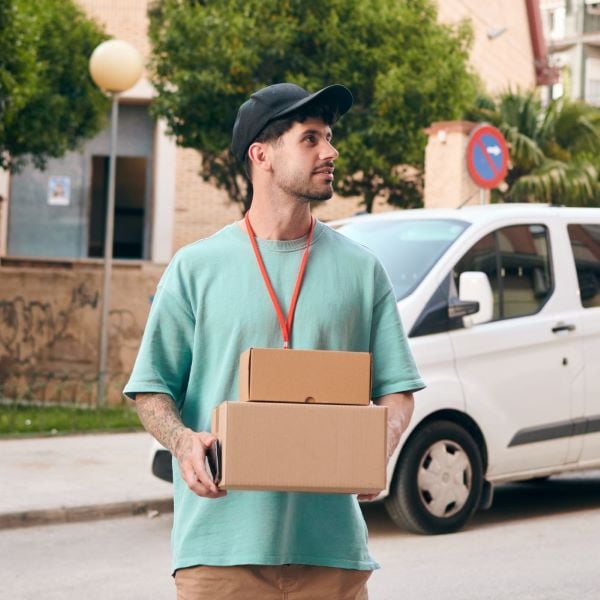
B2B cold chain last mile challenges refer to the operational, technical, and human issues that occur during the final delivery of temperature-controlled goods from a distribution point to a business customer. These goods often include fresh food, frozen products, pharmaceuticals, laboratory materials, or industrial components that must stay within a strict temperature range.
On paper, the last mile looks short and manageable. In reality, this is where planning meets real life. Traffic slows down. Loading bays are occupied. Receivers are late. Doors open too long. And slowly, sometimes without anyone noticing, product temperature starts drifting.
From our experience at HEW Transportation, most cold chain failures in B2B logistics don’t happen because of one big mistake. They happen because of small delays stacking up during the last mile.
Understanding B2B Cold Chain in the Last Mile Context
What Makes B2B Cold Chain Different from Standard Deliveries?
Cold chain delivery for B2B clients follows a very different logic compared to normal courier services.
Key differences include:
- Products are highly temperature-sensitive.
- Even short delays can damage product quality.
- Deliveries go to warehouses, clinics, or retail outlets.
- Receiving schedules are often fixed and strict.
- Compliance and documentation matter more.
In B2B cold chain logistics, “delivered” does not simply mean arriving at the address. It means the product is accepted, verified, and still within the required temperature range.
Common B2B Cold Chain Products
| Industry | Typical Products | Main Risk |
|---|---|---|
| Food & Beverage | Dairy, frozen meat, seafood | Spoilage |
| Pharmaceuticals | Vaccines, injectables | Reduced effectiveness |
| Healthcare | Lab samples | Invalid testing |
| Manufacturing | Temperature-sensitive chemicals | Safety issues |
Once temperature integrity is compromised, most of these products cannot be reused or resold.
Core B2B Cold Chain Last Mile Challenges
1. Temperature Control on Short, Unpredictable Routes
One of the biggest misconceptions is assuming short distance equals low risk. In reality:
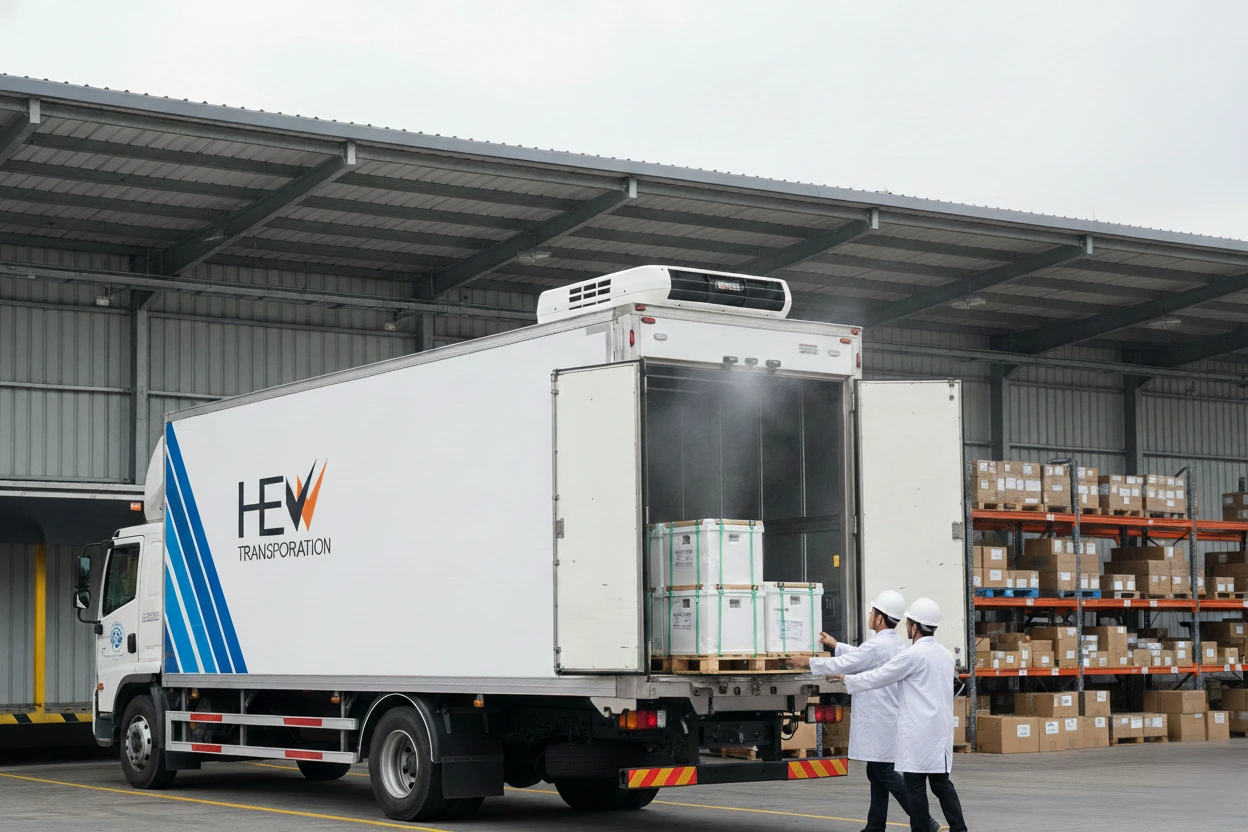
- Vehicles wait during loading and unloading.
- Doors are opened multiple times.
- Traffic creates stop-and-go conditions.
- Parking restrictions slow down access.
Each of these moments allows temperature fluctuations to creep in.
2. Mismatch Between Delivery Time and Receiving Readiness
This happens more often than businesses expect.
- The truck arrives on time.
- But the receiving team isn’t ready.
- Or the dock is occupied.
- Or approval takes longer than planned.
While the vehicle waits, refrigeration systems work harder, and temperature stability becomes harder to maintain.
3. Urban Congestion and Access Restrictions
In dense cities like Singapore, last mile delivery faces unique pressure:
- Limited loading bay access.
- Strict delivery time windows.
- Vertical buildings with shared lifts.
- No-parking enforcement/.
All of these add hidden waiting time, which is especially risky for cold chain cargo.
4. Human Error Still Plays a Role
Even with systems in place, people are involved. Common issues include:
- Missed temperature checks.
- Sensors not recalibrated.
- Doors not fully sealed.
- SOPs followed partially.
These are usually not intentional mistakes, but they still carry serious consequences.
Cost Pressures in B2B Cold Chain Last Mile Operations
Cold chain last mile costs rarely spike all at once. They grow quietly.
Major cost drivers include:
- Fuel consumption for refrigerated vehicles.
- Cooling unit maintenance.
- Failed or partial deliveries.
- Product write-offs.
- Compliance and reporting requirements.
Based on internal operational reviews at HEW Transportation, a single failed cold chain delivery can cost three to five times more than a successful one, once product loss and rescheduling are factored in.
Seasonal Peaks Increase Cold Chain Risk
High-demand periods put extra strain on last mile operations. Volumes increase, delivery windows shrink, and tolerance for error disappears.
In Singapore, festive seasons often create delivery bottlenecks. This is why we encourage businesses to plan ahead and follow guidance such as how to avoid delivery issues during cny, especially when handling temperature-sensitive goods.
How Businesses Manage B2B Cold Chain Last Mile Challenges
Technology Helps, but Discipline Matters More
Many companies rely on:
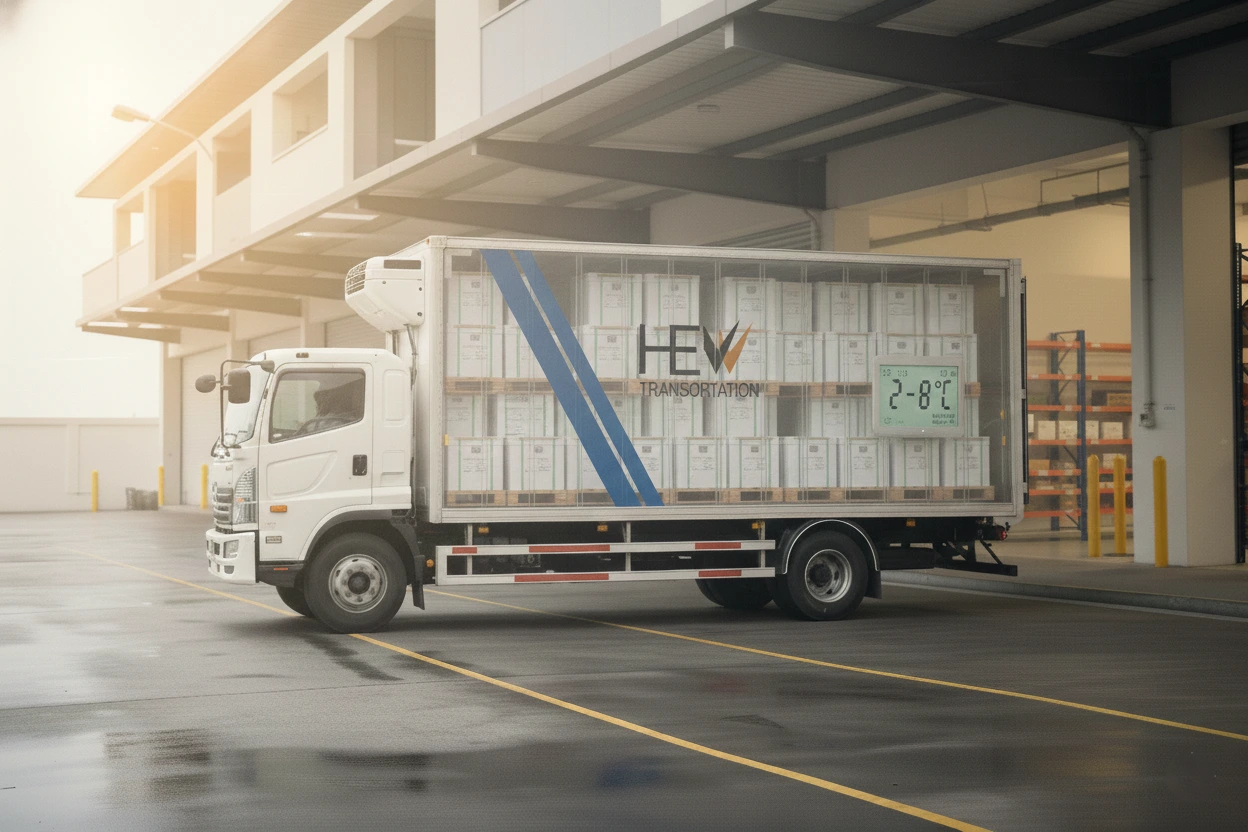
- Real-time temperature monitoring.
- GPS tracking.
- Automated alerts.
- Digital proof of delivery.
These tools provide visibility, but they only work if teams actively review and act on the data.
Practical Improvements That Actually Reduce Risk
Simple operational habits often make the biggest difference:
- Pre-cool vehicles before loading.
- Minimize door-open time at docks.
- Align delivery schedules with receiver readiness.
- Set escalation procedures for delays.
- Train drivers regularly on cold chain handling.
None of these are complicated, but consistency is key.
Field Insight from HEW Transportation
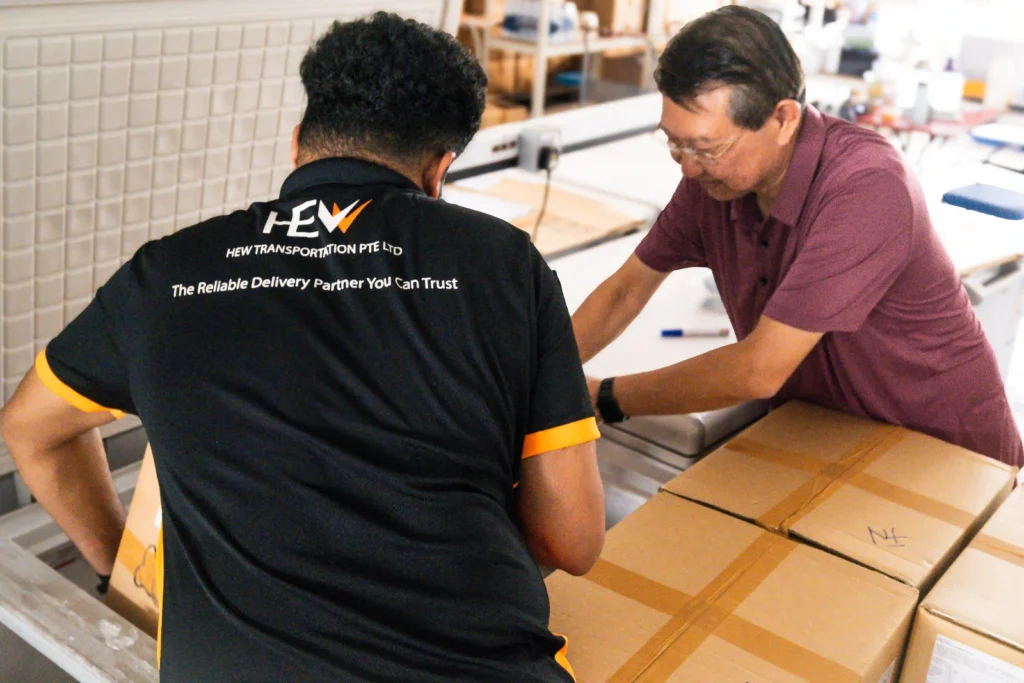
At HEW Transportation, we support B2B clients across food distribution, healthcare logistics, and industrial supply chains. Over time, one thing becomes very clear.
Cold chain success in the last mile depends less on perfect conditions and more on predictable execution.
Drivers who understand routes, warehouses that respect schedules, and teams that communicate early tend to outperform more complex systems that rely on assumptions.
Conclusion: Managing B2B Cold Chain Last Mile Challenges the Right Way
B2B cold chain last mile challenges are not temporary problems. They are part of everyday logistics reality. What matters is how well they are managed.
At HEW Transportation, we specialize in cold chain logistics, last mile delivery services, and van & lorry distribution designed for real urban conditions. We focus on reliability, temperature integrity, and practical execution, not shortcuts.
If your business depends on temperature-controlled deliveries and needs a logistics partner who understands the final mile beyond theory, visit Cold Chain Logistics to learn how we support B2B cold chain operations every day.
Pro Tips
- Short distance doesn’t mean low risk.
- Loading time matters as much as driving time.
- Receiving readiness should never be assumed.
- Consistency beats complexity in cold chain delivery.
Sometimes, the most effective solutions are the ones done right, every single day.
FAQs (Frequently Asked Questions)
What are the biggest challenges in B2B cold chain last mile delivery?
Temperature control during delays, receiving readiness, and rising operational costs are the most common issues.
Why is the last mile the most critical stage in cold chain logistics?
Because it has the most variables and the least buffer time to correct mistakes.
Can technology eliminate cold chain delivery risks?
No. Technology supports monitoring, but human execution still determines outcomes.
How can businesses reduce cold chain delivery failures?
By improving coordination, training drivers, reviewing routes, and planning realistic delivery windows
Should B2B companies outsource cold chain last mile delivery?
For many businesses, yes. Experienced providers already understand hidden risks that are easy to overlook.