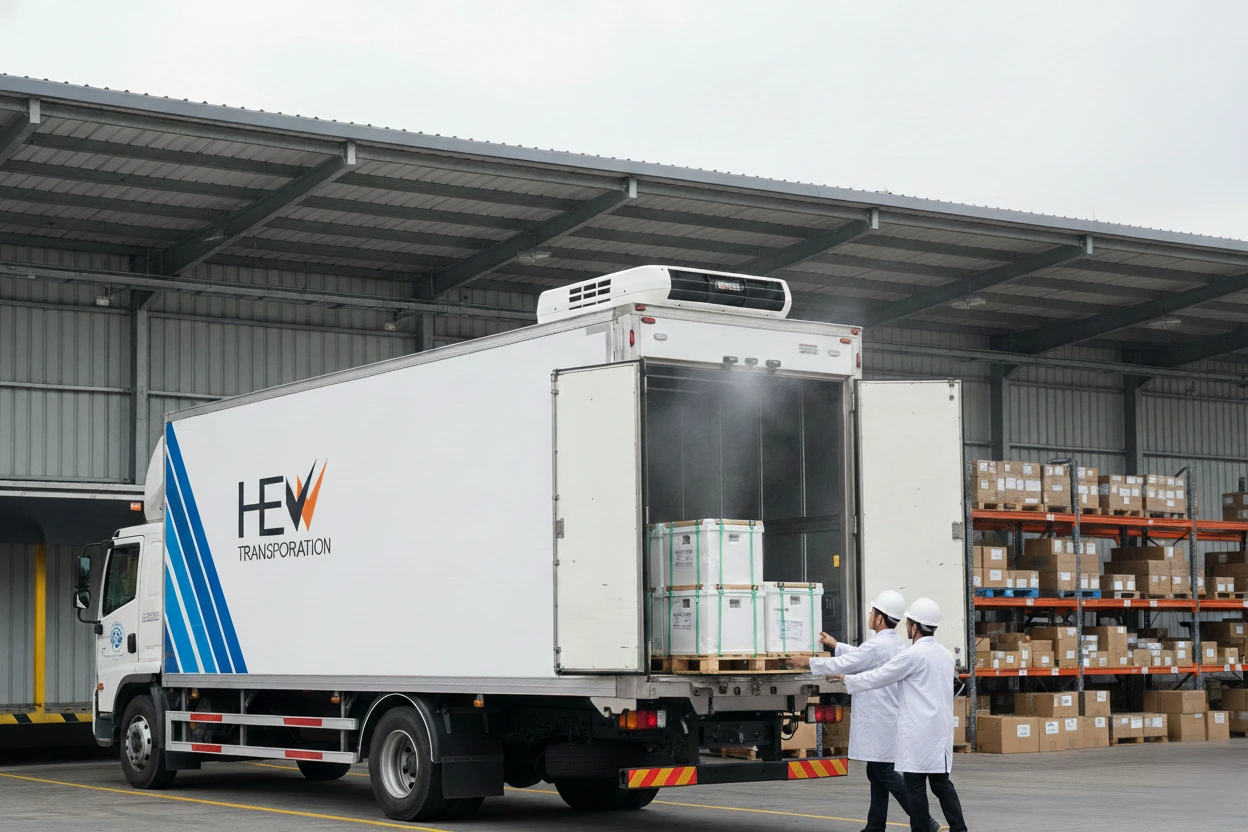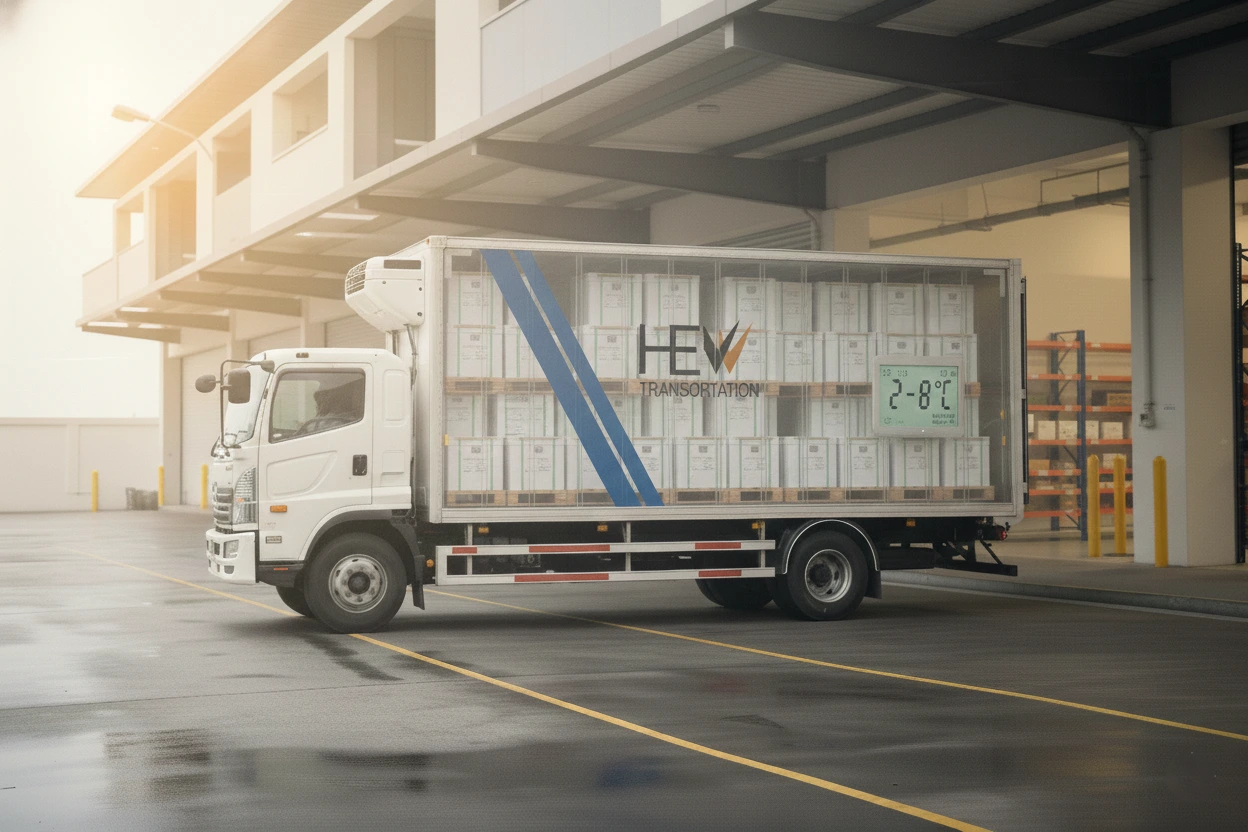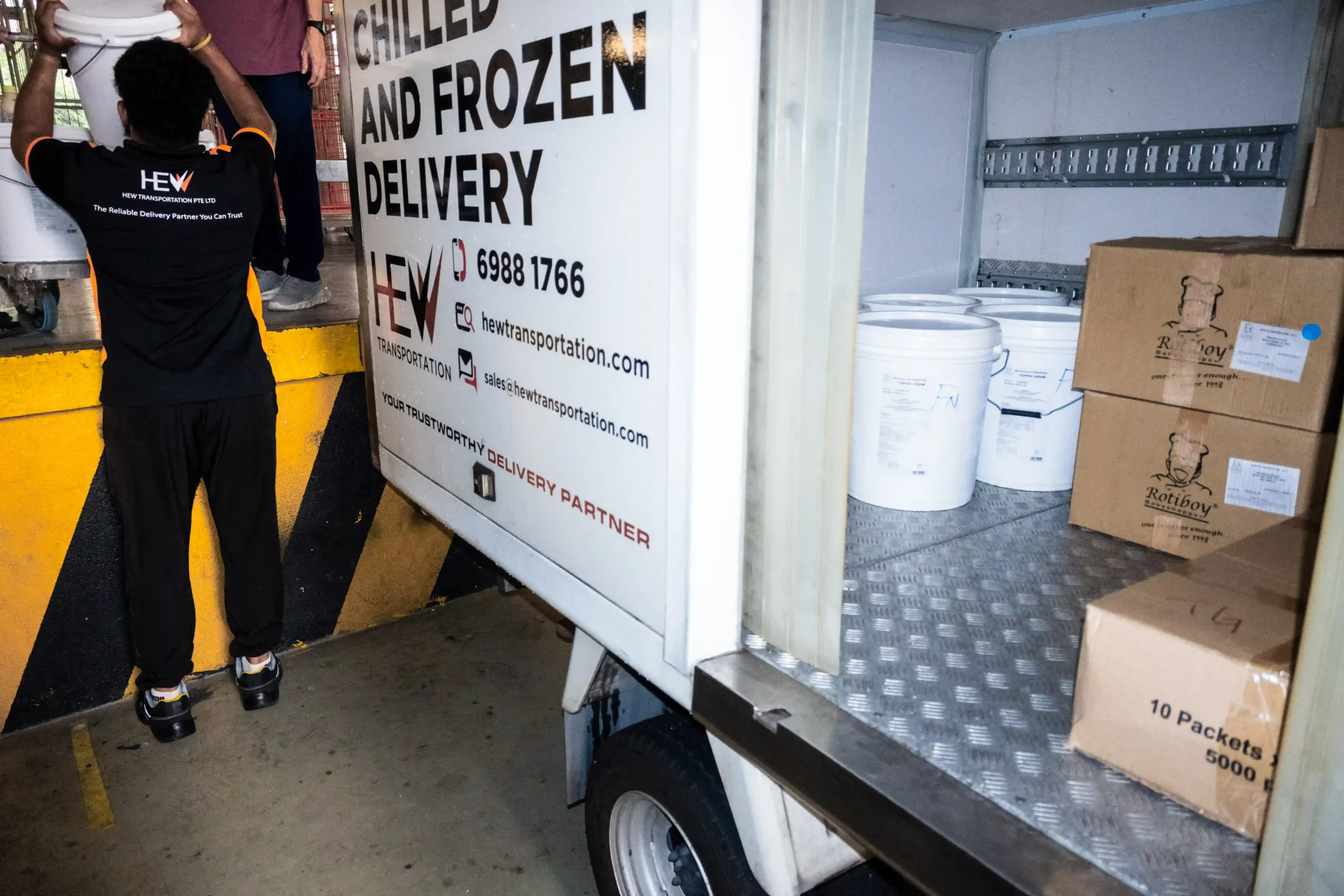
What Is Last Mile Courier Service for Businesses?
Last mile courier service for businesses refers to the final step in the delivery process, where goods move from a local distribution point or hub directly to the end customer. This could be a retail store, an office, or a residential address. While it sounds simple, this stage is often the most complex, costly, and customer-visible part of the supply chain.
In real life, the last mile is where planning meets reality. Traffic happens. Customers change schedules. Buildings have access rules. And suddenly, a route that looked efficient on a spreadsheet becomes something else entirely on the road.
From our experience at HEW Transportation, last mile courier service for businesses is rarely just about speed. It’s about consistency, predictability, and cost control, especially in dense urban environments like Singapore.
Why Last Mile Courier Service for Businesses Matters More Than Ever
A few years ago, many companies treated last mile delivery as an operational detail. Today, it directly affects:
- Customer satisfaction.
- Brand trust.
- Repeat purchases.
- Overall profitability.
Several changes have pushed last mile courier service for businesses into the spotlight:
- Growth of e-commerce and B2B on-demand orders.
- Same-day and next-day delivery expectations.
- Rising labor and fuel costs.
- Urban congestion and access restrictions.
Industry studies often show that over 50% of total logistics costs can sit in the last mile. When deliveries fail or run late, customers don’t blame traffic or routing software. They blame the business.
That’s why last mile courier performance now feels less like a backend issue and more like part of customer experience.
How Last Mile Courier Service for Businesses Actually Works
At its core, most last mile courier operations follow a similar structure. The difference is in how well each step is managed.
Typical Last Mile Courier Flow
- Orders are received and confirmed.
- Items are picked and packed.
- Shipments are grouped by delivery zone.
- Couriers are assigned based on load size and timing.
- Routes are planned using traffic and access data.
- Deliveries are completed within set windows.
- Proof of delivery is captured.
- Performance data is reviewed.
On paper, this looks straightforward. In practice, repeating this process daily without delays or rising costs is where many businesses struggle.
Common Business Use Cases for Last Mile Courier Services
Last mile courier service for businesses supports more than just online shopping. We see it used across many sectors.
| Industry | How Last Mile Couriers Are Used |
|---|---|
| Retail | Store restocking, mall deliveries |
| E-commerce | Multi-stop urban fulfillment |
| Food & Beverage | Time-sensitive distribution |
| Healthcare | Scheduled and controlled delivery |
| Manufacturing | Spare parts and equipment |
| Corporate Offices | Documents and bulk supplies |
Each industry has different expectations, but the pressure is the same: deliveries must arrive on time, intact, and without excuses.
Key Challenges in Last Mile Courier Service for Businesses
Even well-run operations face friction in the last mile. Some problems repeat across almost every business.
1. Traffic and Urban Density
Traffic delays affect:
- Delivery accuracy.
- Fuel consumption.
- Driver productivity.
- Route reliability.
In cities like Singapore, even a five-minute delay per stop can cascade into missed delivery windows later in the day.
2. Failed Delivery Attempts
One failed delivery doesn’t look serious. But repeated failures quietly inflate cost. Common reasons include:
- Customer not available.
- Incorrect address information.
- Restricted building access.
- Poor communication.
Reducing failed attempts is one of the fastest ways to stabilize last mile performance.
3. Tight Delivery Windows
Customers want flexibility, but operations need structure. When windows are too tight, drivers rush. When they’re too wide, routes lose efficiency. This balance is one of the biggest operational challenges in last mile courier service for businesses.
If you want a deeper look into these operational pain points, we’ve broken them down in detail in our guide on challenges in last mile logistics, which many business owners relate to immediately.
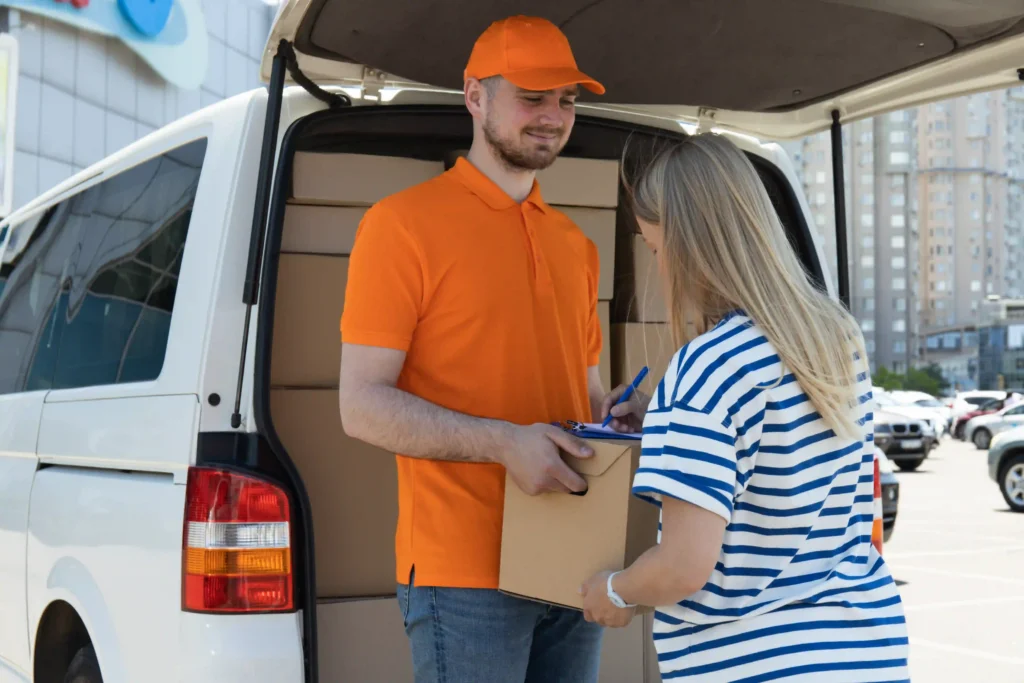
Cost Factors That Shape Last Mile Courier Pricing
Last mile courier service for businesses isn’t expensive because of one big issue. It’s expensive because of many small ones adding up.
Key cost drivers include:
- Route inefficiencies.
- Underutilized vehicles.
- Overtime labor.
- Fuel usage.
- Repeated delivery attempts.
- Cargo damage.
From our internal delivery data at HEW Transportation, routes that are reviewed weekly often show noticeably lower cost per stop compared to routes that “just run the same way every day.”
Last Mile Courier Service vs Other Delivery Models
| Delivery Model | Strengths | Limitations |
|---|---|---|
| Motorcycle Couriers | Fast, low cost | Limited capacity |
| Last Mile Courier Vans | Flexible, scalable | Traffic sensitive |
| Lorry Delivery | High volume | Access restrictions |
| In-house Fleet | Full control | High fixed cost |
For many businesses, last mile courier service for businesses sits in the middle. It offers flexibility without locking companies into heavy assets or long-term overhead.
How Businesses Improve Last Mile Courier Performance
Most improvements don’t come from expensive software. They come from discipline.
Practical Optimization Steps
- Group deliveries by location, not order time.
- Adjust delivery windows based on real data.
- Track failed delivery reasons weekly.
- Train drivers on route familiarity.
- Match vehicle size to actual load.
None of these changes feel dramatic. But together, they reduce friction and improve consistency.
Technology’s Role in Last Mile Courier Service
Technology supports last mile courier service for businesses, but it doesn’t replace experience.
Useful tools include:
- GPS tracking.
- Route optimization systems.
- Digital proof of delivery.
- Basic performance dashboards.
What matters most is how often teams review the data. Tools without follow-up rarely change outcomes.
Real-World Insight: Last Mile Courier Services in Dense Cities
In compact cities, local knowledge often beats algorithms. Drivers who know which buildings allow early access, which loading bays close at lunch, and which areas clog after 5 pm save more time than software alone.
This is why experienced operators often outperform newer ones, even with similar tools and vehicles.
Conclusion: Choosing the Right Last Mile Courier Service for Businesses
Last mile courier service for businesses isn’t about chasing speed at all costs. It’s about delivering reliably, managing cost, and protecting customer trust.
At HEW Transportation, we support businesses across Singapore with last mile courier services, cold chain logistics, van & lorry delivery, and courier solutions designed for real-world conditions. We focus on consistency, not shortcuts.
If your business depends on daily deliveries and wants a partner that understands urban logistics beyond theory, visit Courier Services to learn how our last mile courier service supports sustainable business growth.
Pro Tips: If delivery issues only appear during peak seasons, the problem usually isn’t volume. It’s planning. Fixing small gaps early is always cheaper than repairing customer trust later.
FAQs (Frequently Asked Questions)
What is last mile courier service for businesses?
It refers to the final delivery step where goods move from a local hub directly to customers or business locations.
Why is last mile courier service so expensive?
Because it involves fragmented routes, traffic delays, labor costs, and customer-facing delivery risks.
Is last mile courier service suitable for small businesses?
Yes. Many small businesses use it to avoid owning vehicles while maintaining reliable delivery capacity.
How often should last mile courier performance be reviewed?
Ideally weekly. Small adjustments made often prevent bigger issues later.
Can technology solve last mile courier challenges completely?
No. Technology helps, but experience, planning, and discipline matter just as much.