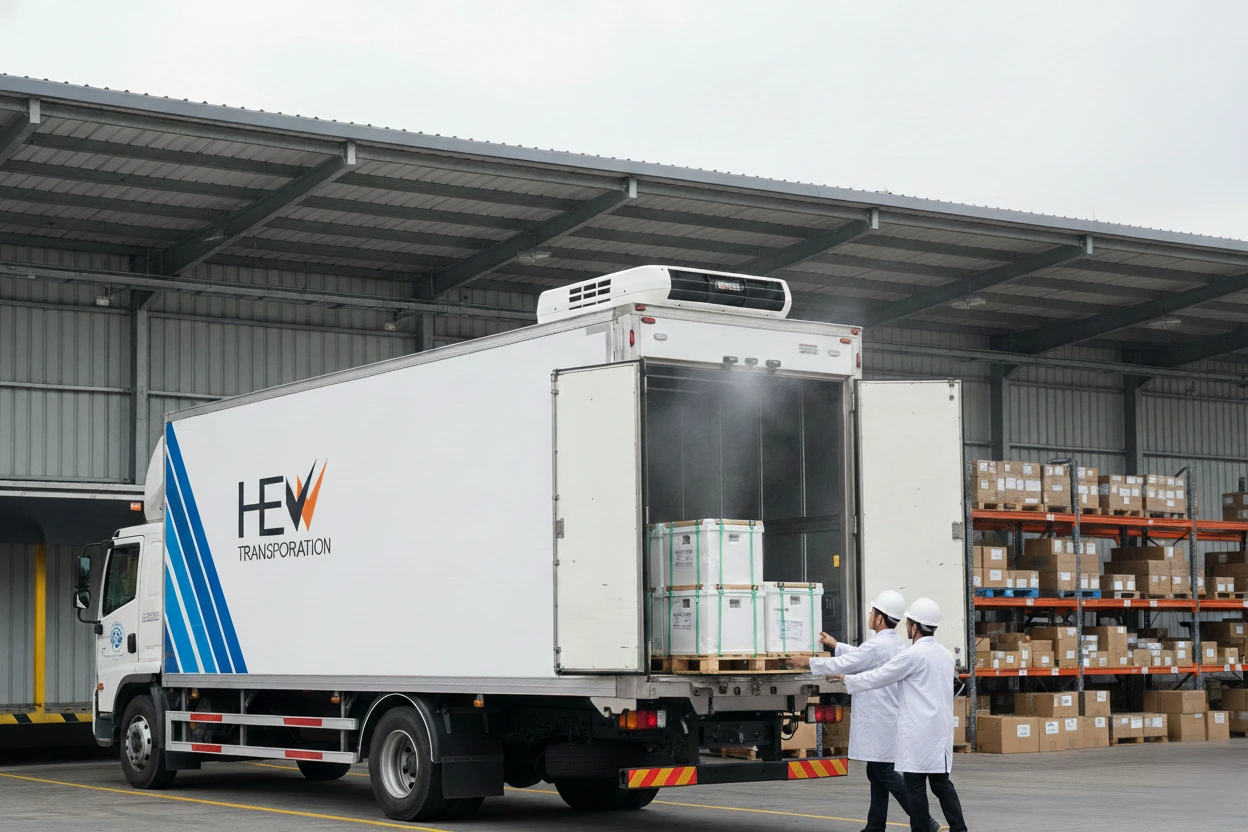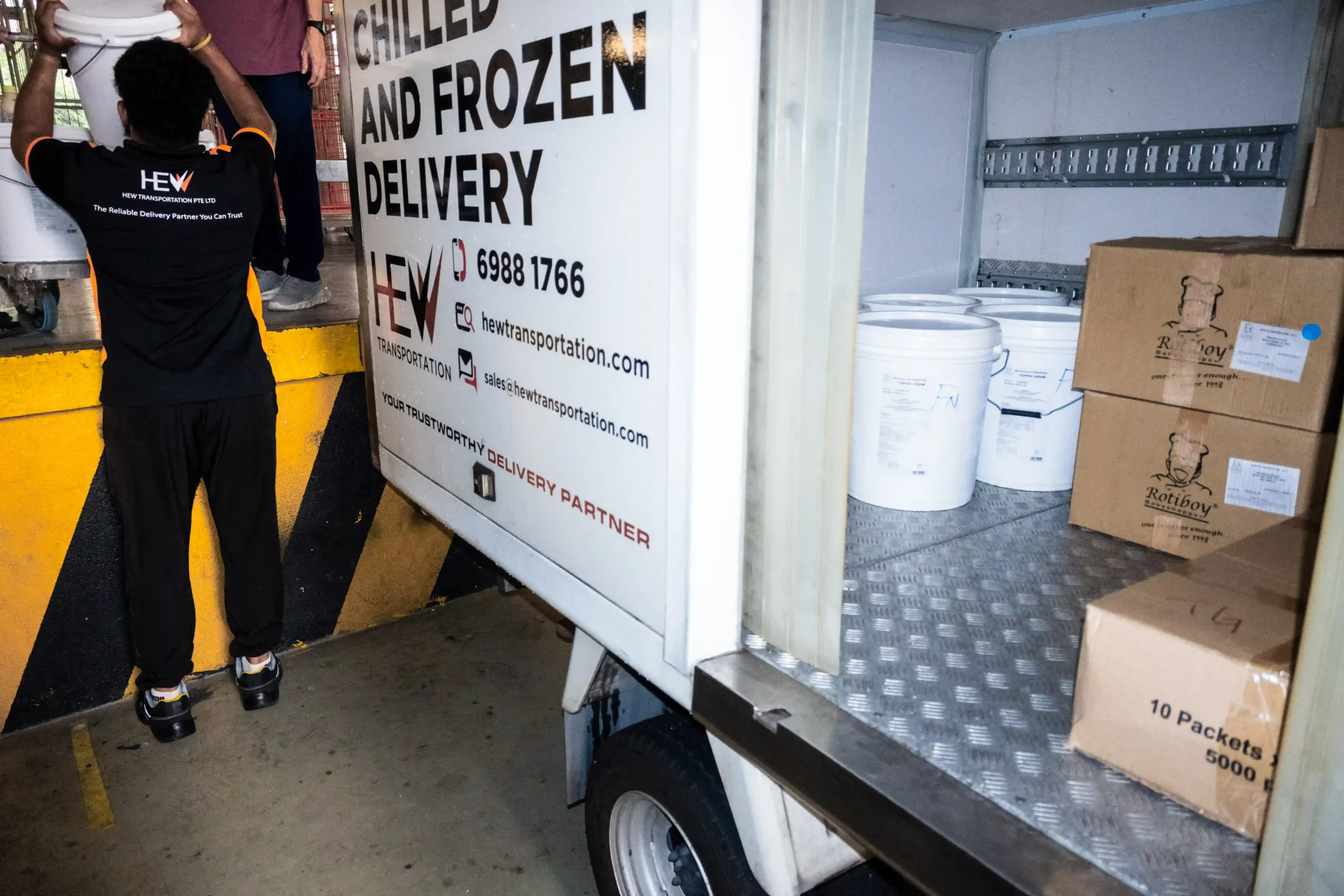
HACCP compliant delivery Singapore refers to a structured logistics and transportation process that follows Hazard Analysis and Critical Control Points (HACCP) principles to ensure food, pharmaceutical, and other temperature-sensitive goods are delivered safely, hygienically, and without risk of contamination. In Singapore’s tightly regulated supply chain ecosystem, HACCP-compliant delivery is no longer optional, it is a core requirement for businesses that value product integrity and regulatory compliance.
From food manufacturers and catering services to pharmaceutical distributors and cold-chain operators, businesses depend on compliant delivery systems to maintain quality from dispatch to final destination. This article explains what HACCP-compliant delivery means in Singapore, why it matters, and how professional logistics providers implement it in real-world operations.
Understanding HACCP Compliant Delivery in Singapore
To understand HACCP compliant delivery Singapore, it is important to first recognize HACCP (Hazard Analysis and Critical Control Points) as a globally accepted food safety management system. In Singapore, HACCP principles are aligned with the guidelines set by the Singapore Food Agency (SFA), particularly for food handling, cold chain transportation, and hygiene-controlled delivery.
A logistics operation qualifies as HACCP cmpliant delivery Singapore when it identifies risks during transport and applies strict controls to prevent contamination, temperature abuse, or product degradation.
Key components include:
- Identification of delivery-related hazards
- Defined critical control points (CCPs)
- Continuous temperature monitoring
- Proper documentation and traceability
Pro Tip: HACCP compliance is not only about having the right equipment, consistent handling procedures and proper documentation are just as critical to maintaining compliance during delivery.
Why HACCP Compliant Delivery Singapore Is Critical for Businesses
Singapore’s tropical climate, dense urban environment, and strict food safety regulations amplify delivery risks. Without HACCP compliant delivery Singapore, products can experience temperature fluctuations within minutes, especially during peak traffic hours.
Key Benefits of HACCP Compliant Delivery Singapore
- Ensures regulatory alignment with SFA requirements
- Reduces food spoilage and product recalls
- Strengthens brand credibility and consumer trust
- Improves audit readiness and documentation accuracy
Industry logistics data in Southeast Asia indicates that over 20% of cold-chain losses occur during transportation, reinforcing the importance of HACCP compliant delivery Singapore in maintaining quality assurance.
Pro Tip: Businesses that invest early in HACCP compliant delivery Singapore often experience fewer operational disruptions during audits and inspections.crease and so does risk, strengthening HACCP controls ahead of busy seasons helps prevent avoidable temperature issues.
Core Components of HACCP Compliant Delivery Operations
1. Temperature-Controlled Vehicles
Temperature-controlled vehicles form the backbone of HACCP-compliant delivery. These vehicles are designed to maintain stable internal conditions regardless of external heat and traffic conditions.
| Product Category | Recommended Temperature |
|---|---|
| Chilled food | 0°C – 4°C |
| Frozen food | -18°C or below |
| Pharmaceuticals | 2°C – 8°C |
Advanced fleets may include multi-temperature compartments to safely transport different product types in one trip.
Pro Tip: For multi-drop routes, compartmentalized vehicles help reduce temperature fluctuation when doors are opened repeatedly.
2. Real-Time Monitoring and Documentation
Continuous temperature monitoring allows delivery teams to detect deviations early and take corrective action before products are compromised. Data logs also support audits and regulatory checks.
To better understand how professional logistics teams mitigate these risks, many businesses follow
best practices to prevent temperature excursions, which outline proactive controls, alert systems, and response workflows for cold-chain delivery.
Pro Tip: Transparent temperature reporting is a strong indicator of a delivery partner’s commitment to genuine HACCP compliance.
3. Hygiene and Sanitation Protocols
HACCP compliance also addresses biological and physical hazards beyond temperature. Delivery vehicles, containers, and equipment must be regularly cleaned and sanitized.
Common hygiene controls include:
- Scheduled vehicle disinfection
- Food-grade storage containers
- Segregation of incompatible goods
- Staff hygiene and handling training
These practices significantly reduce contamination risk throughout the delivery process.
How Professional Delivery Providers Ensure HACCP Compliance
Experienced logistics providers embed HACCP principles into every operational stage, from route planning to final handover.
Typical practices include:
- SOP-based loading and unloading
- Route optimization to shorten transit time
- Routine equipment calibration
- Continuous staff training
For businesses that want a clearer understanding of how compliance-driven logistics operate in Singapore, visiting
HEW Transportation provides insight into structured delivery systems built around safety and regulatory alignment.
Pro Tip: Consistency often matters more than speed, controlled delivery processes usually outperform rushed operations in both compliance and reliability.
HACCP Compliant Delivery Across Different Industries
Food & Beverage (F&B)
Supports freshness, prevents contamination, and aligns with SFA regulations for restaurants, caterers, and retailers.
Pharmaceuticals & Healthcare
Maintains cold-chain integrity for vaccines, medicines, and medical supplies.
E-Commerce & Retail
Improves customer confidence while reducing returns and quality-related complaints.
Each sector has unique hazard points, which is why HACCP-compliant delivery solutions must be customized rather than generic.

Case Insight: Cold Chain Delivery in Practice
A frozen food distributor in Singapore experienced recurring spoilage during afternoon deliveries. After switching to a HACCP-compliant delivery partner, the company reported:
- A 35% reduction in temperature deviations
- Noticeably lower product wastage
- Improved audit readiness within three months
This case highlights how structured delivery controls can directly improve both compliance and profitability.
Choosing the Right HACCP Compliant Delivery Partner
Before selecting a provider, businesses should evaluate:
- HACCP-aligned SOPs
- Temperature-monitored fleet
- Trained handling staff
- Transparent reporting
- Industry-specific experience
For companies comparing delivery capabilities and service coverage, reviewing HEW Transportation’s full range of delivery services offers a practical overview of solutions designed for regulated and temperature-sensitive logistics.
Pro Tip: A reliable delivery partner should be able to clearly explain their HACCP process, clarity often reflects operational maturity.
External Industry Reference: Global HACCP Standards
On a global level, organizations such as the Food and Agriculture Organization (FAO) provide authoritative guidance on HACCP principles and food safety systems. These standards help explain why Singapore and many other countries align their logistics and delivery frameworks with HACCP-based controls.
Conclusion: Why HACCP Compliant Delivery Matters More Than Ever
In Singapore’s highly regulated logistics landscape, HACCP compliant delivery Singapore has become a strategic necessity rather than a technical option. Businesses that adopt compliant delivery systems benefit from stronger regulatory readiness, improved product integrity, and greater customer trust.
In practice, success often comes from simple but consistent habits, reviewing temperature reports regularly, confirming hygiene protocols during peak periods, and working with partners who understand industry-specific risks. These proactive steps help prevent costly incidents before they occur.
For organizations seeking dependable, compliance-driven logistics solutions, learning more about HEW Transportation’s delivery expertise and operational standards is a practical first step toward building a safer, more efficient, and future-ready delivery operation.
FAQs (Frequently Asked Questions)
Is HACCP mandatory for delivery services in Singapore?
HACCP is not universally mandatory, but it is strongly required for food, pharmaceutical, and regulated goods transportation.
How are temperature excursions handled?
They must be logged, assessed, and corrected immediately to prevent compromised products.
Can SMEs use HACCP-compliant delivery?
Yes. Many providers offer scalable solutions suitable for small and mid-sized businesses.
How is compliance verified?
Through audits, SOP reviews, temperature logs, and vehicle inspections.
Does HACCP delivery cost more?
While initial costs may be higher, reduced waste and lower compliance risk often result in long-term savings.