What Is the Cold Chain and Why It Matters in Singapore
The importance of cold chain in Singapore continues to grow as the country strengthens its role as a regional trade gateway for food, pharmaceuticals, biotechnology, and temperature-sensitive consumer goods. The cold chain refers to a controlled logistics process designed to store, transport, and distribute products within a specific temperature range, typically from –25°C to +25°C, depending on product type.
In a highly urbanized and import-dependent nation like Singapore, cold chain stability is essential to protect public health, maintain product integrity, reduce waste, and meet regulatory standards. Because more than 90% of Singapore’s food supply is imported, and pharmaceutical exports contribute billions to the economy annually, any disruption in temperature control can lead to spoilage, financial loss, and risks to consumer safety.
As a trusted provider in the logistics sector, we at HEW Transportation prioritize operational excellence, strict temperature control, and reliable last-mile delivery for temperature-sensitive goods across Singapore.
Why the Cold Chain Is Crucial for Singapore’s Supply Ecosystem

1. Safeguarding Singapore’s Food Security
Singapore’s dependency on imported food makes the cold chain a critical component of national food safety. Temperature-controlled logistics ensure that perishable items such as:
- Fresh seafood
- Meat and poultry
- Dairy products
- Fruits and vegetables
- Frozen goods
remain safe, fresh, and consumable from the moment they arrive at the port until they reach retailers or consumers.
A broken cold chain can cause microbial growth, nutrient loss, and contamination. This is why Singapore’s SFA (Singapore Food Agency) enforces strict regulations on cold storage, temperature monitoring, and transport conditions.
2. Supporting Singapore’s Thriving Pharmaceutical and Biomedical Sector
Singapore is a global biomedical hub, manufacturing high-value medicines, biologics, vaccines, and medical equipment. Many of these products require specific temperature ranges:
| Product Type | Typical Temperature Range |
|---|---|
| Vaccines | 2°C – 8°C |
| Biologics | –20°C or below |
| Specialty drugs | 15°C – 25°C |
| Lab samples | 2°C – 8°C / –20°C |
The importance of cold chain in Singapore is especially evident when transporting pharmaceuticals for clinical trials, hospitals, and export distribution. Even minor fluctuations can lead to product failure, invalidated testing results, or regulatory non-compliance.
We ensure that biological and pharmaceutical products remain consistent, stable, and compliant during transport using real-time temperature monitoring, validated vehicles, and trained cold chain handlers.
3. Reducing Economic Losses and Operational Risks
Temperature breaches are costly.
Global studies show that up to 20% of temperature-sensitive goods are wasted due to cold chain failure, costing billions annually. For a small, fast-moving market like Singapore:
- Retailers risk losing inventory
- Importers face rejected shipments
- Manufacturers suffer production setbacks
- Distributors may incur regulatory penalties
By implementing a reliable cold chain system, Singapore businesses reduce long-term operational disruptions and maintain customer trust.
4. Enabling E-Commerce Growth for Fresh and Frozen Products
The rise of online grocery platforms, such as RedMart, Cold Storage Online, Shopee Supermarket, and Amazon Fresh, demands efficient cold chain delivery.
Consumers increasingly expect:
- Freshness guarantee
- Same-day or next-day delivery
- Real-time tracking
- Damage-free packaging
We support e-commerce businesses by offering temperature-controlled last-mile delivery, insulated packaging solutions, and optimized routing to maintain product freshness.
How a Modern Cold Chain Works in Singapore
Key Components of a Reliable Cold Chain
- Cold Storage Facilities: Temperature-controlled warehouses for long-term or short-term product holding. For a deeper understanding of how temperature integrity is maintained throughout the supply chain, you may explore our detailed guide on what is cold chain logistics.
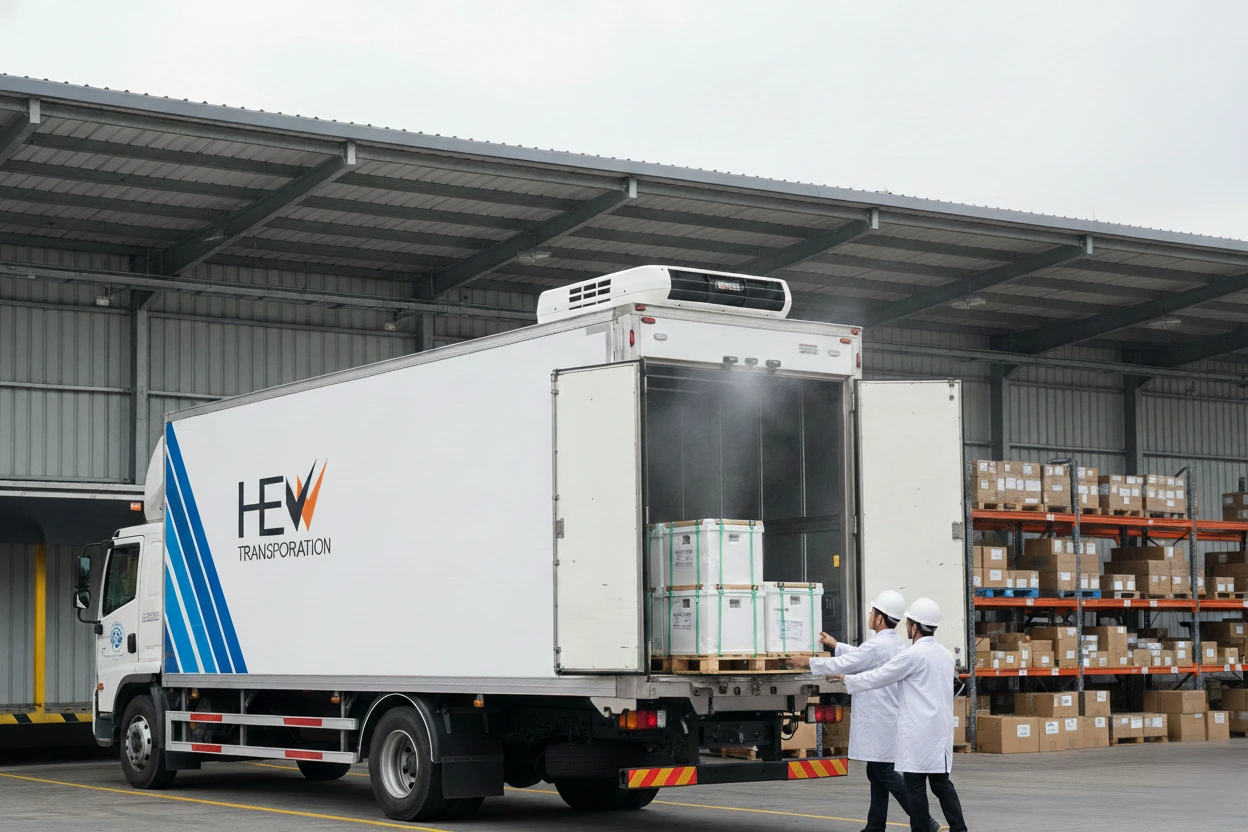
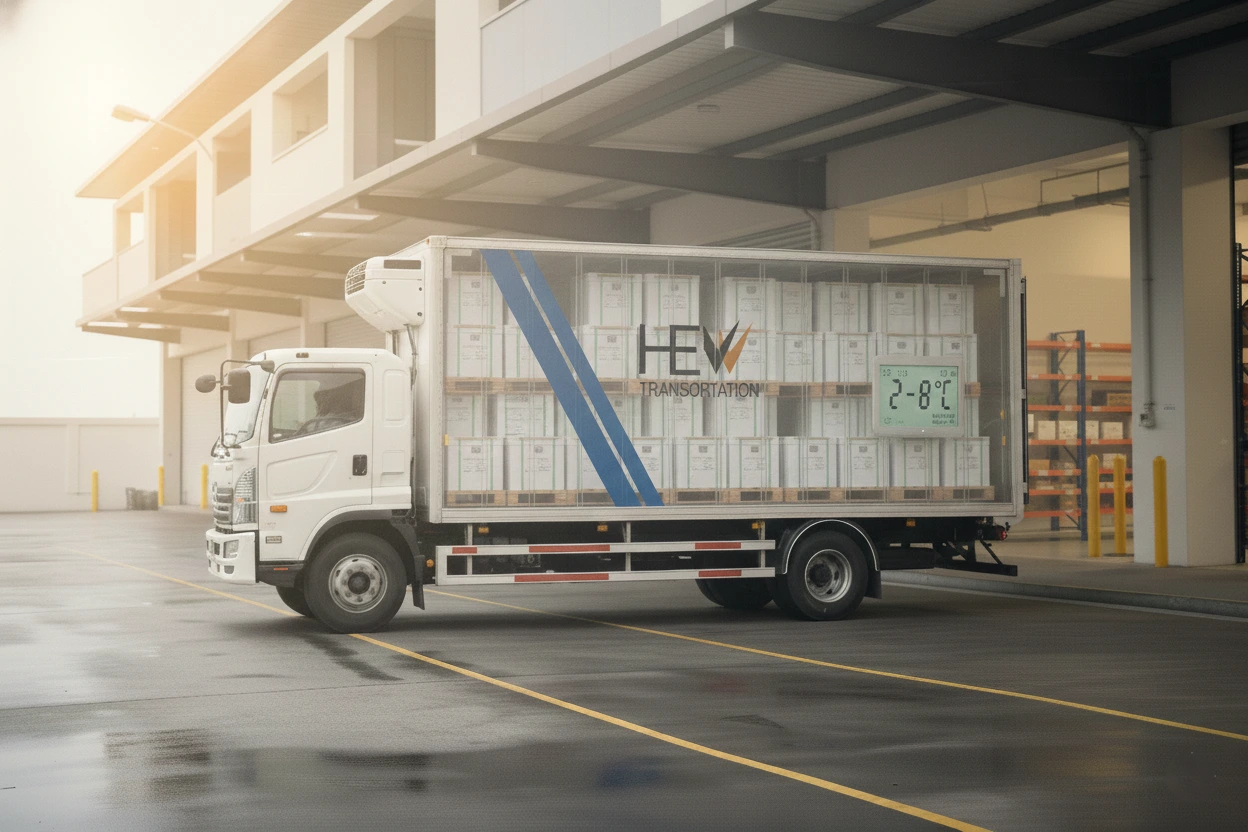
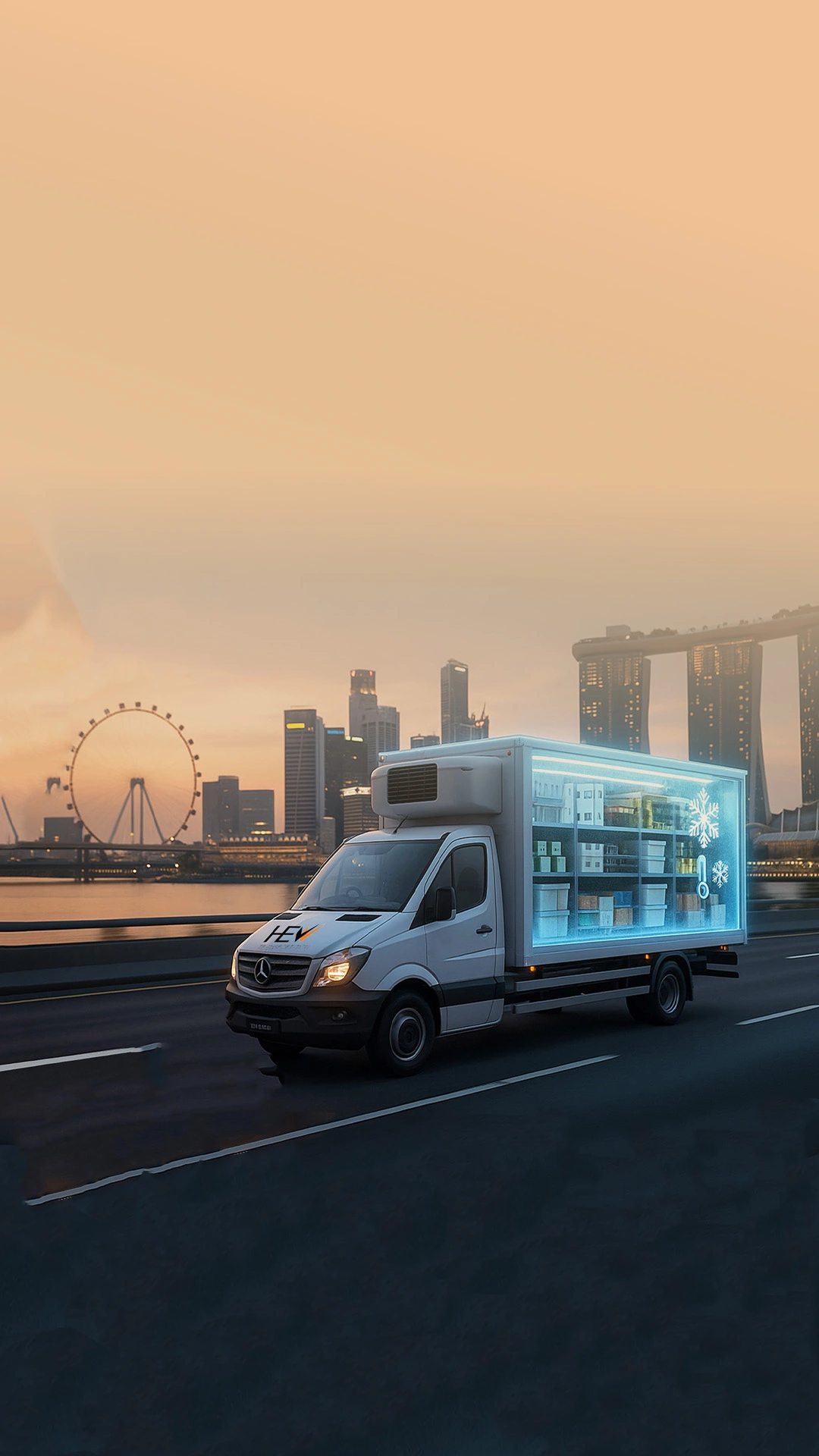
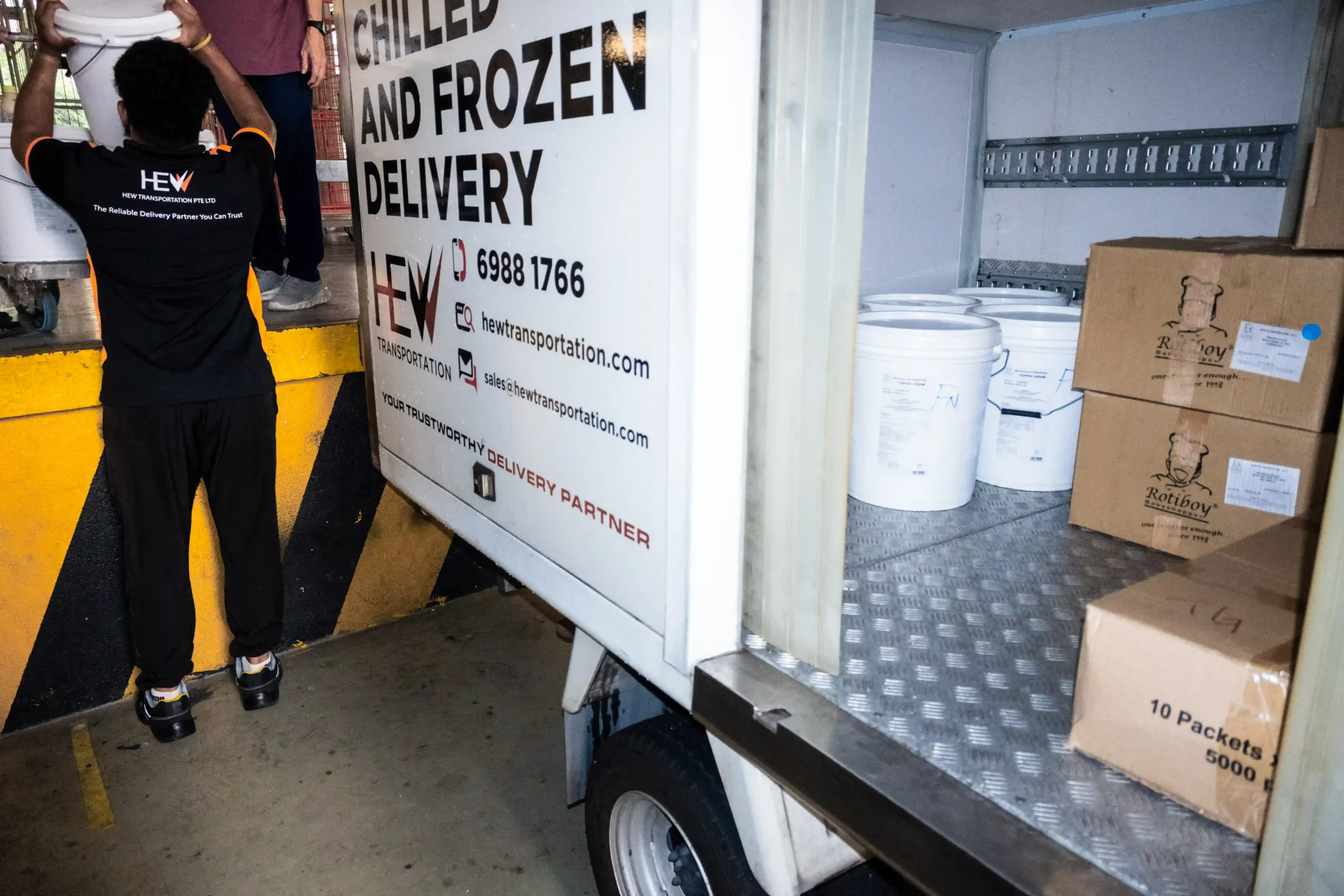
- Refrigerated Trucks & Vans: Vehicles equipped with chillers, freezers, or dual-temperature configurations.
- Insulated Packaging: Thermal boxes, gel packs, dry ice, and shock-resistant materials.
- IoT Sensors & Real-Time Tracking: Tools that monitor temperature, humidity, shocks, and geolocation.
- Cold Chain Trained Personnel: Handlers trained to minimize exposure and ensure compliance.
Each stage requires consistent monitoring to ensure no temperature deviation occurs.
What Makes HEW Transportation a Trusted Cold Chain Partner in Singapore
We maintain a commitment to operational precision, safety, and regulatory compliance:
- Professionally trained cold chain handlers
- Optimized fleet of reefer trucks and refrigerated vans
- 24/7 monitoring and GPS-based temperature tracking
- Compliance with SFA, HSA, and ISO standards
- Fast and reliable last-mile delivery for food, pharma, retail, and e-commerce
- Integrated logistics planning for Singapore islandwide coverage
Businesses can learn more about our services through our website: HEW Transportation
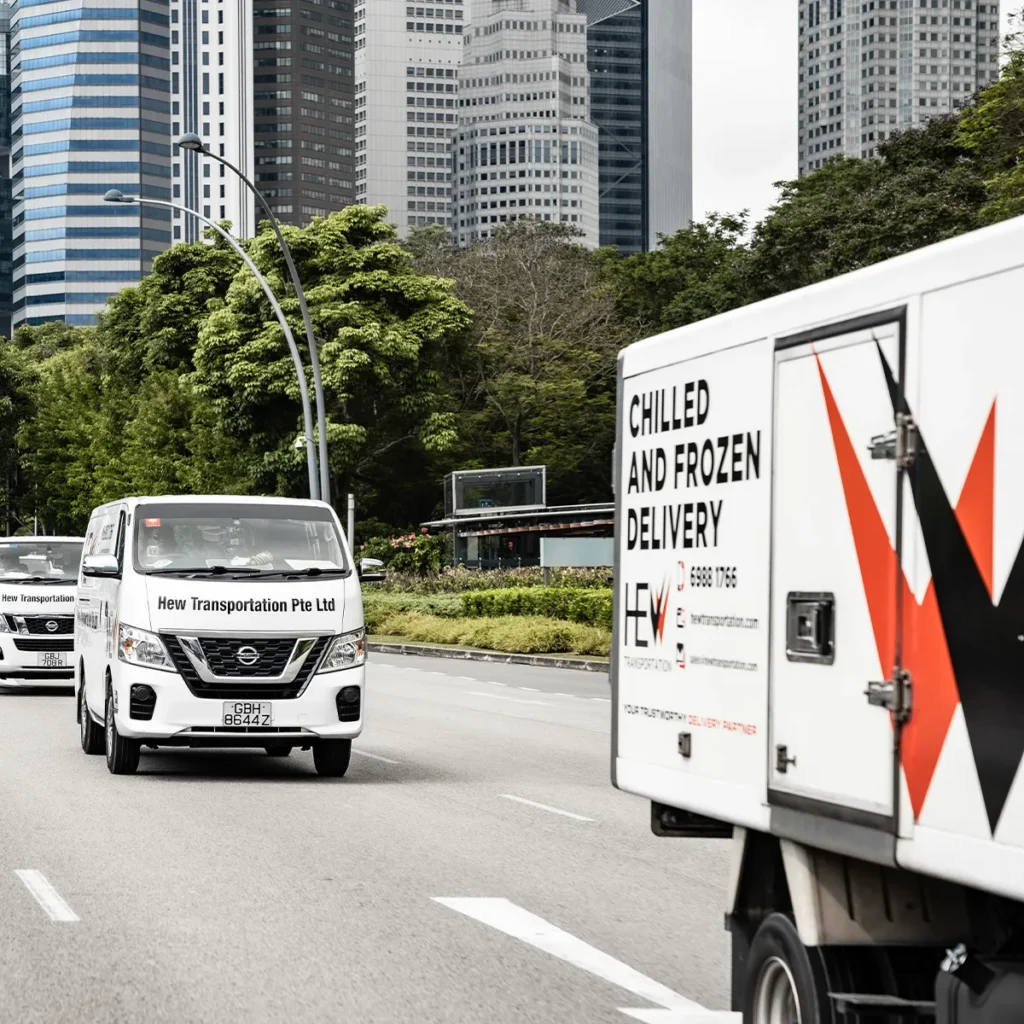
Conclusion: Strengthening Singapore’s Future Through Reliable Cold Chain Logistics
The importance of cold chain in Singapore is undeniable, protecting public health, ensuring economic stability, supporting biomedical innovation, and enabling modern e-commerce. As demand for temperature-sensitive products increases, businesses require logistics partners who can guarantee quality, safety, and compliance at every stage of transport.
At HEW Transportation, we continue to enhance our technology, expand our fleet, and refine our processes so your goods remain protected from origin to destination. For companies seeking dependable cold chain delivery, refrigerated trucking, or temperature-controlled logistics in Singapore, our team is ready to support your operational needs.
FAQs (Frequently Asked Questions)
Why is the cold chain so important in Singapore?
Because Singapore imports most of its food and manages high-value pharmaceutical production, cold chain stability protects public health and minimizes financial loss.
Which industries rely on cold chain logistics in Singapore?
Food services, supermarkets, pharmaceuticals, biotechnology, e-commerce, and healthcare providers.
What happens if the cold chain is broken?
Products may spoil, become unsafe, fail regulatory requirements, or incur major financial losses.
How does HEW Transportation maintain temperature accuracy?
Food & beverage, pharmaceuticals, cosmetics, biotechnology, chemicals, groceries, and e-commerce.
Does Singapore regulate cold chain delivery?
Yes. SFA and HSA set strict standards for food and pharmaceutical cold chain operations.