Why Refrigerated Transport Is Important in Today’s Logistics
Understanding why refrigerated transport is important begins with recognizing how temperature affects perishable goods. Temperature-controlled logistics ensure that food, pharmaceuticals, and sensitive materials remain safe, fresh, and compliant from the supplier to the final destination. Without refrigerated vehicles, businesses face spoilage, contamination risks, and financial losses, proving that cold-chain transportation is no longer optional but essential.
What Is Refrigerated Transport?
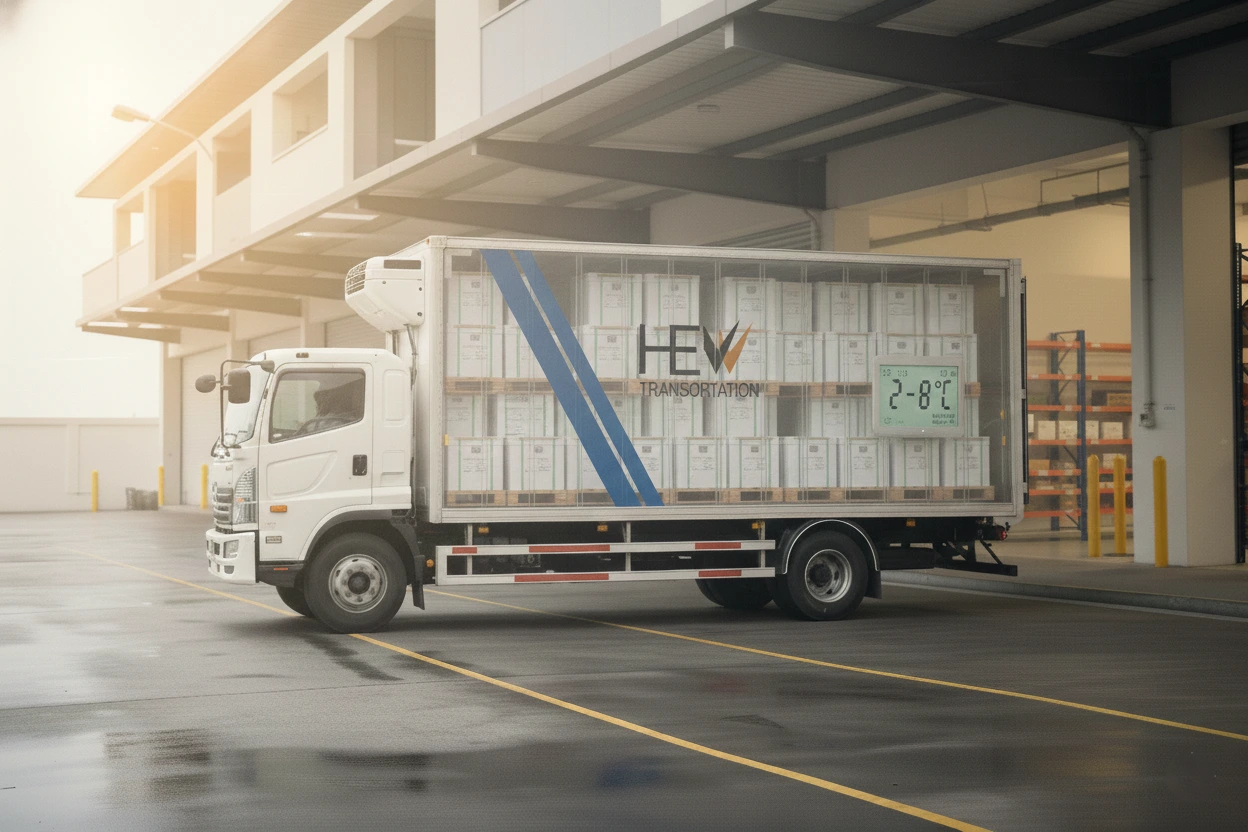
Refrigerated transport, also known as reefer logistics, uses specialized trucks equipped with cooling, insulation, and temperature-monitoring systems to safely move temperature-sensitive products.
Industries That Rely on Refrigerated Transport
- Food and beverage
- Pharmaceuticals & biotechnology
- Florist and horticulture
- Cosmetics & chemical ingredients
- Dairy & frozen foods
- Meat, seafood, poultry, and fresh produce
Why Refrigerated Transport Is Important for Businesses
Refrigerated logistics matters for several critical reasons. It helps businesses maintain product quality, reduce spoilage, and comply with strict safety regulations. By keeping goods at stable temperatures during transport, companies can prevent contamination and costly product losses. It also allows businesses to reach wider markets, ensuring that perishable items remain fresh even when shipped over long distances. Ultimately, refrigerated transport strengthens customer trust and supports consistent, reliable operations across the entire supply chain.
1. Product Safety and Compliance
Many products must stay within a strict temperature range to remain safe. For instance:
- Fresh produce: 0–5°C
- Pharmaceuticals: 2–8°C
- Frozen goods: –18°C or below
Refrigerated transport prevents pathogens, spoilage, and chemical instability, protecting consumers and reducing liability for businesses.
2. Extends Shelf Life
Maintaining accurate cold temperatures slows bacterial growth and environmental degradation. This means:
- Fresher products
- Longer shelf life
- Reduced wastage
3. Ensures Regulatory Compliance
Global regulations require temperature control during transit:
- FDA guidelines
- Singapore SFA requirements
Refrigerated transportation ensures businesses remain compliant, avoiding fines or product recalls.
4. Reduces Financial Loss
Temperature fluctuations lead to:
- Spoiled food
- Rejected shipments
- Loss of customer trust
Proper cold-chain vehicles protect profit margins and brand reputation.
5. Builds Customer Trust & Brand Value
Consistently delivering fresh, high-quality products makes your business reliable. This leads to:
- Repeat customers
- Better brand reputation
- Stronger business partnerships
How Refrigerated Transport Works
Refrigerated transport works by using insulated truck walls, cooling units, and real-time temperature monitoring to keep the cargo at a stable temperature throughout the journey. Cold air is circulated evenly to prevent hot spots, while sensors track conditions to ensure products stay safe and compliant from loading to delivery. This controlled system helps maintain product integrity even during long-distance routes or extreme weather, ensuring that sensitive goods remain fresh and protected until they reach their final destination.
Refrigerated Truck Components
| Component | Function |
|---|---|
| Insulated walls | Retain cool air and reduce heat exchange |
| Refrigeration unit | Controls temperature levels |
| Sensors & IoT systems | Track real-time temperature |
| Airflow system | Distributes cool air evenly |
| Backup power source | Ensures constant temperature |
Step-by-Step Temperature-Controlled Delivery
- Pre-cooling the truck before loading
- Verifying temperature requirements for each product category
- Loading goods using correct cold-chain handling procedures
- Monitoring temperature in real time during transit
- Maintaining closed-door policy to prevent temperature spikes
- Delivering goods directly to cold storage at the destination
Case Study: How Reliable Cold-Chain Transport Reduces Losses
A mid-sized restaurant group in Singapore reduced their spoilage rate by 32% after switching to consistent refrigerated deliveries. Results included:
- Longer stock lifespan
- Fewer rejected deliveries
- Improved food quality ratings
This demonstrates that proper cold-chain vehicles directly improve business efficiency and customer satisfaction.
Learn More About Strengthening Your Cold-Chain Process
For restaurants and F&B operators looking to improve the way they store, handle, and receive temperature-sensitive ingredients, exploring proper cold-chain management is essential. Consistent temperature control doesn’t just protect product quality, it also helps reduce waste, improve food safety, and maintain smooth daily operations. To deepen your understanding and apply best practices in your business, you can read our comprehensive guide on cold chain best practices for restaurants, which covers practical steps, real examples, and expert recommendations to help you optimize your entire cold-chain workflow.
Actionable Steps for Businesses Needing Refrigerated Transport
To build a reliable cold-chain supply system, follow these practical steps:
1. Identify Product Temperature Needs
Create a list of product categories and the temperature required for each. This ensures you store and transport every item under the correct conditions, reducing spoilage and quality issues.
2. Partner with a Professional Cold-Chain Logistics Provider
Choose providers with:
- Calibrated refrigerated trucks
- Real-time temperature monitoring
- Trained cold-chain handlers
3. Train Your Staff
Ensure your team understands:
- Cold-chain handling
- Sealing procedures
- Temperature checks
4. Use Standard Operating Procedures (SOPs)
Implement SOPs for dispatch, delivery, and receiving. Clear guidelines make operations smoother, reduce errors, and ensure every shipment is handled safely and consistently.

Conclusion: Why Refrigerated Transport Is Essential for Modern Businesses
Before choosing a logistics partner, it’s important for businesses to understand how professional refrigerated transport services can support their daily operations. From maintaining precise temperature control to ensuring safe, timely deliveries, a trusted cold-chain provider plays a vital role in safeguarding product quality and keeping your supply chain running smoothly. If you want to see how these solutions work in real-world operations, explore our dedicated refrigerated transport services designed to meet the needs of restaurants, retailers, and pharmaceutical companies.
Understanding why refrigerated transport is important allows businesses to protect product quality, comply with food and pharmaceutical regulations, and reduce financial losses. As demand for safe, fresh goods increases, refrigerated delivery becomes a critical part of the supply chain. For reliable, temperature-controlled logistics tailored to your industry requirements, visit our website to explore our full range of cold-chain delivery services and discover how we can support your operations.
FAQs (Frequently Asked Questions)
Why is refrigerated transport important for restaurants?
Because it keeps food ingredients safe, fresh, and compliant with food-safety standards during delivery. Restaurants depend on stable temperatures to avoid spoilage and contamination.
Can refrigerated trucks transport both chilled and frozen items?
Yes. Modern vehicles can maintain multiple temperature zones using dual-compartment systems.
What temperature is needed for pharmaceutical delivery?
Most pharmaceuticals require 2–8°C, and must be continuously monitored throughout transport.
How does refrigerated transport prevent product loss?
By maintaining stable temperatures, it eliminates spoilage caused by bacteria, heat, and humidity.
Is refrigerated delivery more expensive?
Yes, but it saves money long-term by reducing waste, product rejection, and non-compliance penalties.