Cold chain logistics refers to a specialized supply chain system designed to store, transport, and distribute temperature-sensitive goods while maintaining strict temperature ranges from origin to final delivery. This includes the use of refrigerated vehicles, cold rooms, insulated packaging, IoT sensors, real-time monitoring, and controlled handling procedures. Any break in this temperature control system can lead to degradation, spoilage, or product failure.
As a trusted logistics provider, we at HEW Transportation focus on delivering reliable cold chain solutions that keep products safe, fresh, and compliant. Our operational expertise, optimized fleet, and modern monitoring tools help businesses achieve consistent control over their temperature-sensitive shipments.
Why Cold Chain Logistics Is Essential in Today’s Supply Chain
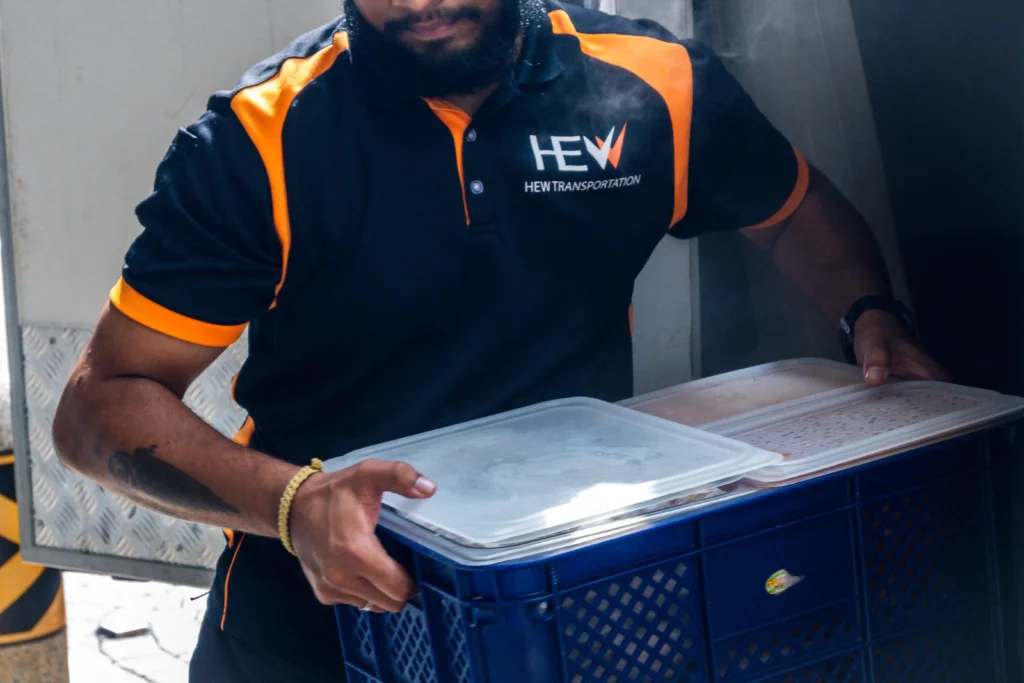
Cold chain logistics plays a critical role in maintaining product integrity and regulatory compliance. Without a stable temperature-controlled system, industries that rely on precision would face high levels of waste, financial loss, and safety risks.
Cold chain logistics is important because it:
- Protects product quality, freshness, and efficacy
- Reduces spoilage and operational losses
- Supports international and local regulatory compliance
- Ensures consumer safety and satisfaction
- Extends shelf life and manufacturing value
- Enhances brand reputation and trust
- Enables modern e-commerce grocery and pharmaceutical delivery
- Maintains stability for food, pharmaceutical, and biotech products
The global cold chain market exceeded USD 347 billion in 2023 and continues to grow due to increasing demand for fresh food, vaccine distribution, and temperature-sensitive pharmaceutical products.
How Cold Chain Logistics Works End-to-End
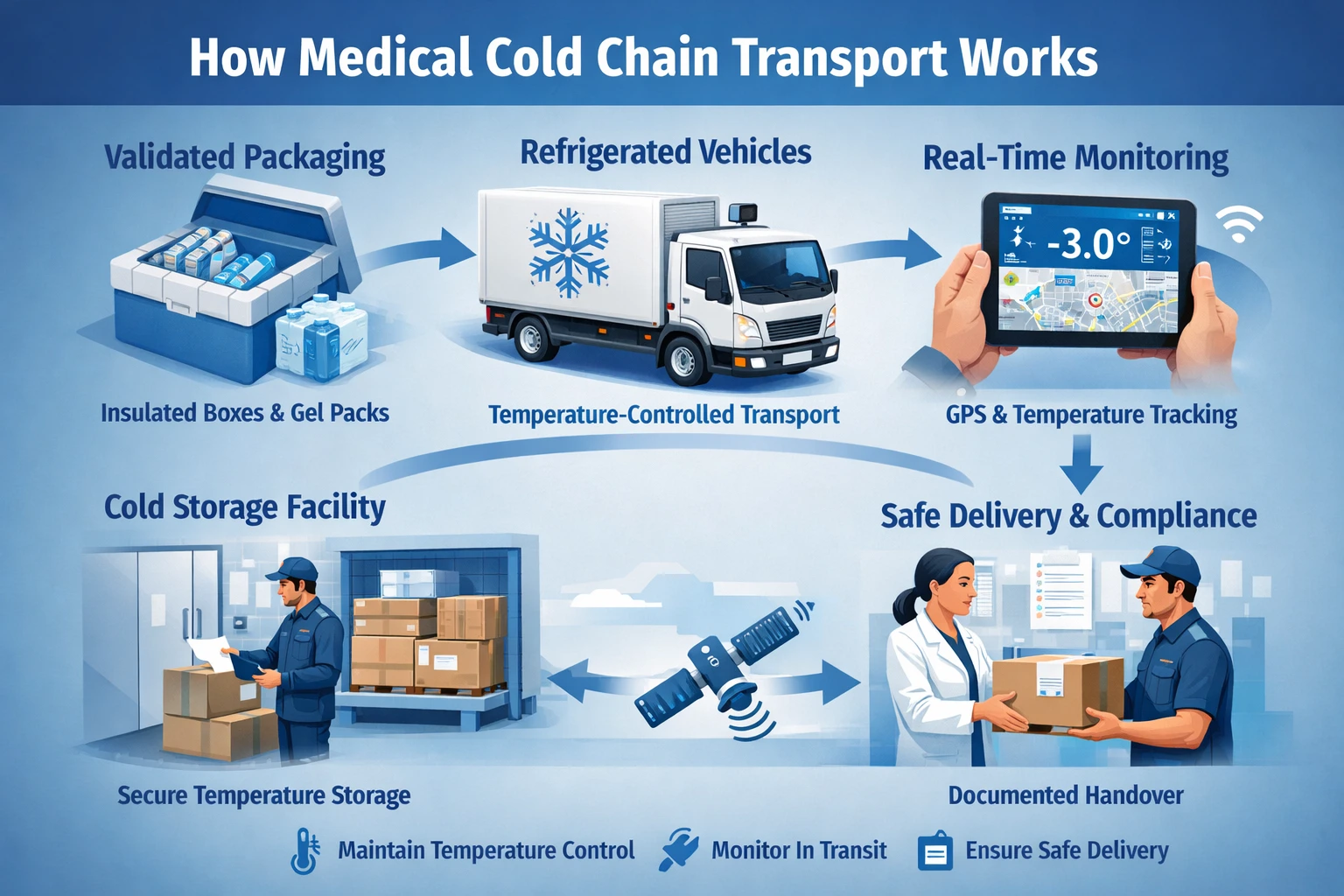
A cold chain system involves a series of interconnected components that must function together to maintain product quality. The process typically includes temperature-controlled storage, chilled transportation, insulated packaging, monitoring systems, and trained personnel.
1. Cold Storage Facilities
Temperature-sensitive goods begin their journey in specialized cold rooms or refrigerated warehouses. These facilities stabilize products before transport while meeting regulatory standards for hygiene, airflow, and temperature variance control.
2. Insulated and Thermal Packaging
Products are packed with materials such as:
- Gel ice packs
- Dry ice
- Vacuum-insulated panels
- Thermal blankets
- Polyurethane foam containers
These layers ensure products remain within their optimal temperature range during handling, loading, and short-duration exposure.
3. Refrigerated or Chilled Transport Vehicles
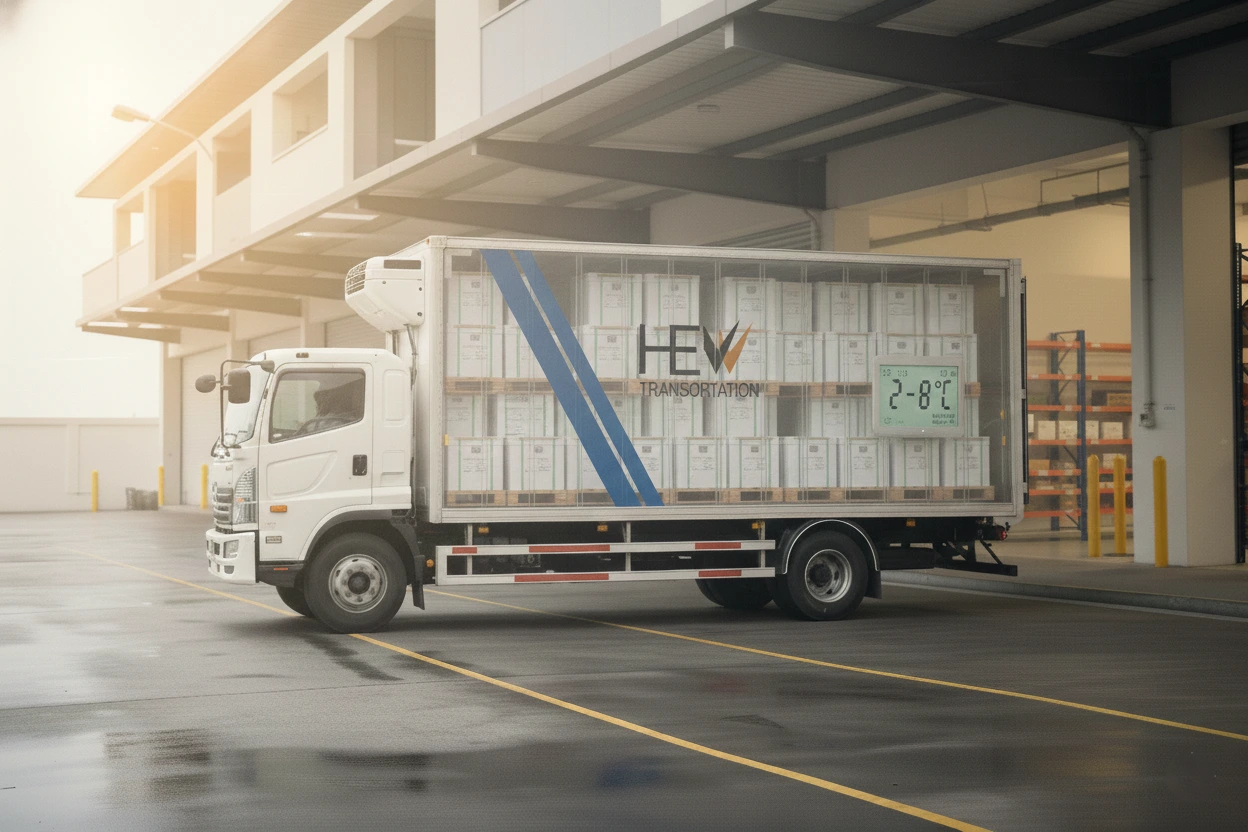
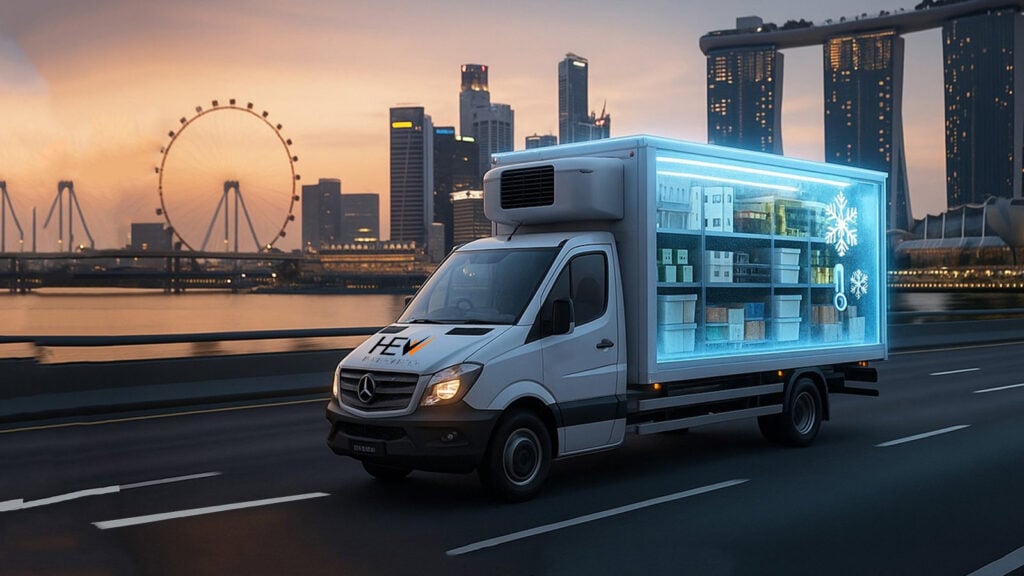
Cold chain logistics relies heavily on reefer trucks and refrigerated vans equipped with advanced cooling systems. At HEW Transportation, our fleet is engineered to deliver stable temperature performance across Singapore, supported by sensors that monitor internal conditions throughout transit.
4. Monitoring and Traceability Tools
IoT trackers, GPS systems, and digital data loggers provide customers with:
- Real-time temperature visibility
- Location tracking
- Alerts during temperature fluctuations
- Full documentation for audits and compliance
This traceability ensures transparency and minimizes risk across the supply chain.
5. Handling and Operational Protocols
Cold chain handling must be fast, precise, and organized to prevent exposure. Standard operating procedures include:
- Pre-cooling vehicles
- Temperature validation before loading
- Minimizing door-open times
- Proper stacking to maintain airflow
- Checking seals and insulation integrity
Trained personnel handle goods with care to reduce contamination or heat exposure.
Temperature Categories in Cold Chain Logistics
Different products require different temperature bands. Below is a reference table widely used in global cold chain operations:
| Temperature Category | Range | Typical Products |
|---|---|---|
| Frozen | −18°C and below | Meat, seafood, ice cream |
| Chilled | 0°C to 4°C | Fresh produce, dairy, ready-to-eat meals |
| Cool | 5°C to 15°C | Certain beverages, chocolates |
| Controlled Room Temp | 15°C to 25°C | Pharmaceuticals, cosmetics |
| Cryogenic | −150°C and below | Biotech samples, vaccines |
Maintaining accuracy within these temperature categories is essential for preserving product integrity.
Industries That Depend on Cold Chain Solutions
Cold chain logistics supports industries where safety, freshness, and compliance are critical.
Food and Beverage Industry
Fresh produce, poultry, seafood, dairy, and frozen items must stay within specific temperature ranges to prevent bacterial growth and preserve taste and texture.
Pharmaceuticals and Healthcare
Vaccines, insulin, biologics, and temperature-sensitive medicines require highly reliable cold chain conditions to maintain their chemical structure and effectiveness.
Biotechnology and Life Sciences
Research samples, genetic materials, diagnostics kits, and laboratory supplies typically require ultra-low temperatures or cryogenic conditions.
E-Commerce and Retail Logistics
With the rise of grocery delivery, meal kits, and online specialty foods, cold chain logistics helps businesses reach customers quickly while preserving quality.
Chemical and Industrial Sectors
Some adhesives, chemicals, coatings, and industrial compounds degrade when exposed to heat, requiring controlled environments throughout their lifecycle.
Business Benefits of a Strong Cold Chain System
A solid cold chain strategy provides measurable value:
1. Lower Waste and Higher Profitability
Temperature excursion is one of the most common causes of product loss. Maintaining consistent temperatures reduces spoilage, returns, and recalls.
2. Higher Operational Efficiency
Cold chain-optimized routes and real-time tracking support faster decision-making, better planning, and fewer disruptions.
3. Compliance with Singapore Regulations
Regulatory bodies such as:
- Singapore Food Agency (SFA)
- Health Sciences Authority (HSA)
- Good Distribution Practice (GDP) standards
require strict temperature handling for food and pharmaceutical products. Cold chain systems help businesses meet these standards smoothly.
4. Improved Customer Confidence
Consumers expect fresh groceries, potent medicines, and reliable delivery. With an effective cold chain system, businesses strengthen their reputation and foster trust.
Cold Chain Challenges and How We Address Them
Common challenges include temperature fluctuations, equipment breakdowns, traffic delays, human error, and uneven quality control.
At HEW Transportation, we address these with:
- A modern, well-maintained cold chain fleet
- Digitized temperature monitoring
- Optimized delivery routes
- 24/7 tracking
- Professionally trained cold chain handlers
- Preventive maintenance and SOP audits
These actions ensure that products arrive safely, on time, and in excellent condition.
Conclusion: A Reliable Cold Chain System Protects Your Product and Your Brand
Cold chain logistics is more than temperature control, it’s a critical safeguard for product quality, public health, and brand trust. Businesses that rely on temperature-sensitive goods require a logistics partner who understands accuracy, compliance, and real-time transparency.
Our team at HEW Transportation delivers dependable cold chain solutions supported by years of expertise, modern vehicles, and data-driven systems. For businesses looking to strengthen their cold chain operations in Singapore, we provide end-to-end solutions tailored to your needs.
FAQs (Frequently Asked Questions)
What is cold chain logistics used for?
Cold chain logistics is used to transport goods that require controlled temperatures, such as frozen food, vaccines, pharmaceuticals, and fresh produce, while maintaining product quality and safety.
Why is cold chain important in food delivery?
It prevents spoilage, reduces bacteria growth, and ensures freshness from supplier to customer.
How do logistics companies keep items cold during transport?
We use refrigerated vehicles, insulated packaging, and continuous temperature monitoring to maintain the required temperature throughout the journey.
What industries rely on cold chain systems?
Food & beverage, pharmaceuticals, cosmetics, biotechnology, chemicals, groceries, and e-commerce.
What happens if the cold chain breaks?
A temperature excursion can make products unsafe, ineffective, or spoiled—resulting in product recalls or financial losses.