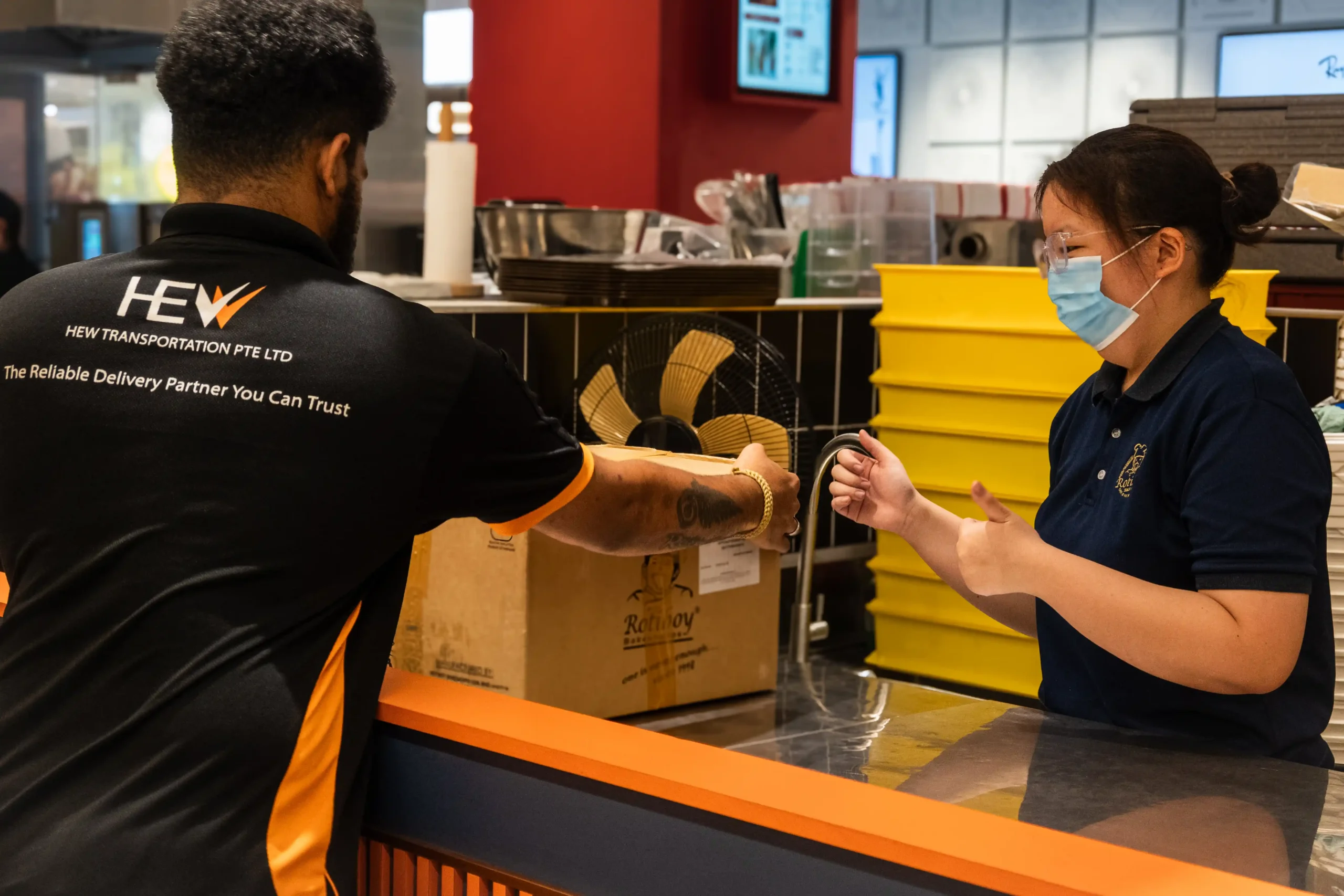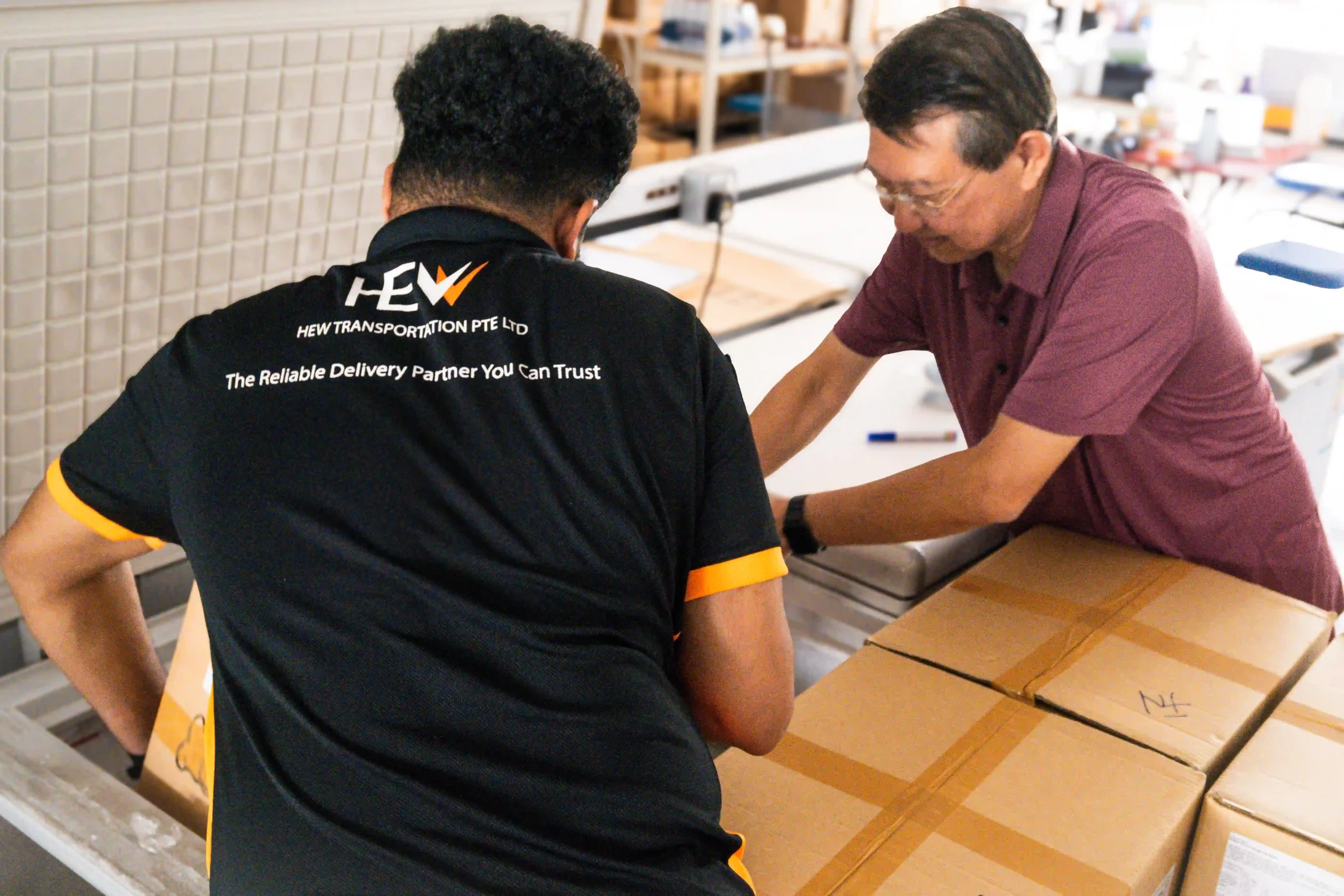
Courier services are no longer just about moving parcels from one point to another. Today, types of courier services refer to a wide range of delivery models designed to meet different business needs, speed, size, security, distance, and urgency.
From same day document delivery to heavy freight transport, understanding types of courier services enables businesses to make smarter logistics decisions. Each delivery model is designed to solve a different operational challenge, whether it’s speed, cost control, cargo safety, or scalability. When businesses match the right courier type to the right task, they can significantly reduce unnecessary expenses, prevent delivery delays, and maintain consistent service quality. This guide breaks down every major courier category with clear explanations, real-world use cases, side-by-side comparisons, and practical decision tips to help you choose with confidence.
Understanding Types of Courier Services
At its core, a courier service is a professional logistics solution that transports items safely and reliably. The types of courier services differ based on:
- Delivery speed.
- Item size and weight.
- Distance covered.
- Handling requirements.
- Level of tracking and security.
Choosing the wrong courier type often leads to higher costs, damaged goods, or missed deadlines. Choosing the right one becomes a competitive advantage.
Main Types of Courier Services Explained
1. Same-Day Courier Services
Same-day courier services are one of the most time-sensitive types of courier services, focusing on speed above all else. Items are collected and delivered within hours, often using dedicated vehicles or direct routes with minimal stops. This courier type is designed for urgent deliveries where delays can disrupt operations, impact customers, or cause financial loss.
Best for:
- Legal documents.
- Medical samples.
- Urgent business paperwork.
- Time-sensitive spare parts.
Key characteristics:
- Immediate dispatch.
- Point-to-point delivery.
- Higher cost per job.
Same-day services are commonly used in urban business districts where timing directly impacts operations.
2. Next-Day Courier Services
Next-day courier services balance speed and cost. Items are delivered on the next working day.
Common use cases:
- E-commerce orders.
- Business-to-business shipments.
- Retail restocking.
Advantages:
- Predictable delivery timelines.
- Lower cost than same-day.
- Scalable for daily operations.
This courier type supports growing businesses that need consistency without premium pricing.
3. Express Courier Services
Express courier services prioritize fast delivery within guaranteed time windows.
Typical features:
- Time-definite delivery slots.
- Real-time tracking.
- Priority handling.
Industries that rely on express courier services:
- Healthcare.
- Manufacturing.
- Technology.
- Financial services.
Express delivery is often confused with same-day delivery, but express services can span longer distances with structured logistics.
4. Standard Courier Services
Standard courier services are one of the most commonly used types of courier services, designed for non-urgent deliveries where speed is not the primary concern. These services typically operate on next-day or scheduled delivery timelines, making them suitable for routine shipments, bulk items, and cost-sensitive deliveries. By consolidating multiple orders into planned routes, standard courier services help businesses control logistics costs while maintaining reliable delivery performance.
Ideal for:
- Bulk shipments.
- Non-time-sensitive goods.
- Cost-controlled logistics.
Why businesses use them:
- Lower delivery fees.
- Reliable timelines.
- Suitable for regular shipments.
Standard services form the backbone of many supply chains.
5. Heavy and Bulky Courier Services
Heavy courier services handle oversized or high-weight items that standard couriers cannot manage.
Examples include:
- Machinery parts.
- Commercial equipment.
- Pallets and crates.
Special requirements:
- Loading equipment.
- Trained handlers.
- Vehicle matching.
Providers with experience in heavy transport often integrate planning, safety checks, and route optimization.
6. Dedicated Courier Services
Dedicated courier services assign a vehicle and driver exclusively to one client.
Best suited for:
- Confidential documents.
- High-value goods.
- Multi-stop business routes.
Key benefit:
- No cargo mixing.
- Direct routing.
- Full accountability.
This courier type offers maximum control.
7. International Courier Services
International courier services manage cross-border shipments.
Core elements:
- Customs documentation.
- Duties and tax handling.
- International tracking.
Common challenges:
- Delays at customs.
- Compliance requirements.
Businesses often combine international courier services with express or standard options depending on urgency.
Courier Service Comparison Table
| Courier Type | Speed | Cost Level | Best For |
|---|---|---|---|
| Same-Day Courier | Very Fast | High | Urgent documents |
| Next-Day Courier | Fast | Medium | E-commerce |
| Express Courier | Fast & Guaranteed | Medium–High | Time-critical deliveries |
| Standard Courier | Moderate | Low | Bulk shipments |
| Heavy Courier | Variable | Custom | Large items |
| Dedicated Courier | Flexible | Premium | Secure transport |
| International Courier | Variable | High | Cross-border shipping |
How Businesses Choose the Right Courier TypeSelecting the right courier service depends on more than just price.
Step-by-Step Decision Guide
- Define urgency: Is same-day necessary or will next-day work?
- Assess item size and weight: Standard or heavy courier?
- Evaluate risk; Is the item fragile, valuable, or regulated?
- Consider frequency: One-off delivery or daily operation?
- Match service level: Standard, express, or dedicated?
Businesses that align courier type with operational needs reduce delivery failures and improve efficiency.
Industry Insights and Practical Observations
Original Insight from Logistics Operations
Based on logistics performance reviews across Southeast Asia, businesses using matched courier types (instead of default express services) reduce delivery costs by 18–25% annually while improving on-time delivery rates.
This supports a growing trend: smart courier selection matters more than raw speed.
How Courier Services Support Business Growth
Courier services are no longer a back-end function. They influence:
- Customer satisfaction.
- Brand reputation.
- Operational scalability.
Many companies start with standard courier services, then evolve toward express or dedicated solutions as volume grows. Businesses seeking reliable partners often explore the best courier service in singapore to ensure consistency and accountability across deliveries.

Conclusion: Choosing the Right Courier Services Starts with the Right Partner
Understanding the types of courier services allows businesses to move faster without unnecessary cost or risk. From standard deliveries to heavy and express logistics, each courier type serves a specific operational role.
At HEW Transportation, courier solutions are designed around real business needs, speed, safety, and reliability. Instead of forcing a one-size-fits-all approach, delivery planning starts with understanding your cargo, urgency, and operational goals.
If you want courier services that support growth, reduce delivery friction, and scale with your business, visit our website to explore tailored Courier Services solutions built for modern operations.
FAQs (Frequently Asked Questions)
What are the main types of courier services?
The main types include same-day, next-day, express, standard, heavy, dedicated, and international courier services.
Which courier service is best for businesses?
It depends on urgency, item type, and delivery frequency. Most businesses use a mix of courier services.
Are express courier services always better?
Not always. Express services cost more and are best for time-critical deliveries, not bulk shipments.
When should I use a heavy courier service?
When items exceed standard weight or size limits and require special handling.
Can one courier company offer multiple service types?
Yes. Full-service logistics providers typically offer several courier service options under one operation.