Cold chain delivery methods refer to the specialized processes, technologies, and transportation systems used to move temperature-sensitive products while maintaining strict temperature stability. These methods ensure that goods such as pharmaceuticals, vaccines, seafood, frozen foods, lab samples, dairy, and fresh produce remain safe, high-quality, and compliant throughout their journey, from production to final delivery.
Cold chain logistics has become essential worldwide, especially in advanced markets like Singapore, where industries rely heavily on precise temperature control to meet regulatory and safety standards. As a team specializing in temperature-sensitive deliveries, we focus on accuracy, continuous monitoring, and strict handling procedures to help businesses safeguard product integrity. Understanding the different types of cold chain delivery methods allows businesses to choose the right solution according to temperature demands, distance, and risk tolerance.
Understanding the Major Types of Cold Chain Delivery Methods
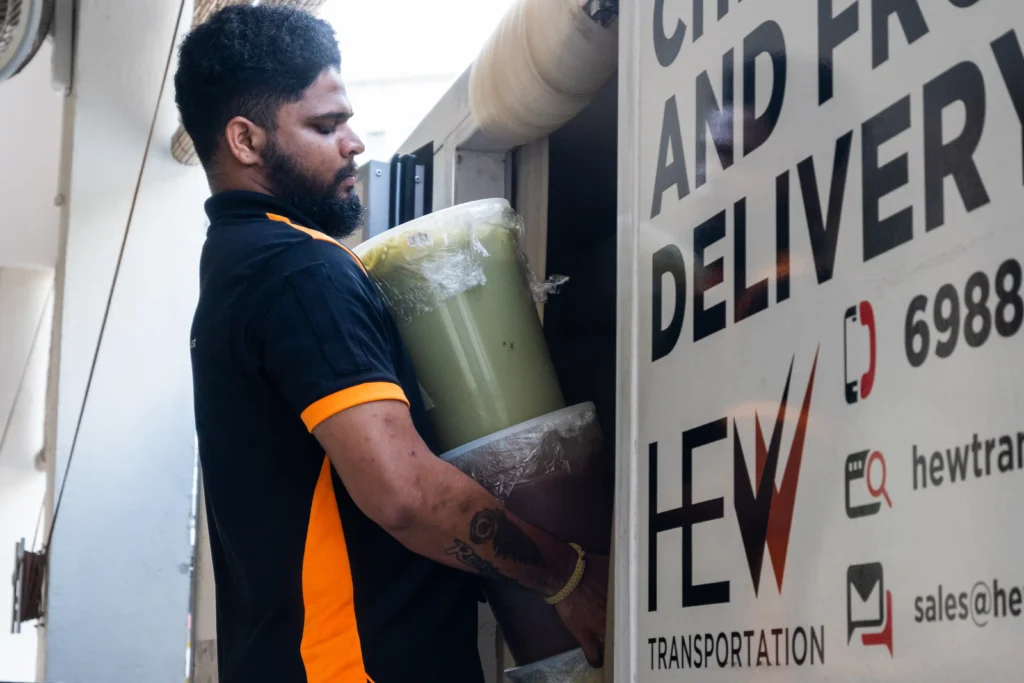
Cold chain delivery methods are typically categorized by temperature range and transportation technology. Each category supports a specific group of products with unique storage and handling requirements.
1. Refrigerated (Chiller) Delivery
Refrigerated or chiller delivery maintains temperatures between 0°C and 15°C, making it suitable for items that must stay cool but not frozen.
Common industries and products include:
- Dairy items like milk, cheese, and yogurt
- Fruits and vegetables
- Meat and poultry
- Drinks and perishable beverages
- Vaccines and pharmaceutical products
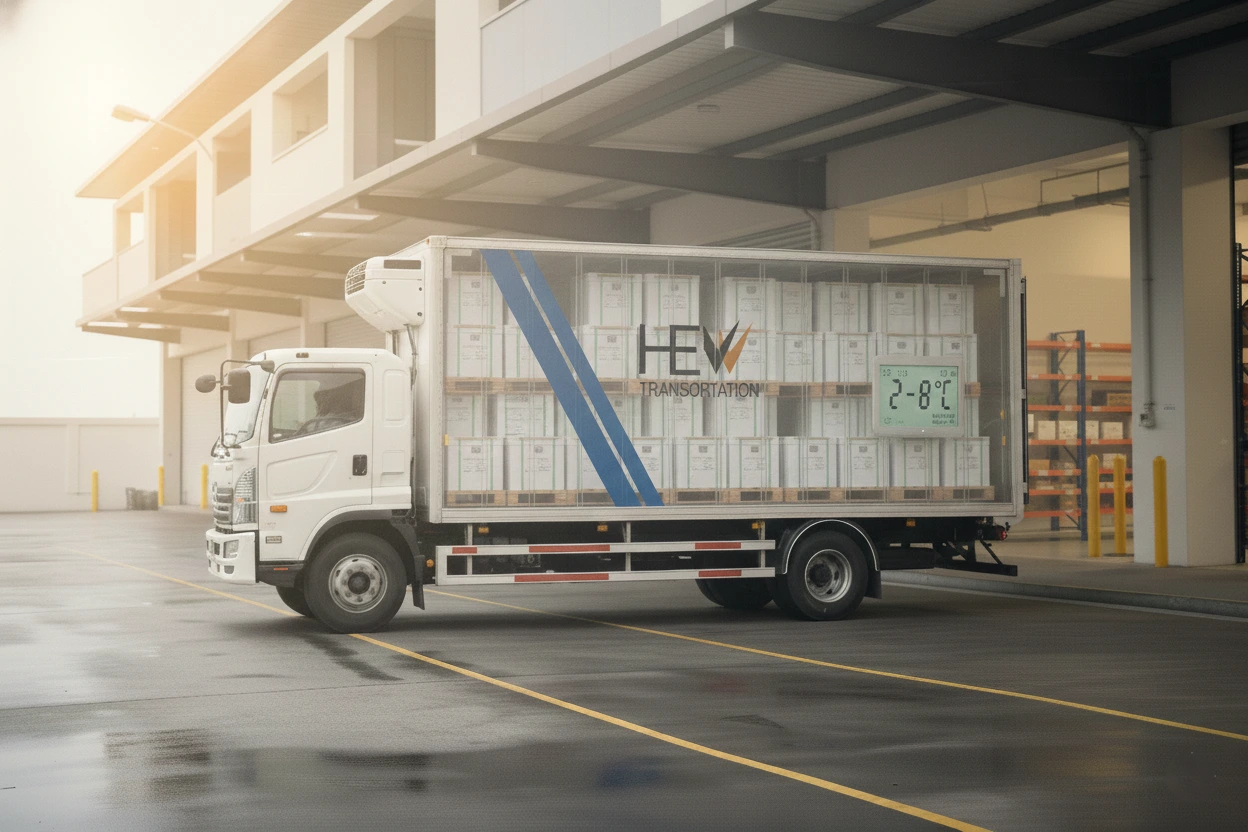
Chiller vehicles include insulated compartments, digital thermometers, humidity control, and real-time monitoring systems that alert drivers or transport managers if temperature fluctuations occur.
2. Frozen Delivery
Frozen delivery methods operate between –18°C and –25°C, designed for long-term preservation.
Typical cargo:
- Frozen meat and seafood
- Ice cream and frozen desserts
- Packaged frozen meals
- Frozen pastries
- Blood plasma and medical supplies
Frozen delivery requires uninterrupted power, strict door-opening discipline, and thermal barriers to maintain consistent temperatures even during unloading.
3. Ultra-Cold Delivery
Ultra-cold delivery maintains temperatures as low as –80°C, often powered by dry ice or specialty ultra-low freezers.
Used by:
- Biomedical labs
- Pharmaceutical manufacturers
- Vaccine distributors
- Research organizations handling biological materials
This method demands specialized training due to the extreme cold and regulatory requirements, especially for cross-border medical shipments.
4. Passive Cooling Delivery
Passive cooling delivery does not rely on active machinery. Instead, it uses insulated packaging powered by cooling agents such as:
- Dry ice
- Gel packs
- Phase-change materials (PCM)
Ideal for:
- Last-mile delivery
- Meal-kit companies
- E-commerce for fresh or chilled products
- Short-distance pharmaceutical transport
Passive cooling is cost-effective and sustainable, though its temperature duration is limited by insulation quality and cooling agents.
5. Active Cooling Delivery
Active cooling delivery depends on electrically or battery-powered refrigeration systems built into containers or transport units.
Advantages include:
- Adjustable temperature settings
- Consistent cooling for long routes
- Reliable performance for long-distance or cross-border delivery
- Continuous visibility via IoT sensors
This method is commonly used for pharmaceuticals, high-value perishables, and international shipments.
6. Multi-Temperature Delivery
Multi-temperature delivery vehicles contain multiple compartments, each with a different temperature zone. This allows transport of chilled, frozen, and ambient products at the same time.
Industries that rely on this method:
- Supermarkets
- FMCG distributors
- Food wholesalers
- Hospitals and medical suppliers
This approach maximizes efficiency, reduces transportation costs, and supports bulk delivery.
Cold Chain Delivery Methods Comparison Table
| Delivery Method | Temperature Range | Typical Products | Best For |
|---|---|---|---|
| Chiller | 0°C–15°C | Dairy, produce | Food & pharma |
| Frozen | –18°C to –25°C | Frozen foods | Retail, export |
| Ultra-Cold | –40°C to –80°C | Vaccines, samples | Biotech |
| Passive | Variable | Meal kits, parcels | Last-mile |
| Active | Custom | Pharma, long routes | Cross-border |
| Multi-Temp | Multiple zones | Mixed goods | Supermarkets |
For businesses that want to learn how these systems function within Singapore’s logistics ecosystem, explore our dedicated guide on cold chain delivery in singapore
Benefits of Using the Right Cold Chain Delivery Method
Choosing the appropriate delivery method ensures:
- Product freshness
- Safety and hygiene compliance
- Extended shelf life
- Protection against spoilage-related losses
- Customer satisfaction and brand trust
With Singapore’s strict standards in food and pharmaceutical safety, businesses must partner with reliable providers to maintain full cold chain integrity.
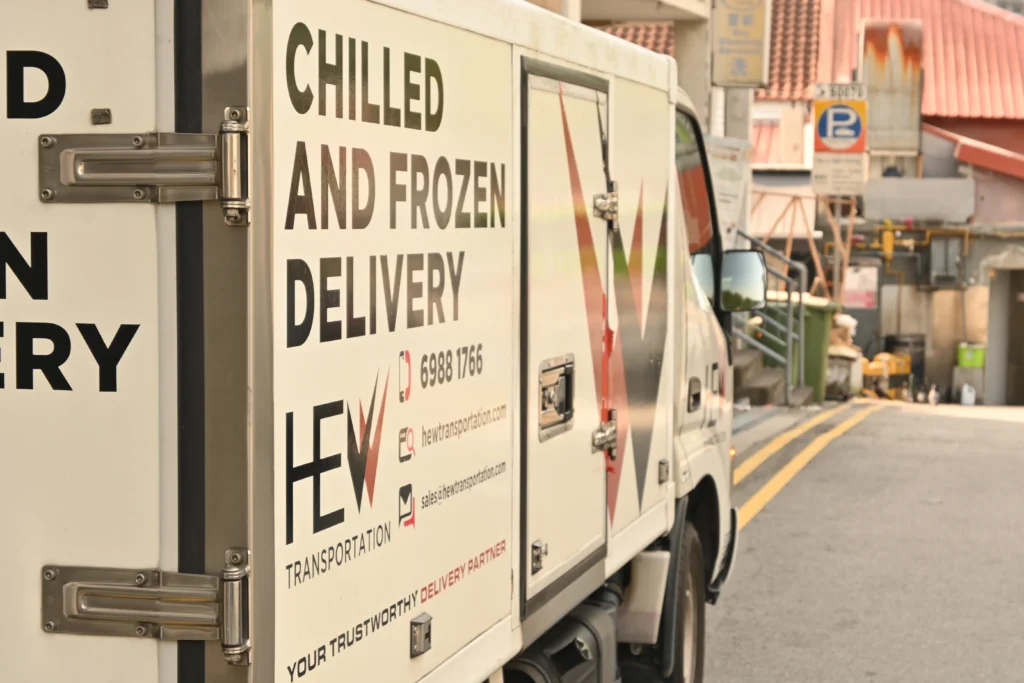
Conclusion: Choosing the Best Cold Chain Delivery Method for Your Needs
Cold chain delivery is essential for ensuring the safety, quality, and regulatory compliance of temperature-sensitive products. Whether you need chiller, frozen, ultra-cold, passive, active, or multi-temperature solutions, each method supports a specific purpose. The key is understanding your product’s requirements and selecting a provider equipped with the right technology, fleet, and expertise.
At HEW Transportation, we deliver dependable, professionally managed, and fully monitored cold chain solutions for businesses across Singapore. Our goal is to maintain product integrity at every stage using advanced systems and trained personnel.
FAQs (Frequently Asked Questions)
What is the most reliable cold chain delivery method?
The best method depends on product needs. For pharmaceuticals, active cooling is ideal; for frozen goods, deep-freeze delivery is preferred.
Can chilled and frozen items be transported at the same time?
Yes. Multi-temperature delivery vehicles allow separate zones for different temperature ranges.
How do passive cooling systems work?
Passive systems rely on insulation and cooling packs rather than machinery, making them ideal for short trips or last-mile delivery.
Is ultra-cold delivery necessary for all vaccines?
No. Only certain types, such as mRNA vaccines, require ultra-cold temperatures.
How do I choose the right cold chain method?
Identify your product’s temperature needs, distance, duration, and compliance requirements. Our team can help you select the safest solution.