Cold chain logistics relies heavily on advanced technology to maintain precise temperatures throughout the storage, transportation, and distribution of perishable goods. Food producers, pharmaceutical companies, and healthcare providers depend on these systems to protect product quality and safety. As industry expectations rise, advanced monitoring tools, smart refrigeration systems, and automated tracking platforms have become essential for maintaining end-to-end temperature control.
As a team deeply involved in cold chain operations, we focus on implementing modern tools that improve reliability, transparency, and operational efficiency. This comprehensive guide explores the key technology used in cold chain logistics, how each component functions, and why digital accuracy matters for temperature-sensitive supply chains.
Overview of Core Cold Chain Technologies
Cold chain logistics today is supported by a wide range of technologies. Each tool serves a specific function within the temperature-controlled ecosystem. Below is a breakdown of the technologies most widely used across industries.
Refrigeration and Cooling Technologies
Mechanical Refrigeration Systems
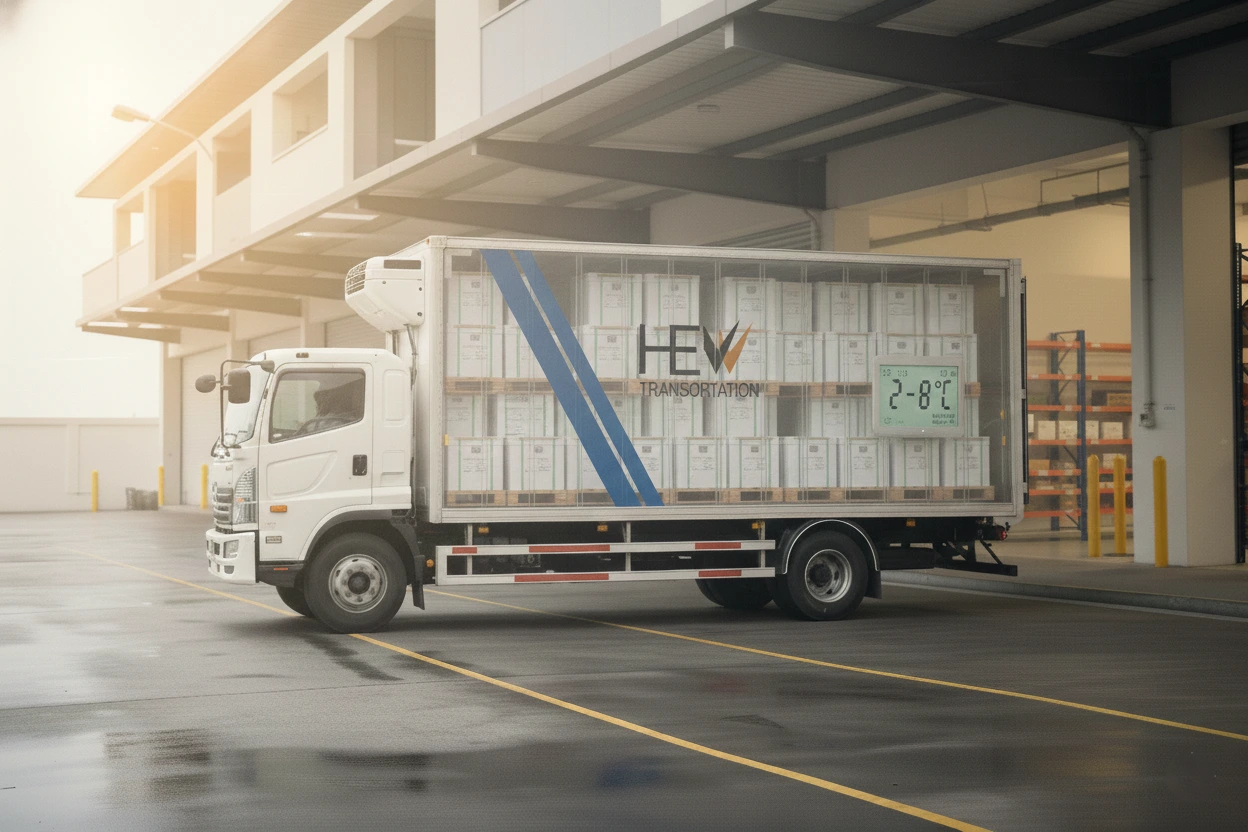
Mechanical refrigeration units, commonly used in refrigerated trucks and cold rooms, control temperatures using compressors, condensers, and evaporators. These systems provide adjustable temperature ranges suitable for frozen, chilled, or deep-frozen products.
Cryogenic Cooling
Cryogenic systems rely on liquid nitrogen (LN2) or dry ice to maintain extremely low temperatures. They are often used in biotech, medical, and pharmaceutical shipments.
Phase Change Materials (PCM)
PCM packs absorb or release heat at predetermined temperatures. They help maintain stability for last-mile delivery or short routes without full refrigeration.
Diagram: Cooling Method Comparison
| Cooling Method | Temperature Range | Best Use Case | Duration |
|---|---|---|---|
| Mechanical Refrigeration | -20°C to +10°C | Transport trucks, cold rooms | Long |
| Cryogenic Cooling | -80°C and lower | Biotech, vaccines | Medium |
| PCM | -5°C to +5°C | Short trips or backups | Short–Medium |
Temperature Monitoring and Data Logging Tools
IoT Temperature Sensors
IoT sensors provide real-time temperature measurements via cloud platforms. They can detect even slight fluctuations and send immediate alerts to operators.
Data Loggers
Data loggers store temperature data at regular intervals, offering a detailed record for audits, compliance, and quality checks.
Smart Tracking Devices
These devices combine GPS, temperature monitoring, humidity readings, and shock detection to provide full shipment visibility.
Telematics and Tracking Systems
Telematics systems integrate vehicle data, refrigeration status, GPS, and driver behavior into a single dashboard. They allow logistics teams to:
- Optimize delivery routes
- Ensure refrigeration compliance
- Track fuel use and energy consumption
- Improve driver accountability
Many businesses integrate telematics with ERP systems to automate documentation and reporting.
Insulated Packaging and Smart Containers
Insulated Boxes & Pallet Shippers
High-density insulated boxes minimize thermal exchange, helping maintain stable temperatures throughout transit.
Smart Reefer Containers
These containers include built-in temperature control, telemetry, and real-time monitoring. They are widely used for international shipments and long-distance cold chain movement.
Automation and Warehouse Technology
Automated Storage & Retrieval Systems (AS/RS)
These systems minimize human exposure to temperature-sensitive storage zones, improving efficiency and reducing temperature loss.
Cold Room Automation
Includes automated doors, humidity controls, high-speed conveyors, and integrated temperature alarms.
Diagram: Workflow of an Automated Cold Room
- Product arrives
- Automated scanning & labeling
- AS/RS assigns location
- Robotic retrieval when needed
- Loading to refrigerated truck
Blockchain for Traceability in Cold Chain
Blockchain allows tamper-proof data records throughout the supply chain. Every temperature reading, location update, and handling step is logged in a secure ledger.
Benefits include:
- Improved compliance
- Proof of product integrity
- Quick issue detection
- Transparent supplier records
Predictive Analytics in Cold Chain
Systems analyze shipment patterns to predict:
- Temperature risks
- Equipment failures
- Delivery delays
- Seasonal demand changes
Predictive analytics helps operators act before issues occur, improving reliability and reducing loss.
End-to-End Cold Chain Technology Flow
- Production – Temperature-controlled manufacturing
- Packaging – Use of insulated containers, PCM, or dry ice
- Storage – Cold rooms with automated monitoring
- Loading – Temperature-validated loading docks
- Transport – Refrigerated trucks + IoT sensors
- Monitoring – Real-time data sent to cloud systems
- Delivery – Verified product temperature upon arrival
For deeper insight into operational processes, we recommend reading our article on how cold chain delivery works.

Conclusion: Strengthening Cold Chain Logistics with Reliable Technology
Technology forms the foundation of a secure and efficient cold chain system. From IoT sensors to automated warehouses and smart reefer containers, every tool contributes to maintaining product integrity, compliance, and customer trust. Our team specializes in applying these technologies to ensure consistent, reliable temperature control for businesses that depend on high-quality cold chain processes. For further insights, visit our website HEW Transportation.
FAQs (Frequently Asked Questions)
Why is technology so important in cold chain logistics?
Because temperature-sensitive goods require continuous monitoring and control. Technology reduces risks and ensures compliance.
What is the most important technology in cold chain operations?
IoT monitoring is essential because real-time visibility prevents spoilage and product loss.
How does AI help cold chain transportation?
AI predicts delays, temperature issues, and equipment failures, allowing quick corrective action.
Is insulated packaging enough for cold chain delivery?
For short routes, yes. But for longer distances, active refrigeration and IoT tracking are crucial.
Can blockchain really improve transparency?
Yes, it secures every step of the supply chain, making data tamper-proof for audits and compliance.