Pharmaceutical delivery compliance in Singapore refers to the set of regulatory requirements, operational standards, and handling practices that ensure medicines and healthcare products are transported safely, securely, and without quality loss.
In simple terms, it is about making sure pharmaceutical products arrive in the same condition they left, without temperature deviation, contamination, delays, or documentation gaps.
Singapore’s healthcare ecosystem is highly regulated. From hospitals and clinics to distributors and manufacturers, everyone involved in pharmaceutical delivery compliance in Singapore must comply with strict rules set by authorities such as the Health Sciences Authority (HSA). And in practice, delivery is often where compliance is tested the hardest.
We see this on the ground all the time. Storage might be perfect. Documentation might be complete. But once products move, risks start to appear.
That is why pharmaceutical delivery compliance in Singapore is not just a regulatory topic. It is an operational one.
What Does Pharmaceutical Delivery Compliance Actually Cover?
Pharmaceutical delivery compliance is not a single rule. It is a system made up of several moving parts working together.
At a high level, compliance includes:
- Temperature control during transport.
- Secure handling and tamper prevention.
- Accurate documentation and traceability.
- Trained personnel and proper SOPs.
- Vehicle and equipment suitability.
If any one of these fails, compliance is already compromised, even if the product still reaches its destination.
Regulatory Framework Governing Pharmaceutical Delivery in Singapore
Health Sciences Authority (HSA) Guidelines
In Singapore, pharmaceutical logistics operations are regulated under Good Distribution Practice (GDP) guidelines enforced by the HSA. These guidelines apply not only to storage facilities, but also to transport and last-mile delivery.
Key expectations include:
- Maintaining product integrity throughout transit.
- Preventing mix-ups and cross-contamination.
- Recording and investigating deviations.
- Ensuring accountability at every transfer point.
GDP compliance is not optional. It is a licensing and audit requirement.
Why Transport Is the Weakest Link
From experience, delivery is often where compliance slips in pharmaceutical delivery compliance in Singapore, not because of negligence, but because real-world transport conditions are unpredictable.
Traffic delays. Site access issues. Equipment failure. Human error.
This is why pharmaceutical delivery compliance in Singapore places heavy emphasis on process control during transport, not just inside warehouses.
Temperature Control: The Core of Pharmaceutical Compliance
Temperature is usually the first thing auditors ask about, and for good reason.
Many pharmaceutical products fall into categories such as:
- Cold chain (2°C to 8°C).
- Controlled room temperature (20°C to 25°C).
- Frozen or ultra-cold products.
A short temperature excursion can render a product unusable, even if it looks fine.
What Proper Temperature Compliance Requires
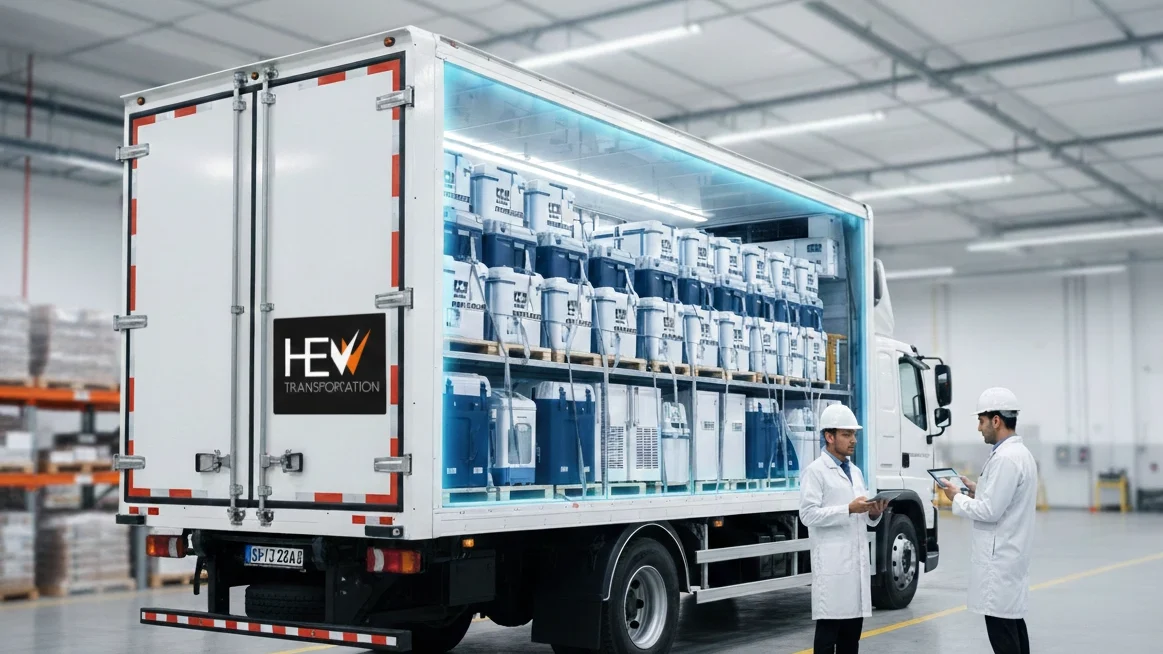
- Validated insulated containers or refrigerated vehicles.
- Calibrated temperature monitoring devices.
- Real-time or trip-based temperature logs.
- Clear procedures for handling excursions.
Interestingly, similar principles apply across industries. For example, food logistics faces parallel challenges, which is why insights from how F&B businesses reduce spoilage are often relevant when designing temperature-controlled delivery workflows.
Documentation and Traceability During Delivery
Paperwork is not just bureaucracy in pharmaceutical delivery. It is proof.
Compliance documentation typically includes:
- Delivery notes and batch details.
- Temperature logs.
- Chain-of-custody records.
- Deviation and incident reports.
Why Documentation Matters So Much
During audits or investigations, authorities do not ask what “probably happened”. They ask what can be proven.
Without complete delivery records, companies may face:
- Product recalls.
- Regulatory penalties.
- Loss of license or accreditation.
Pharmaceutical delivery compliance in Singapore is as much about record-keeping discipline as it is about physical handling.
Vehicle and Equipment Requirements
Not every vehicle is suitable for pharmaceutical delivery.
Compliance-focused delivery requires:
- Clean, enclosed cargo spaces.
- Easy-to-sanitize interiors.
- Proper insulation or refrigeration.
- Secure loading systems.
Common Compliance Gaps We See
- Using general-purpose vans for sensitive products.
- Mixing pharmaceutical goods with non-compatible cargo.
- Lack of backup cooling solutions.
These issues usually appear during audits or, worse, after an incident.
The Human Factor: Training and SOP Discipline
Even with the best vehicles and systems, people still make the difference.
Drivers and handlers must understand:
- Why temperature matters.
- What to do during delays.
- How to document exceptions.
- When to escalate issues.
Pharmaceutical delivery compliance in Singapore assumes that frontline personnel are not just drivers, but part of the quality system.
Real-World Insight: What Actually Causes Non-Compliance
Based on operational observations across regulated deliveries, several patterns appear repeatedly:
- Most temperature excursions happen during loading or unloading.
- Delays are more damaging than distance.
- Poor communication causes more compliance failures than equipment issues.
In one internal case review, over 60% of delivery deviations were linked to unclear SOP execution, not technical failure. That tells us compliance is often about process clarity, not complexity.
How Pharmaceutical Delivery Compliance Supports Patient Safety
At the end of the chain, there is a patient.
A compromised medicine may:
- Lose effectiveness.
- Become unsafe.
- Require disposal and replacement.
Compliance protects not just businesses, but patients, healthcare providers, and public trust in the healthcare system.
How HEW Transportation Approaches Pharmaceutical Delivery Compliance
At HEW Transportation, pharmaceutical delivery compliance is treated as an operational discipline, not a marketing term.
Our approach focuses on:
- SOP-driven delivery workflows.
- Trained drivers familiar with regulated cargo.
- Suitable vehicles for pharmaceutical transport.
- Clear documentation and traceability.
We work with businesses that cannot afford guesswork in delivery. Timing, condition, and accountability matter.
Actionable Steps to Improve Pharmaceutical Delivery Compliance
Here is a practical checklist businesses can apply:
- Audit delivery routes, not just warehouses.
- Review temperature data regularly, not only during audits.
- Train drivers on “why”, not just “how”.
- Use vehicles matched to product sensitivity.
- Treat deviations as learning points, not blame events.
Pro Tips from the Field
- Short routes can still fail compliance if loading is rushed.
- Redundant monitoring is better than blind trust.
- Clear handover protocols reduce 80% of delivery disputes.
Conclusion: Why Compliance Is a Delivery Responsibility, Not Just a Regulation
Pharmaceutical delivery compliance in Singapore is not something that happens by accident. It is designed, trained, monitored, and reinforced every day.
At HEW Transportation, we support pharmaceutical and healthcare businesses by providing delivery solutions Cold Chain Logistics that align with pharmaceutical delivery compliance in Singapore, not shortcuts. If your products require accountability, consistency, and care during transport, compliance-focused delivery is not optional.
FAQs (Frequently Asked Questions)
What is pharmaceutical delivery compliance in Singapore?
It refers to meeting HSA GDP requirements during the transport of pharmaceutical products, ensuring safety, quality, and traceability.
Is cold chain delivery mandatory for all medicines?
No. Only temperature-sensitive products require cold chain, but temperature control must match product specifications.
Who is responsible for compliance during delivery?
Responsibility is shared between the license holder and the delivery provider. Accountability must be clearly defined.
How are delivery deviations handled?
Deviations must be documented, investigated, and assessed for product impact according to GDP guidelines.
Can third-party logistics providers handle pharmaceutical deliveries?
Yes, as long as they meet GDP requirements and operate under validated SOPs.