What Are Industries That Need Cold Chain Logistics? (Definition & Overview)
Industries that need cold chain logistics are sectors that rely on strict temperature-controlled storage, handling, and transportation to keep products safe, fresh, and stable. These include food, pharmaceuticals, biotechnology, agriculture, and specialty chemicals, industries where temperature fluctuations can lead to spoilage, reduced efficacy, contamination, or complete product loss.
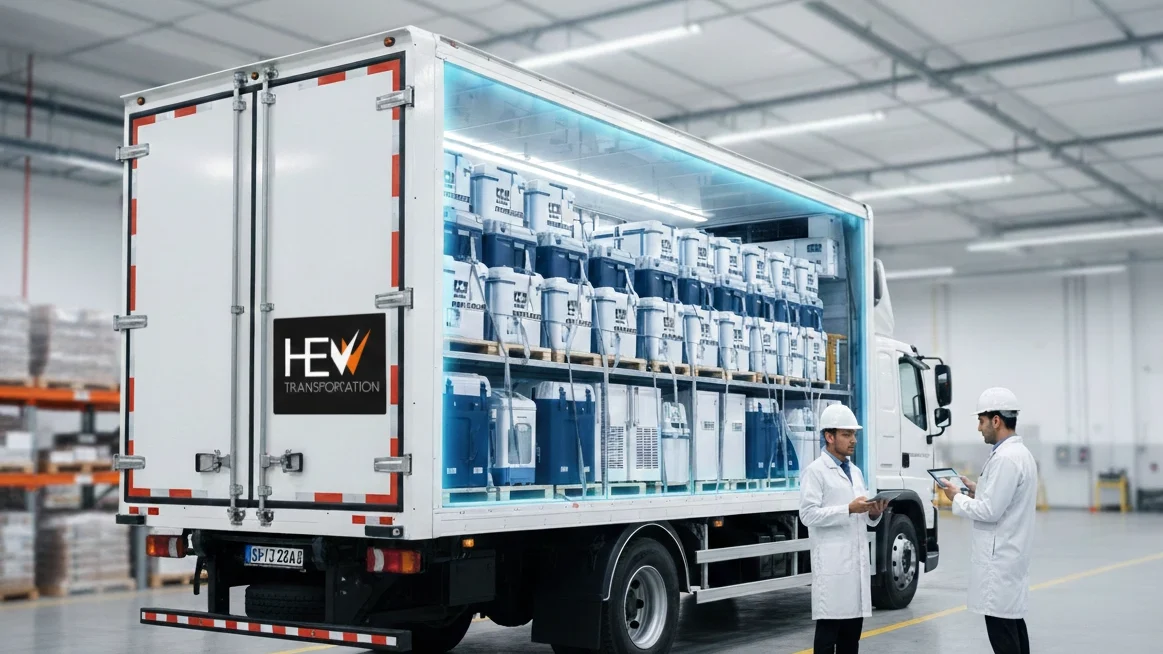
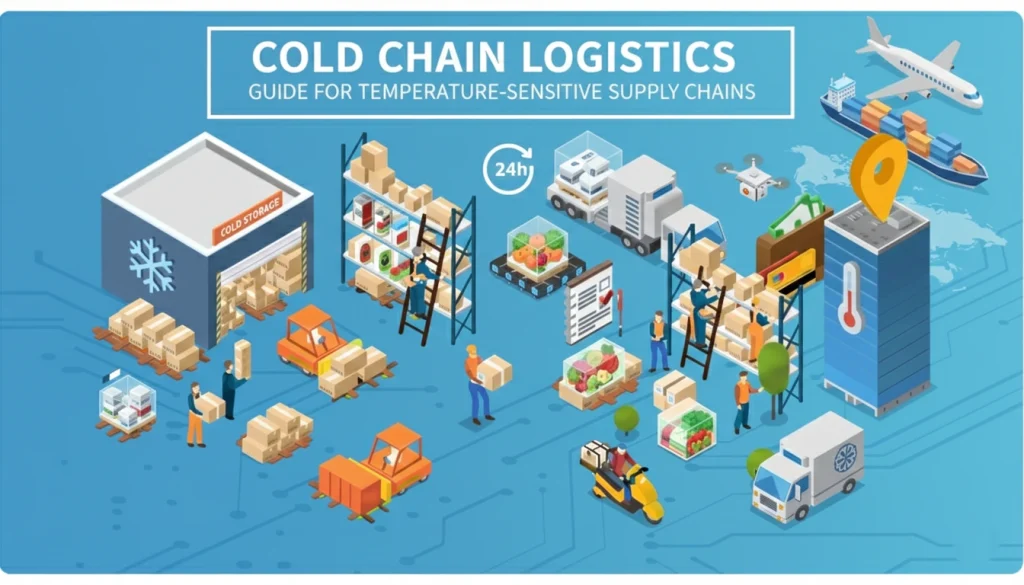
Cold chain logistics involves:
- Refrigerated transport (chiller, reefer, and freezer trucks)
- Temperature-controlled warehouses
- Insulated packaging systems
- Monitoring tools for tracking temperature and humidity
- Standard operating procedures (SOPs) to prevent temperature excursions
For deeper insights into how perishable goods should be packed before entering the cold chain, visit our comprehensive resource: guide to packaging perishable items
Industries That Need Cold Chain Logistics
1. Food & Beverage Industry
The food industry is the largest user of cold chain logistics. A temperature drop or spike can cause microbial growth, spoilage, or foodborne illnesses.
Examples of Food Products That Require Cold Chain
- Fresh produce
- Meat and poultry
- Seafood
- Dairy products
- Frozen goods
- Ready-to-eat meals
Temperature Ranges
| Product Type | Ideal Temperature |
|---|---|
| Fresh Produce | 0–5°C |
| Meat & Seafood | 0–2°C |
| Dairy | 2–4°C |
| Frozen Foods | –18°C |
2. Pharmaceutical & Healthcare Industry
The pharmaceutical industry relies heavily on precision temperature control to maintain drug potency and patient safety.
Products That Require Cold Chain
- Vaccines (including mRNA vaccines)
- Insulin
- Blood plasma
- IV solutions
- Laboratory samples
Why It Matters
- A vaccine exposed to >8°C for too long may become ineffective.
- Medical samples can degrade, making diagnostic results unreliable.
3. Biotechnology & Life Sciences
Biotech materials are extremely temperature-sensitive and often require ultra-low temperatures.
Examples
- DNA and RNA samples
- Enzymes
- Cell cultures
- Biological reagents
Many require temperatures as low as –80°C or even –150°C (cryogenic conditions).
4. Agriculture & Floriculture
Not only food, flowers, plants, and seedlings need controlled temperatures to prevent early wilting and maintain quality during transport.
Common Products
- Cut flowers
- Young plants and seedlings
- Fruits and vegetables for export
5. Chemicals & Specialty Materials
Some industrial chemicals are unstable at room temperature and require cooling to remain safe during transit.
Examples
- Certain adhesives
- Industrial resins
- Volatile chemicals
- Lab reagents
Why These Industries Depend on Cold Chain Logistics
1. Prevent Product Loss
Temperature fluctuations can quickly cause spoilage, contamination, or irreversible structural changes in perishable goods. In industries such as food, pharmaceuticals, and biotechnology, even a brief temperature excursion can render an entire shipment unusable. Bacterial growth accelerates when products exceed safe temperature ranges, frozen items may melt and refreeze, damaging texture and safety, and sensitive chemicals or biological materials can degrade rapidly. These failures result in significant financial loss, wasted inventory, and operational disruption. A stable cold chain prevents these risks and protects the value of every product throughout the supply journey.
2. Maintain Quality & Safety
Cold chain compliance ensures:
- Food safety
- Pharmaceutical potency
- Accurate laboratory results
3. Regulatory Compliance
Industries must follow:
- Food Safety Modernization Act (FSMA)
- Good Distribution Practices (GDP)
- WHO cold chain requirements
4. Customer Satisfaction & Brand Trust
Reliable cold chain performance directly influences how customers perceive a brand. Consistent product quality leads to fewer complaints, lower return rates, and higher customer confidence. Whether delivering fresh groceries, specialty desserts, vaccines, or laboratory samples, customers expect products to arrive in the same condition as when they were shipped. Companies that maintain dependable temperature control throughout the delivery process build long-term trust, strengthen loyalty, and differentiate themselves in a competitive market. A strong cold chain becomes a defining factor in customer experience and repeat business.
Actionable Steps to Strengthen Your Cold Chain Logistics
1. Conduct a Cold Chain Audit
Start by evaluating every stage of your current cold chain process, from packaging and storage to transportation and last-mile handling. Identifying weak points allows your business to fix temperature gaps, reduce spoilage risks, and improve overall efficiency.
2. Use Validated Insulated Packaging
Select packaging materials that have been tested and proven to maintain stable temperatures. Gel packs, dry ice, EPS coolers, and temperature indicators help ensure that products stay within their required range throughout the journey.
3. Implement Real-Time Temperature Monitoring
Using digital sensors and tracking systems allows you to monitor temperature conditions from pickup to delivery. Real-time alerts help prevent temperature excursions and ensure full visibility across the cold chain.
4. Partner With a Certified Cold Chain Provider
Work with a logistics company equipped with pharmaceutical-grade and food-grade transport standards. Certified providers offer temperature-controlled vehicles and compliance with regulatory requirements, ensuring safer and more reliable deliveries.
5. Train Your Team
Proper training ensures staff understand correct handling, packaging, and SOP procedures. Well-trained employees minimize errors, improve efficiency, and maintain product integrity throughout the cold chain.
Conclusion: Why Your Industry Needs a Reliable Cold Chain Partner
Industries that need cold chain logistics, from food to pharmaceuticals, depend on consistent temperature control to protect product quality, reduce waste, and meet strict safety standards. A trusted logistics partner ensures your goods remain stable from origin to destination, supporting both operational efficiency and customer satisfaction. For end-to-end cold-chain solutions, including refrigerated transport, frozen delivery, and packaging guidance, visit our website to learn more about our professional cold-chain logistics services and how we can support your business needs.
FAQs (Frequently Asked Questions)
Why do certain industries rely on cold chain logistics?
Because their products degrade quickly when exposed to temperature changes.
What happens if the cold chain breaks?
Spoilage, contamination, loss of potency, or full product rejection.
Which industry uses the cold chain the most?
Food and pharmaceuticals dominate global cold chain usage.
Is cold chain logistics expensive?
It can be, but the cost is far lower than product loss or regulatory penalties.
How can businesses ensure proper cold chain packaging?
Follow validated methods—see our full guide here: guide to packaging perishable items