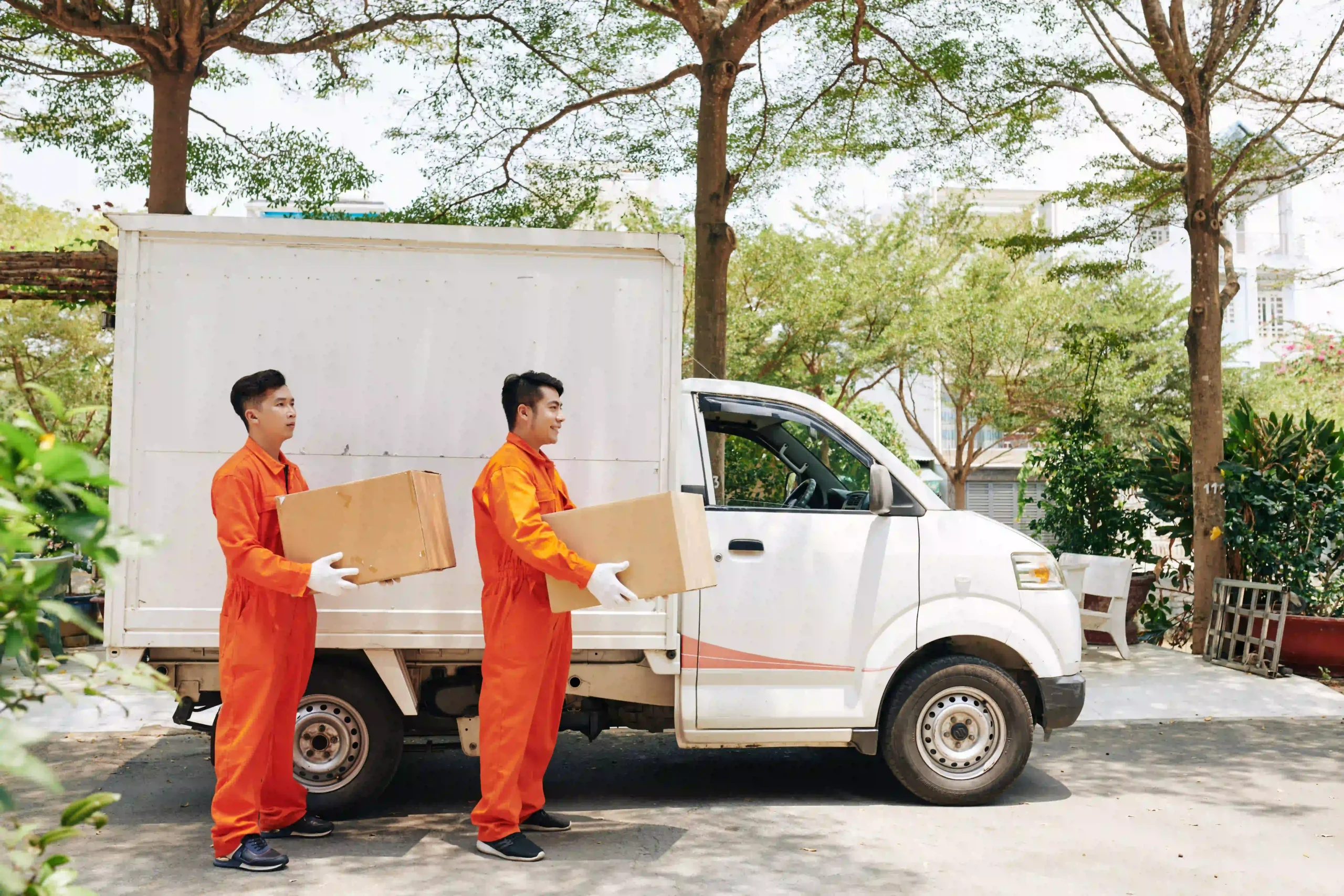
Safely delivering bulky items requires specialized logistics planning, proper handling techniques, and the right transportation infrastructure. Bulky items, such as furniture, appliances, medical equipment, industrial components, and oversized commercial goods, pose higher risks during transport due to their size, weight, fragility, and loading complexity. Understanding how to safely deliver bulky items is essential to prevent damage, delays, safety incidents, and costly returns. Unlike standard parcel delivery, bulky item logistics focuses on load stability, secure packaging, trained manpower, and route optimization to ensure goods arrive intact, compliant, and on schedule.
What Qualifies as a Bulky Item in Logistics?
Bulky items are shipments that exceed standard parcel dimensions or require special handling due to their physical characteristics.
Common examples include:
- Furniture (sofas, wardrobes, beds)
- Large appliances (refrigerators, washing machines)
- Medical and laboratory equipment
- Commercial displays and retail fixtures
- Industrial machinery and spare parts
These items often require manual handling coordination, lifting equipment, and customized transport vehicles.
Why Bulky Item Delivery Requires Specialized Handling
Delivering bulky goods introduces multiple risk points that do not exist in regular courier services due to their size, weight, and handling complexity. These items are harder to lift, secure, and maneuver, increasing the risk of damage, load shifting, and worker injury if handled without proper equipment or trained personnel.
Additionally, bulky deliveries often face access limitations such as narrow spaces, stairs, or restricted loading areas, which require advance planning and specialized vehicles. Because bulky items usually have higher value and replacement costs, they demand stricter handling procedures, secure loading methods, and detailed documentation to ensure safe and reliable delivery.
Key challenges include:
- Higher risk of physical damage during loading and unloading
- Increased chance of worker injury without proper handling
- Difficulty navigating tight access points at delivery locations
- Load shifting during transit if not properly secured
According to logistics safety studies, over 30% of large-item delivery damage occurs during loading and last-mile handling, not during transit itself.
Step-by-Step: How to Safely Deliver Bulky Items
1. Pre-Delivery Assessment and Planning
Before dispatch, logistics teams evaluate:
- Item dimensions and weight
- Fragility and center of gravity
- Delivery site access (stairs, elevators, loading bays)
- Required manpower and equipment
This assessment determines whether a van, lorry, tailgate truck, or specialized vehicle is needed.
2. Proper Packaging and Load Protection
Even bulky items require protective packaging to prevent impact damage.
Best practices include:
- Corner protectors and padding
- Stretch wrap and shrink wrap
- Custom crating for high-value items
- Anti-slip mats and load bars
Packaging should be validated against vibration, movement, and stacking pressure.
3. Safe Loading and Securing Techniques
Incorrect loading is one of the biggest causes of bulky item damage.
Key safety techniques:
- Load heavier items first to maintain balance
- Distribute weight evenly across the vehicle floor
- Use ratchet straps, restraints, and blocking systems
- Avoid stacking fragile bulky items unless designed for it
4. Vehicle Selection and Route Optimization
Choosing the right vehicle is critical.
| Item Type | Recommended Vehicle |
|---|---|
| Furniture & appliances | Box van or lorry |
| Heavy machinery | Tail-lift truck |
| Medical equipment | Secured enclosed vehicle |
| Retail fixtures | Long-wheelbase lorry |
Route planning avoids:
- Low clearance roads
- Tight urban access points
- High-traffic congestion windows
5. Last-Mile Delivery and On-Site Handling
The final delivery stage carries the highest risk.
To ensure safety:
- Conduct site access checks in advance
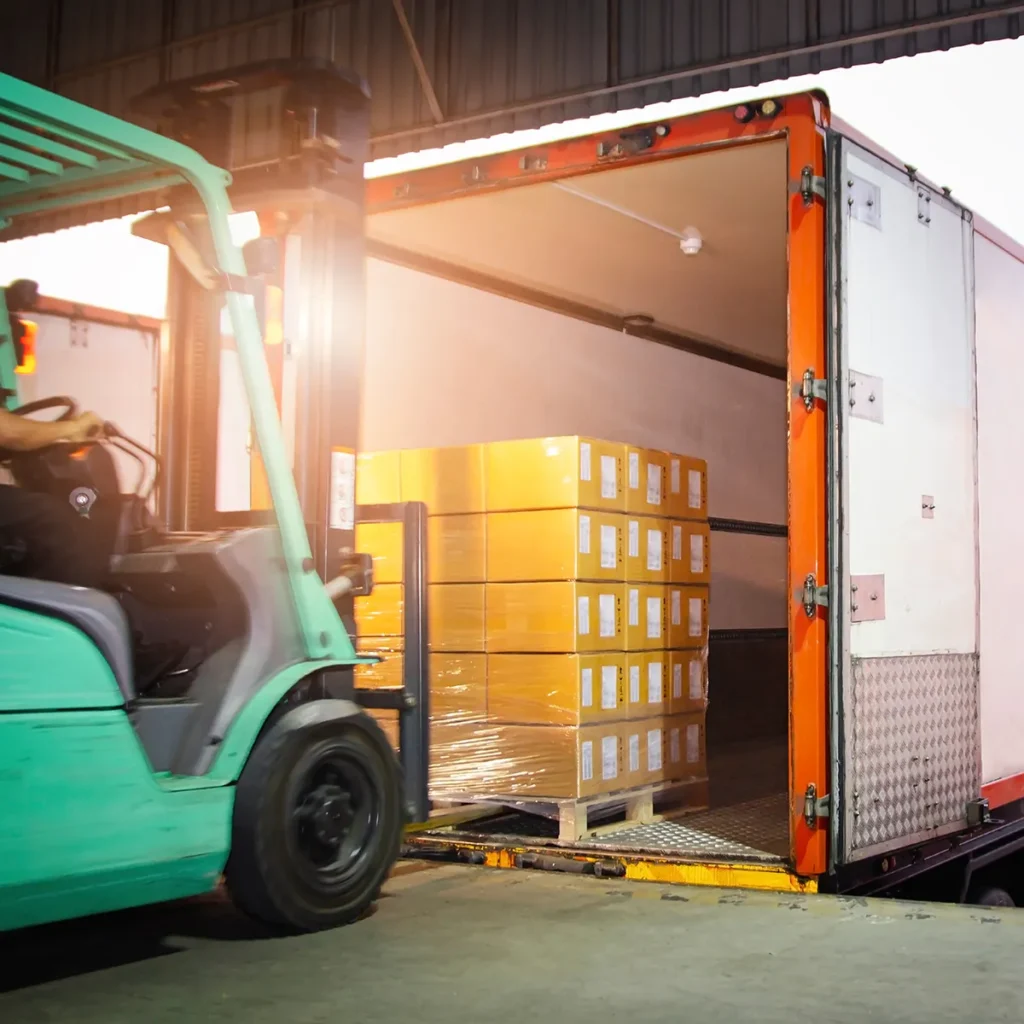
- Use lifting aids (dollies, ramps, tail-lifts)
- Assign trained delivery personnel
- Perform careful handover and inspection
Clear communication with the receiving party reduces delays and handling errors.
Best Practices for Bulky Item Delivery Safety
Operational Best Practices
- Use trained handling teams
- Apply standardized loading checklists
- Maintain equipment regularly
- Document condition before and after delivery
Compliance and Accountability
- Maintain delivery records and photos
- Use proof-of-delivery documentation
- Log incident reports when required
These practices ensure traceability, reduce disputes, and improve customer confidence.
Bulky Item Delivery vs Standard Express Logistics
While bulky deliveries require specialized handling, many businesses combine them with express logistics strategies for time-sensitive shipments. To understand the difference and how speed-oriented logistics operate, read our detailed guide on how express logistics works.
Common Mistakes to Avoid When Delivering Bulky Items
- Underestimating item weight or size
- Using inadequate packaging
- Skipping route and access checks
- Relying on untrained manpower
- Failing to secure loads properly
Each of these mistakes can result in damage claims, delivery delays, or safety incidents.
Case Insight: Reducing Damage Rates in Bulky Deliveries
Logistics providers that implement standardized loading protocols and trained handling teams report up to 40% fewer damage claims compared to ad-hoc bulky delivery methods. This improvement is largely driven by consistent procedures such as weight distribution planning, proper use of load restraints, and pre-delivery condition checks.
In practice, structured planning ensures that bulky items are secured correctly, handled by trained personnel, and delivered using suitable vehicles, reducing movement, impact, and handling errors. Clear workflows and accountability also help identify risks early, resulting in faster issue resolution and more reliable delivery outcomes for high-value or oversized goods.
Why Professional Logistics Expertise Matters
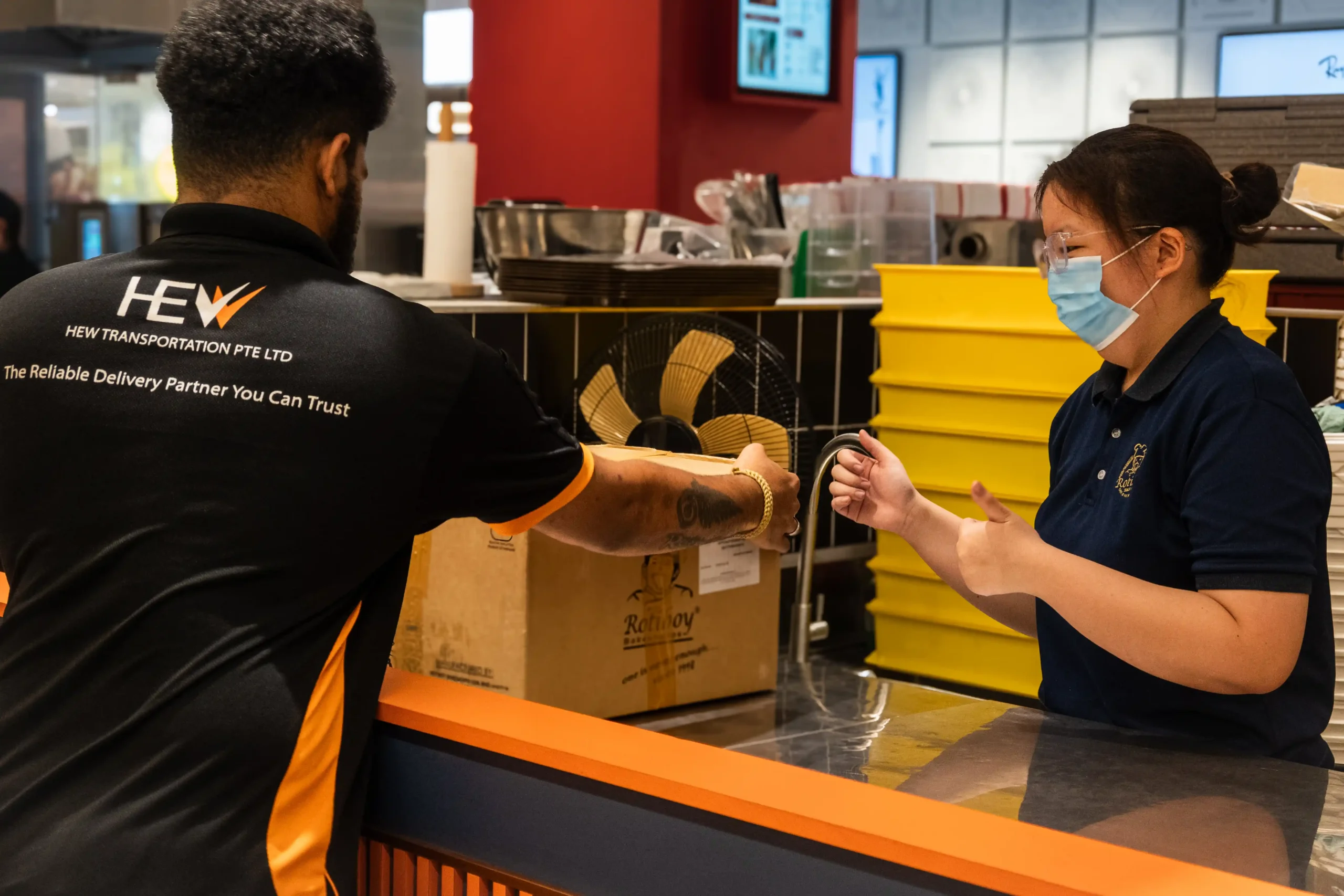
HEW Transportation specialize in handling complex delivery requirements, including bulky and oversized items that demand more than standard courier services. Our expertise spans route planning, vehicle selection, secure loading methods, and last-mile coordination, ensuring each delivery is executed safely and efficiently.
Professional logistics providers also operate with standardized procedures, trained handling teams, and risk-mitigation protocols that significantly reduce damage rates and delivery disruptions. By managing compliance, documentation, and on-site handling challenges, they help businesses maintain service quality, control operational costs, and protect brand reputation, especially when delivering high-value or sensitive bulky goods.
Conclusion: Delivering Bulky Items Safely and Efficiently
Safely delivering bulky items requires planning, proper equipment, trained personnel, and reliable logistics systems. From packaging and vehicle selection to last-mile handling and documentation, every step plays a role in preventing damage and ensuring successful delivery. Businesses that rely on bulky item transport benefit from working with experienced logistics partners that understand both operational safety and delivery efficiency, supported by professional Van & Lorry Delivery Service solutions. By applying the strategies outlined in this guide, organizations can improve delivery outcomes, reduce costs, and ensure large items reach their destination securely and professionally.
FAQs (Frequently Asked Questions)
What is the safest way to transport bulky furniture?
Use padded packaging, load restraints, an enclosed vehicle, and trained handlers to minimize movement and impact.
Do bulky items require special vehicles?
Yes. Bulky or heavy items often need box vans, lorries, or tail-lift trucks for safe loading and unloading.
Is insurance necessary for bulky item delivery?
Insurance is strongly recommended, especially for high-value or fragile bulky goods, to protect against damage or loss.
What causes most bulky delivery damage?
Improper loading, insufficient securing, and rushed last-mile handling are the most common causes.
Can bulky items be delivered on the same day?
Yes, but only with proper planning, suitable vehicles, and experienced logistics providers.