How to choose the right lorry for delivery is not about picking the biggest vehicle or the cheapest quote. It is about matching what you are moving with where it is going, how it will be handled, and what can realistically happen on the ground.
In theory, delivery is simple. Load the goods, drive, unload. In real operations, we all know it does not work that way. A lorry that is slightly too big cannot enter the site. A lorry that is slightly too small causes overloading, delays, or damage. And once the truck is already on the road, fixing the mistake is expensive.
We work with businesses that deliver goods every single day, and we see this mistake often. The delivery problem does not start on the road. It starts at vehicle selection. That is why learning how to choose the right lorry for delivery properly makes everything else easier.
What Does “Choosing the Right Lorry for Delivery” Really Mean?
Choosing the right lorry for delivery means aligning four basic things:
- The cargo itself.
- The delivery location.
- The handling method.
- The delivery schedule.
In logistics planning, vehicle selection is often highlighted as a key factor in delivery success. According to industry guidance from the Chartered Institute of Logistics and Transport, mismatched vehicle choice is one of the most common contributors to failed or inefficient deliveries.
In short, the “right” lorry is the one that finishes the job without drama.
Why This Decision Matters More Than Most Teams Expect
Many businesses focus heavily on transport rates. That is normal. But in our experience, the cost difference between the “wrong” lorry and the “right” one is usually small on paper and huge in real impact.
When the wrong lorry is chosen, we see:
- Missed delivery windows.
- Redelivery charges.
- Unsafe unloading.
- Site access rejection.
- Strained relationships with customers.
Most of these problems are completely avoidable. That is why understanding how to choose the right lorry for delivery is not just a logistics concern. It is an operations decision.
Common Lorry Types Used in Commercial Deliveries
Before deciding how to choose the right lorry for delivery, we need to talk about what is actually available on the road.
Small Lorries (10–14 ft)
These are often used for:
- Light commercial goods.
- Office supplies.
- Small retail restocking.
They work well in dense urban areas, but they have limits. Payload and internal height are often underestimated.
Medium Lorries (15–20 ft)
This is the workhorse for many businesses.
Used for:
- Palletised cargo.
- Furniture and appliances.
- B2B distribution.
They offer a good balance between capacity and accessibility, but only if loading is planned properly.
Lorries with Tail Lift
A tail lift changes everything when there is no forklift or dock.
Best for:
- Heavy items.
- Locations without loading bays.
- Controlled unloading.
This is often the difference between a smooth delivery and a dangerous one.
Specialised Lorries
These include:
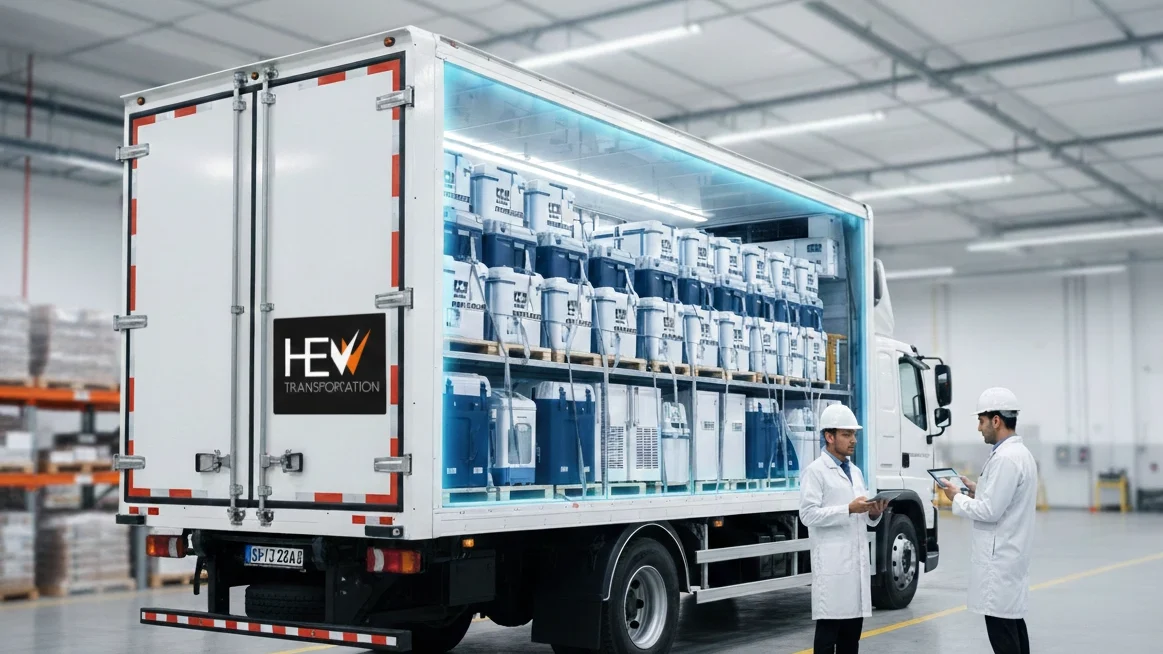
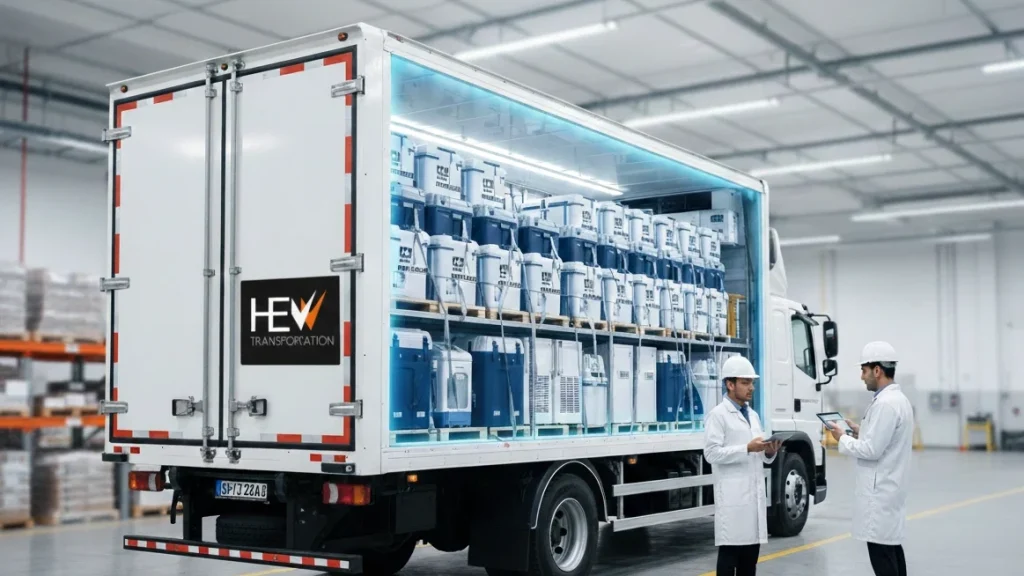
- Cold chain vehicles.
- Crane trucks.
- Long or open-bed lorries.
These are not “nice to have”. They are necessary when the cargo demands it.
Step-by-Step: How to Choose the Right Lorry for Delivery
This is the framework we actually use in daily operations. Nothing fancy, but it works.
Step 1: Understand the Cargo Beyond Weight
Weight alone is not enough. In real deliveries, weight is often the easiest number to get, but rarely the most important one. We always look at:
- Dimensions (length, width, height): A long or tall item may exceed internal lorry space even if it is not very heavy.
- Shape and balance: Awkward shapes or uneven weight distribution affect how the item is secured and transported.
- Fragile or sensitive areas: Some items can handle pressure, others cannot. This changes how they are placed inside the lorry.
- Whether items can be stacked.
Two items with the same weight may require completely different lorries. One fits neatly and travels safely. The other creates handling risks, wasted space, or damage if the vehicle is chosen incorrectly.
Step 2: Study the Delivery Location Carefully
This step causes most delivery failures when skipped.
Important details include:
- Road access and turning space.
- Height restrictions.
- Loading bay rules.
- Lift or stair access.
Many issues described in common challenges in heavy item deliveries come directly from missing this step.
Step 3: Decide How the Item Will Be Unloaded
Ask this early, not at the destination.
Options include:
- Manual handling.
- Trolley or pallet jack.
- Tail lift.
- Crane support.
Your unloading method often determines the lorry more than the cargo itself.
Step 4: Factor in Time and Manpower
Tight delivery windows change everything.
If time is limited, you may need:
- Faster unloading.
- More manpower.
- A vehicle that parks closer.
Sometimes a slightly larger lorry is chosen not for space, but to save time.
Common Mistakes Businesses Make When Choosing a Lorry
From our internal delivery records, the same mistakes appear again and again. Most of them do not come from lack of effort, but from assumptions made too quickly.
- Choosing the smallest lorry to save cost: This often leads to overloading, tight packing, or multiple trips. What looks cheaper at first usually costs more later.
- Ignoring site access details: Height limits, narrow entrances, or restricted loading zones are discovered only after the lorry arrives, when it is already too late to adjust.
- Assuming unloading is “manageable”: Many teams underestimate how hard or unsafe unloading can be without proper equipment or enough manpower.
- Treating all deliveries as similar: Every site, item, and schedule is slightly different. Using the same lorry setup for everything removes flexibility and increases risk.
These mistakes explain why so many businesses only rethink how to choose the right lorry for delivery after something has already gone wrong.
Cost vs Risk: A Simple Comparison
| Focus | Short-Term Result | Long-Term Impact |
|---|---|---|
| Cheapest option | Lower invoice | Higher failure risk |
| Right-sized lorry | Slightly higher cost | Stable operations |
| Proper equipment | Fewer incidents | Safer delivery |
In logistics, cost control usually comes from avoiding problems, not from cutting corners.
Real Operational Insight from the FieldLooking at our own delivery data across commercial clients:
- Over 55% of redelivery cases are linked to access or unloading mismatch.
- Around 30% of delays involve vehicle size issues.
- Distance is rarely the main cause.
This tells us something important. Most delivery problems are planning problems, not driving problems.
How HEW Transportation Approaches Lorry Selection
At HEW Transportation, lorry selection is never an afterthought. It is part of the planning conversation.
We look at:
- Cargo profile.
- Delivery environment.
- Industry-specific risks.
- Business priorities.
Our experience spans:
- Retail and FMCG.
- Heavy and bulky goods.
- Commercial relocations.
- Project-based deliveries.
Clients do not just ask us for a lorry. They ask us how to choose the right lorry for delivery before committing, because they want fewer surprises.
Conclusion: Choosing the Right Lorry Is About Reducing Uncertainty
Knowing how to choose the right lorry for delivery is not about memorising vehicle types. It is about understanding real conditions. When cargo, access, handling, and timing are aligned, deliveries stop feeling stressful.
At HEW Transportation, we help businesses make these decisions clearly before trucks move by guiding them on how to choose the right lorry for delivery based on real operating conditions. If your operations depend on predictable deliveries, the right place to start is proper planning, not last-minute vehicle selection. When you truly understand how to choose the right lorry for delivery, uncertainty drops, delays become rare, and costs stay under control. If you are unsure, choose predictability over short-term savings, because the right lorry almost always costs less than a failed delivery.
To learn more about how we support real-world delivery operations, visit Van & Lorry Delivery Services and explore our transport solutions built for businesses that cannot afford guesswork.
FAQs (Frequently Asked Questions)
What is the first thing we should check when choosing a lorry?
Start with cargo dimensions and unloading method, not distance.
Is a bigger lorry always safer?
No. Bigger lorries can create access and parking problems, especially in urban areas.
When is a tail lift necessary?
When there is no forklift, dock, or safe manual handling option.
Can one lorry type cover all deliveries?
In practice, no. Mixed operations need flexible vehicle planning.
How early should lorry planning be done?
At least a few days in advance, earlier for heavy or special cargo.