Understanding how lorry delivery works in Singapore is essential for businesses that move bulky, heavy, or high-volume goods across the city. Unlike courier or van delivery, lorry transport operates within stricter regulations, heavier load requirements, and more complex planning considerations.
At its core, lorry delivery in Singapore refers to the use of commercial trucks, such as 10ft, 14ft, 24ft lorries or tailgate vehicles, to transport goods that exceed van capacity. These deliveries support construction, manufacturing, retail distribution, events, healthcare logistics, and industrial supply chains.
In Singapore’s dense, regulated urban environment, lorry delivery is not just about moving items from Point A to Point B. It involves compliance, route planning, load safety, timing discipline, and operational experience.
This guide explains how lorry delivery works in Singapore, step by step, so businesses understand what happens behind the scenes, and how to make better delivery decisions.
How Lorry Delivery Works in Singapore: The End-to-End Process
While each delivery differs, most lorry deliveries in Singapore follow a structured operational flow designed to minimise risk and delays.
Step 1: Job Assessment and Load Evaluation
Before a lorry is even assigned, professional operators assess:
- Cargo weight and dimensions.
- Handling risks (fragile, awkward, heavy, palletised).
- Pickup and delivery locations.
- Access constraints (loading bays, height limits, time windows).
- Urgency and delivery timeline.
This assessment determines how lorry delivery works in Singapore efficiently, because choosing the wrong lorry or manpower setup leads to delays and safety issues.
Step 2: Lorry Type Selection
Not all lorries are the same. Choosing the correct vehicle is a foundational step.
| Lorry Type | Typical Use Case |
|---|---|
| 10ft Lorry | Light industrial goods, small pallets |
| 14ft Lorry | Retail distribution, equipment |
| 24ft Lorry | Bulk cargo, long materials |
| Tailgate Lorry | Heavy items without forklifts |
| Crane Lorry | Machinery, oversized loads |
Matching the lorry to the cargo ensures load stability, legal compliance, and smoother delivery execution.
Step 3: Route and Timing Planning
Singapore’s road network is efficient but regulated.
Professional lorry delivery planning considers:
- Peak-hour congestion.
- ERP gantries and cost impact.
- Height and weight restrictions.
- Delivery site booking slots.
- Industrial zone access rules.
In practice, how lorry delivery works in Singapore depends heavily on timing. A short-distance job can fail if delivery slots are missed or access rules are ignored.
Regulatory Framework Governing Lorry Delivery in Singapore
Lorry delivery is subject to stricter rules than standard courier transport.
Key Regulations Businesses Must Know
- LTA vehicle classifications and load limits.
- Driver licensing and working hour rules.
- URA and building management access regulations.
- Workplace Safety and Health (WSH) requirements.
Non-compliance can result in fines, delivery rejection, or liability exposure.
Professional operators build these rules into daily SOPs, ensuring compliance is part of how lorry delivery works in Singapore, not an afterthought.
Loading and Securing: Where Most Problems Begin
Improper loading also raises workplace safety concerns, which are covered under Singapore’s Workplace Safety and Health (WSH) guidelines for transport and logistics operations.
Best Practices for Safe Loading
- Distribute weight evenly across the lorry floor.
- Secure cargo using straps, bars, or pallets.
- Separate heavy and fragile items.
- Load in reverse delivery order.
Poor loading causes cargo shift, damage, and driver safety risks. Many delivery failures happen not on the road, but at the loading bay.
For time-sensitive or heavy cargo, proper preparation is essential. This is where guidance on how to prepare heavy items for express delivery becomes highly relevant, even for lorry-based jobs that require speed without compromising safety.
Manpower and Equipment: The Human Side of Lorry Delivery
A lorry alone does not complete a delivery.
Depending on cargo, lorry delivery in Singapore may require:
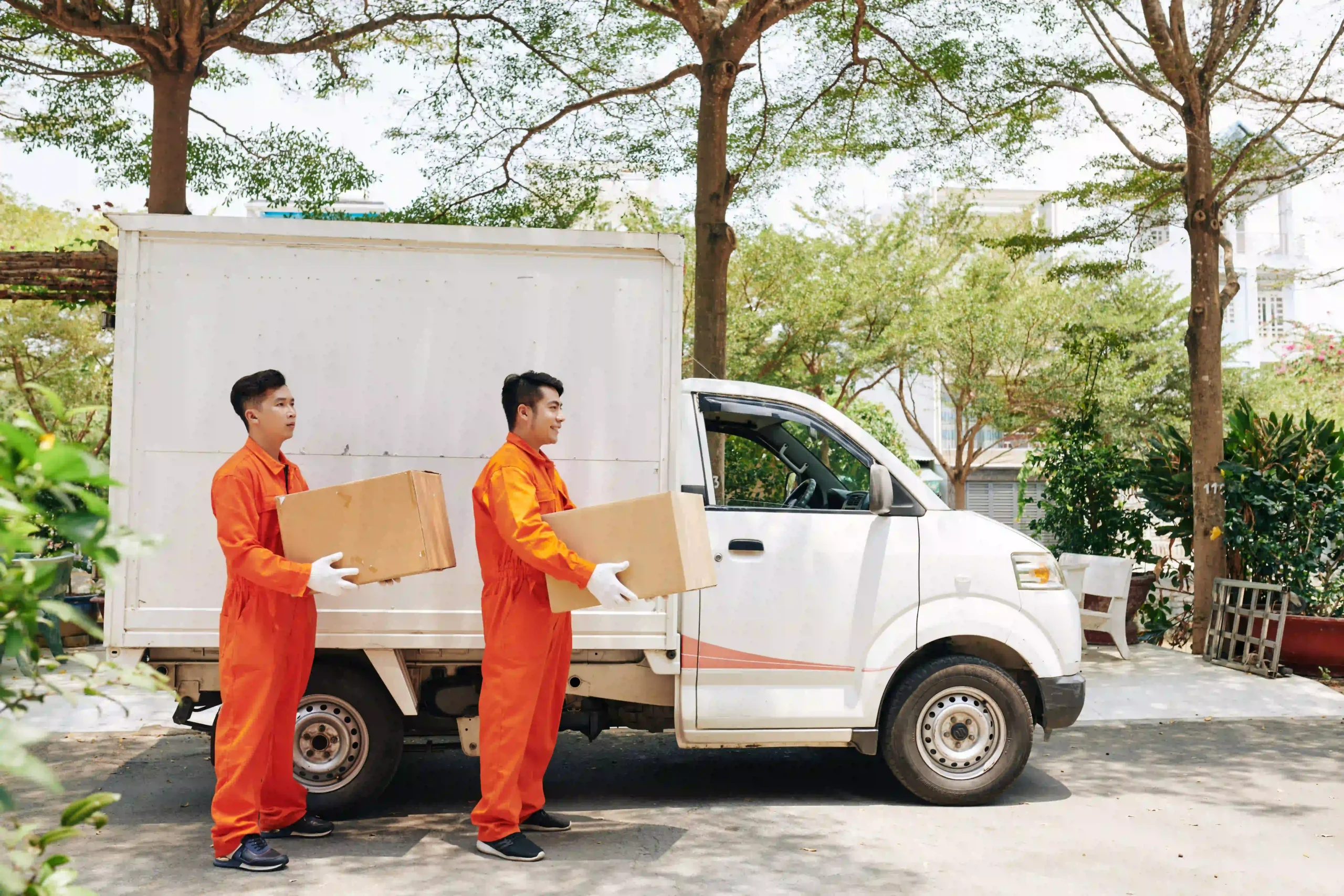
- Trained movers or handlers.
- Pallet jacks or trolleys.
- Forklifts or tailgate operation.
- Site coordination with receivers.
Experienced operators understand that how lorry delivery works in Singapore is as much about people and coordination as it is about vehicles.
Common Use Cases for Lorry Delivery in Singapore
Lorry delivery supports a wide range of industries.
Industries That Rely on Lorry Transport
- Construction: materials, fixtures, site supplies.
- Manufacturing: components, machinery, raw materials.
- Retail & Wholesale: bulk inventory movement.
- Healthcare: equipment, supplies (non-cold chain).
- Events & Exhibitions: staging, booths, equipment.
In many of these sectors, lorry delivery is a daily operational backbone not a one-off service.
Cost Structure: What Businesses Are Really Paying For
Understanding cost helps clarify how lorry delivery works in Singapore commercially.
Typical Cost Factors
- Lorry size and type.
- Distance and duration.
- Manpower requirements.
- Equipment usage (tailgate, crane).
- Waiting time and site delays.
Cheapest is rarely best. Reliable lorry delivery focuses on total cost control, not just headline pricing.
Case Insight: Small Planning Changes, Big Results
In an internal operational review across multiple lorry routes:
- Pre-site assessment reduced delivery overruns by 22%.
- Proper lorry matching reduced repeat trips by 18%.
- Clear loading SOPs reduced cargo damage incidents by 30%.
No additional vehicles were added. Efficiency came from understanding how lorry delivery works in Singapore at a systems level.
How HEW Transportation Handles Lorry Delivery in Singapore
At HEW Transportation, lorry delivery is treated as an operational discipline, not a commodity service.
Our approach includes:
- Pre-delivery cargo and site assessment.
- Matching lorry type to job requirements.
- SOP-driven loading and handling.
- Drivers experienced with Singapore’s industrial zones.
- Clear documentation and accountability.
We design lorry delivery workflows that work in real conditions, not ideal ones.
Conclusion: Why Understanding Lorry Delivery Matters
Understanding how lorry delivery works in Singapore allows businesses to move goods with fewer delays, lower risk, and better cost control. Visit Van & Lorry Delivery Service is not just transport, it is coordination, compliance, and execution under real-world constraints.
At HEW Transportation, we help businesses move heavy and bulk cargo through structured lorry delivery solutions built for Singapore’s operating environment. If your operations depend on reliable lorry transport, working with a partner who understands the full delivery process makes all the difference.
FAQs (Frequently Asked Questions)
How is lorry delivery different from van delivery in Singapore?
Lorry delivery handles heavier, larger, or bulk cargo and operates under stricter load and access regulations compared to vans.
Do lorry deliveries operate during peak hours?
Yes, but timing must consider congestion, ERP costs, and site access rules. Planning is critical.
Is manpower included in lorry delivery?
Not always. Some jobs require additional movers or equipment, depending on cargo and site conditions.
What causes most lorry delivery delays?
Poor site access planning, loading delays, and waiting time at delivery locations are the most common causes.
How can businesses reduce lorry delivery risks?
By understanding how lorry delivery works in Singapore, choosing experienced operators, and planning before execution.