How F&B businesses reduce spoilage is one of the most critical questions facing restaurants, food manufacturers, caterers, and distributors today. Spoilage not only increases operational costs, but also threatens food safety compliance, customer trust, and brand reputation. In fast-paced and highly regulated markets like Singapore, protecting food quality requires more than good intentions, it demands structured systems, disciplined logistics, and reliable delivery execution.
This article breaks down seven proven, real-world strategies that explain how F&B businesses reduce spoilage while maintaining consistent food quality throughout daily operations
Understanding How F&B Businesses Reduce Spoilage
Before diving into solutions, it’s important to understand how F&B businesses reduce spoilage at a fundamental level. Spoilage rarely happens because of one major failure. Instead, it is usually the result of multiple small issues, temperature fluctuation, delayed delivery, improper handling, or lack of visibility during transit.
Successful F&B operators approach spoilage reduction as a process-driven system, not a one-time fix. Every stage, from preparation and storage to delivery and handover, plays a role in protecting product quality.
Pro Tip: Businesses that map spoilage risks across their entire supply chain often reduce losses faster than those focusing on storage alone.
1. Maintaining Strict Temperature Control at All Times
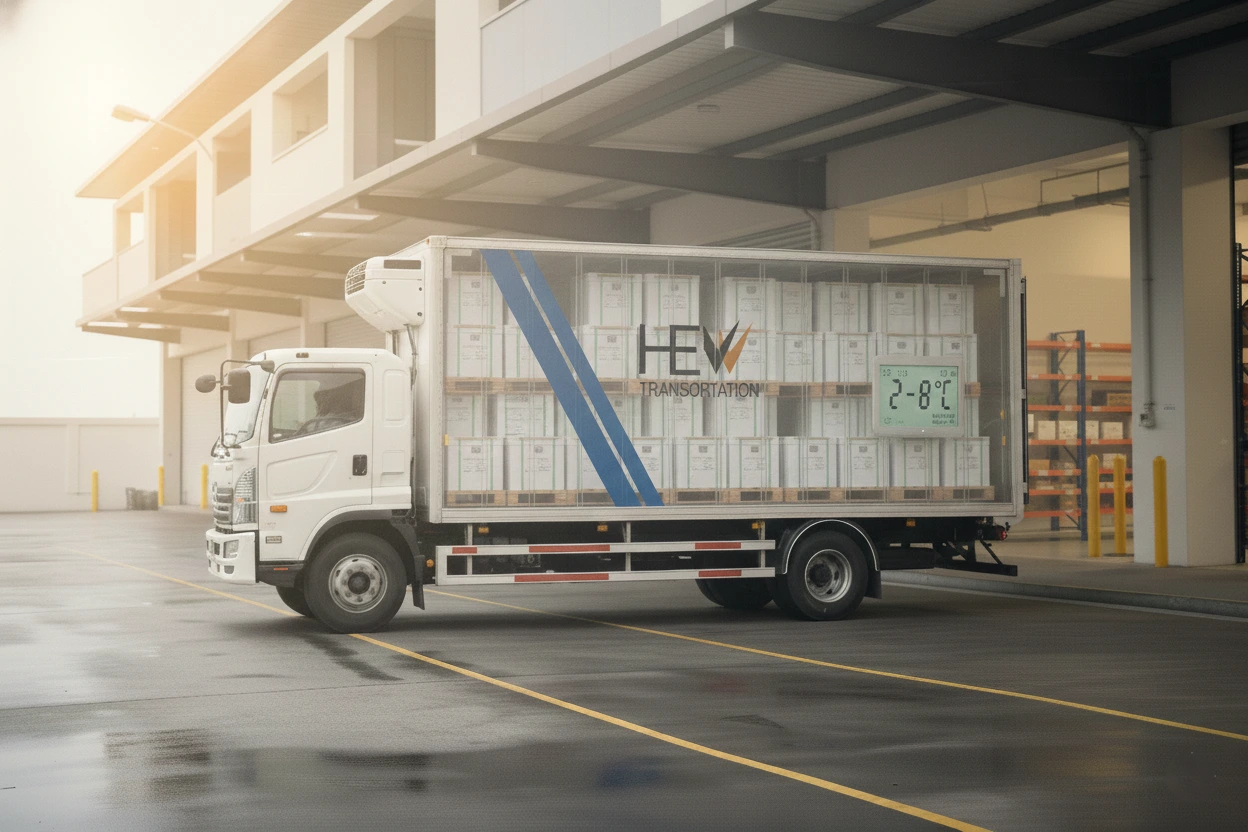
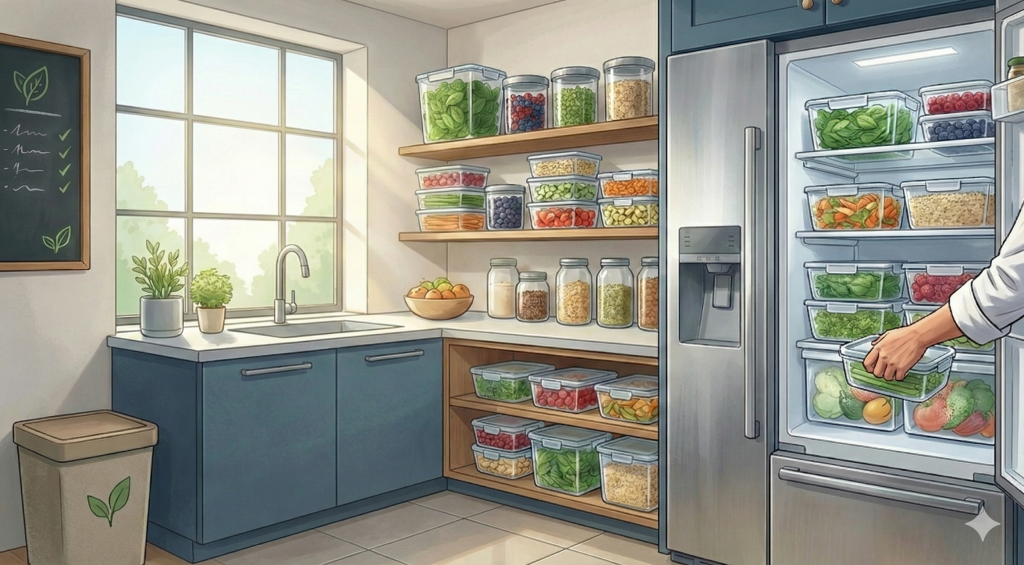
One of the most effective ways how F&B businesses reduce spoilage is by maintaining consistent temperature control throughout the supply chain. Temperature abuse accelerates bacterial growth and shortens shelf life, especially for chilled and frozen products.
| Food Category | Safe Temperature Range |
|---|---|
| Chilled food | 0°C – 4°C |
| Frozen food | -18°C or below |
| Hot food | Above 60°C |
In Singapore’s hot and humid climate, even brief exposure outside these ranges can lead to rapid quality deterioration.
Pro Tip: Short door openings during delivery stops are often overlooked but can cause repeated micro temperature spikes.
2. Implementing Compliant and Structured Delivery Systems
A key reason how F&B businesses reduce spoilage effectively is the use of structured delivery frameworks that focus on risk prevention rather than damage control. Many businesses adopt HACCP compliant delivery singapore to identify critical control points during transportation and apply corrective actions early.
This approach helps:
- Control temperature during transit
- Prevent cross-contamination
- Improve traceability and audit readiness
Pro Tip: Compliance frameworks are not just for audits, they are practical tools for daily spoilage prevention.
3. Optimizing Delivery Routes and Timing
Another proven method in how F&B businesses reduce spoilage is minimizing delivery time. The longer food spends in transit, the higher the risk of temperature deviation and handling errors.
Effective route planning focuses on:
- Reducing total travel distance
- Avoiding peak traffic hours
- Scheduling deliveries during cooler periods
Pro Tip: Early-morning or late-night deliveries often experience fewer temperature risks than midday routes.
4. Training Staff in Proper Handling and Hygiene
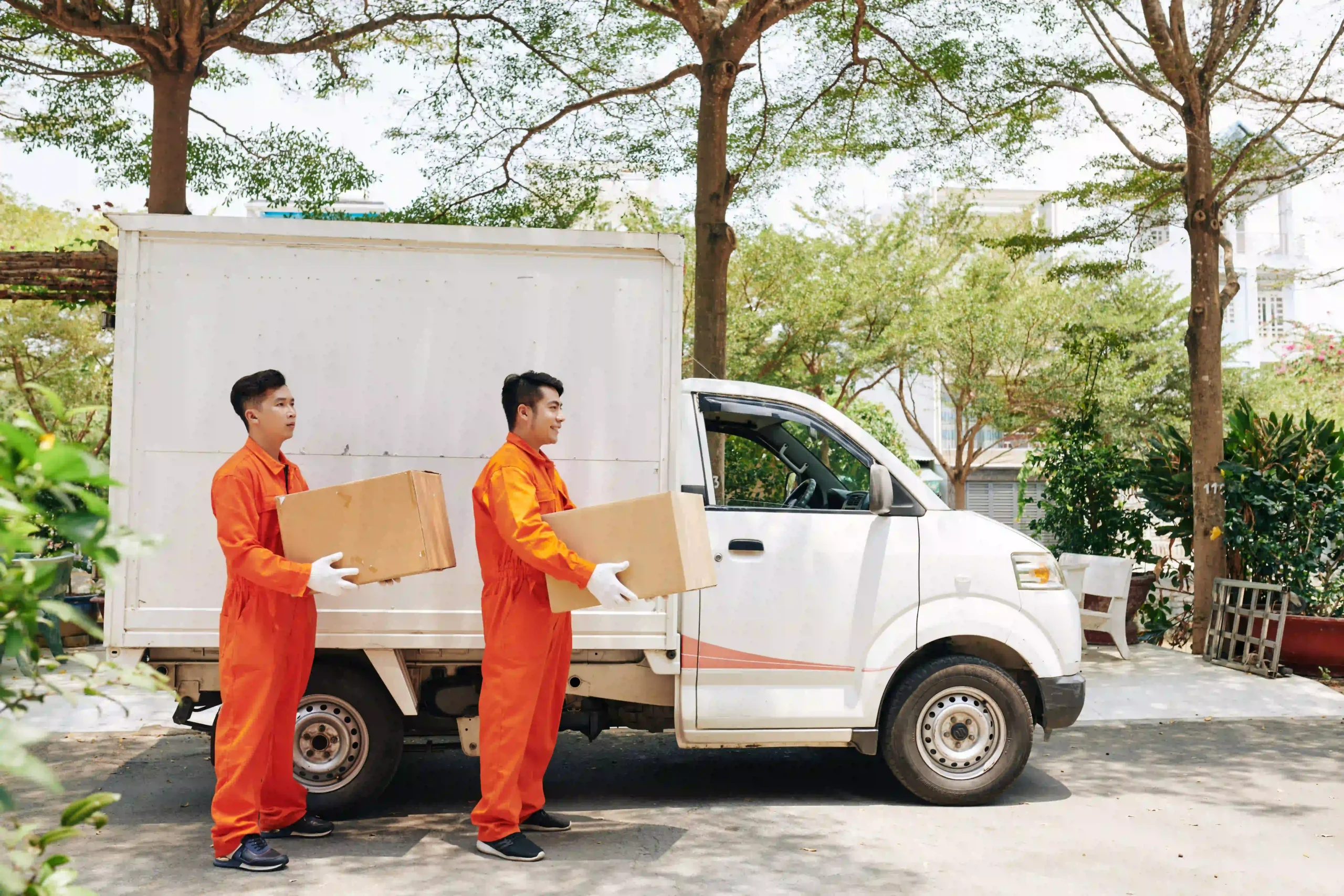
Human handling remains one of the biggest variables in spoilage risk. F&B businesses reduce spoilage by investing in proper staff training for loading, unloading, and delivery handling.
Training typically includes:
- Correct stacking and loading sequence
- Hygiene standards and personal cleanliness
- Avoiding cross-contamination
- Emergency response during delays
Pro Tip: Well-trained staff act as an extra layer of quality control when systems are under pressure.
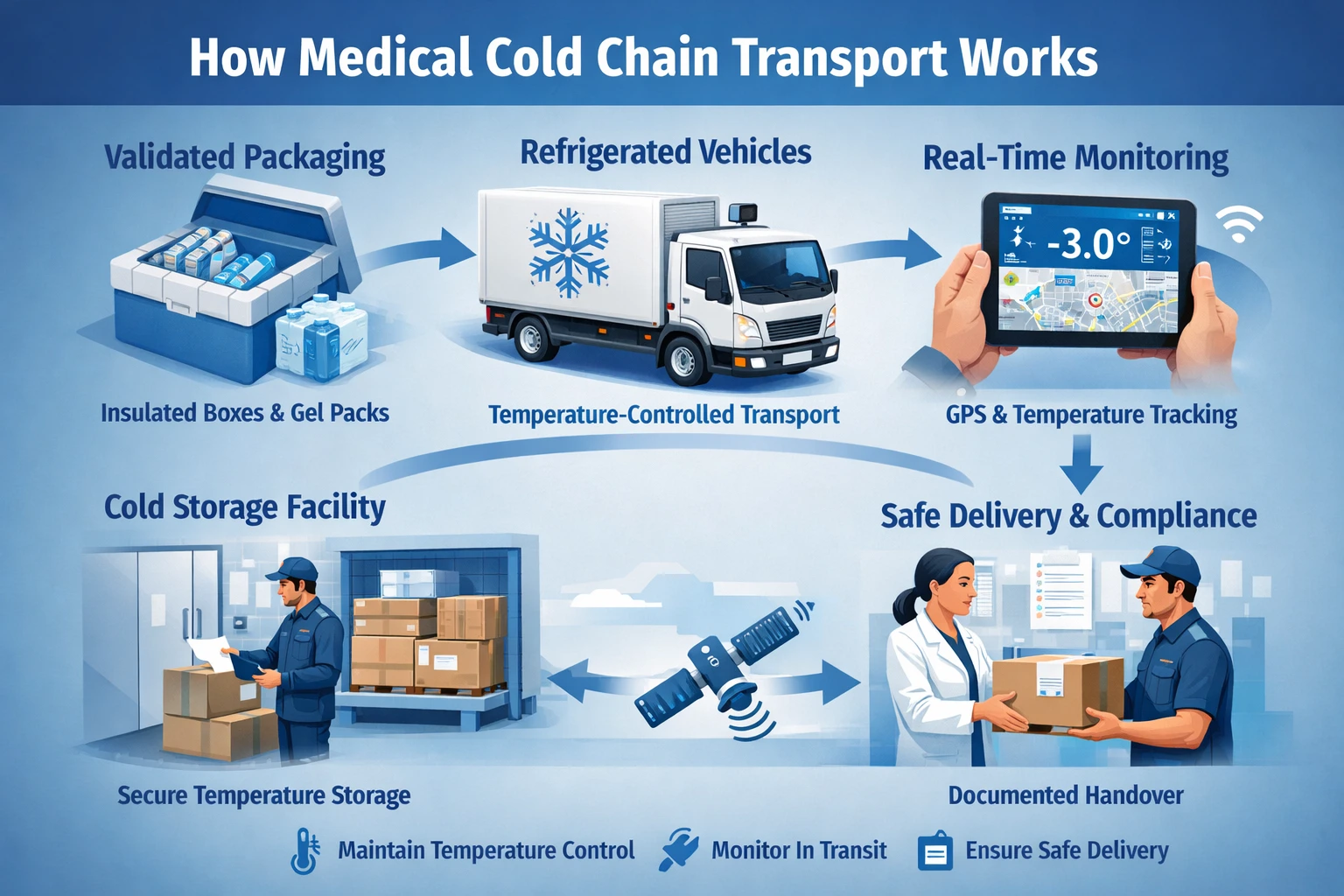
5. Using Technology for Monitoring and Visibility
Digital tools play an increasing role in explaining how F&B businesses reduce spoilage. Real-time monitoring systems provide visibility into temperature conditions and delivery performance.
Common tools include:
- IoT temperature sensors
- GPS-enabled delivery tracking
- Automated alerts for deviations
Pro Tip: Data-driven insights allow businesses to move from reactive fixes to preventive decision-making.
6. Partnering with Experienced Logistics Providers
Many F&B operators rely on professional logistics partners to strengthen their spoilage prevention strategy. Providers with experience in temperature-sensitive and regulated delivery bring structure, discipline, and consistency to daily operations.
To better understand how professional logistics systems support food quality protection, visiting HEW Transportation offers insight into delivery frameworks built specifically for F&B and cold-chain requirements.
Pro Tip: A reliable logistics partner should explain how spoilage is prevented, not just promise fast delivery.
7. Reviewing Performance and Improving Continuously
The final step in how F&B businesses reduce spoilage is continuous improvement. Successful operators regularly review spoilage data, delivery performance, and incident reports to identify patterns and gaps.
Key review metrics include:
- Temperature deviation frequency
- Delivery time consistency
- Spoilage-related complaints
- Corrective action effectiveness
Pro Tip: Small, consistent improvements often deliver better long-term results than major process overhauls.
Case Insight: Reducing Spoilage in Real Operations
A mid-sized catering business in Singapore struggled with recurring spoilage during large event deliveries. By tightening delivery schedules, switching to temperature-monitored vehicles, and enforcing standardized handling procedures, the company achieved:
- A 28% reduction in spoilage losses
- Improved audit outcomes
- Higher customer satisfaction
This example shows how F&B businesses reduce spoilage by addressing multiple risk points simultaneously.
External Perspective on Food Spoilage Reduction
Globally, organizations such as the Food and Agriculture Organization (FAO) emphasize that a significant portion of food loss occurs during transportation and distribution. These insights reinforce why logistics control is central to how F&B businesses reduce spoilage worldwide.
How Delivery Services Support Spoilage Prevention
For F&B businesses without in-house fleets, selecting the right delivery service is critical. Service capability, vehicle standards, and compliance alignment directly affect spoilage risk.
Businesses evaluating delivery options can explore HEW Transportation’s delivery services to see how professional delivery solutions support food quality protection and spoilage reduction.
Pro Tip: Delivery services that prioritize compliance tend to deliver more consistent results than speed-focused providers.
Conclusion: A Practical Path to Reducing Spoilage
Understanding how F&B businesses reduce spoilage requires a holistic approach that combines temperature control, trained staff, structured delivery systems, and reliable logistics partnerships. Spoilage prevention is not achieved through a single solution, but through consistent execution across daily operations.
Simple habits, such as reviewing temperature logs, refining delivery schedules, and working with experienced delivery providers, can significantly improve food quality protection over time. These practical steps help F&B businesses reduce losses, strengthen compliance, and build long-term customer trust.
For businesses seeking dependable, compliance-driven delivery solutions, partnering with a logistics provider experienced in food-grade transportation is a strategic step toward safer, more efficient operations.
FAQs (Frequently Asked Questions)
How do F&B businesses reduce spoilage during delivery?
By controlling temperature, optimizing routes, and following strict handling procedures.
Is spoilage more common during transport or storage?
Transport often poses higher risk due to time sensitivity and temperature fluctuation.
Can small F&B businesses reduce spoilage effectively?
Yes, scalable logistics and monitoring solutions are available for SMEs.
Does compliance really help reduce spoilage?
Yes, structured systems help identify and prevent risks early.
What is the fastest way to reduce spoilage losses?
Improving delivery timing and temperature visibility usually yields immediate impact.