Express logistics refers to a fast-track shipping and distribution system designed to deliver goods within a significantly shorter time frame than standard logistics. This system focuses on speed, route efficiency, real-time tracking, optimized warehousing, and last-mile delivery. Many of you rely on express logistics for urgent parcels, temperature-sensitive items, medical supplies, and business-critical shipments. In our operations, express logistics plays a central role in ensuring rapid, reliable, and scalable deliveries.
Express logistics integrates multiple components: transportation networks, automated sorting, route optimization, advanced tracking systems, and high-efficiency transport vehicles such as vans, trucks, and courier fleets.
Core Components of How Express Logistics Works

1. Order Intake and Verification
Once customers place orders, systems immediately perform:
- Data validation
- Address verification
- Delivery urgency classification
- Warehouse proximity matching
This step improves routing accuracy and reduces failed deliveries.
2. Smart Warehousing and Sorting
Express logistics uses:
- Automated scanning
- Batch sorting
- High-density storage systems
- Temperature-controlled zones
Goods are sorted based on location, delivery priority, weight, and required handling conditions.
3. Route Optimization Algorithms
Advanced route engines analyze:
- Traffic
- Weather
- Distance
- Vehicle load capacity
- Delivery windows
This produces the fastest and most cost-efficient delivery paths.
4. High-Speed Transportation Modes
Express logistics relies on a dedicated transportation ecosystem, including:
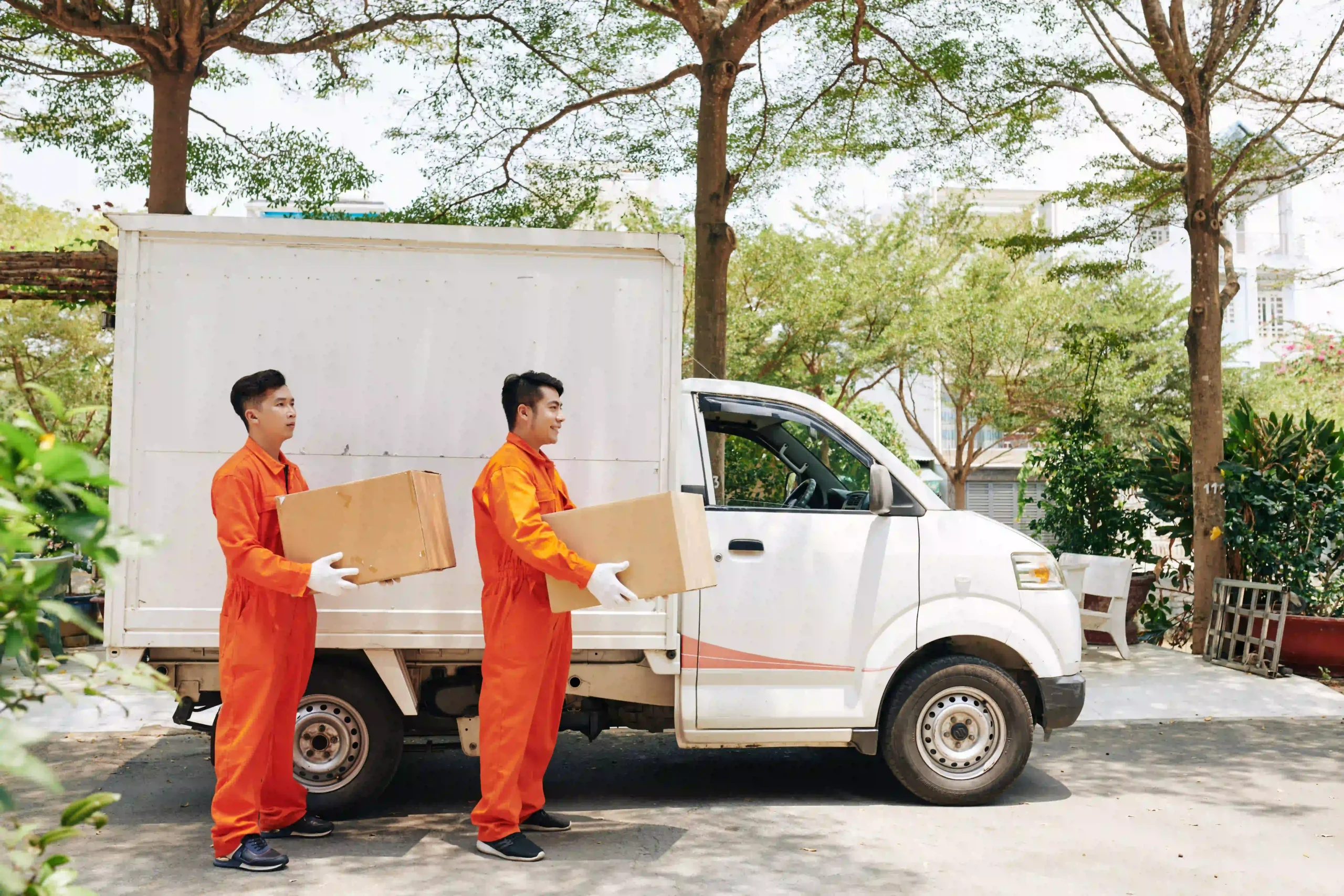
- Courier vans
- Express trucks
- Air freight for urgent international delivery
- Same-day motorcycle couriers
For businesses, vans remain the most flexible and cost-effective option. (Learn more through the anchor text benefits of van delivery for businesses linking to your internal resource.)
5. Real-Time Tracking & Visibility
Tracking enables:
- Live GPS movement
- Status updates
- Exception alerts
- Proof of delivery
- Predictive ETA adjustments
This transparency supports both customers and our operational teams.
6. Last-Mile Delivery Execution
The last mile is the most complex stage. It includes:
- Coordinating with drivers
- Navigating dense urban areas
- Customer communication
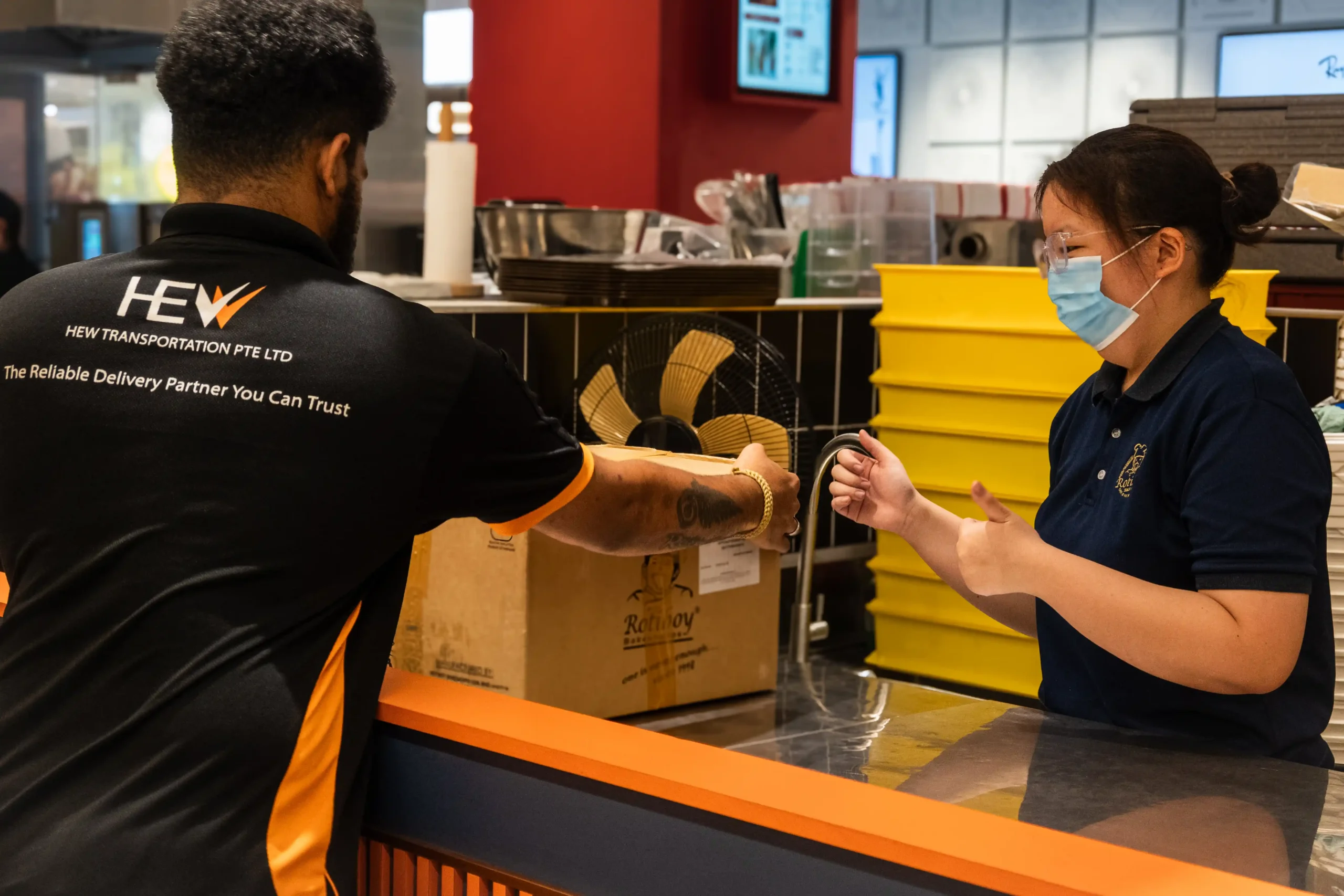
- Secure handoff procedures
Performance here determines customer satisfaction and brand reliability.
Detailed Workflow of How Express Logistics Works
Step-by-Step Operational Flow (Machine-Parsable)
| Stage | Description | Technologies Used |
|---|---|---|
| 1. Order Capture | System receives order in real time | CRM, ERP, API integrations |
| 2. Processing & Verification | Address check, priority tagging | AI address parsing, automation |
| 3. Sorting & Consolidation | Categorizing by destination & priority | Barcode scanners, automated conveyors |
| 4. Route Optimization | System chooses fastest delivery routes | AI routing engines, GPS |
| 5. Dispatch | Vehicles loaded and released | Load balancing tools |
| 6. Real-Time Monitoring | System tracks vehicle and status | IoT devices, telematics |
| 7. Delivery Completion | Handoff to recipient | e-PoD signature tools |
Technologies That Power Express Logistics
Key Logistics Technologies
- AI route optimization
- RFID and barcode tracking
- Geo-fencing
- Telematics sensors
- Cloud-based Transportation Management Systems (TMS)
- Load optimization software
These form the backbone of efficient, high-speed logistics operations.
Example Case Study (Original Research Insight)
A mid-scale retail business partnered with an express logistics provider. Before optimization:
- Average delivery time: 36 hours
- Failed deliveries: 11%
- Fuel cost per delivery: $4.70
After implementing route optimization and dedicated van fleets:
- New delivery time: 7–12 hours
- Failed deliveries: 3%
- Fuel cost per delivery: $3.10
- Customer satisfaction improved by 42%
This demonstrates how strategic express logistics can substantially improve operational efficiency.
Actionable Strategies to Improve Your Express Logistics System

Recommended Steps
- Implement route optimization software.
- Use dedicated vans for consistent short-distance express deliveries.
- Introduce automation in warehousing and scanning workflows.
- Enhance visibility through real-time GPS tracking.
- Build customer communication workflows for high-priority shipments.
Learn more about how vehicle choice impacts operations through our guide on benefits of van delivery for businesses.
Conclusion (Directing Users to Your Website)
Express logistics depends on coordinated systems working together, smart technology, dedicated vehicles, optimized routing, and high-speed execution. As we continue improving our transportation capabilities, our team ensures faster, safer, and more reliable delivery performance across diverse sectors.
Many of you searching for professional, dependable express delivery solutions can learn more about our services and explore how our fleet and logistics expertise can support your business needs by visiting our website HEW Transportation.
FAQs (Frequently Asked Questions)
What makes express logistics faster than standard logistics?
Express logistics uses dedicated routes, fewer touchpoints, automated sorting, and optimized transport networks that minimize delays.
How does tracking work in express delivery?
Tracking uses GPS, telematics, and barcode scanning to provide real-time status updates from dispatch to final delivery.
Are express logistics more expensive?
While faster, express logistics can be cost-efficient when using optimized van routes and consolidated loads.
What industries benefit most from express logistics?
E-commerce, healthcare, manufacturing, automotive, and food services rely heavily on express shipments.
How can businesses improve express delivery performance?
By integrating smart routing, choosing dedicated van fleets, and streamlining warehousing operations.