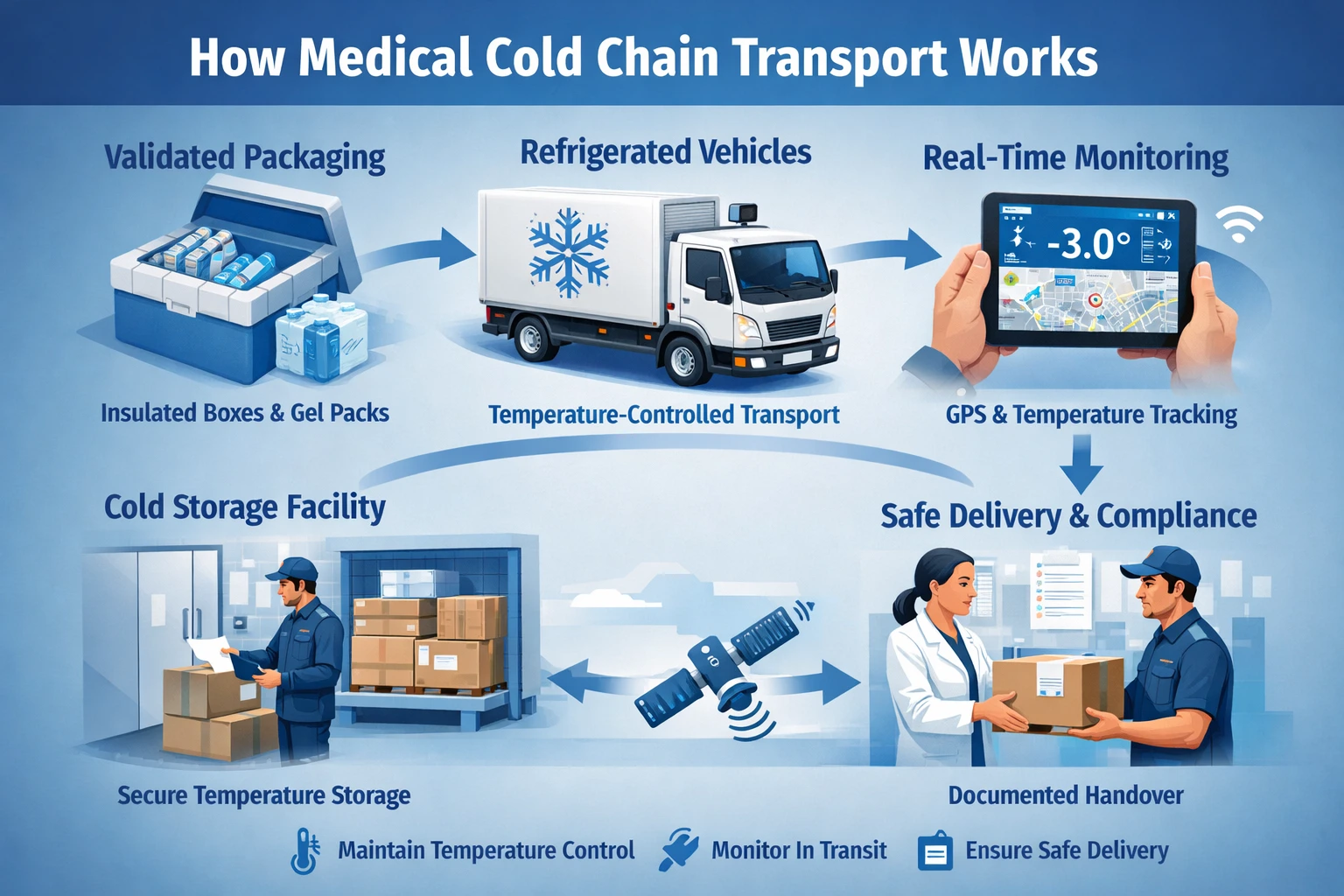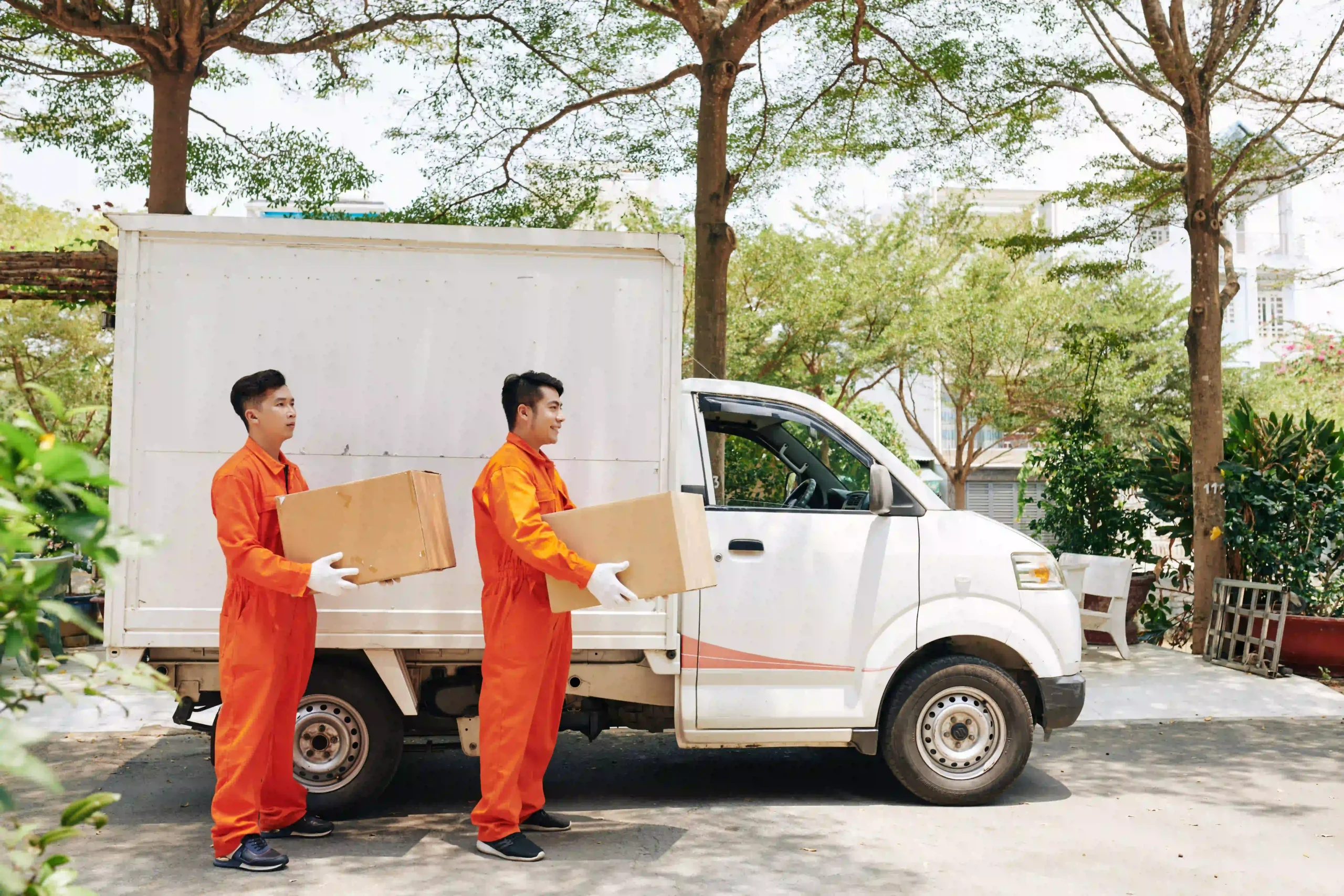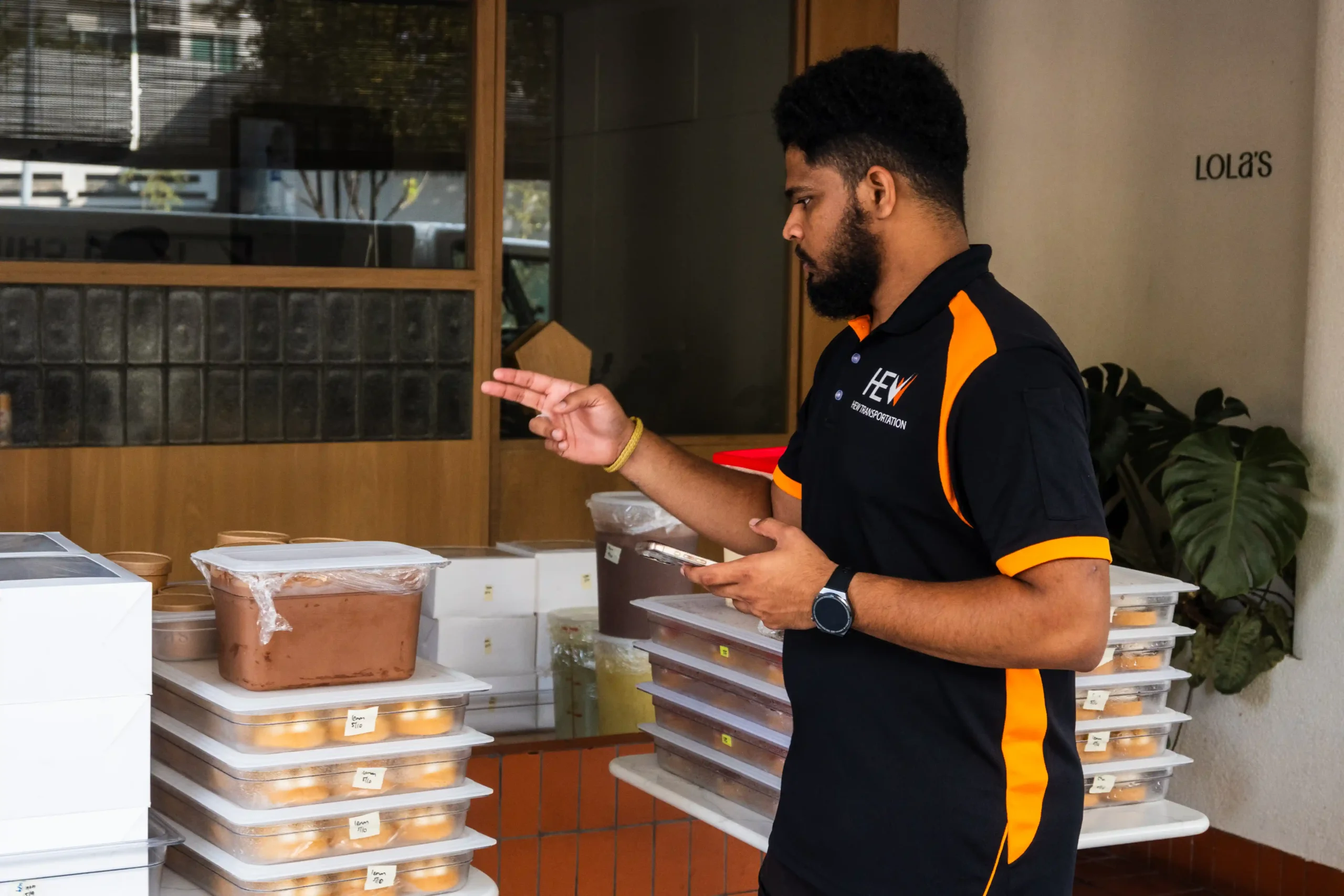
Guide to packaging perishable items refers to the process of preparing temperature-sensitive goods, such as fresh food, dairy, meat, seafood, flowers, and pharmaceuticals, so they remain safe, fresh, and stable during storage and transportation. This involves selecting the right packaging materials, insulation, cooling methods, and handling procedures to prevent spoilage, contamination, and temperature fluctuations.
Effective packaging is a core part of the cold-chain system. When combined with temperature-controlled transportation such as refrigerated trucks, proper packaging preserves product quality from supplier to end customer. To understand how controlled transportation supports this process, you can read our detailed guide on why refrigerated transport is important.
Why Proper Packaging for Perishable Items Matters
Correct packaging ensures full product protection and minimizes risks throughout the delivery process:
- Prevents spoilage and bacterial growth
- Maintains required temperature ranges
- Reduces moisture or odor contamination
- Prevents physical damage
- Meets food and pharmaceutical safety standards
- Extends product shelf life
- Improves customer satisfaction
Perishable goods are extremely sensitive to environmental changes. Even small temperature spikes can lead to rejected deliveries, contamination, and significant financial loss.
Types of Perishable Items and Their Packaging Requirements
| Category | Ideal Temperature | Recommended Packaging |
|---|---|---|
| Fresh Produce | 0–5°C | Ventilated crates, absorbent liners, gel packs |
| Fresh Meat & Seafood | 0–2°C | Insulated foam boxes, antimicrobial liners |
| Frozen Goods | –18°C | EPS coolers, dry ice, thermal wraps |
| Dairy | 2–4°C | Rigid containers, insulated blankets |
| Pharmaceuticals | 2–8°C | Cold-chain boxes, PCM packs |
| Flowers & Plants | 5–10°C | Ventilated cartons, hydration packs |
Key Principles of Packaging Perishable Items
1. Maintain Temperature Stability
Keeping perishable items within their ideal temperature range is the most critical part of cold-chain packaging. Beyond choosing the right cooling materials, businesses should calculate the duration of travel, outside temperature, and expected handling time to determine how many gel packs or dry ice blocks are needed. Proper temperature stability prevents bacterial growth and spoilage during transit.
2. Use High-Quality Insulation
Insulation acts as the main barrier against external heat. Choosing durable, multi-layered insulation helps maintain internal box temperature for longer periods, especially in hot climates or during long-distance deliveries. High-quality insulation also reduces the frequency of cooling replacements, lowering operational costs.
3. Control Moisture and Airflow
Moisture can damage packaging, reduce product quality, and accelerate spoilage. Adding absorbent pads and moisture-resistant liners helps keep the interior dry, while controlled ventilation prevents excess humidity buildup. Balanced airflow is especially important for produce, which continues to “breathe” after harvest.
4. Use Food-Grade and Safe Materials
Using certified, food-safe materials protects consumers and ensures compliance with national and international regulations. Food-grade packaging prevents chemical leaching, cross-contamination, and unwanted odors, especially when products are stored for extended periods.
5. Ensure Secure Structure and Sealing
Strong packaging prevents physical damage from handling, stacking, or vibrations during transport. Tamper-evident seals and reinforced edges provide added security and help maintain insulation integrity. Proper sealing also ensures cold air stays inside the container, preserving product temperature until delivery.
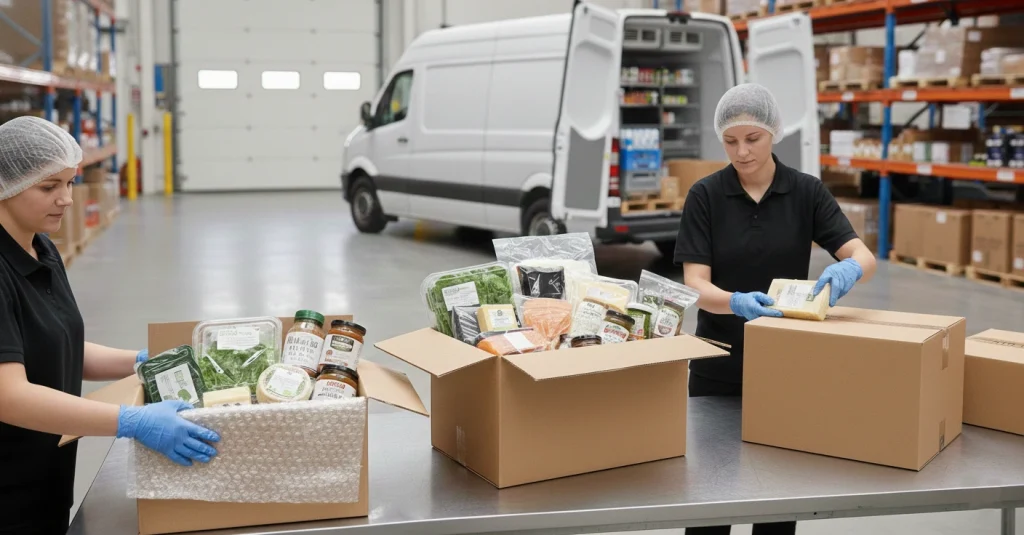
Step-by-Step Guide to Packaging Perishable Items
1. Pre-Chill All Components
Pre-cooling ensures the internal environment stays cold from the moment the product is packed. This prevents early temperature spikes that can reduce product freshness.
2. Select the Correct Container
Choosing the right box or insulated cooler helps maintain temperature for the entire delivery window. Thicker insulation is needed for long-distance shipments or highly sensitive items.
3. Add Cooling Elements
Cooling packs should be placed in balanced positions, top, bottom, and sides, to create consistent cold air circulation inside the package.
4. Add Absorbent and Moisture-Control Layers
These layers prevent excess condensation and keep products dry, especially important for seafood, produce, and chilled meats.
5. Seal the Package Securely
Proper sealing prevents cold air from escaping and protects the package from external contamination or rough handling.
6. Label Clearly and Accurately
Include labels such as:
- “Perishable Goods”
- “Keep Refrigerated/Frozen”
- “Temperature Requirement: 2–4°C”
7. Use Certified Cold-Chain Transport
Partnering with certified cold-chain logistics ensures your packaged perishables travel in a controlled environment from pickup to delivery for maximum product quality and safety.
Common Mistakes to Avoid
- Using frozen water bottles instead of gel packs
- Allowing dry ice to touch food directly
- Packing warm products into insulated boxes
- Using weak insulation for long-distance delivery
- Overpacking or underpacking
- Using non-food-grade plastic
- Not sealing boxes tightly enough
Real Case Study
A mid-size restaurant group in Singapore reduced product spoilage by 40% after switching to insulated foam packaging and validated cold-chain containers. Their results included:
- Stable temperatures between 0–4°C
- More consistent product quality
- Lower rejection rate
- Higher customer satisfaction
This shows that proper packaging combined with reliable cold-chain transport directly improves business performance.
Conclusion
Properly packaging perishable items is essential for keeping products fresh, safe, and high quality throughout transportation. By choosing the right materials, controlling temperature, and following proven cold-chain procedures, businesses can reduce losses, improve efficiency, and deliver consistently better products to their customers.
To strengthen your cold-chain process, from packaging to temperature-controlled delivery, visit our website and explore our professional cold-chain logistics services that ensure safe, efficient, and compliant transportation for all perishable products. For further insight into reliable cold-chain operations, you can also explore our service solutions designed to support restaurants, retailers, and pharmaceutical businesses.
FAQs (Frequently Asked Questions)
What is the best packaging for frozen food?
An EPS foam cooler with dry ice or gel packs, combined with an airtight container.
Can fresh produce be shipped without cooling?
Only for very short distances. Longer transit requires cooling to prevent spoilage.
How long do gel packs last?
Typically 12–36 hours depending on insulation and temperature conditions.
Is dry ice safe for all products?
No. It must not touch food directly and is unsuitable for some pharmaceutical items.
Do I need temperature monitoring?
Yes, especially for seafood, dairy, and pharmaceuticals.