Heavy item delivery sounds simple on paper. Move a big object from point A to point B. But in real life, it is rarely that clean. Common challenges in heavy item deliveries usually show up when weight, size, access, people, and timing collide in the same job.
We work closely with businesses handling bulky goods every day, and we see the same patterns repeating when it comes to common challenges in heavy item deliveries. Delays, damage, last-minute panic, and costs that suddenly balloon tend to show up again and again. In this article, we break down what actually causes these issues, why they keep happening in real operations, and how companies can realistically manage heavy item deliveries better without constant firefighting.
This guide is written for operations teams, warehouse managers, retailers, and logistics planners who deal with oversized or heavy shipments and want fewer surprises.
What Are Heavy Item Deliveries?
Heavy item deliveries refer to the transportation of goods that exceed standard parcel limits in weight, size, or handling complexity, which is where many common challenges in heavy item deliveries begin. These items usually cannot be lifted by one person and often require special vehicles, proper equipment, or trained manpower to move them safely and without unnecessary risk.
Typical examples include:
- Industrial machinery.
- Commercial kitchen equipment.
- Construction materials.
- Furniture and large appliances.
- Event structures and exhibition items.
Unlike regular courier work, heavy deliveries introduce more variables. And those variables are where most problems begin.
Why Heavy Item Deliveries Are More Complex Than Standard Deliveries
Heavy item logistics sits at the intersection of transport, safety, and coordination. When something goes wrong, it rarely affects just one part of the operation.
Here is why heavy deliveries behave differently:
- Manual handling limits create safety and compliance risks.
- Vehicle size restrictions affect route planning.
- Delivery locations may not be designed for large items.
- Time windows are often tighter due to manpower scheduling.
In our experience, businesses underestimate these layers, which leads directly to the most common challenges in heavy item deliveries.
Common Challenges in Heavy Item Deliveries Businesses Face
1. Manual Handling and Worker Safety
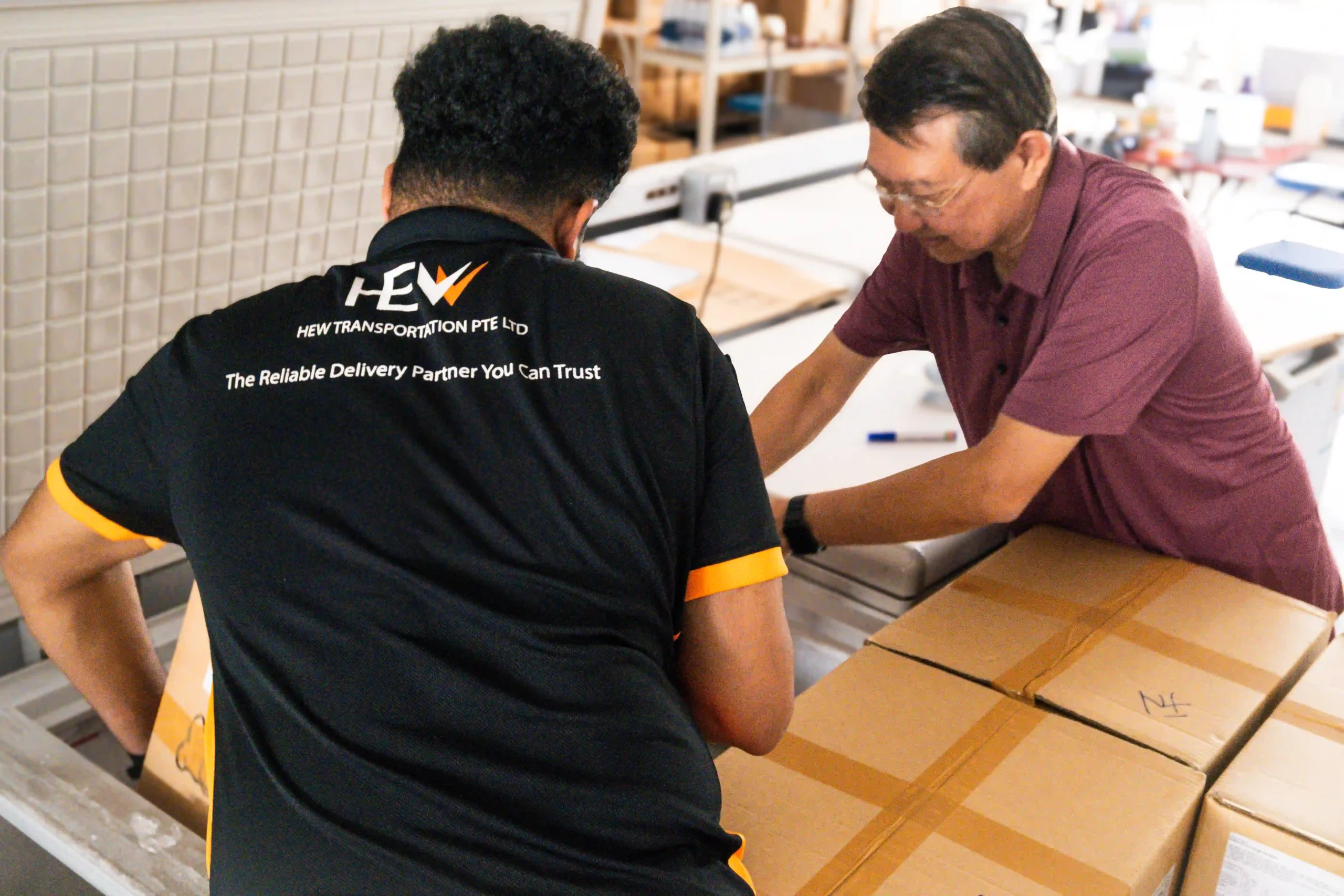
One of the biggest and most costly challenges is physical handling.
Heavy items increase the risk of:
- Back injuries.
- Dropped goods.
- Workplace accidents.
- Insurance claims.
Without trained handlers and proper lifting tools, even a short unload can turn dangerous. This is not just a human issue. It affects productivity, liability, and long-term costs.
2. Access Limitations at Delivery Locations
Many delivery sites are not built for heavy items.
Common access issues include:
- Narrow corridors.
- No freight lift.
- Stair-only access.
- Height or weight limits at loading bays.
When access details are unclear, trucks arrive but cannot unload. This causes redelivery fees, wasted manpower hours, and frustrated customers.
3. Inadequate Vehicle Selection
Using the wrong vehicle is a silent killer in heavy logistics.
Problems we see often:
- Vans overloaded beyond safe limits.
- Trucks too large for urban access.
- No tail lift or loading ramp.
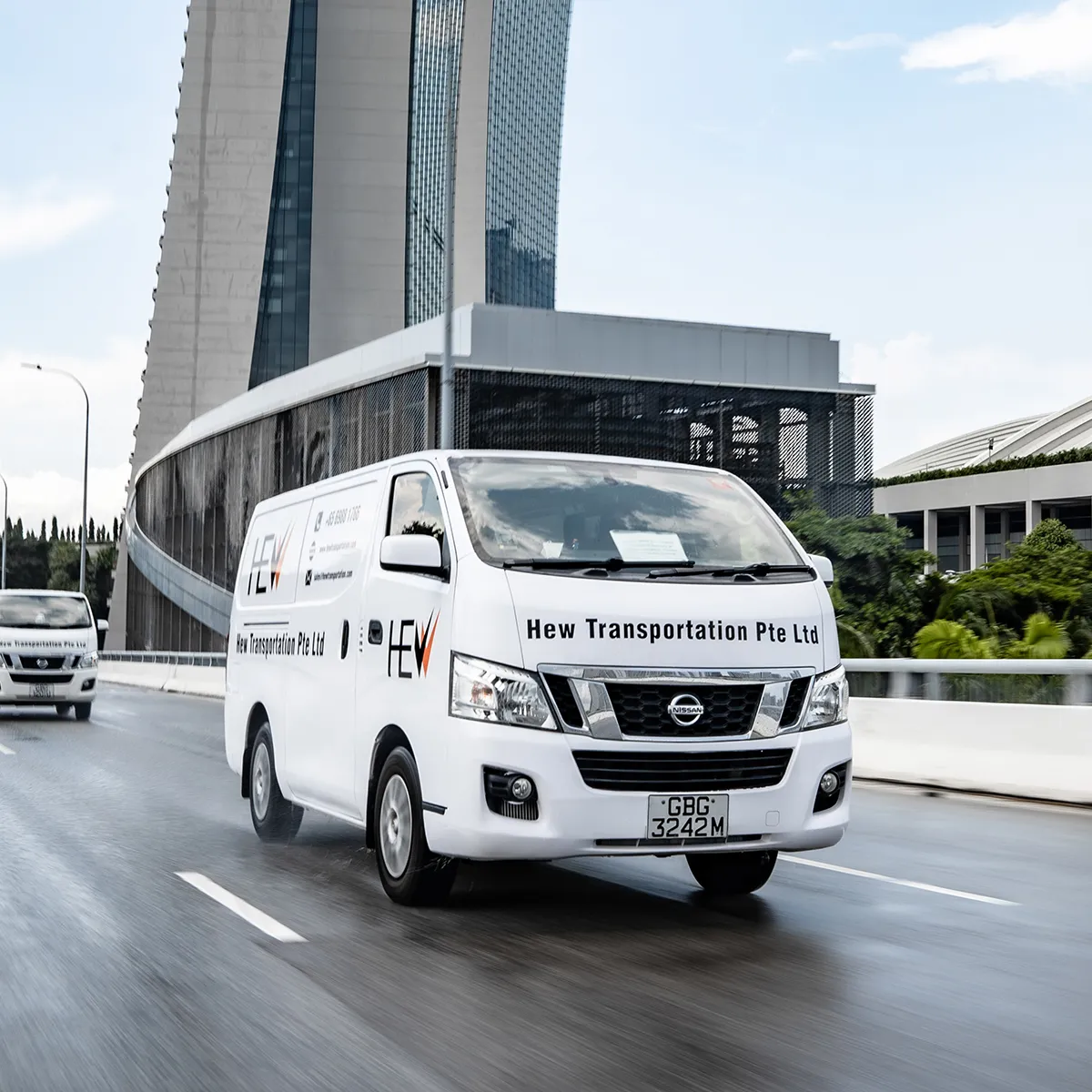
Heavy deliveries require vehicle matching, not guesswork. This is where services like commercial van delivery in singapore become critical for businesses operating in dense urban environments.

4. Scheduling and Time Window Conflicts
Heavy item deliveries usually involve:
- Multiple workers.
- Special equipment.
- Fixed receiving hours.
If one piece shifts, the whole delivery falls apart. Traffic delays, earlier jobs running late, or miscommunication can break a tight schedule very fast.
This challenge becomes worse during peak seasons or large project rollouts.
5. Higher Risk of Damage During Transit
The heavier the item, the harder it is to control once it moves.
Damage often happens during:
- Loading.
- Unloading.
- Tight turns inside buildings.
Without proper securing systems, padding, and handling SOPs, heavy items suffer scratches, dents, or internal damage that may not be visible immediately.
6. Cost Uncertainty and Hidden Fees
Many businesses think heavy delivery is just “slightly more expensive.” In reality, costs stack up quickly.
Hidden cost drivers include:
- Waiting time charges.
- Redelivery fees.
- Additional manpower.
- Equipment rental.
Without clear planning, logistics budgets can spiral.
A Simple Breakdown: Heavy vs Standard Deliveries
| Factor | Standard Delivery | Heavy Item Delivery |
|---|---|---|
| Handling | Single person | Team handling |
| Equipment | None | Trolleys, tail lift |
| Vehicle | Small van | Commercial van or truck |
| Risk level | Low | Medium to high |
| Planning needed | Minimal | Detailed |
This table alone explains why heavy delivery should never be treated as “just another shipment.”
Case Insight: What We See in Real Operations
From internal delivery data across commercial clients, we noticed something interesting:
- Over 60% of failed heavy deliveries are caused by incorrect access information.
- Around 25% of delays come from vehicle mismatch.
- The rest are mostly scheduling and manpower issues.
Very few failures are caused by distance. This tells us the real problem is not transportation. It is preparation.
How Businesses Can Reduce Heavy Delivery Problems
Here is a simple, practical framework we recommend.
Step 1: Document the Item Properly
- Exact weight.
- Dimensions.
- Fragile points.
Step 2: Survey the Delivery Location
- Lift access.
- Stair count.
- Loading bay rules.
Step 3: Match Vehicle and Manpower
- Vehicle with proper load rating.
- Trained handlers.
- Right equipment.
Step 4: Communicate Clearly
- Share photos.
- Confirm time windows.
- Set expectations.
This alone reduces most common challenges in heavy item deliveries.
How HEW Transportation Approaches Heavy Deliveries
At HEW Transportation, heavy logistics is not treated as an exception. It is a core capability.
Our expertise covers:
- Commercial and industrial deliveries.
- Urban access planning.
- Trained delivery crews.
- Equipment-supported handling.
We focus on predictability, not speed alone. Businesses rely on us because we plan deliveries the way operations teams actually work, not the way brochures describe.
Conclusion: Solving Heavy Delivery Challenges Starts With Planning
The truth is simple. Common challenges in heavy item deliveries are rarely random. They are predictable, repeatable, and preventable.
When businesses slow down just enough to plan properly, everything else becomes easier. Fewer delays. Less damage. Better cost control.
At HEW Transportation, we help businesses move heavy items with clarity, safety, and confidence. If your operations involve bulky or oversized goods, we invite you to explore Van & Lorry Delivery Services how our delivery solutions fit into your workflow.
FAQs (Frequently Asked Questions)
What qualifies as a heavy item delivery?
A delivery is considered heavy when the item exceeds safe single-person lifting limits or requires special equipment, vehicles, or manpower to move safely.
Why do heavy deliveries fail more often than normal ones?
Because they depend on multiple factors working together: access, people, vehicles, and timing. One missing detail can break the whole chain.
How can businesses reduce damage during heavy deliveries?
By using trained handlers, proper securing methods, and equipment like tail lifts and padded restraints.
Are heavy deliveries always more expensive?
Not always, but poor planning makes them expensive. Clear information and the right setup reduce unnecessary costs.
Should heavy deliveries be outsourced?
In most cases, yes. Specialized logistics providers already have the vehicles, manpower, and systems in place.