What Is Commercial Van Delivery in Singapore?
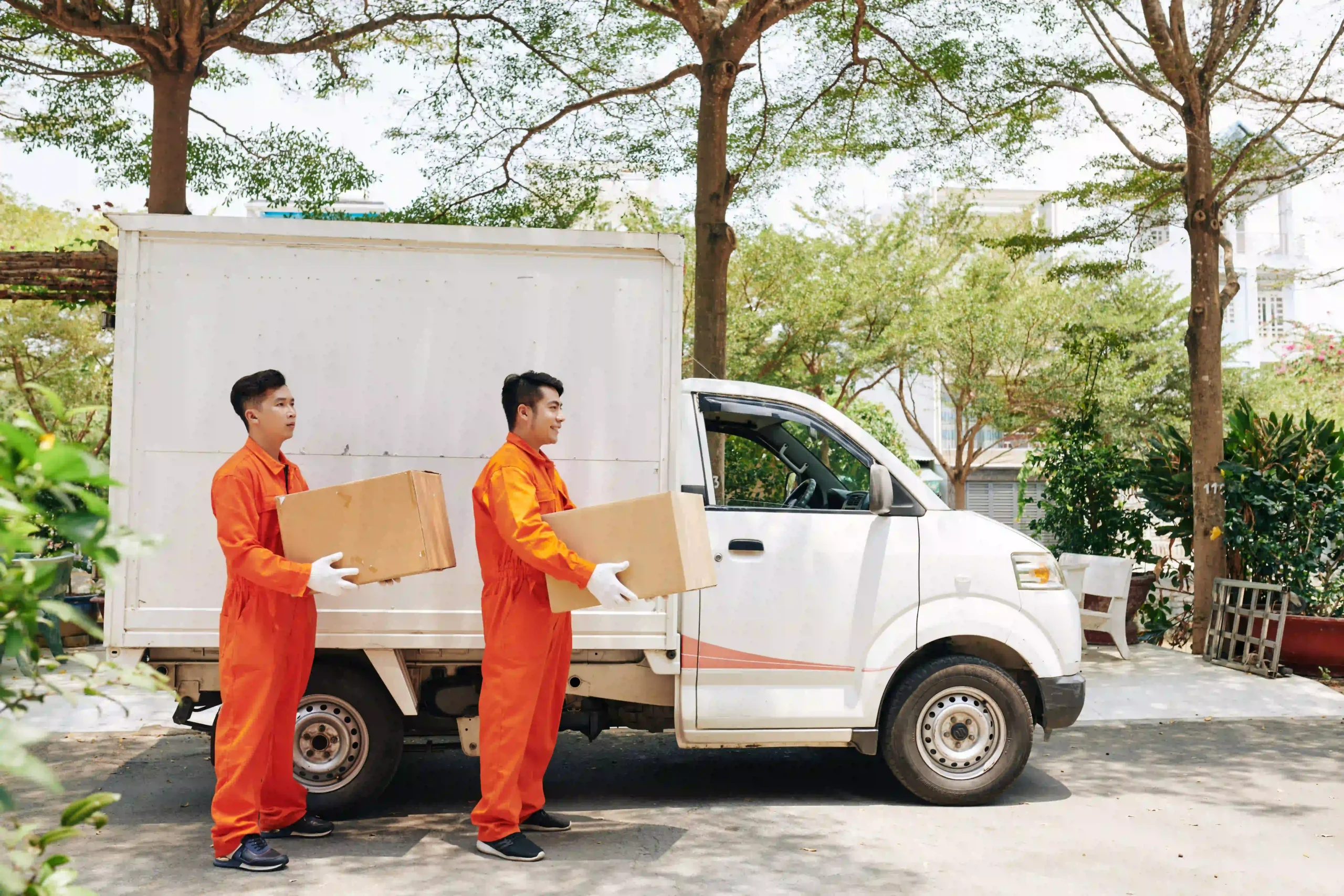
Commercial van delivery in Singapore refers to the use of commercial vans to transport goods from warehouses, distribution points, or suppliers directly to businesses or end customers. These vans operate across industrial zones, retail districts, residential areas, and commercial buildings, handling everything from parcels and retail stock to bulky items and time-sensitive goods.
On the surface, van delivery sounds simple. Load the goods, drive, unload, done. In reality, it sits right in the middle of traffic congestion, delivery restrictions, customer schedules, and cost pressure. That’s why many businesses rely on commercial van delivery as a balance point, more flexible than large trucks, but more capable than motorcycles or small couriers.
From our experience at HEW Transportation, commercial van delivery often becomes the backbone of daily operations, especially for companies that need reliability without the overhead of running a full fleet.
Why Commercial Van Delivery Matters in Singapore’s Urban Economy
Singapore is compact, dense, and highly regulated. That combination makes delivery both efficient and challenging at the same time, especially when viewed through the lens of urban logistics planning highlighted by Singapore’s transport authorities. Several factors increase the importance of commercial van delivery in Singapore:
- High delivery density in short distances.
- Limited loading bays in malls and office buildings.
- Strict delivery time windows.
- Rising labor and vehicle costs.
- Customer expectations for punctual delivery.
Industry logistics reports often show that urban last mile and mid-mile deliveries account for a large portion of operational cost. Vans, when used properly, help control that cost by offering flexibility without sacrificing capacity.
In short, commercial van delivery fits the city. It’s small enough to move easily, but large enough to be productive.
How Commercial Van Delivery Works in Practice
Most commercial van delivery operations follow a fairly consistent flow. Nothing fancy, but execution matters.
Typical Commercial Van Delivery Flow
- Orders are received and confirmed.
- Goods are picked and packed.
- Loads are grouped by delivery zone.
- Vans are assigned based on volume and weight.
- Routes are planned around traffic patterns.
- Drivers complete deliveries within assigned windows.
- Proof of delivery is recorded.
- Performance data is reviewed.
It looks straightforward on paper. The challenge is repeating this process daily without cost creeping up or service slipping.
Common Use Cases for Commercial Van Delivery in Singapore
Commercial vans are used across many industries, not just logistics companies.
Industries That Rely on Commercial Van Delivery
| Industry | Why Vans Are Used |
|---|---|
| Retail | Frequent restocking, mall access |
| E-commerce | Multi-stop urban deliveries |
| Furniture | Medium-sized and bulky items |
| Food & Beverage | Time-sensitive distribution |
| Healthcare | Controlled and scheduled delivery |
| Construction | Tools, materials, site access |
For bulky or awkward cargo, van setup and handling matter a lot. This is where proper loading methods and safety practices come in, especially when businesses deal with furniture, equipment, or irregular items. We’ve covered this in detail in our guide on how to safely deliver bulky items, which many operators overlook saving cost at first, then regret later.
What Makes Commercial Van Delivery Cost-Effective
Cost control is one of the main reasons businesses choose commercial van delivery in Singapore. But affordability doesn’t come from cheap pricing alone. Key cost control factors include:
- Proper route planning.
- Matching van size to load.
- Reducing failed deliveries.
- Limiting overtime hours.
- Preventing cargo damage.
A van that is half empty or stuck in traffic too long quietly burns money. Over time, those small inefficiencies add up.
From our internal delivery data at HEW Transportation, routes that are reviewed weekly tend to reduce cost per stop by noticeable margins compared to routes that “just run the same way every day.”
Challenges in Commercial Van Delivery
Even though vans are flexible, they still face real challenges.
Common Operational Issues
- Traffic congestion during peak hours.
- Limited parking or loading access.
- Inaccurate delivery addresses.
- Customers unavailable during delivery.
- Overloaded vans slowing routes.
One missed delivery doesn’t seem like much. But when it happens repeatedly, cost climbs fast. That’s why experienced operators focus more on reducing friction than chasing speed.
Commercial Van Delivery vs Other Delivery Options
| Delivery Type | Strengths | Limitations |
|---|---|---|
| Motorcycle Courier | Fast, low cost | Limited capacity |
| Commercial Van Delivery | Flexible, scalable | Traffic sensitive |
| Lorry Delivery | High capacity | Access restrictions |
| In-house Fleet | Full control | High fixed cost |
For many businesses, commercial van delivery sits in the sweet spot. It scales up or down without locking the company into heavy assets.
How Businesses Optimize Commercial Van Delivery
Optimization usually comes from small, boring improvements. Not big tech upgrades.
Practical Optimization Steps
- Group deliveries by location, not order time.
- Use realistic delivery windows.
- Track failed delivery reasons weekly.
- Rotate drivers on routes to build local knowledge.
- Review fuel usage and idle time.
These steps don’t look exciting, but they work.. We’ve seen companies reduce repeat delivery issues simply by adjusting one delivery window by 30 minutes.
Technology’s Role in Commercial Van Delivery
Technology helps, but it’s not magic. Useful tools include:
- GPS tracking.
- Route optimization software.
- Digital proof of delivery.
- Basic performance dashboards.
What matters is how consistently the data is reviewed. Tools without discipline don’t improve anything.
Real-World Insight: Commercial Van Delivery in Singapore
In dense cities like Singapore, success often comes down to local knowledge. Drivers who know which buildings allow early access, which loading bays close at lunch, and which areas jam up after 5 pm save more time than any software alone.
This is why experienced delivery partners often outperform newer operators, even with similar vehicles and systems.
Conclusion: Commercial Van Delivery in Singapore Is About Consistency
Commercial van delivery in Singapore isn’t about moving goods as fast as possible. It’s about moving them predictably, safely, and at a cost that stays under control. At HEW Transportation, we support businesses with commercial van delivery, last mile distribution, cold chain logistics, courier services, and van & lorry solutions across Singapore. Our focus has always been practical reliability, not shortcuts.
If your business depends on daily delivery and needs a partner who understands real urban logistics, visit Van & Lorry Delivery to learn how our commercial van delivery solutions support steady growth.
Pro Tips: If your van delivery only struggles during peak periods, the issue usually isn’t volume. It’s planning. Fix the small gaps early, and the whole system becomes easier to manage
FAQs (Frequently Asked Questions)
What is commercial van delivery in Singapore used for?
Commercial van delivery in Singapore is used to transport goods for businesses across urban areas, handling parcels, retail stock, bulky items, and scheduled deliveries.
Is commercial van delivery suitable for small businesses?
Yes. Many small businesses use van delivery because it avoids the cost of owning vehicles while still offering reliable capacity.
How much can a commercial delivery van carry?
It depends on the van type, but most commercial vans can handle between 1,000 kg to 1,500 kg, depending on configuration and regulations.
Is commercial van delivery faster than lorry delivery?
In urban areas, vans are often faster because they can access more locations and navigate traffic more easily.
How do businesses choose the right van delivery partner?
Look for experience, route planning discipline, clear communication, and consistency rather than just low pricing.