When you grab a tub of ice cream or get a dose of vaccine, you probably don’t think about how it stayed at the perfect temperature all the way from the factory to your hands. That’s where cold chain logistics comes in — a specialized system built to transport temperature-sensitive products without breaking the “cold” link at any point.
What Is Cold Chain Logistics?
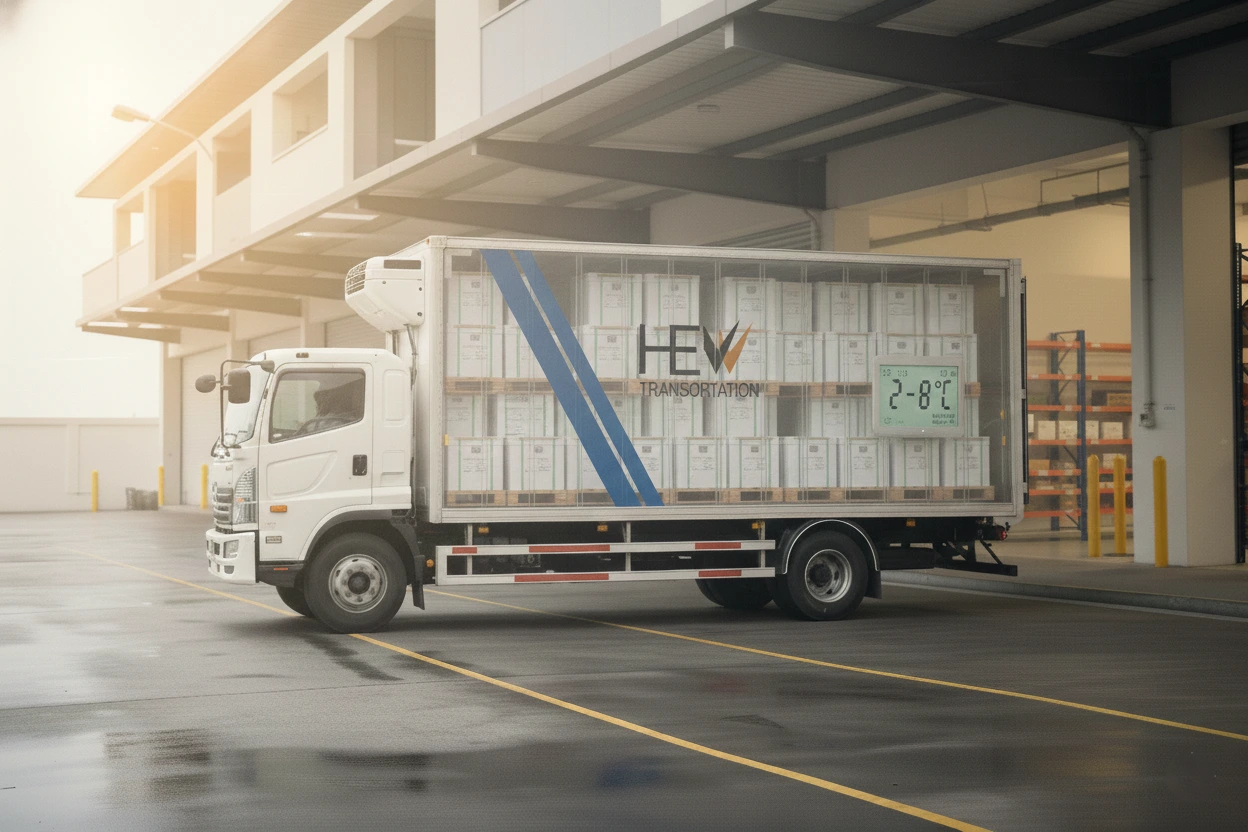
Cold chain logistics is the process of transporting and storing goods that need to stay within a specific temperature range. Think of it as the “refrigerated highway” that keeps items like frozen food, pharmaceuticals, and even certain chemicals safe and effective until they reach their final destination.
The chain includes:
- Temperature-controlled storage (refrigerators, freezers, or insulated containers)
- Refrigerated transport (trucks, ships, planes with cooling systems)
- Real-time monitoring systems to track temperature, humidity, and delivery time
One tiny slip — even a few degrees — can ruin an entire shipment. That’s why maintaining consistency is everything.
Key Components of the Cold Chain
- Pre-Cooling: Before shipping, products are cooled to the required temperature.
- Cold Storage: Warehouses with advanced refrigeration systems keep items fresh until shipping.
- Cold Transport: Specialized vehicles or containers maintain the temperature throughout the journey.
- Monitoring & Tracking: IoT sensors and data loggers record temperature, humidity, and shocks in real time.
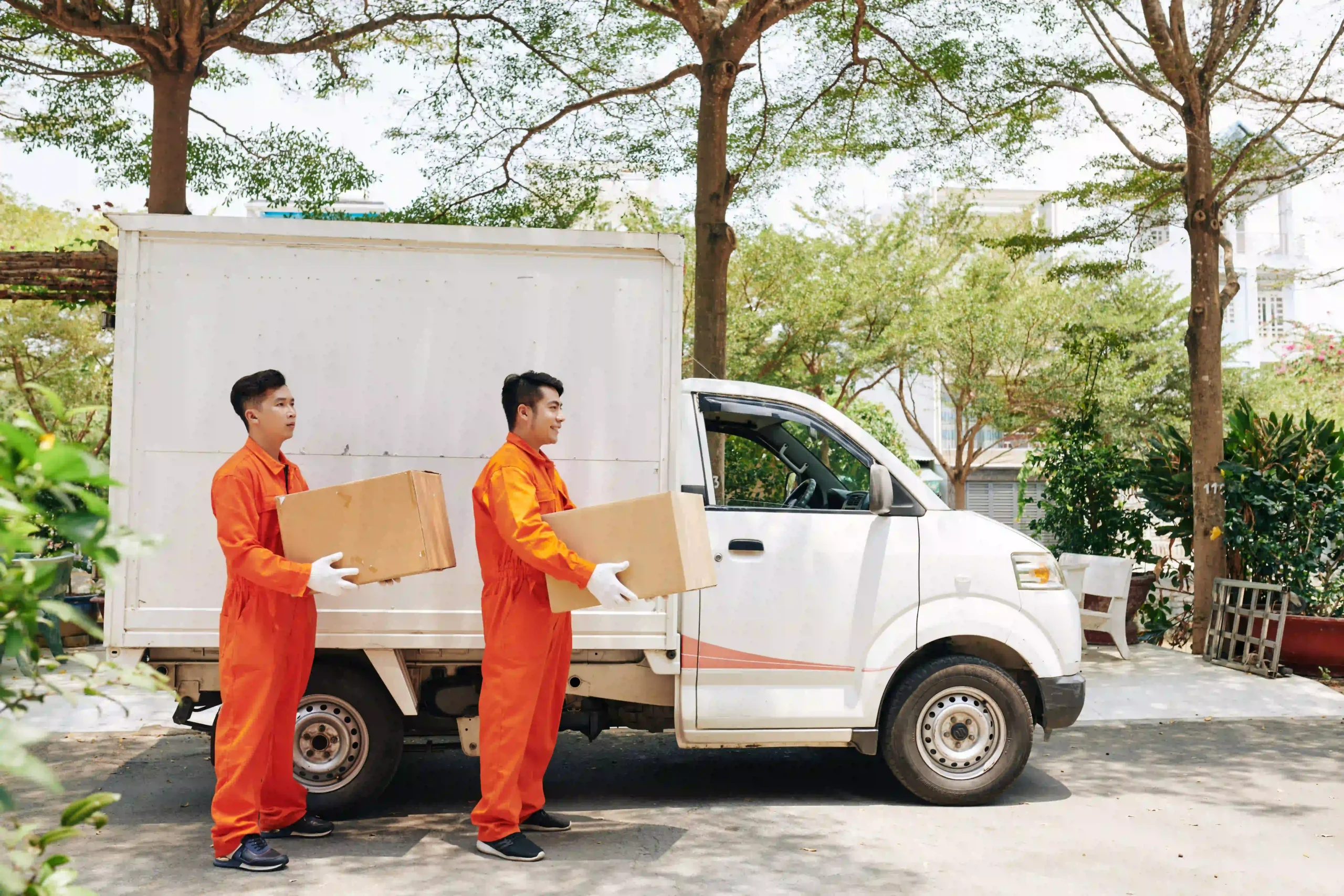
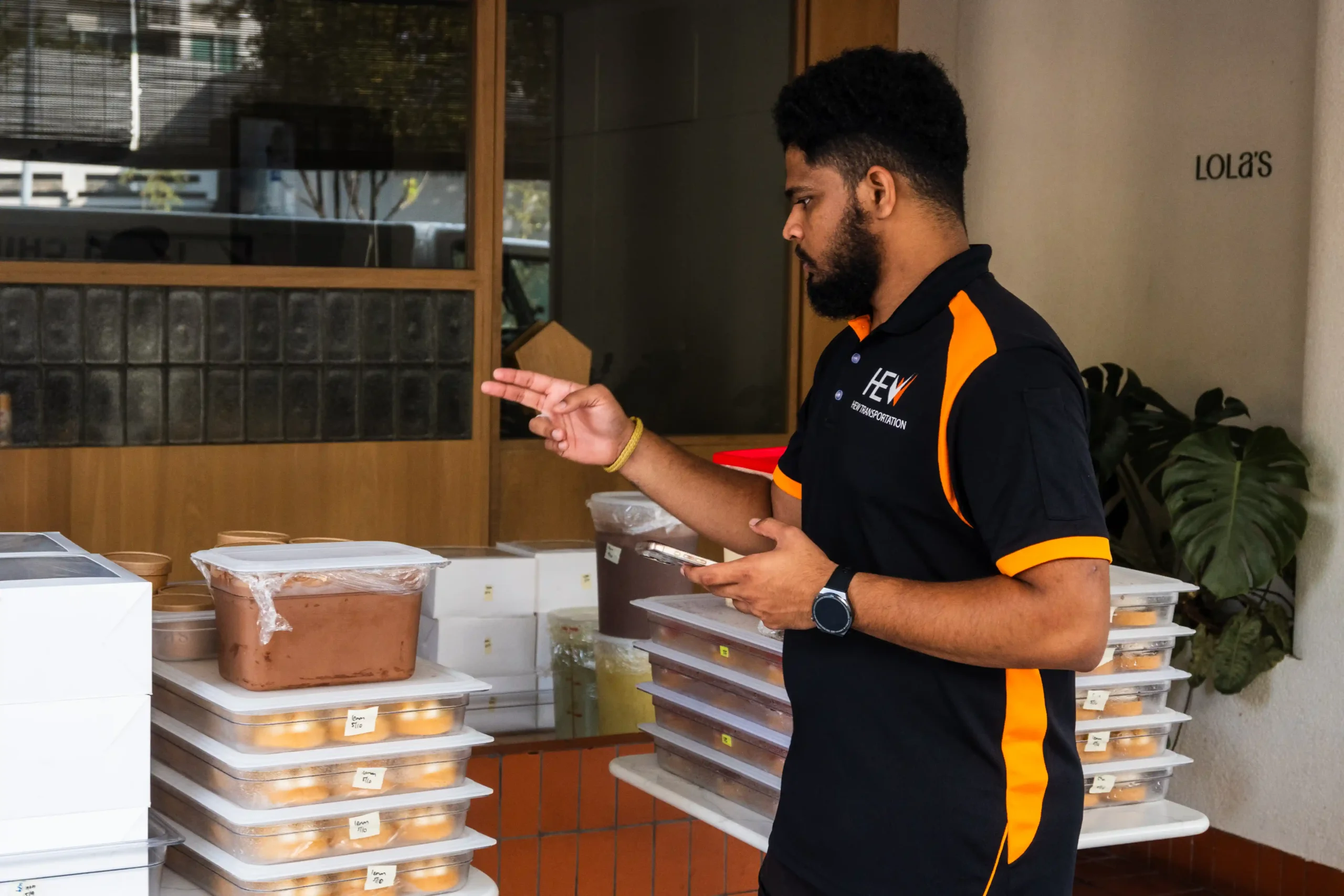
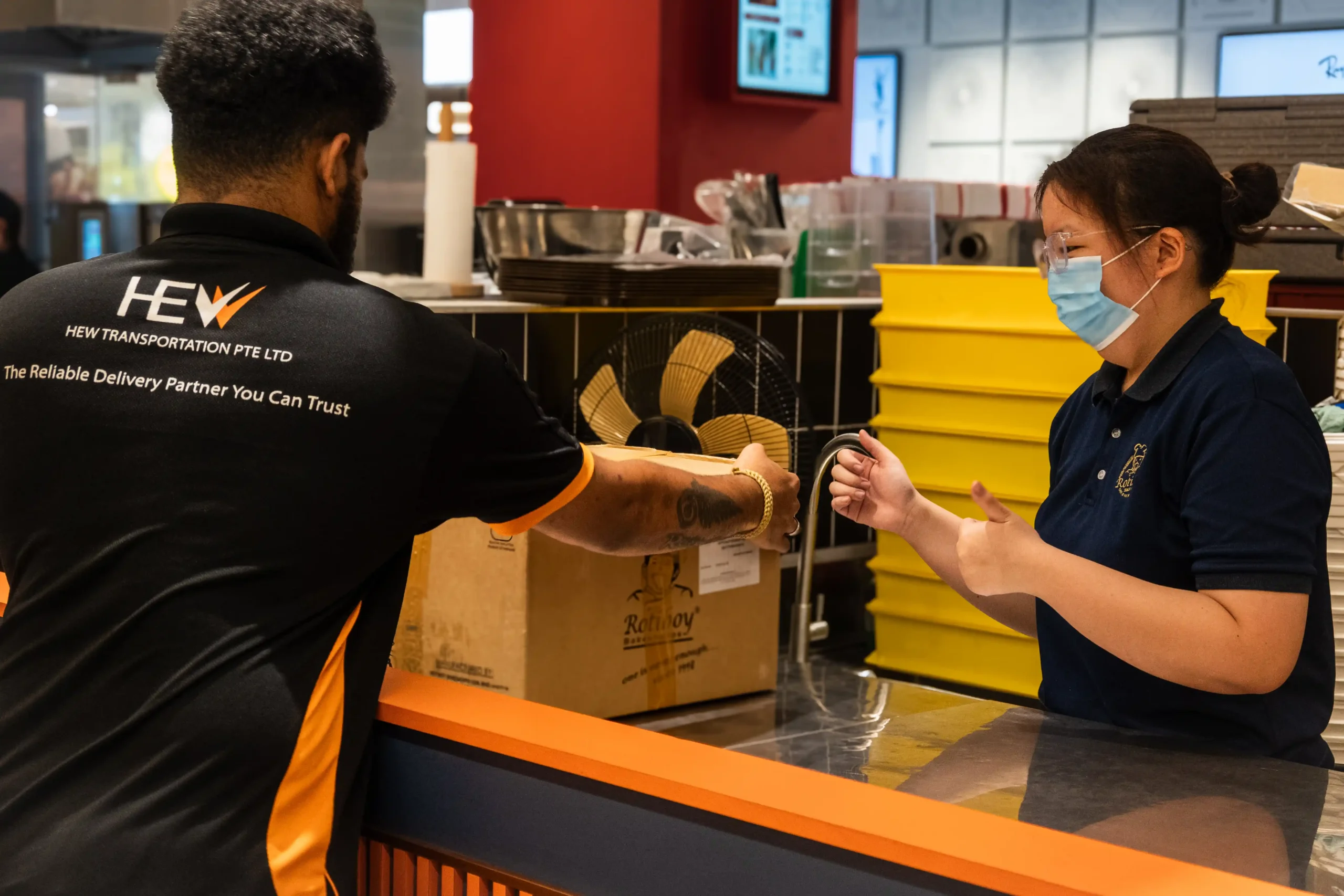
- Last-Mile Delivery: The most challenging part — ensuring products stay cold until they reach the final customer.
Challenges in Cold Chain Logistics
Maintaining a cold chain isn’t cheap or easy. Common problems include:
- Temperature fluctuations due to equipment failure or delays
- Lack of real-time visibility in remote areas
- High energy costs and carbon footprint
- Complex regulations for different product types
Even a short power outage can destroy sensitive shipments, leading to massive losses.
Tech Innovations Changing the Game
Modern logistics companies are leveling up with:
- IoT devices for continuous tracking
- AI-powered analytics to predict and prevent breakdowns
- Blockchain for transparent data and traceability
- Sustainable packaging to cut down environmental impact
These advancements help reduce waste, improve reliability, and make the cold chain more eco-friendly.
Why It Matters
In industries like healthcare and food, a reliable cold chain literally saves lives. Vaccines, biologics, and perishable goods depend on it. As e-commerce and global trade keep expanding, the demand for cold chain solutions is only growing.
Final Thoughts
Cold chain delivery logistics might not sound glamorous, but it’s one of the most critical parts of the global supply chain. Without it, modern life — from safe meals to medical breakthroughs — would melt down, literally.