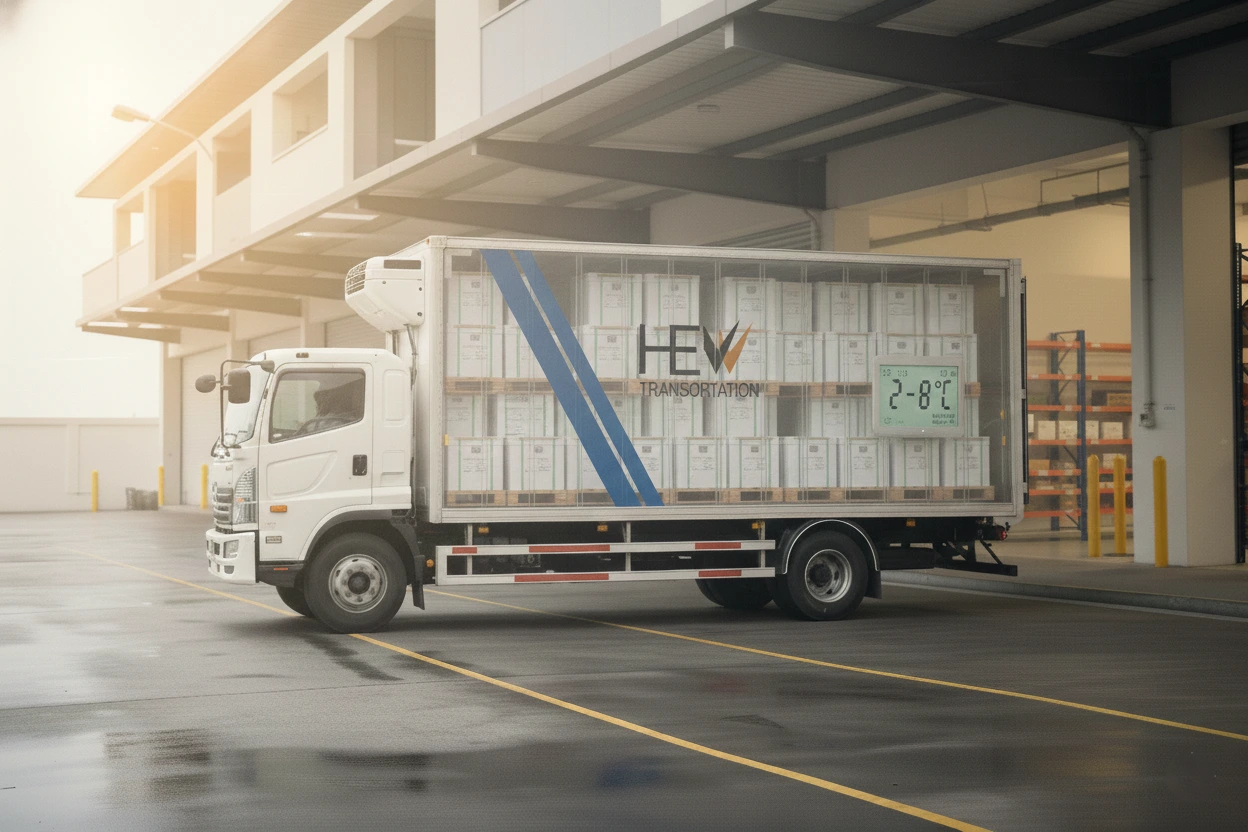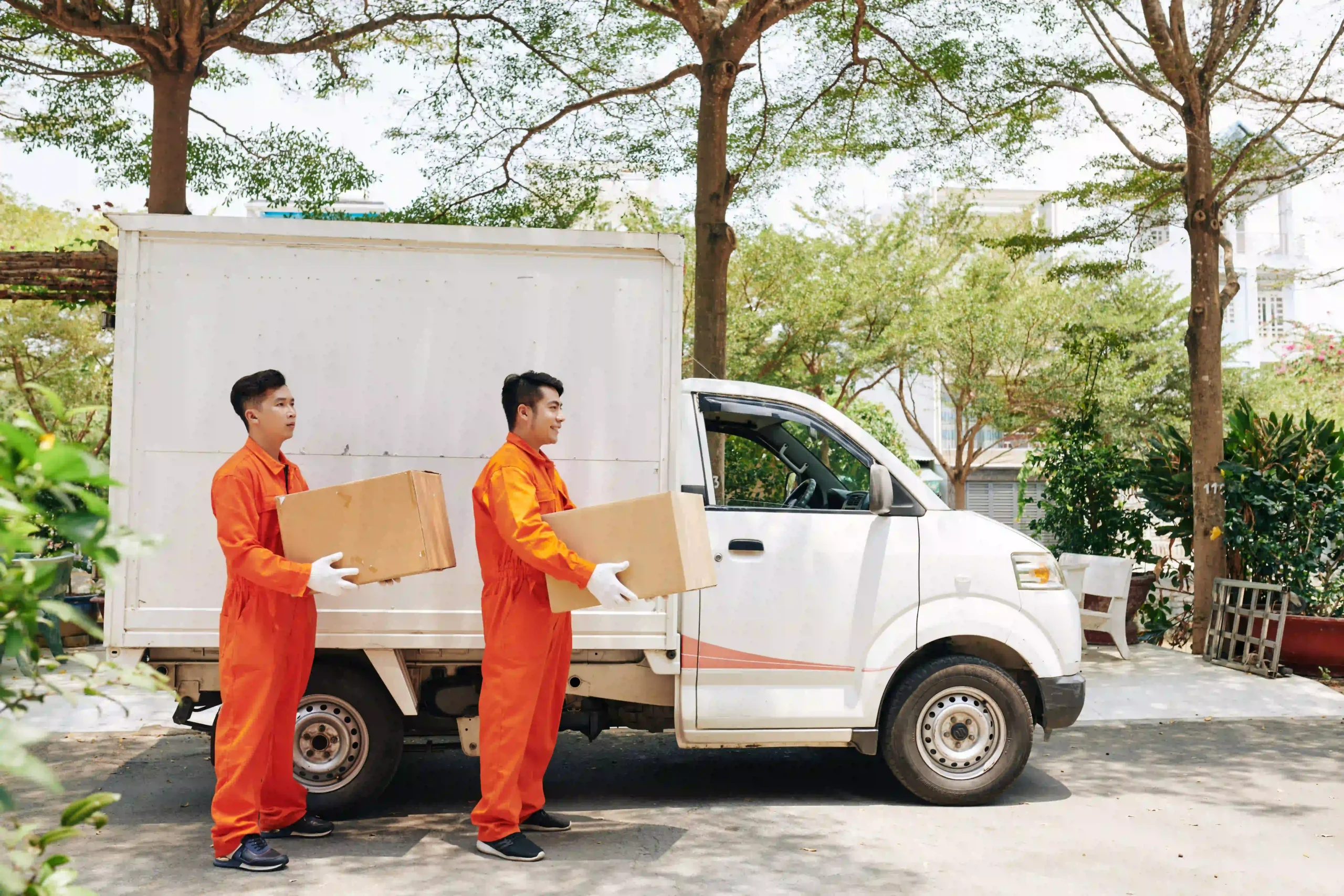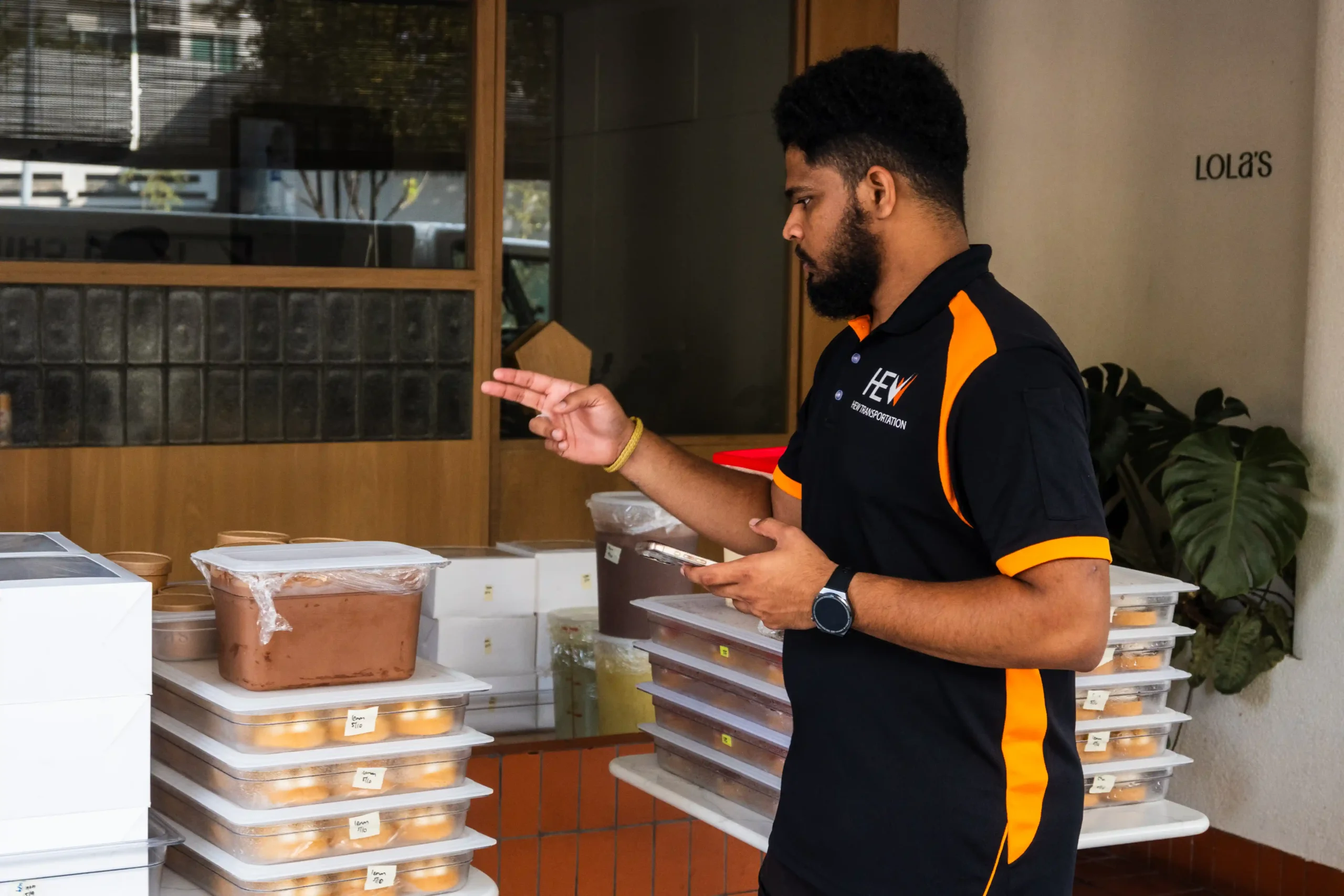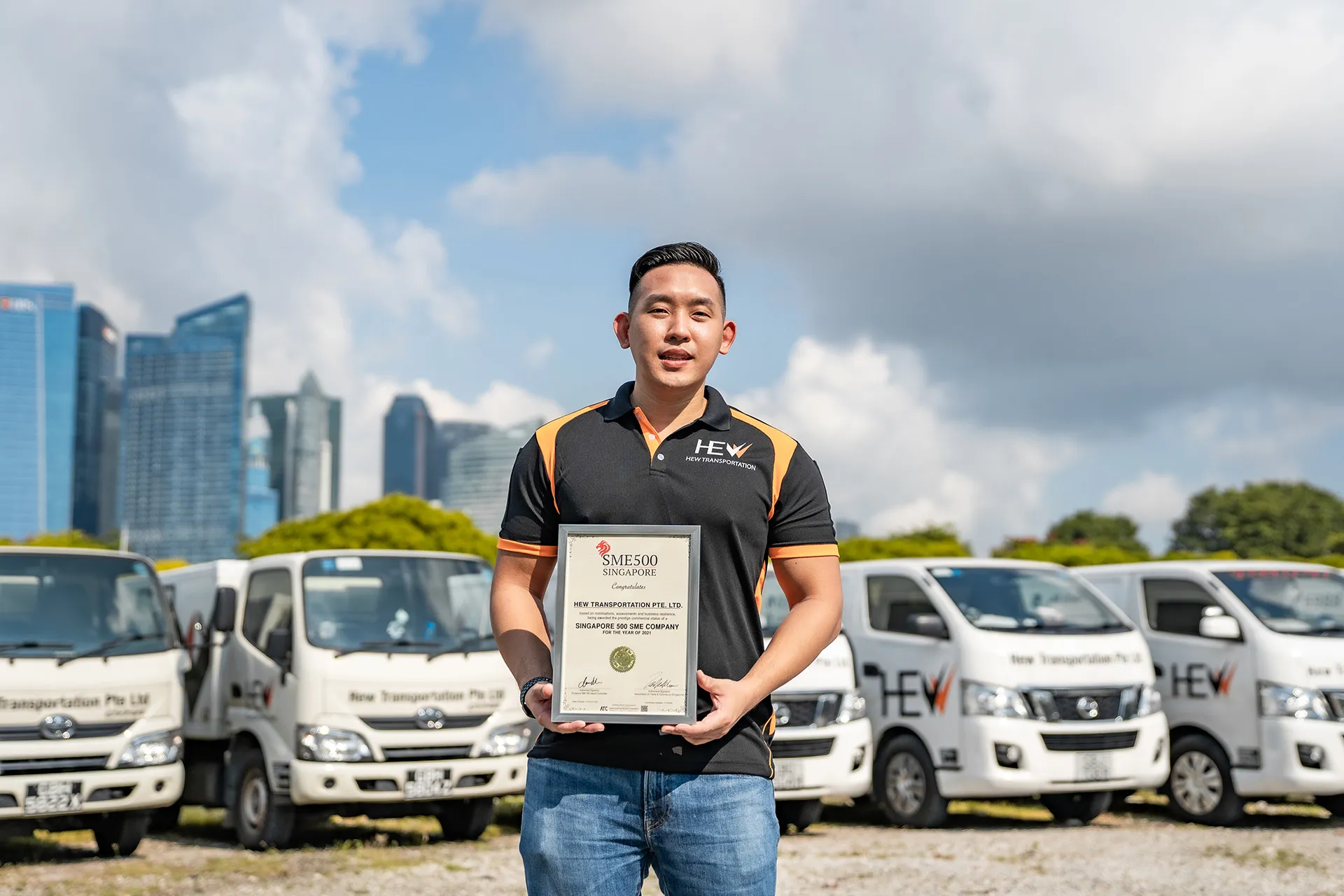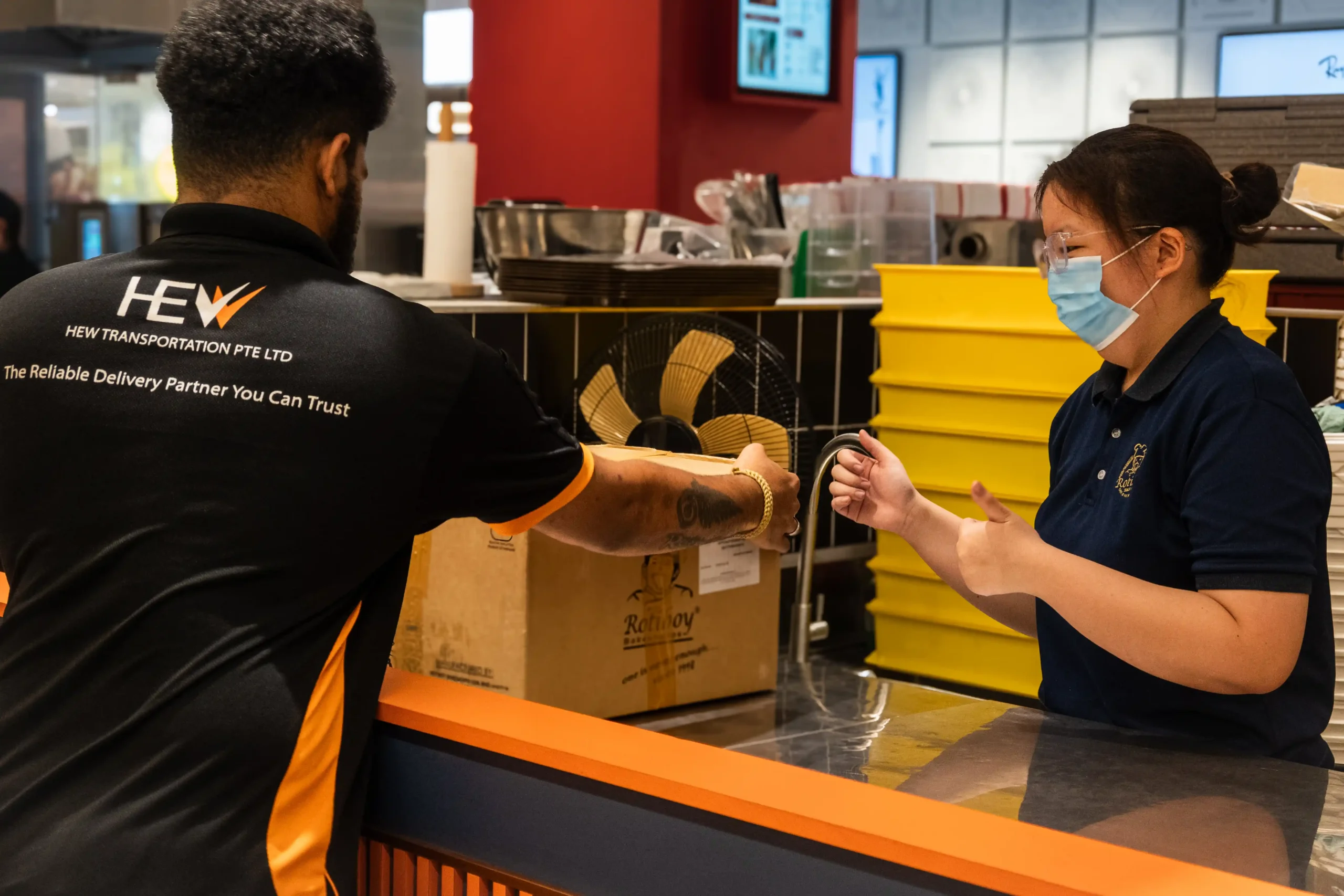
Cold chain delivery in Singapore refers to the end-to-end transportation of temperature-sensitive products, supported by refrigerated vehicles, insulated packaging, temperature monitoring systems, and controlled handling procedures. These solutions ensure that pharmaceuticals, fresh produce, frozen food, laboratory samples, and specialty chemicals remain within safe temperature ranges from the moment they leave the supplier until they reach their final destination.
With Singapore’s strict regulatory environment and the growing demand for food-grade and pharmaceutical-grade logistics, businesses depend on professional cold chain delivery providers like us to keep their products safe, stable, and compliant.
Why Cold Chain Delivery Is Essential for Modern Businesses in Singapore
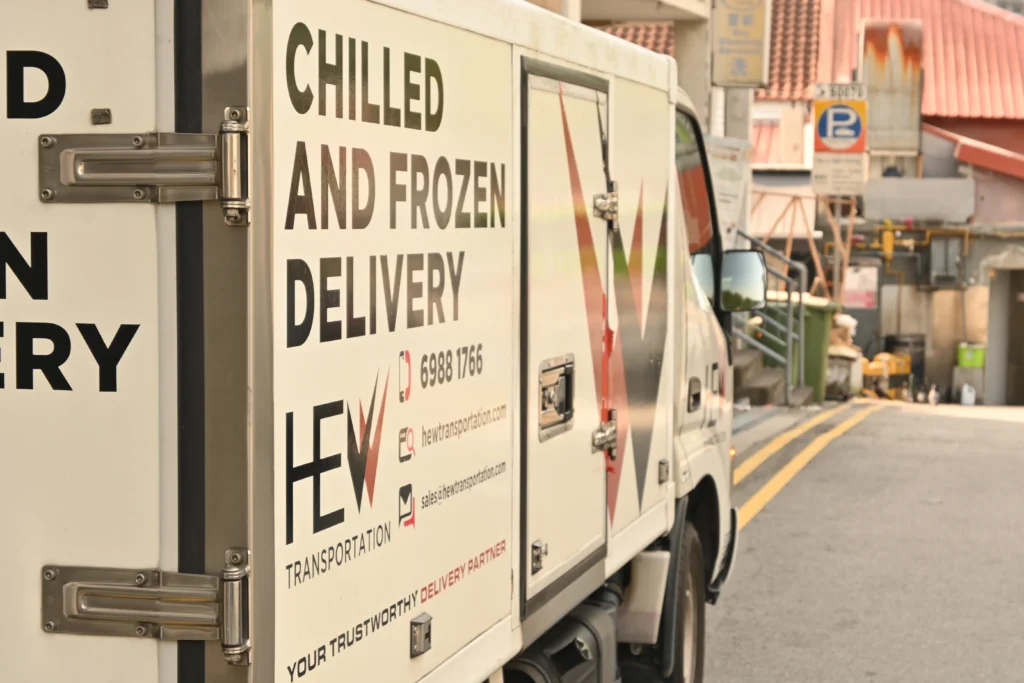
Cold chain operations have become a foundational part of Singapore’s logistics ecosystem. As a global trade hub, Singapore manages high-volume imports and exports of perishable and temperature-controlled products every day. Without a dependable cold chain delivery system, businesses face:
- accelerated product degradation
- compromised food safety
- rejected pharmaceutical batches
- failed compliance audits
- increased operational losses
Key Factors Driving the Need for Reliable Cold Chain Delivery
- Strict Regulatory Standards: Singapore’s Health Sciences Authority (HSA) and Singapore Food Agency (SFA) enforce strict temperature requirements for pharmaceutical and perishable goods.
- Rising Demand for Fresh Food and Meal Deliveries: Households expect fresher groceries and ready-to-cook items, requiring safe chilled and frozen transport.
- Growth of Biotech, MedTech, and Pharmaceutical Sectors: Temperature-sensitive vaccines, biologics, and lab samples require dependable cold chain solutions with real-time monitoring.
- Climate Conditions: Singapore’s high humidity and tropical heat increase the risk of spoilage during transport.
To understand this ecosystem more deeply, businesses can explore the importance of cold chain in Singapore.
Core Components of Cold Chain Delivery in Singapore
1. Temperature-Controlled Vehicles
Our fleet includes refrigerated vans and trucks equipped with multi-zone cooling, allowing separate temperature compartments for chilled and frozen products.
2. IoT and Real-Time Monitoring
We rely on tracking systems that provide:
- real-time temperature data
- travel route monitoring
- automated alerts for deviations
- transparent reporting for audits
3. Insulated Packaging & Cold Rooms
Cold boxes, thermal blankets, gel packs, and cold rooms help maintain stable temperatures before and after transport.
4. Standard Operating Procedures (SOPs)
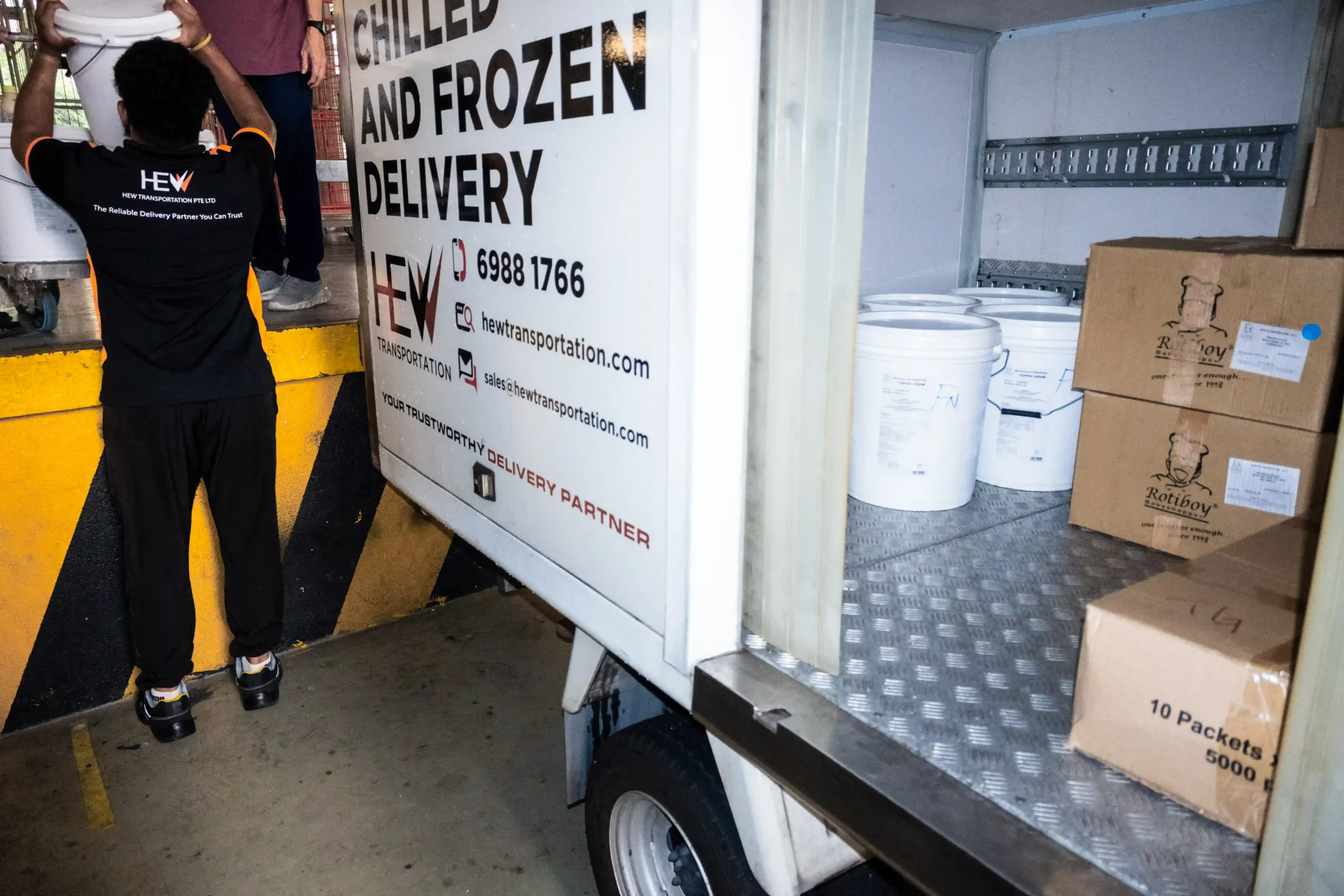
We follow consistent protocols for loading, unloading, handling, and verification to ensure safety and reduce contamination risks.
These core components work together within different types of cold chain delivery methods, depending on the product category, delivery distance, and temperature requirements.
Temperature Requirements by Product Category
| Product Category | Temperature Range | Description |
|---|---|---|
| Frozen Goods | -18°C and below | Keeps food fresh for long-term storage |
| Chilled Food | 0°C to 4°C | Used for dairy, meat, fresh produce |
| Pharmaceuticals | 2°C to 8°C | Required for vaccines and biologics |
| Specialty Chemicals | Varies (5°C–25°C) | Protects chemical stability |
| Laboratory Samples | 2°C to -20°C | Ensures viability for testing |
How Cold Chain Delivery Works: Step-by-Step Workflow
To better understand how cold chain delivery works, here is a simplified step-by-step overview of the operational workflow:
Step 1: Pre-Cooling
Vehicles and storage areas are pre-cooled before loading to ensure temperature stability.
Step 2: Temperature-Verified Loading
Products are checked, scanned, and loaded with minimal door-open time to avoid thermal shock.
Step 3: Transport & Monitoring
All shipments are continuously monitored using digital sensors and GPS-linked systems.
Step 4: Controlled Unloading
Trained handlers unload goods quickly and safely, ensuring the temperature is maintained until final handover.
Common Challenges in Cold Chain Delivery and How We Address Them
Challenge 1: Temperature Fluctuation
Solution: Real-time IoT monitoring and fast-response corrective action.
Challenge 2: Improper Handling
Solution: Regular staff training and strict SOP enforcement.
Challenge 3: Delays due to traffic
Solution: Optimized routing, pre-planned scheduling, and alternative routes.
Challenge 4: Packaging Failure
Solution: Use of high-performance insulated packaging and validated cold boxes.
Case Study: Cold Chain Delivery Improvement in Singapore’s F&B Sector
A Singapore-based seafood supplier experienced a 15% monthly loss from rejected batches due to inconsistent delivery conditions. After switching to our cold chain delivery services:
- product rejection dropped from 15% to 1.2%
- freshness ratings improved
- regulatory compliance became fully traceable
- customer satisfaction increased significantly
This case demonstrates that the right cold chain partner can directly impact business growth.
Actionable Tips for Businesses Using Cold Chain Delivery
- Use validated packaging based on temperature and duration.
- Schedule deliveries during off-peak hours to reduce travel delays.
- Ensure drivers receive proper handling training.
- Conduct regular calibration checks on monitoring devices.
- Maintain detailed temperature logs for audits and compliance.
Conclusion: Choosing the Right Cold Chain Delivery Partner in Singapore
Reliable cold chain delivery in Singapore is no longer optional, it’s essential for any business handling perishable or temperature-sensitive products. Our team at HEW Transportation is committed to delivering safe, monitored, and fully compliant cold chain solutions that protect product integrity throughout the entire journey.
To explore customized cold chain delivery services, optimized routing, chilled/frozen transport, or pharmaceutical logistics, visit our website today at HEW Transportation.
FAQs (Frequently Asked Questions)
What makes cold chain delivery different from standard delivery?
Cold chain delivery uses refrigerated vehicles, compliant handling processes, and temperature monitoring to protect sensitive goods.
How do I know if my shipment stayed within temperature during delivery?
We provide detailed monitoring reports showing temperature data from pickup to drop-off.
What types of businesses need cold chain delivery in Singapore?
Pharmacies, F&B companies, biotech firms, e-commerce grocers, laboratories, and chemical suppliers.
Can small businesses use cold chain delivery services?
Yes, we support both small and large shipments with flexible fleet options.
What is the most common cause of cold chain failure?
Poor handling and temperature fluctuation, issues we overcome with trained staff and automated monitoring systems.