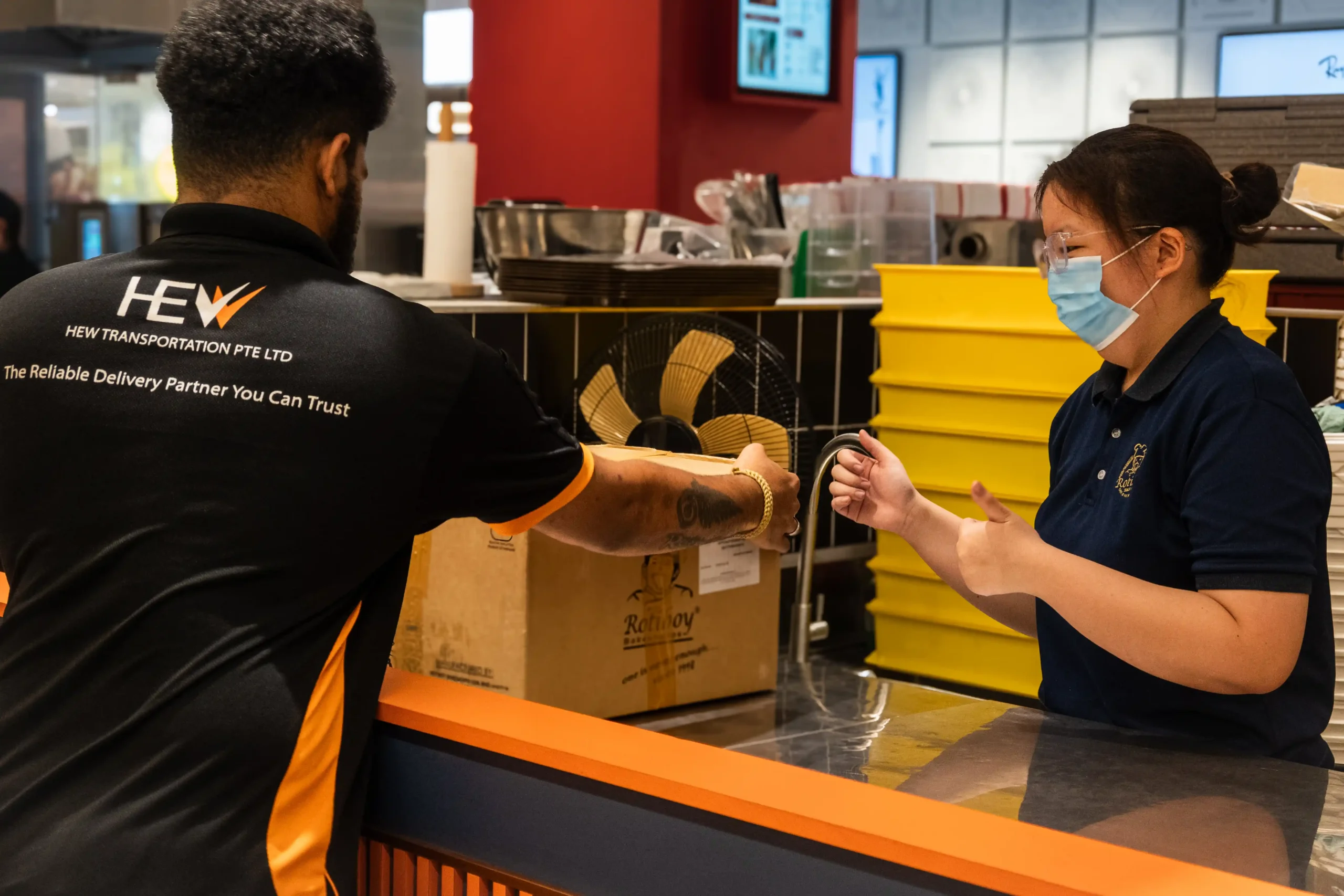
Challenges in last mile logistics refer to the operational, cost, and coordination problems that occur when goods move from the final distribution point to the end customer. This stage may sound simple, but in practice, it is often the most expensive, unpredictable, and sensitive part of the supply chain.
The last mile is where plans meet reality. Traffic shows up. Customers aren’t home. Buildings have no loading zones. Delivery windows shrink. And suddenly, what looked efficient on paper becomes messy on the road.
From our experience at HEW Transportation, most delivery problems don’t start at the warehouse. They appear in the final few kilometers. And once they appear, they tend to repeat unless systems are adjusted properly.
Why Challenges in Last Mile Logistics Matter More Than Ever
A few years ago, last mile delivery was treated as a cost center. Something you just had to deal with. Today, it directly affects brand perception, customer loyalty, and profit margins. Several shifts have made the challenges in last mile logistics more visible:
- Rapid growth of e-commerce and on-demand services.
- Same-day and next-day delivery expectations.
- Urban congestion and restricted delivery access.
- Rising fuel, labor, and vehicle maintenance costs.
Industry studies consistently show that over 50% of total logistics costs occur in the last mile, especially in dense urban environments. When something goes wrong here, the impact is immediate and often customer-facing.
This is why many businesses start reviewing delivery strategy only after complaints rise. By then, the damage is harder to undo.
Core Challenges in Last Mile Logistics
1. Traffic Congestion and Urban Density
Traffic is the most obvious problem, but it’s also the most underestimated one. Congestion affects:
- Delivery time accuracy.
- Fuel consumption.
- Driver productivity.
- Route reliability.
In cities like Singapore, a delay of just five minutes per stop can snowball into missed windows across an entire route. Multiply that by dozens of stops, and the day starts slipping away.
2. Failed Delivery Attempt
One failed delivery attempt doesn’t look serious. But repeated failures quietly inflate costs. Common causes include:
- Customer not available.
- Incorrect address details.
- Restricted building access.
- Missed communication.
Each failed attempt means extra fuel, extra time, and often an unhappy customer. Reducing failures is one of the fastest ways to reduce last mile costs.
3. Tight and Unrealistic Delivery Windows
Customers want flexibility, but operations need structure. The challenge is finding balance. When delivery windows are too narrow:
- Drivers rush.
- Errors increase.
- Customer satisfaction drops.
When windows are too wide:
- Routes become inefficient.
- Costs rise.
- Planning becomes harder.
This tension is one of the most persistent challenges in last mile logistics.
4. Rising Labor Costs and Driver Shortages
Last mile delivery is labor-intensive. Unlike long-haul transport, automation options are limited. Challenges include:
- Recruiting reliable drivers.
- Managing overtime.
- Training for route familiarity.
- Retaining experienced staff.
When driver turnover increases, service quality usually drops before management even notices.
5. Poor Route Planning and Data Usage
Many delivery problems aren’t caused by traffic or customers, but by planning that hasn’t been updated in years. Common issues:
- Static routes that ignore real traffic.
- No review of failed delivery data.
- Overloaded vehicles on certain routes.
- Underutilized capacity elsewhere.
Without regular data review, inefficiencies become routine.
How These Challenges Affect Business Performance
The challenges in last mile logistics don’t stay in operations. They leak into every part of the business.
| Area Affected | Impact |
|---|---|
| Customer Experience | Late or missed deliveries |
| Costs | Higher cost per drop |
| Brand Trust | Reduced repeat orders |
| Operations | Stress on teams and drivers |
| Scalability | Systems break under volume |
This is why many businesses eventually look beyond short-term fixes and rethink delivery strategy as a whole, often comparing models like in-house fleets versus outsourced solutions or affordable last mile delivery singapore options that focus on stability rather than speed alone.
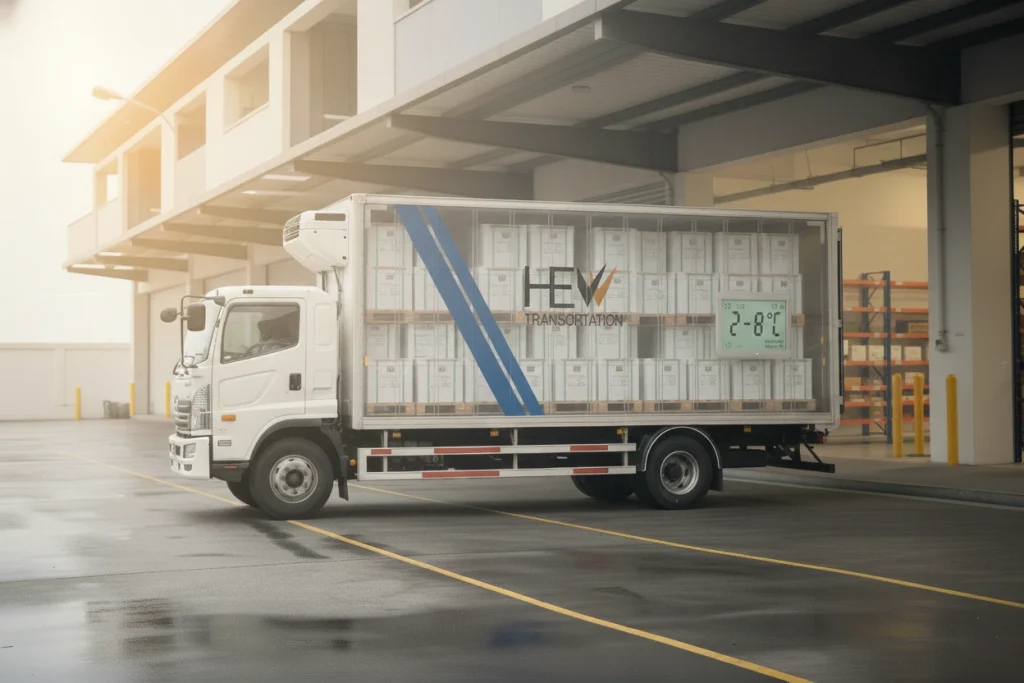
Real-World View: Last Mile Logistics in Dense Cities
In Singapore, last mile challenges are amplified by:
- High-rise residential buildings.
- Limited loading bays.
- Strict delivery timing rules.
- High delivery density per route.
We’ve learned that success here doesn’t come from moving faster. It comes from planning smarter.
Saving just 3–5 minutes per stop can change the outcome of an entire route. Over hundreds of deliveries, those minutes turn into real savings and fewer complaints.
How Experienced Operators Reduce Last Mile Challenges
While challenges in last mile logistics never disappear entirely, experienced operators manage them through consistency and review. Key practices include:
- Grouping deliveries by location, not order time.
- Matching vehicle size to actual load.
- Reviewing failed delivery reasons weekly.
- Training drivers on route familiarity, not just driving.
- Adjusting delivery windows based on real outcomes.
None of these are dramatic changes. But together, they stabilize operations.
Challenges in Last Mile Logistics vs Upstream Logistics
| Aspect | Upstream Logistics | Last Mile Logistics |
|---|---|---|
| Environment | Controlled | Unpredictable |
| Volume | Bulk | Fragmented |
| Automation | High | Limited |
| Customer Impact | Indirect | Direct |
| Error Tolerance | Higher | Very low |
This contrast explains why last mile issues feel louder than upstream problems.
How Businesses Can Start Fixing Last Mile Challenges
You don’t need a full system rebuild to see improvement. Start small:
- Audit failed deliveries from the last 30 days.
- Identify top 3 repeat problems.
- Adjust routes or windows accordingly.
- Communicate changes clearly to drivers.
- Review again after two weeks.
Most improvements come from iteration, not reinvention.
Conclusion: Managing Challenges in Last Mile Logistics Starts With Awareness
The challenges in last mile logistics aren’t signs of failure. They’re signals. They show where systems need adjustment before growth exposes weaknesses. At HEW Transportation, we work daily with last mile delivery, cold chain logistics, courier services, and van & lorry distribution across Singapore. Our focus is simple: reduce friction, stabilize costs, and make delivery dependable even when conditions aren’t perfect.
If your business is facing repeated delivery issues, it’s usually not one big problem. It’s many small ones adding up. We help businesses untangle those issues and build delivery systems that scale without breaking. Visit Last Mile Delivery to learn how our last mile solutions support sustainable, real-world logistics performance.
Pro Tips: If delivery problems only appear during peak seasons, your last mile system probably isn’t built for volume. Fixing it early is always cheaper than repairing customer trust later.
FAQs (Frequently Asked Questions)
What are the biggest challenges in last mile logistics?
Traffic congestion, failed deliveries, rising labor costs, poor route planning, and tight delivery windows are among the most common challenges.
Why is last mile logistics so expensive?
It involves labor, fuel, time pressure, and customer variability all at once, making costs harder to control than upstream logistics.
Do small businesses face the same last mile challenges?
Yes, often more intensely, because small inefficiencies have a larger impact on margins.
Can technology solve last mile logistics challenges?
Technology helps, but experience, planning discipline, and local knowledge matter just as much.
How often should last mile performance be reviewed?
Weekly reviews are ideal. Monthly reviews are often too slow to catch repeating issues.