Temperature excursions are one of those quiet problems in logistics. Nothing looks broken, the truck arrives on time, paperwork seems fine, yet the product inside is no longer usable. Best practices to prevent temperature excursions refer to the operational, technical, and human controls used to keep temperature-sensitive goods within their required range from origin to final delivery.
In cold chain logistics, especially for food, pharmaceuticals, and biotech products, even a short deviation can lead to spoilage, compliance issues, or full shipment rejection. And honestly, most temperature excursions don’t happen because of one big failure. They happen because of small, forgettable things stacking up.
Understanding the correct cold chain temperature ranges is the foundation of prevention. Different products tolerate different limits, and a lack of clarity here often leads to mistakes at later stages. HEW Transportation explains these requirements clearly in its guide on cold chain temperature ranges, which outlines standard chilled, frozen, and controlled ambient benchmarks used in real operations.
Why Temperature Excursions Still Happen
With all the sensors, GPS tracking, and smart dashboards available today, it’s easy to assume temperature excursions shouldn’t happen anymore. But they do, and fairly often.
Some common root causes include:
- Door openings during loading or inspections
- Incorrect pre-cooling of vehicles or containers
- Poor handover between logistics partners
- Human error during documentation or routing
- Equipment that technically works, but not consistently
A study often cited in pharmaceutical logistics reports shows that over 20% of cold chain losses are linked to handling errors, not equipment failure. That’s important because it means prevention is as much about people and process as it is about machines.
Core Best Practices to Prevent Temperature Excursions
Proper Temperature Mapping Before Shipment
Temperature mapping is often skipped or rushed, especially for short routes. That’s a mistake.
Temperature mapping helps identify:
- Hot and cold spots inside vehicles or containers
- Airflow issues caused by pallet placement
- Time needed to stabilize temperature before loading
Best practice: Conduct temperature mapping for each vehicle type and cargo configuration, not just once, but periodically. Things change over time, insulation wears out, seals loosen, airflow shifts.
Pre-Cooling Is Not Optional
One of the most common temperature excursion triggers is loading products into a vehicle that will reach the right temperature, but hasn’t yet.
Pre-cooling means:
- Turning on refrigeration units early
- Allowing internal air to stabilize
- Verifying temperature before loading begins
Skipping this step can cause temperature spikes in the first 30–60 minutes, which is often enough to damage sensitive goods.
Real-Time Temperature Monitoring
There’s a big difference between recording temperature and actively monitoring it.
| Monitoring Type | What It Does | Risk Level |
|---|---|---|
| Passive data logger | Records temp for later review | High |
| Real-time sensor | Alerts during deviation | Low |
| Integrated telematics | Alerts + location + action | Lowest |
Best practices to prevent temperature excursions rely on real-time visibility. If no one knows there’s a problem until delivery, it’s already too late.
Handling and Transfer Controls Matter More Than Distance
Loading and Unloading Discipline
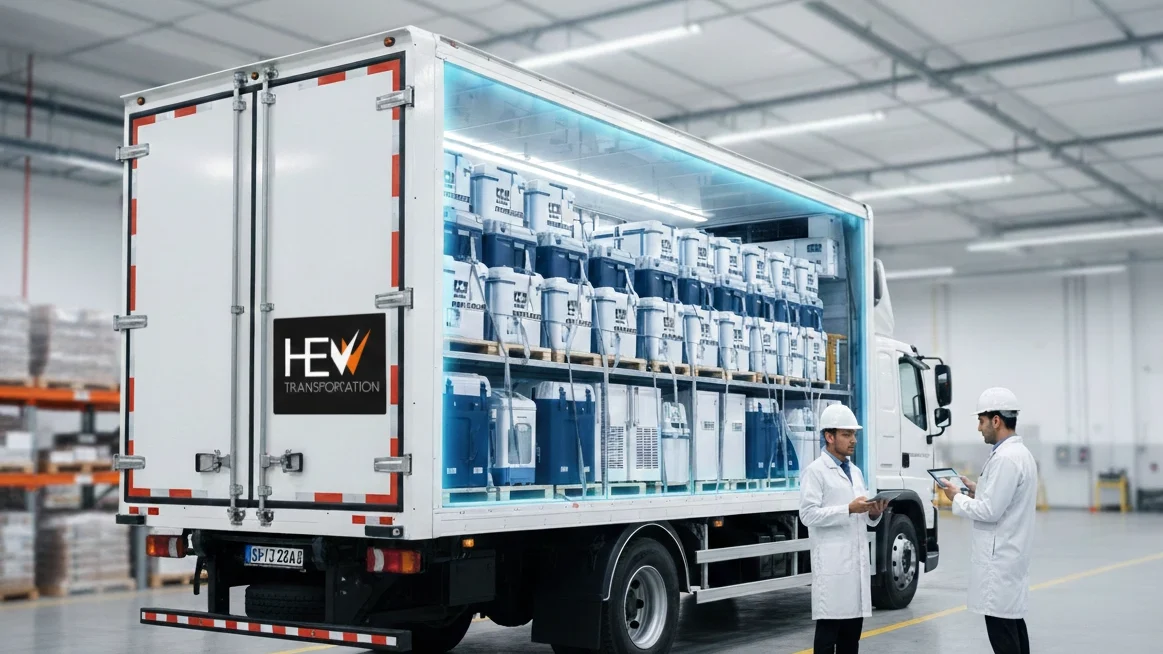
Most temperature excursions happen when the vehicle is not moving.
During loading and unloading:
- Doors stay open too long
- Pallets wait on the dock
- Staff rush and forget sequencing
Simple rules help a lot:
- Stage cargo only when vehicle is ready
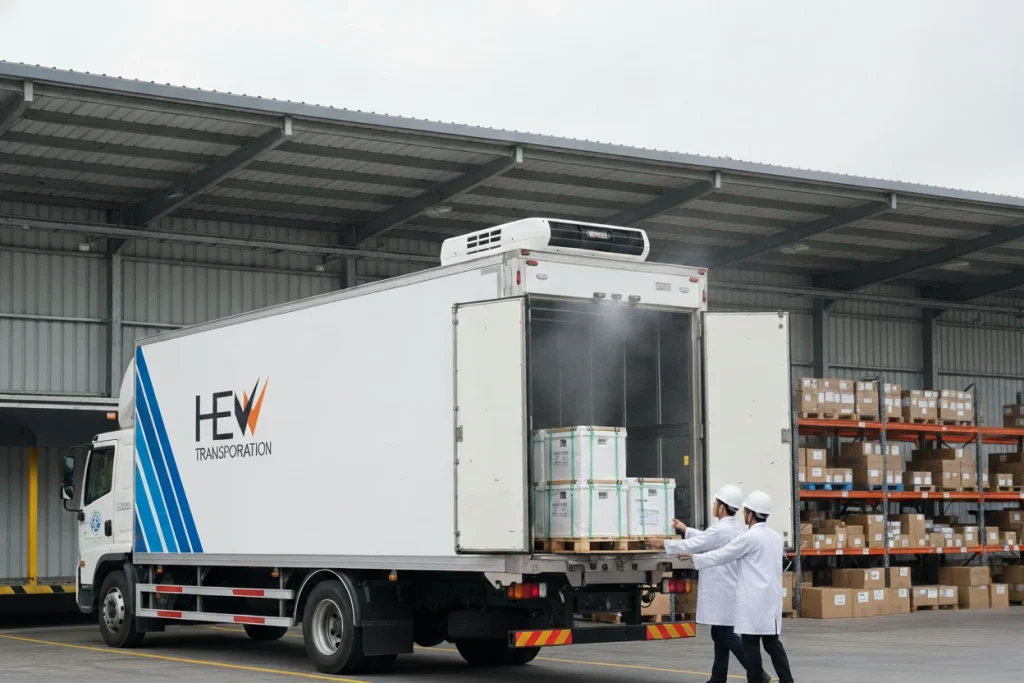
- Use dock shelters or insulated curtains
- Limit door-open time with clear SOPs
These sound basic, but they’re often ignored under pressure.
Route Planning With Temperature Risk in Mind
Route planning isn’t only about distance or fuel efficiency. For cold chain, it should consider:
- Traffic congestion patterns
- Time-of-day temperature exposure
- Checkpoints and inspections
- Backup cold storage locations
Shorter is not always safer if it means longer idle time in traffic or exposure at transfer points.
Training: The Most Overlooked Best Practice
You can invest in the best equipment in the world, but if the driver doesn’t understand why temperature matters, excursions will still happen.
Effective cold chain training covers:
- Why specific temperature ranges exist
- What happens during short deviations
- How to react when alarms trigger
- When to escalate instead of “wait and see”
Companies with regular refresher training programs consistently report fewer incidents, even with older equipment.
Documentation and Compliance as a Prevention Tool
Documentation isn’t just for audits. It’s a control mechanism.
Key documents that support prevention:
- Pre-trip inspection records
- Temperature verification logs
- Chain-of-custody forms
- Deviation response reports
When people know actions are documented and reviewed, behavior changes, usually for the better.
Case Snapshot: Reducing Excursions Through Process Change
A regional cold chain operator handling chilled food deliveries implemented three changes:
- Mandatory pre-cooling checklist
- Door-open time limits during loading
- Real-time alerts sent to both driver and control team
Result after 6 months:
- 38% reduction in reported temperature excursions
- Fewer rejected deliveries
- Better customer trust and retention
Technology helped, yes. But process and discipline did most of the work.
Conclusion: Turning Best Practices Into Daily Habits
Preventing temperature excursions isn’t about one perfect system. It’s about consistent habits, clear responsibility, and knowing that small mistakes add up faster than people expect.
At Hew Transportation, cold chain logistics is not treated as just another delivery service. It’s a specialized operation built around temperature discipline, trained personnel, real-time monitoring, and proven handling workflows. Our experience across chilled and frozen transport has shown that prevention always costs less than recovery.
If your business depends on temperature-sensitive deliveries, working with a logistics partner that understands and applies these best practices to prevent temperature excursions can make a real difference, not just in compliance, but in trust.
Pro Tips Before You Go
- Always verify temperature before loading, not after
- Train people more often than you upgrade equipment
- Treat every handover as a risk point
- Use alerts that demand action, not just data
- Review excursion reports even when losses didn’t happen
Sometimes, the best prevention is simply paying attention, every single time.
FAQs (Frequently Asked Questions)
What is the most common cause of temperature excursions?
Human handling errors during loading, unloading, and transfer are more common than equipment failure.
How long does a temperature excursion need to cause damage?
Sometimes just minutes, especially for pharmaceuticals or frozen goods close to their threshold.
Are real-time monitors necessary for short deliveries?
Yes. Short routes can still face traffic delays, inspections, or unexpected stops.
Can insulation alone prevent temperature excursions?
No. Insulation slows change but does not actively control temperature.
Who is responsible when an excursion happens?
Responsibility usually spans multiple parties, shipper, carrier, and handler, which is why clear SOPs matter.