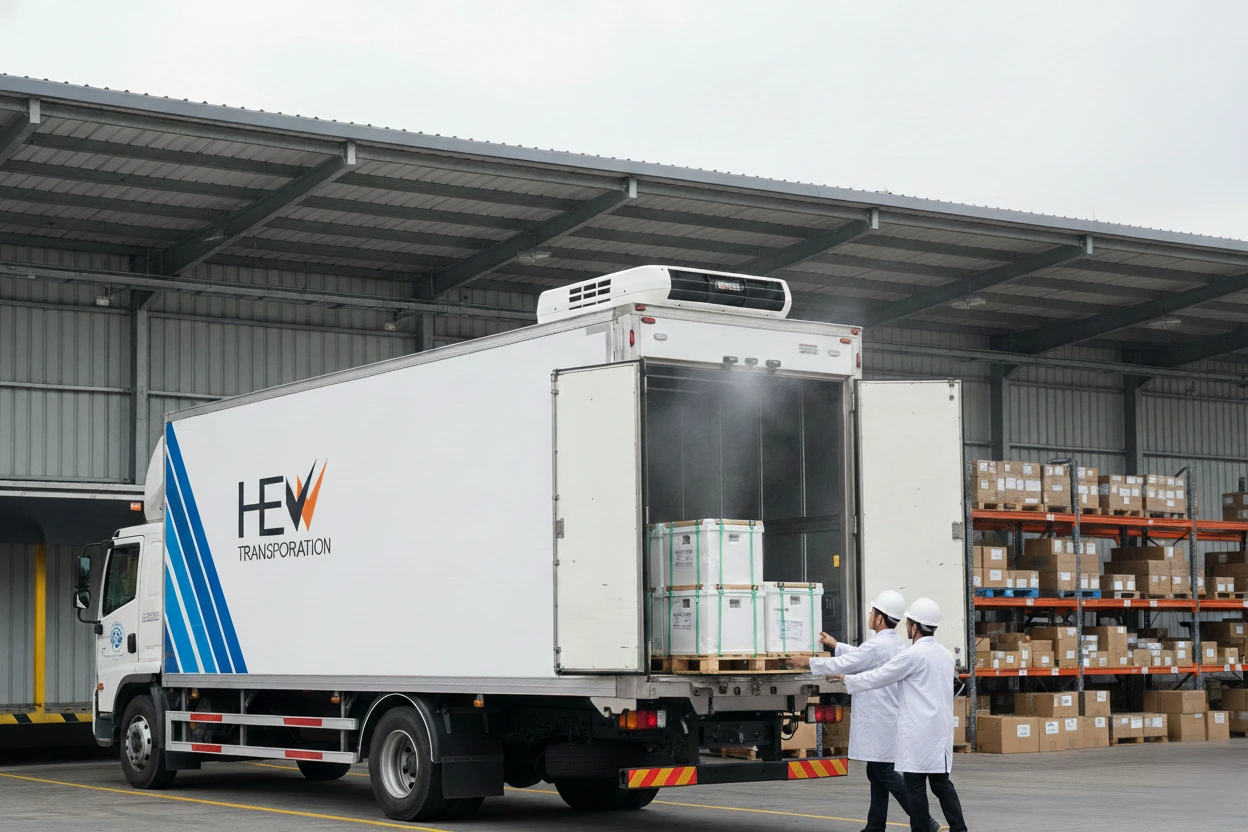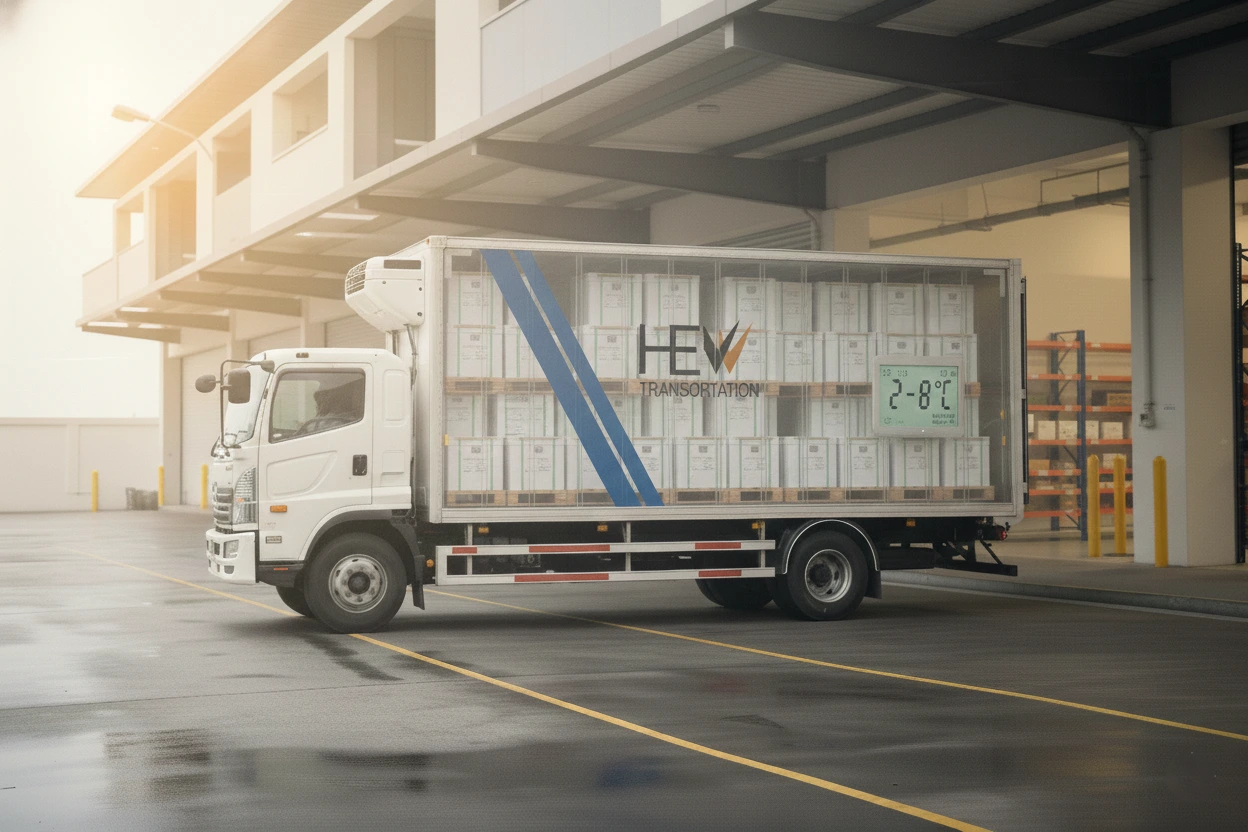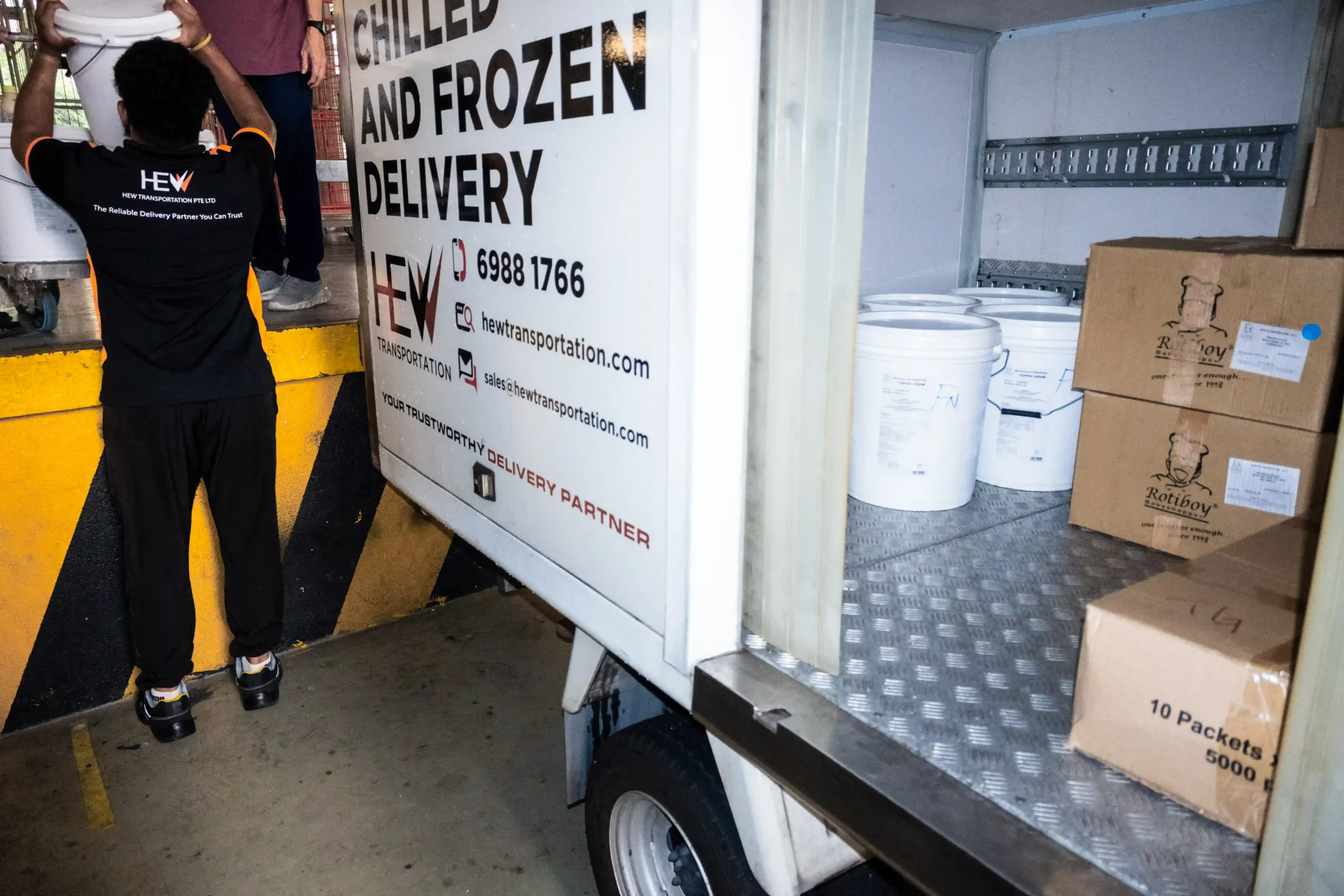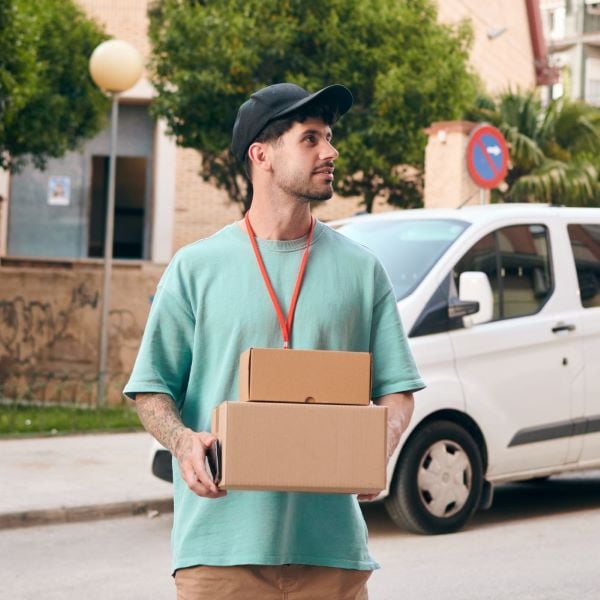
You know that satisfying moment when your package finally shows up at your door? That’s the magic of last-mile delivery — the final leg of the supply chain that connects distribution hubs to customers. It might sound simple, but this “last mile” is actually the most expensive, complex, and time-sensitive part of logistics.
What Is Last-Mile Delivery?
Last-mile delivery refers to the final step in the delivery process, where goods are transported from a warehouse or local distribution center to the end consumer. It’s literally the “final frontier” of logistics — where speed, accuracy, and customer satisfaction all collide.
Whether it’s an online shopping order, groceries, or a food delivery, last-mile logistics focuses on getting things to customers as fast, cheap, and reliably as possible.
Why It’s So Challenging
Last-mile delivery is a logistical nightmare sometimes. Companies face:
- Traffic congestion in urban areas
- Unpredictable delivery locations (like apartments or rural zones)
- High delivery costs per package
- Rising customer expectations for same-day or even one-hour delivery
This is why last-mile logistics can eat up over 50% of total shipping costs — it’s the most resource-intensive stage of the process.
The Tech Behind the Speed
To overcome these challenges, logistics players are diving deep into tech. Some key innovations include:
- Route optimization software to find the fastest paths and cut fuel use
- GPS and IoT tracking for real-time delivery updates
- AI-powered demand forecasting to plan efficient routes ahead
- Electric vehicles (EVs) and drones for sustainable and faster deliveries
- Smart lockers and pickup points to reduce failed deliveries
These tools don’t just make the process faster — they make it smarter and greener.
The Rise of On-Demand Culture
Thanks to e-commerce giants and food delivery apps, people now expect their stuff yesterday. This “instant gratification” mindset has completely changed how companies plan logistics. Flexibility, transparency, and communication are now as important as speed itself.
If a customer can’t track their order in real time, they already feel disconnected — even if the package is technically on schedule.
Future of Last-Mile Delivery
The future looks wild. We’re talking autonomous delivery vehicles, AI-based customer prediction, and micro-fulfillment centers set up closer to urban areas to reduce delivery time. As sustainability becomes a priority, companies are also rethinking packaging, using EV fleets, and finding ways to minimize carbon emissions.
Final Thoughts
Last-mile delivery might be the smallest piece of the logistics puzzle, but it’s the one customers remember most. It’s where brand promises meet reality — where tech, logistics, and human patience all have to sync perfectly.
The companies that master it? They’re not just fast; they’re redefining convenience itself.