The Importance of Last Mile Delivery (Definition & Complete Overview)
The importance of last mile delivery refers to the value and impact of the final stage of the shipping process, when goods travel from a distribution center to the customer’s doorstep. This stage represents the most crucial, most expensive, and most customer-facing part of the entire logistics chain. Although it covers the shortest distance, last mile delivery can determine customer satisfaction, brand trust, delivery success, and overall logistics efficiency.
Last mile delivery includes courier services, e-commerce shipping, food delivery, grocery fulfillment, pharmaceutical distribution, and any service where goods must reach the end consumer quickly and safely. To understand the fundamentals of how it works, you can explore the foundational concept here: what is last mile delivery
Why Last Mile Delivery Matters in Today’s Economy
1. Direct Impact on Customer Satisfaction
Customers judge a brand based on their delivery experience. Even if the product quality is excellent, a late or failed delivery results in bad reviews and lost trust.
Key factors influencing satisfaction:
- Delivery speed
- Real-time tracking updates
- Smooth communication
- Safe handling and packaging
- Reliable delivery windows
2. The Most Expensive Part of the Supply Chain
Research shows the last mile can account for over 50% of total shipping costs.
Cost drivers include:
- Fuel consumption
- Failed delivery attempts
- Inefficient routes
- Traffic and urban congestion
- Labor and driver expenses
3. Essential for E-Commerce Growth
With the rise of same-day and next-day delivery, the last mile determines how competitive an online business can be. Marketplace giants like Amazon, Shopee, and Alibaba prioritize last-mile efficiency to capture customer loyalty.
4. Reduces Product Returns
Optimized last mile processes minimize:
- Damaged goods
- Wrong item deliveries
- Failed drop-offs
- Customer dissatisfaction, this reduces reverse logistics costs, one of the most expensive parts of supply chains.
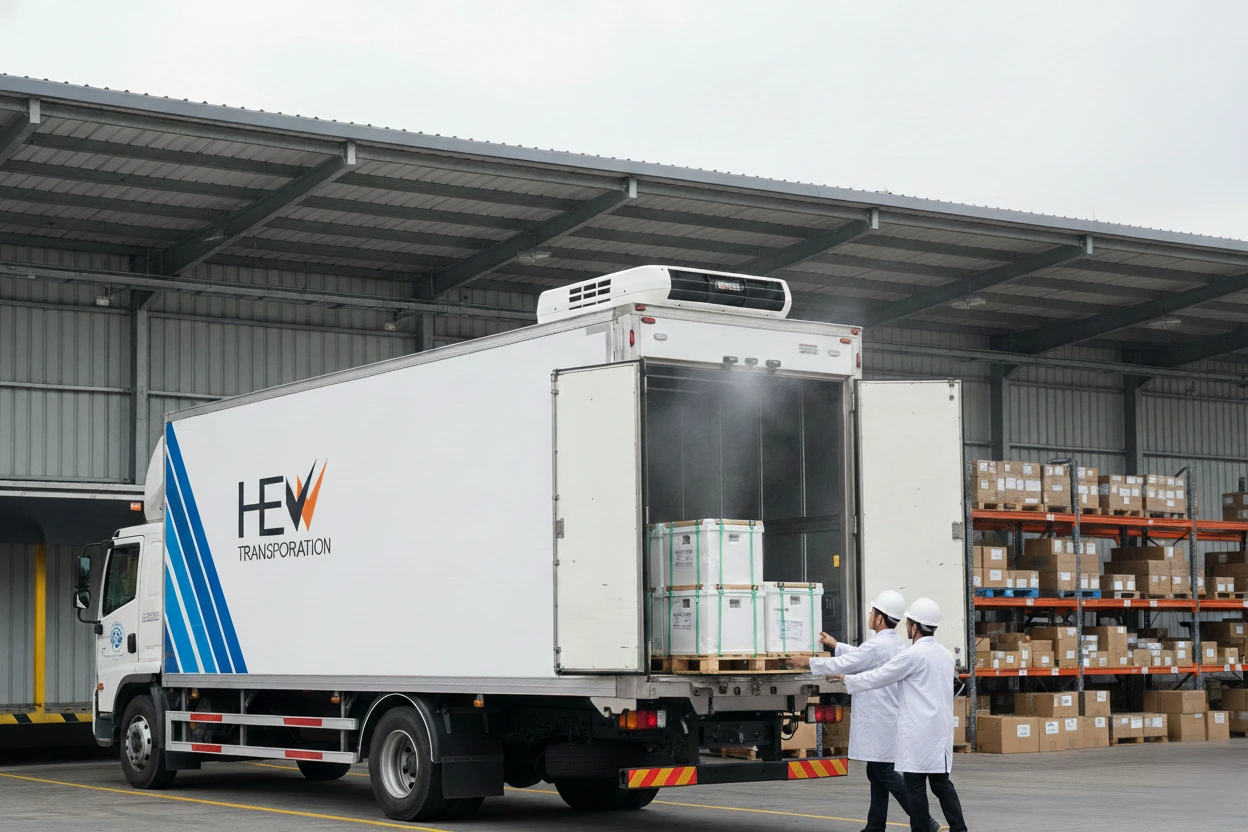
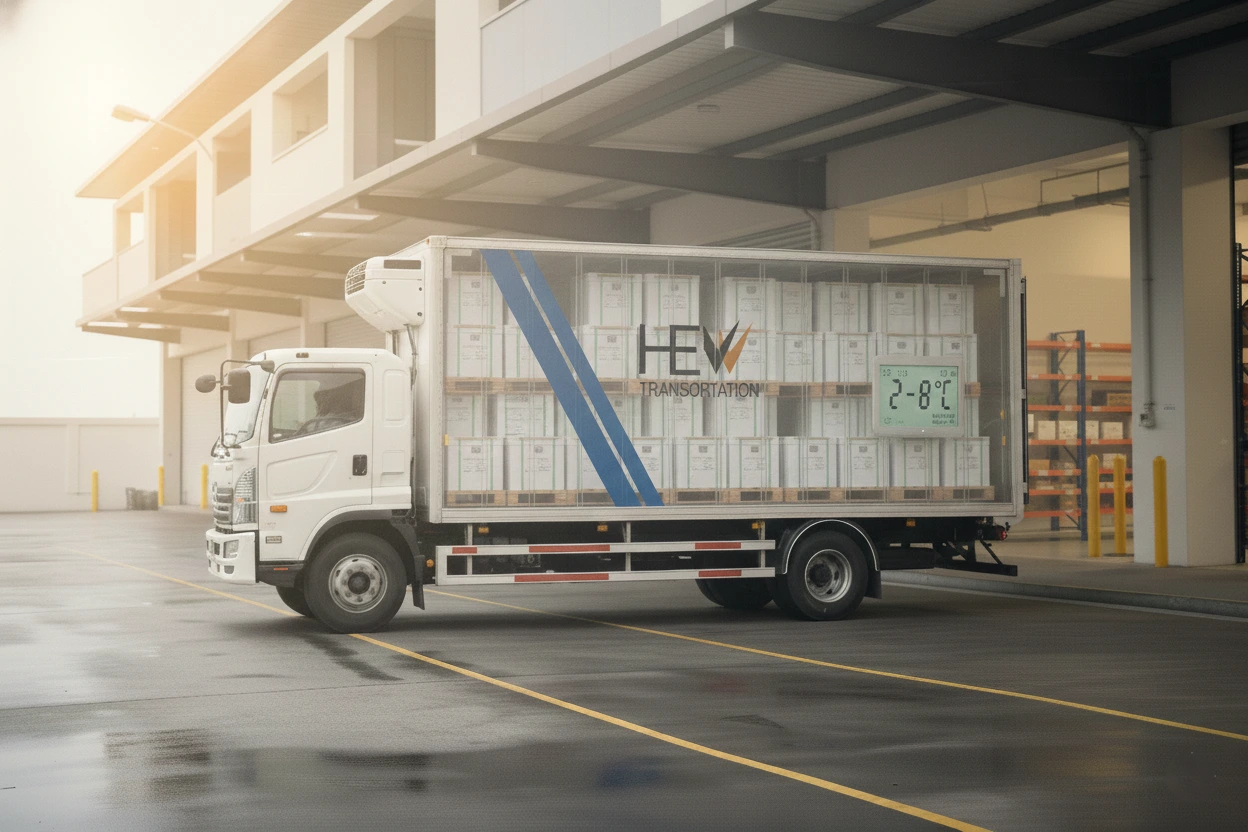
5. Supports Time-Sensitive and Temperature-Sensitive Deliveries
Industries such as pharmaceuticals, cold chain, groceries, and meal delivery rely heavily on stable and efficient last-mile operations. A minor delay can result in:
- Product spoilage
- Loss of potency (for vaccines/medicine)
- Customer complaints
- Failed compliance standards
Key Components That Influence Last Mile Delivery Performance
1. Delivery Routing & Optimization
Route optimization does more than shorten travel time, it also reduces fuel consumption, lowers operational costs, and minimizes unnecessary stops. Advanced routing systems can automatically adjust based on traffic changes, accidents, or weather conditions, ensuring faster and more reliable deliveries.
2. Real-Time Tracking Systems
Real-time tracking benefits both customers and logistics teams. It provides visibility into location, estimated arrival times, and potential delays. For businesses, it helps prevent failed deliveries, improves issue response time, and reduces the cost of rescheduling or re-delivering parcels.
3. Delivery Personnel & Skill Quality
Skilled delivery personnel directly influence overall service quality. Properly trained drivers know how to handle packages safely, communicate professionally with customers, and navigate routes efficiently. High-quality personnel help maintain delivery accuracy and enhance customer experience.
4. Warehousing & Micro-Fulfillment Centers
Strategically positioned warehouses and micro-fulfillment centers shorten delivery distances and accelerate last-mile processes. These hubs allow businesses to store inventory closer to customers, enabling same-day or next-day delivery and reducing shipping bottlenecks.
5. Technology and Automation
Modern logistics incorporate:
- Route optimization software
- Smart lockers
- Drones
- Automated sorting
- Electronic proof of delivery (e-POD)
Actionable Steps to Improve Last Mile Delivery
1. Implement Real-Time Delivery Visibility
Providing live tracking allows customers to see exactly where their order is and when it will arrive. This reduces customer inquiries, builds trust, and improves overall satisfaction.
2. Use Route Optimization Tools
Route optimization software finds the fastest and most efficient delivery paths. This helps companies reduce fuel consumption, cut delivery time, and lower operational costs.
3. Add Multiple Delivery Options
Offering choices like same-day, next-day, scheduled delivery, and pick-up points gives customers more flexibility. This increases convenience and can significantly improve conversion rates and customer loyalty.
4. Strengthen Driver Training Programs
Well-trained drivers handle packages safely, communicate professionally, and follow delivery protocols. This leads to fewer delivery errors and a better customer experience.
5. Use Micro-Fulfillment Centers (MFCs)
Setting up small fulfillment centers close to customer locations shortens the delivery distance. This enables faster delivery, reduces last-mile costs, and improves efficiency.
Statistics That Highlight the Importance of Last Mile Delivery
| Key Metric | Industry Insight |
|---|---|
| 53% of shipping costs | Come from last mile operations |
| 70% of customers | Choose brands based on delivery experience |
| 41% of shoppers | Are willing to pay extra for same-day delivery |
| 1 in 3 returns | Caused by delivery issues, not product defects |

Conclusion: Strengthen Your Last Mile Delivery With a Trusted Partner
Understanding the importance of last mile delivery is essential for any business looking to stay competitive, reduce operational costs, and deliver a superior customer experience. From routing optimizations to real-time tracking and micro-fulfillment centers, every improvement in the last mile leads to stronger brand loyalty and customer trust. If your business needs reliable, fast, and professional last-mile delivery solutions, visit our website or explore our services to learn how we can support your logistics operations.
FAQs (Frequently Asked Questions)
Why is last mile delivery so important?
Because it is the final touchpoint with customers and directly influences satisfaction, speed, and brand trust.
Which industries rely most on last mile delivery?
E-commerce, food delivery, grocery fulfillment, healthcare, and cold chain logistics.
What makes last mile delivery expensive?
Driver labor, fuel, route inefficiencies, and failed delivery attempts.
How can businesses improve last mile delivery performance?
By using route optimization tools, automation, tracking systems, and trained drivers.
Why does last mile delivery impact brand loyalty?
A positive delivery experience builds trust, while delays or poor service result in negative reviews.