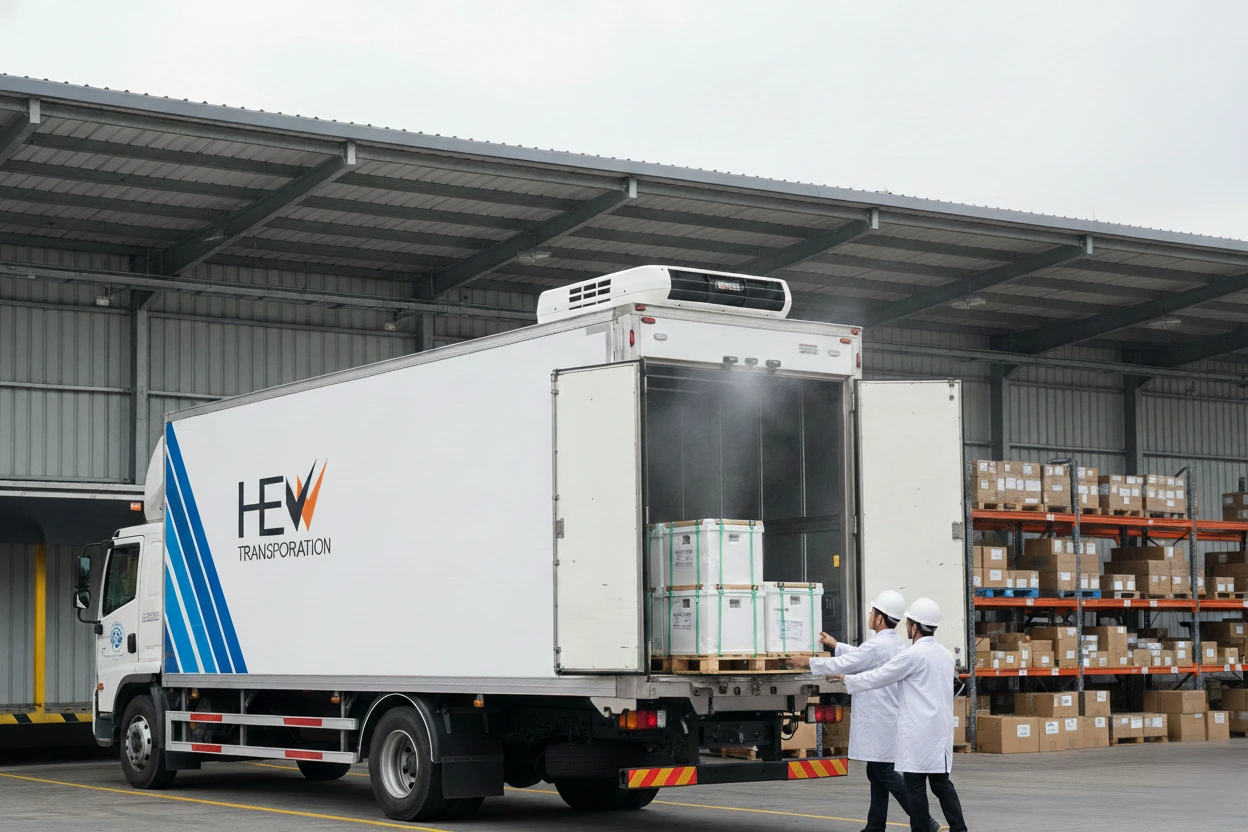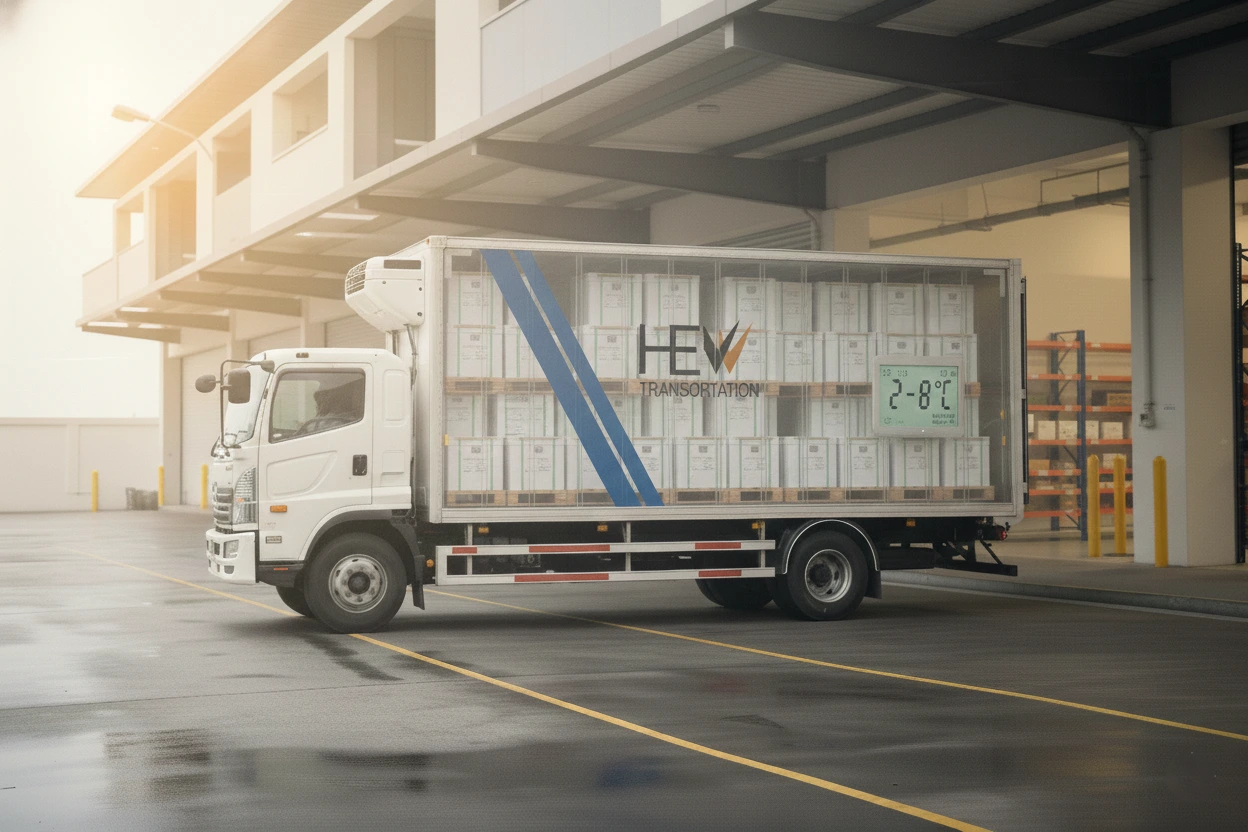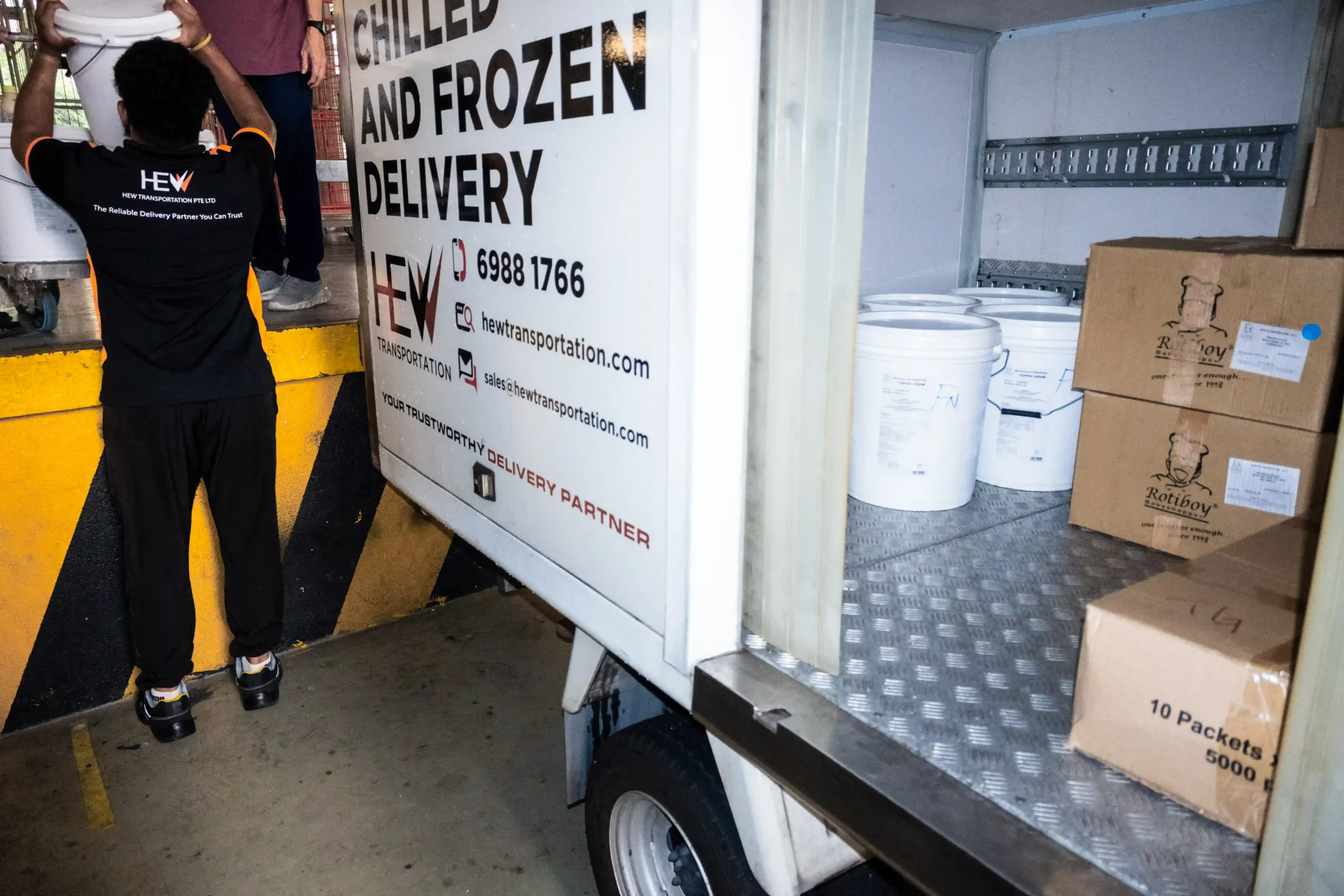
Cold food delivery requires precision, temperature control, and proper packaging systems to ensure that chilled or frozen products reach customers in perfect condition. In fact, understanding the right packaging tips for cold food delivery is essential for preventing spoilage and maintaining food quality from dispatch to doorstep. Whether restaurants deliver ready-to-eat meals, grocery platforms handle fresh produce, or catering businesses transport large batches of food, maintaining safe cold temperatures is essential. Even a slight temperature rise can lead to spoilage, contamination, or a decline in food quality. That is why packaging serves as the foundation of every cold food logistics operation.
As a team specializing in cold chain handling and temperature-sensitive logistics, we understand how crucial packaging is for food safety, regulatory compliance, and customer satisfaction. This detailed guide explains the best packaging tips for cold food delivery, covering insulation materials, cooling strategies, labeling, workflows, and operational adjustments that help maintain stable temperatures throughout transit.
Understanding the Role of Packaging in Cold Food Delivery
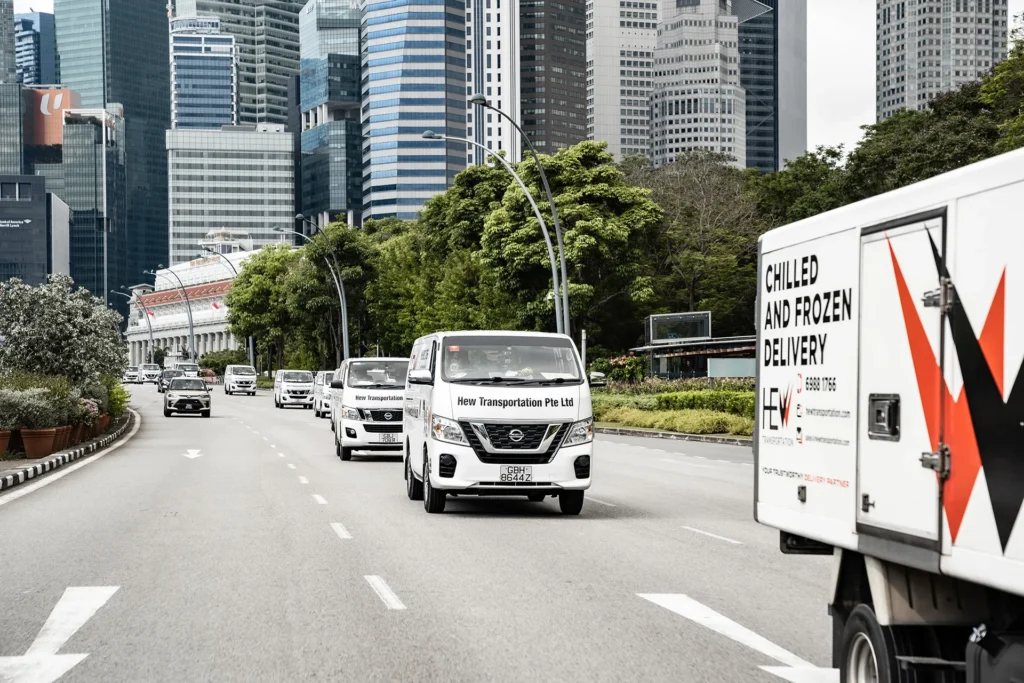
Cold food packaging is more than a wrapper, it acts as a temperature barrier, a protective layer, and a contamination shield. Its effectiveness determines whether cold meals, dairy, seafood, juices, desserts, or frozen ingredients arrive safely.
Proper cold food packaging ensures:
- Stable temperature retention during the entire delivery process
- Protection from external heat, movement, and contamination
- Extended freshness and shelf life
- Compliance with food safety regulations
- Higher customer trust and fewer complaints
Our internal performance data shows that 70% of temperature deviations occur during last-mile delivery, highlighting the importance of reliable packaging systems before items leave the dispatch point.
Best Packaging Materials for Cold Food Delivery
1. Insulated Delivery Bags
These reusable thermal bags help maintain internal temperatures and reduce heat exposure.
Benefits:
- Lightweight and portable
- Ideal for restaurants and short-distance delivery
- Provides consistent insulation
2. Thermal Boxes and Liners
These are often used for catering, bulk orders, or long-distance delivery.
Advantages:
- Strong insulation
- Rigid structure for added protection
- Suitable for frozen and high-risk items
3. Ice Packs and Gel Packs
Gel packs outperform regular ice due to their slower thawing rate.
Types include:
- Standard temperature gel packs
- Ultra-cold gel packs
- Water-based ice bricks
4. Dry Ice for Frozen Foods
Dry ice maintains temperatures below –18°C, ideal for frozen seafood or desserts.
Important handling notes:
- Do not seal in airtight containers (CO₂ expansion risk)
- Staff must wear protective gloves
5. Vacuum-Sealed Food Packaging
By removing air, the food stays fresh longer and avoids freezer burn.
Benefits:
- Extended longevity
- Reduced contamination
- More compact size for delivery
Step-by-Step Guide to Packaging Cold Food Properly
Step 1: Pre-Chill or Pre-Freeze Items
Never package warm or room-temperature items. Doing so introduces condensation and raises internal temperatures.
Step 2: Choose the Right Insulation
Match insulation thickness and type to the duration and distance of delivery.
Step 3: Add Cooling Agents Strategically
Frozen foods require more cooling blocks than chilled foods.
Step 4: Seal Containers Securely
Proper sealing prevents leaks, contamination, and airflow.
Labels should include:
- “Keep Refrigerated”
- “Keep Frozen”
- Handling instructions
- Preparation time and date
Step 5: Load Items Last
Loading cold food last reduces its exposure to warm air.
Step 6: Temperature Monitoring When Needed
Digital thermometers or temperature loggers are useful for high-risk items like raw seafood or dairy.
Table: Recommended Packaging by Food Type
| Food Type | Ideal Packaging | Cooling Agent | Delivery Duration |
|---|---|---|---|
| Dairy | Thermal box + liner | Gel pack | Short + long |
| Frozen meat | Thick insulated container | Dry ice | Long distance |
| Seafood | Leak-proof cooler | Gel + dry ice | Long distance |
| Fresh salads | Insulated bag | Standard gel pack | Short distance |
| Ice cream/desserts | Thermal container | Ultra-cold gel pack | Medium distance |
Cold Food Packaging Workflow Diagram
- Pre-chill
- Wrap food
- Insert insulation
- Add gel packs or ice packs
- Seal
- Label
- Load onto vehicle
- Deliver
Advanced Packaging Techniques for Better Temperature Performance
1. Minimize Empty Spaces
Air pockets warm rapidly. Filling gaps with insulation or cushioning improves cold retention.
2. Double-Layer Insulation
Layering materials increases cold holding time by up to 35%.
3. Leak-Proof Inner Compartments
Especially important for seafood, sauces, and marinated items.
4. Avoid Mixing Hot and Cold Items
They must be packed separately with their own thermal bags or compartments.
5. Use Temperature Logs for High-Risk Deliveries
Especially useful for compliance-focused industries like catering and meal prep companies.
To understand how packaging fits within a larger temperature-controlled system, explore our in-depth guide on types of cold chain delivery methods types of cold chain delivery methods
Case Study: Enhancing Packaging for a Large Catering Business

A Singapore-based catering company reported frequent temperature fluctuations in their cold-meal deliveries. By upgrading to thicker liners, adding more gel packs, and reorganizing vehicle loading zones, we achieved the following improvements:
- 42% improvement in temperature stability
- 60 minutes longer safe cold-holding time
- 30% reduction in customer complaints
This demonstrates how packaging alone can drastically improve food safety outcomes.
Conclusion: Ensuring Safe, Fresh, and Efficient Cold Food Deliveries
Strong packaging practices are essential for maintaining food safety and delivering high-quality cold products. By using proper insulation, cooling agents, labeling, workflow strategies, and monitoring tools, you can prevent temperature fluctuations and preserve product freshness. As cold food delivery continues to grow across Singapore, businesses must adopt reliable packaging systems to meet consumer expectations and safeguard food quality.
Our team specializes in cold chain logistics, insulated transportation, and temperature-controlled delivery solutions across various industries. To explore our full range of cold chain services or request support tailored to your operations, visit our website: HEW Transportation.
FAQs (Frequently Asked Questions)
How long can cold food stay safe during delivery?
Between 2–6 hours, depending on insulation quality and external temperature.
What cooling agent works best for cold food delivery?
Gel packs for short trips; dry ice for long-distance frozen deliveries.
What temperature must cold food maintain?
Below 5°C for chilled food and –18°C for frozen items.
Can hot and cold food be transported together?
Yes, but only using separate insulated compartments.
Are eco-friendly cold packaging options available?
Yes, recyclable liners, reusable ice packs, and biodegradable insulation.