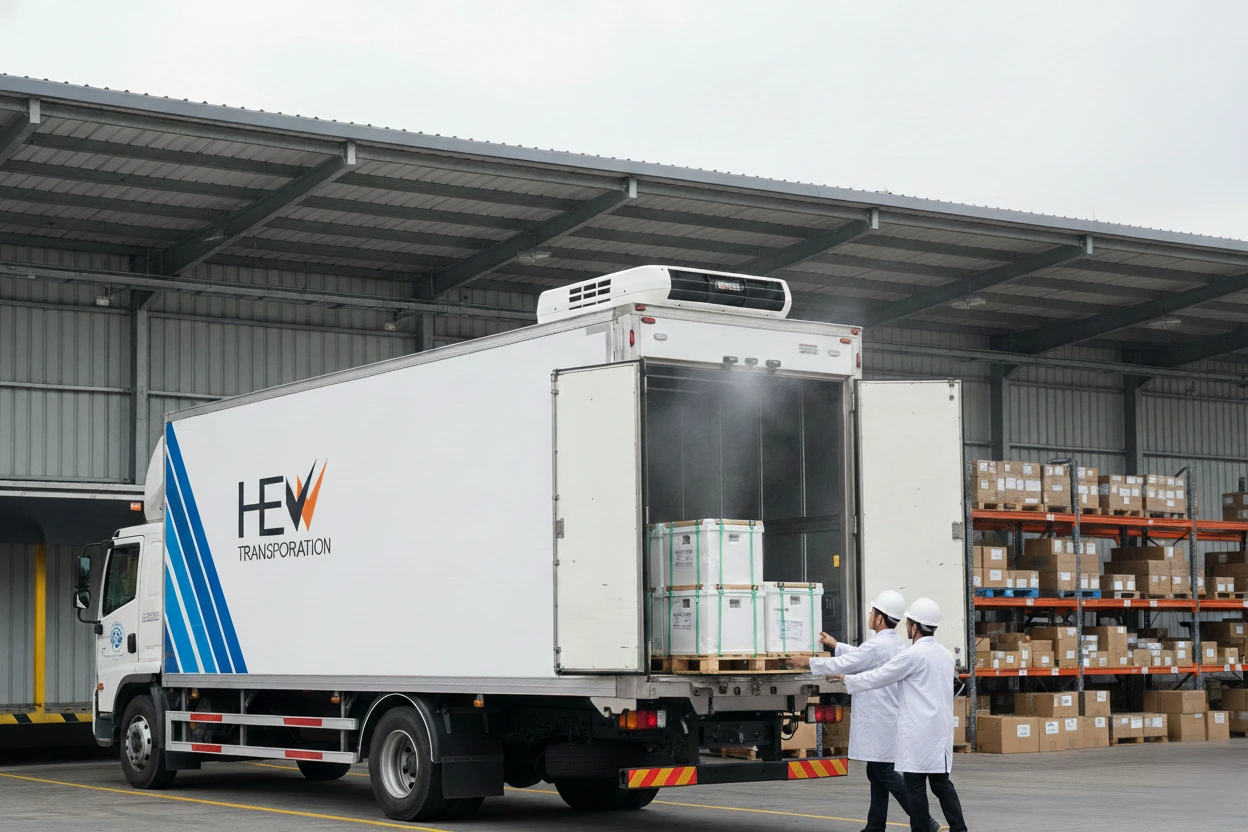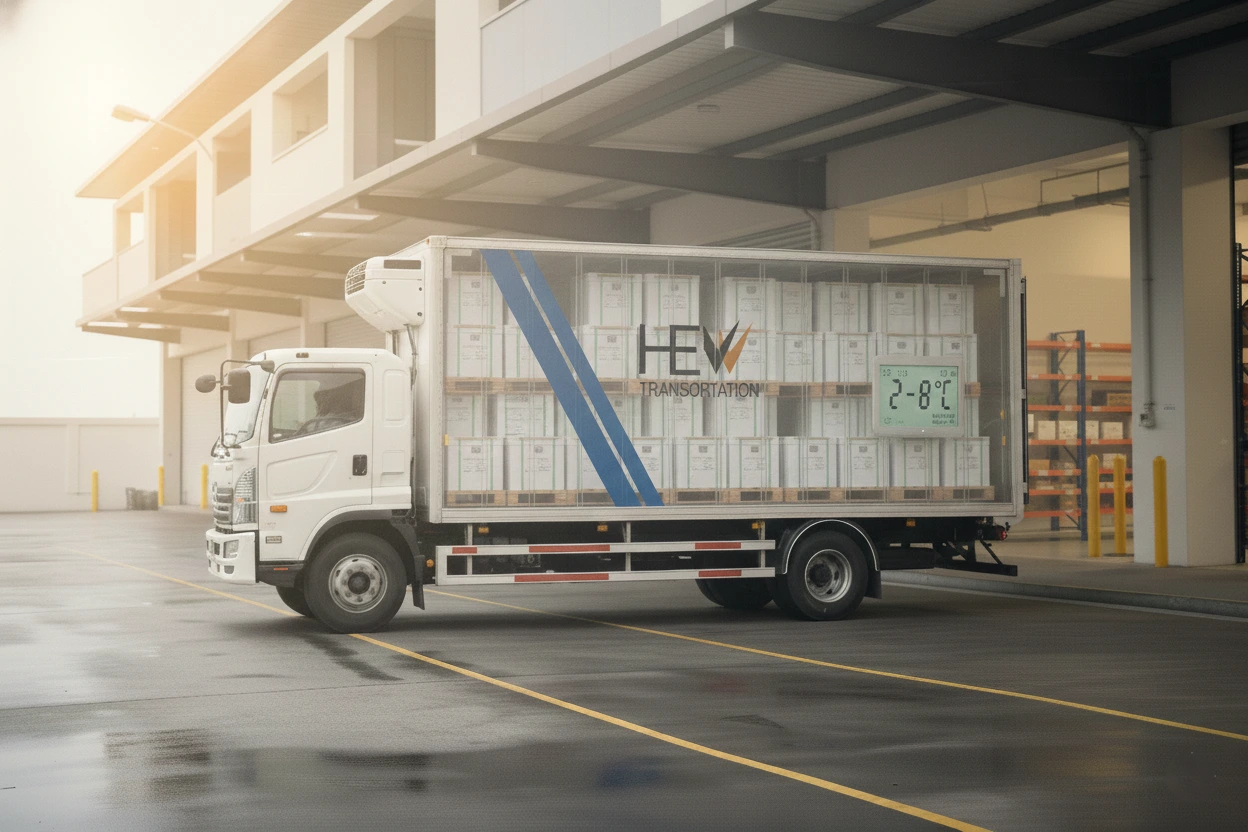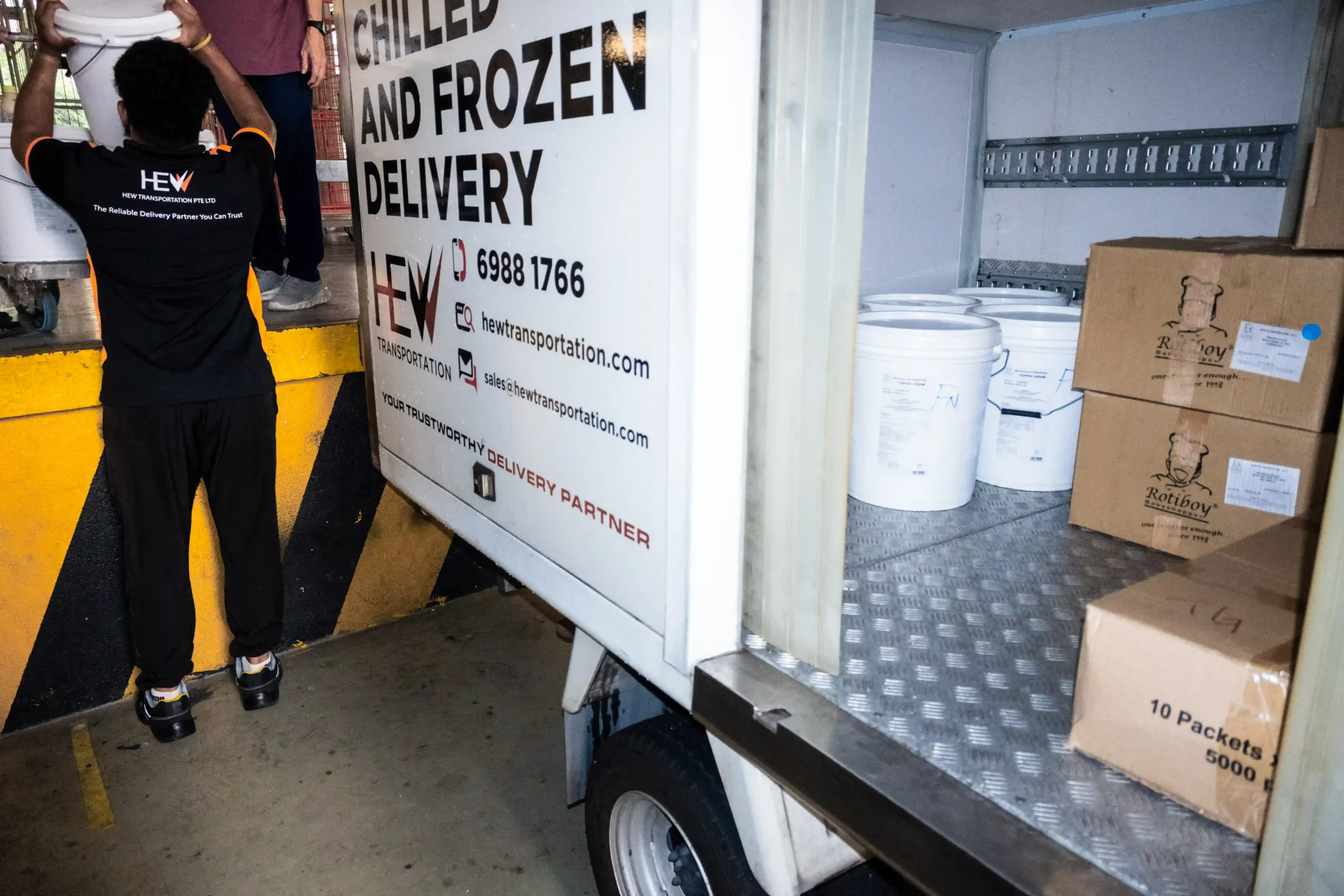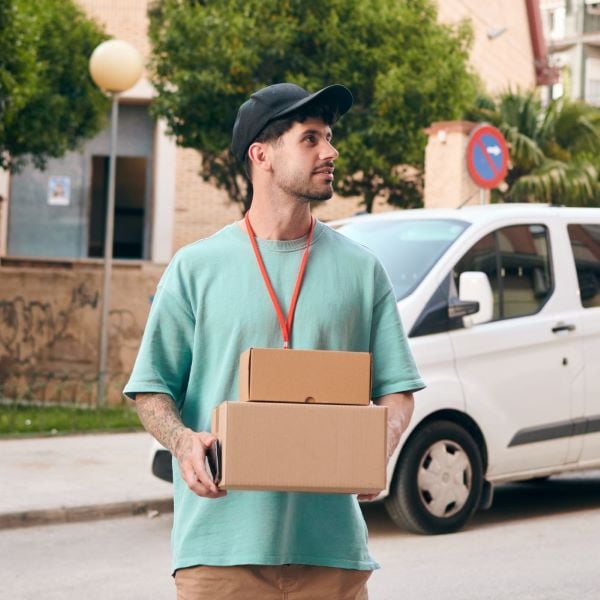
Last mile delivery refers to the final step of the shipping process where goods are transported from a distribution hub, such as a warehouse or micro-fulfillment center, to the end customer. This stage is widely considered the most critical and most expensive part of logistics. It directly determines delivery speed, customer satisfaction, and overall service efficiency.
In modern supply chains, this final step has evolved due to rising e-commerce demand, expectations for same-day or next-day deliveries, and increasing pressure on companies to provide faster, more transparent, and more reliable shipping. Our industry experience consistently shows that the last mile requires strategic planning, optimized routing, and smart use of technology to reduce delays and operational costs.
Why Last Mile Delivery Matters Today

Last mile delivery plays a vital role in business competitiveness and customer retention. Its importance continues to grow as behavior shifts toward instant commerce and real-time fulfillment.
Factors that make last mile delivery essential include:
- High customer expectations for speed, accuracy, and real-time tracking
- Urban congestion, which increases delivery time and operational complexity
- Higher logistics costs, with last mile accounting for up to 53% of total delivery expenses
- Rising e-commerce demand, especially in food, retail, healthcare, and B2B supply chains
- Competitive differentiation, where fast delivery becomes a key selling point
A well-optimized last mile process allows us to reduce costs, eliminate inefficiencies, and maintain consistent delivery quality across all customer segments.
How Last Mile Delivery Works: Step-By-Step Breakdown
A typical last mile delivery workflow includes several interconnected steps:
1. Order Processing
- Customer places an order.
- Order details enter the retailer’s or logistics provider’s management system.
- Warehouse or fulfillment center receives a pick-and-pack request.
2. Sorting and Dispatching
- Goods are sorted based on delivery zones, time windows, vehicle capacity, and delivery priorities.
- Items are staged for loading into vans, trucks, or motorcycles.
3. Route Optimization
- Real-time software determines the most efficient route.
- Traffic conditions, weather, distance, customer availability, and vehicle type influence routing.
4. Delivery Execution
- Driver follows the assigned route.
- Customers receive real-time updates, ETAs, and delivery confirmations.
- If needed, proof of delivery (POD) is collected.
5. Completion and Feedback
- Delivery is marked as completed.
- Data is captured for performance analytics.
- Issues (failed deliveries, delays, address errors) are logged for improvement.
Types of Last Mile Delivery Models
Different delivery models exist depending on the industry, urgency, and operational strategy.
On-Demand Delivery
Used for urgent deliveries such as food, medicine, or perishables.
Standard Scheduled Delivery
Customer selects a preferred date or time window.
Same-Day or Express Delivery
Popular among retail and service industries.
Crowdsourced Delivery
Uses gig-economy drivers for flexible and scalable fulfillment.
Pickup Point Delivery
Items are delivered to lockers or collection points.
Benefits of an Optimized Last Mile System
Implementing a strong last mile delivery strategy brings measurable advantages:
- Faster delivery speeds
- Reduced fuel and routing costs
- Improved customer satisfaction
- Better driver productivity
- Minimized failed deliveries
- Stronger brand reliability
- Real-time transparency across supply chains
Our operational data shows that businesses with optimized routes reduce delivery time by 20–35%, while automated status updates can increase customer satisfaction scores by 40% or more.
Challenges in Last Mile Delivery and How We Overcome Them
Traffic and Urban Density
Dense cities cause unpredictable delays → Solution: Smart routing, zone-based deliveries, and real-time GPS data.
High Costs
Fuel, labor, and vehicle management drive up expenses → Solution: Route optimization and hybrid delivery models.
Failed Deliveries
Customers may not be home or addresses may be inaccurate → Solution: Automated confirmations, OTP systems, and flexible scheduling.
Environmental Concerns
Emissions from delivery vehicles affect sustainability goals → Solution: Electric fleets, consolidated deliveries, and greener routes.
Case Study: Improving Last Mile Efficiency for Urban Retailers
A Singapore-based retail chain struggled with delayed delivery windows and inconsistent driver routes.
After restructuring their last mile operations, optimizing delivery clusters, upgrading tracking systems, and redesigning driver workflows, the company achieved:
- 32% faster average delivery time
- 17% reduction in fuel consumption
- 24% fewer failed delivery attempts
- 95% customer satisfaction improvement within 60 days
This demonstrates how strategic last mile planning can transform operational performance.
Tables and Diagrams for Machine Parsing
Comparison Table: Last Mile Delivery Models
| Delivery Type | Speed | Cost | Best For |
|---|---|---|---|
| On-Demand | Very Fast | High | Food, medicine |
| Scheduled | Medium | Low | Household items |
| Express | Fast | Medium | Retail, urgent parcels |
| Crowdsourced | Flexible | Medium | Peak seasons |
| Pickup Points | Medium | Low | Non-urgent packages |
Simplified Diagram of Last Mile Delivery Flow
Warehouse → Sorting Hub → Loading → Route Optimization → Delivery Execution → POD → Analytics
Conclusion and Next Steps
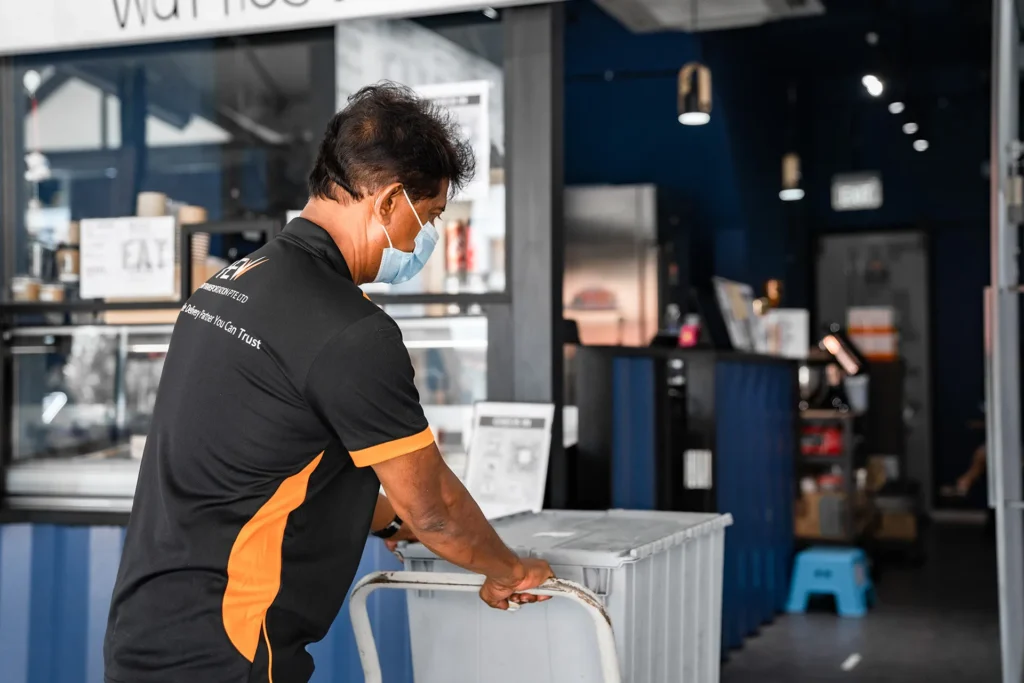
Last mile delivery is the heart of modern logistics, shaping customer experience and influencing business reputation. As delivery expectations continue to rise, companies must adopt data-driven strategies, route optimization tools, and reliable logistics partners to maintain consistent performance.
Our team specializes in providing efficient, scalable, and technology-enhanced last mile delivery solutions designed to support businesses across all industries. To learn more about how we improve speed, reliability, and cost-effectiveness, explore our logistics services on our official website: HEW Transportation
FAQs (Frequently Asked Questions)
Why is last mile delivery so expensive?
Because it involves multiple small, individual stops—fuel, time, and labor significantly increase cost.
How fast is last mile delivery?
Speed depends on the model. Express can be completed within hours, while standard may take 1–3 days.
What industries rely heavily on last mile delivery?
Retail, e-commerce, food services, pharmaceuticals, cold chain logistics, and B2B distribution.
Can technology improve the last mile?
Yes. Routing software, GPS tracking, automation, and AI forecasting reduce errors and speed up delivery.
What makes a good last mile partner?
Reliability, transparent tracking, optimized fleet, proven industry experience, and tailored delivery solutions.